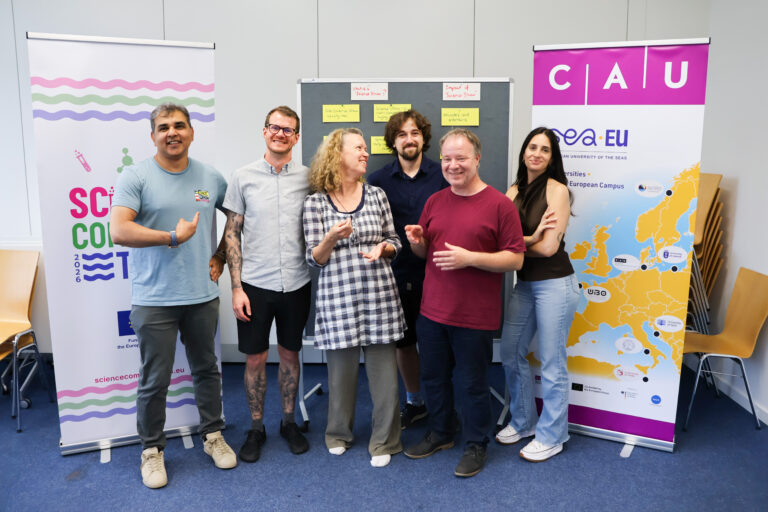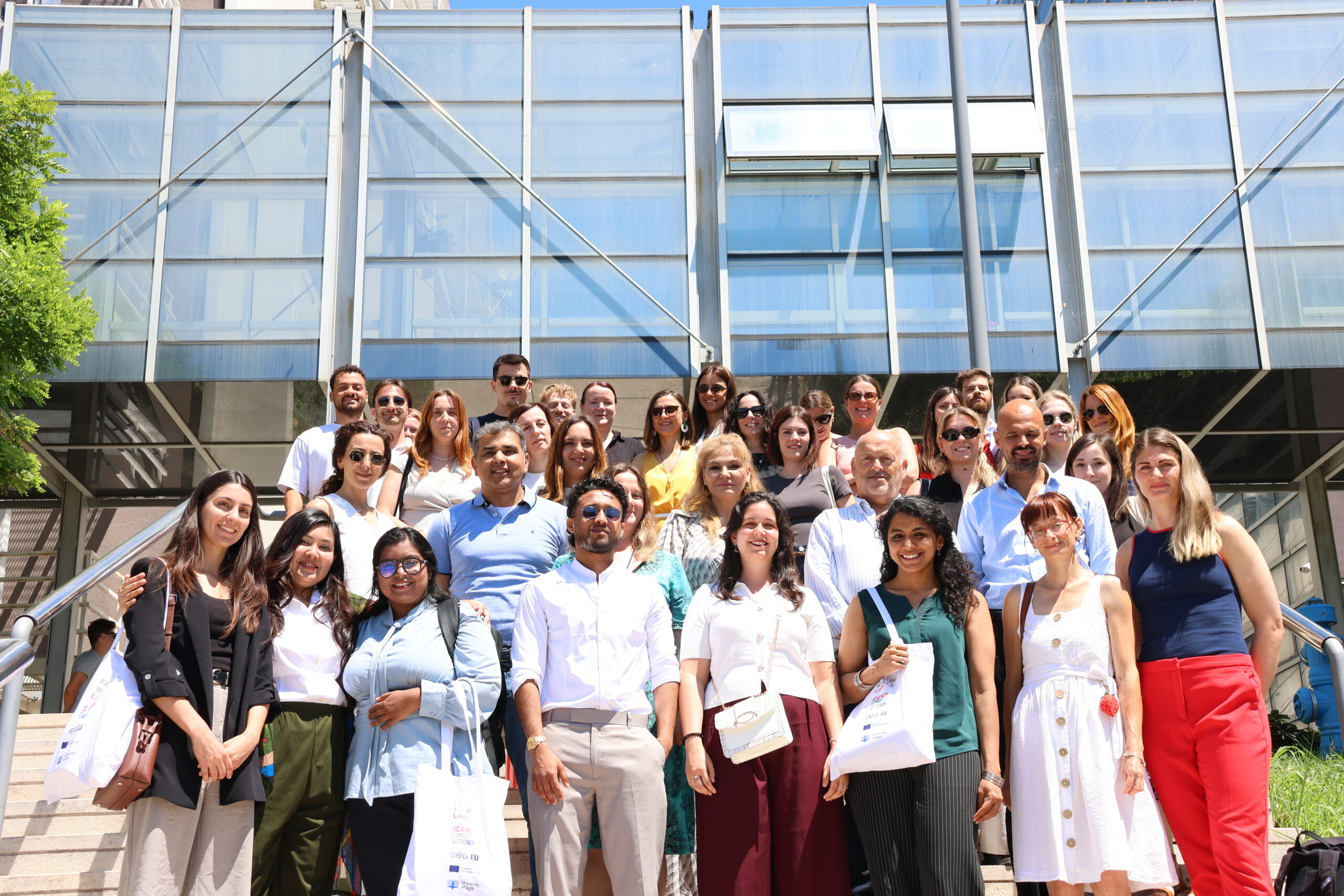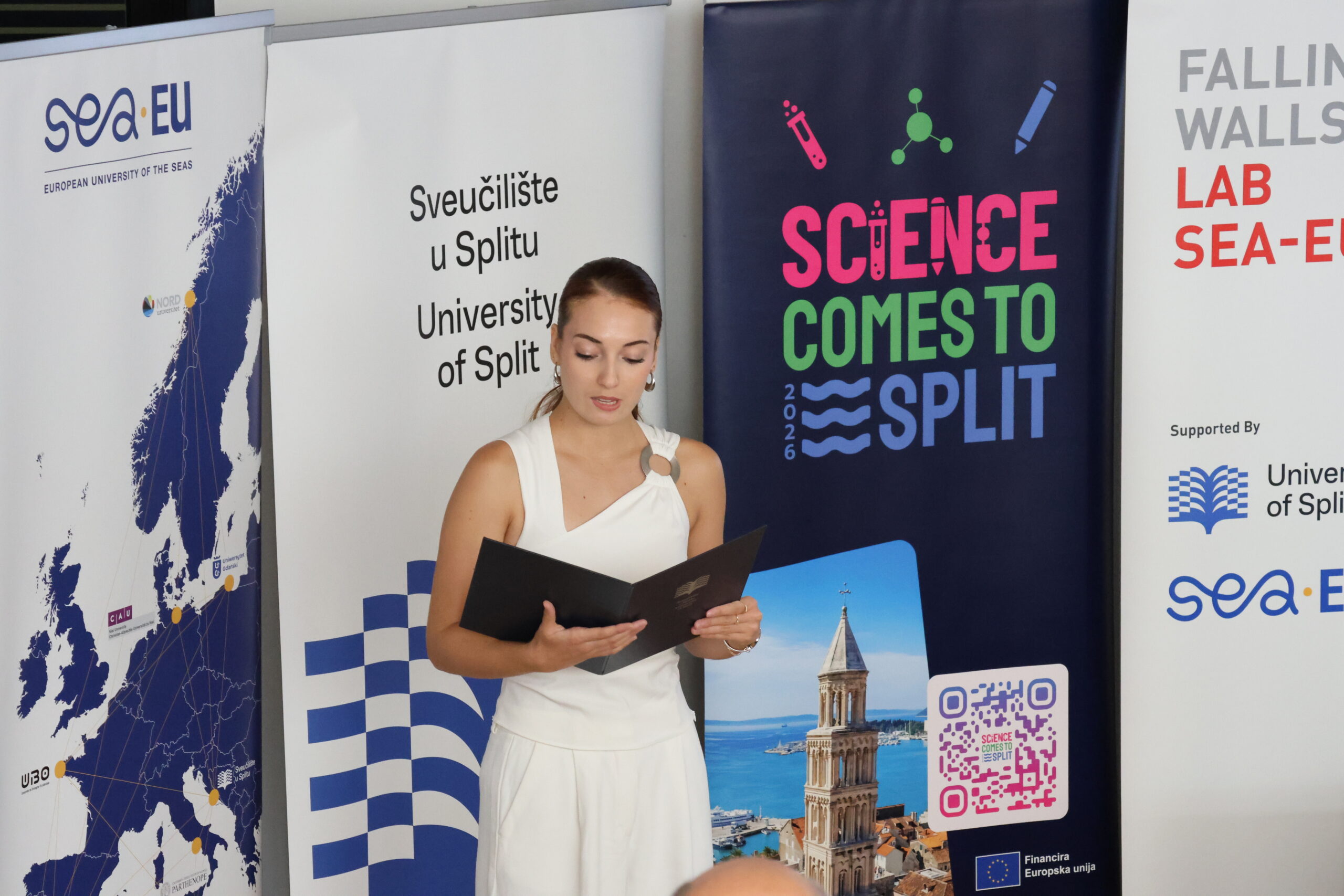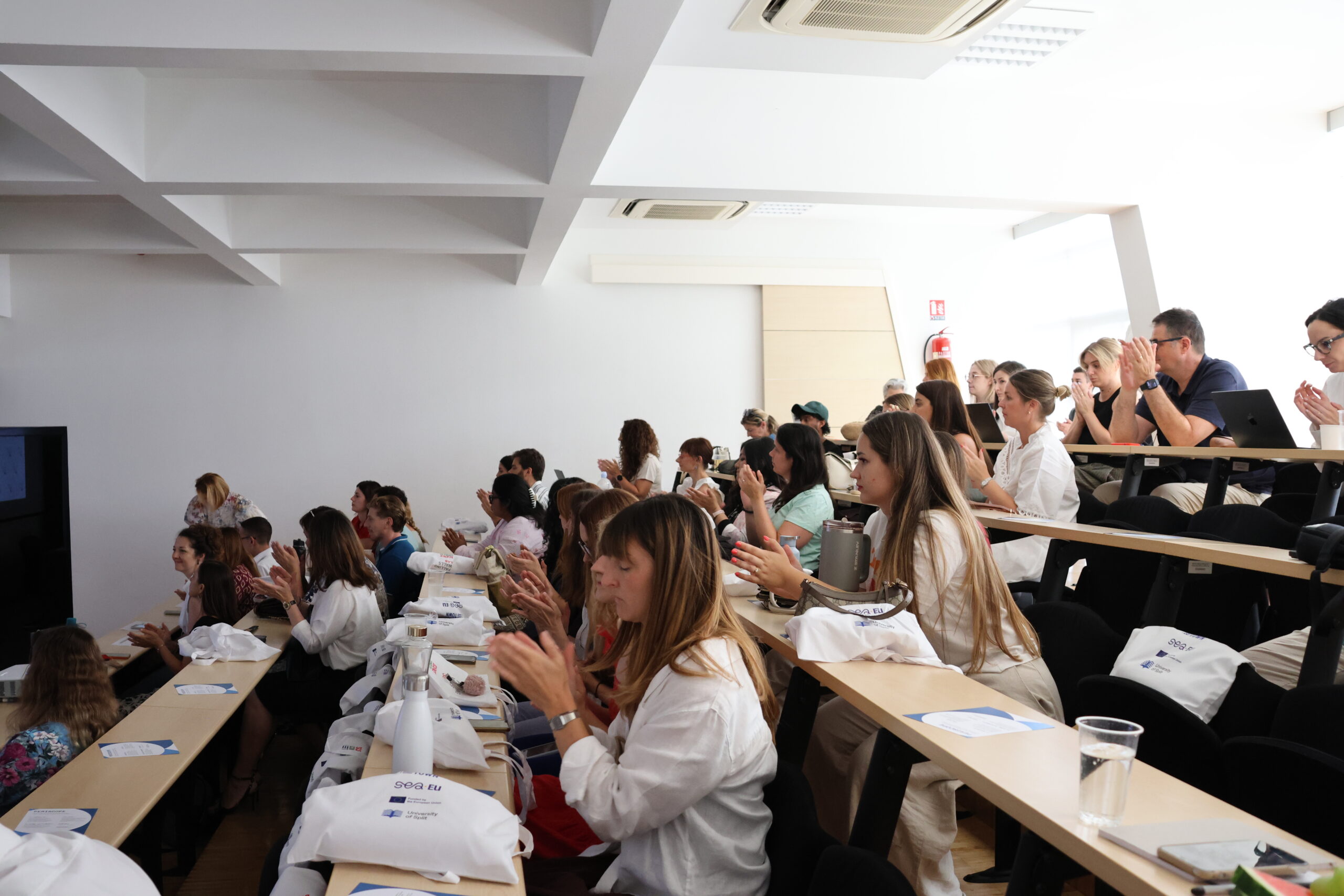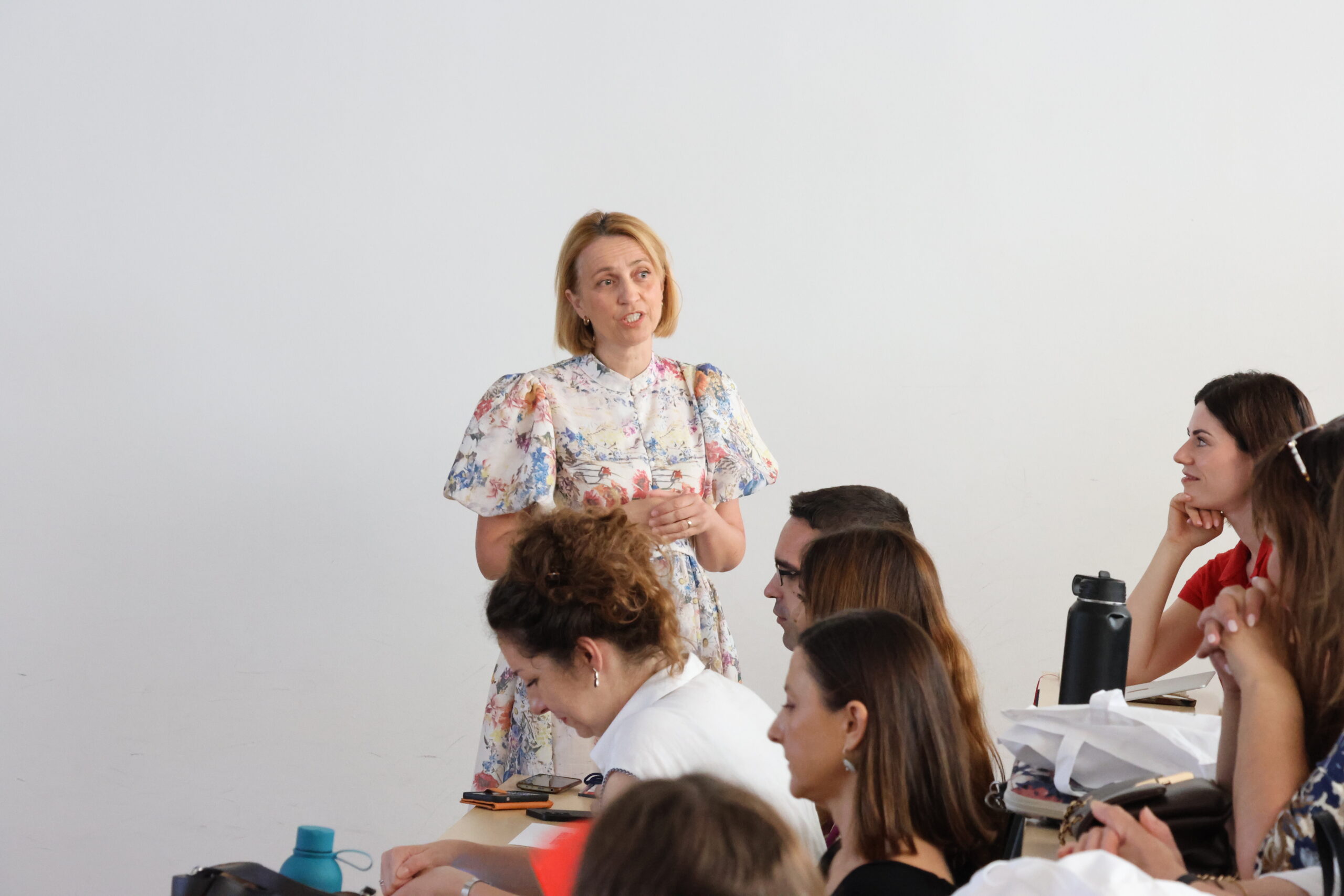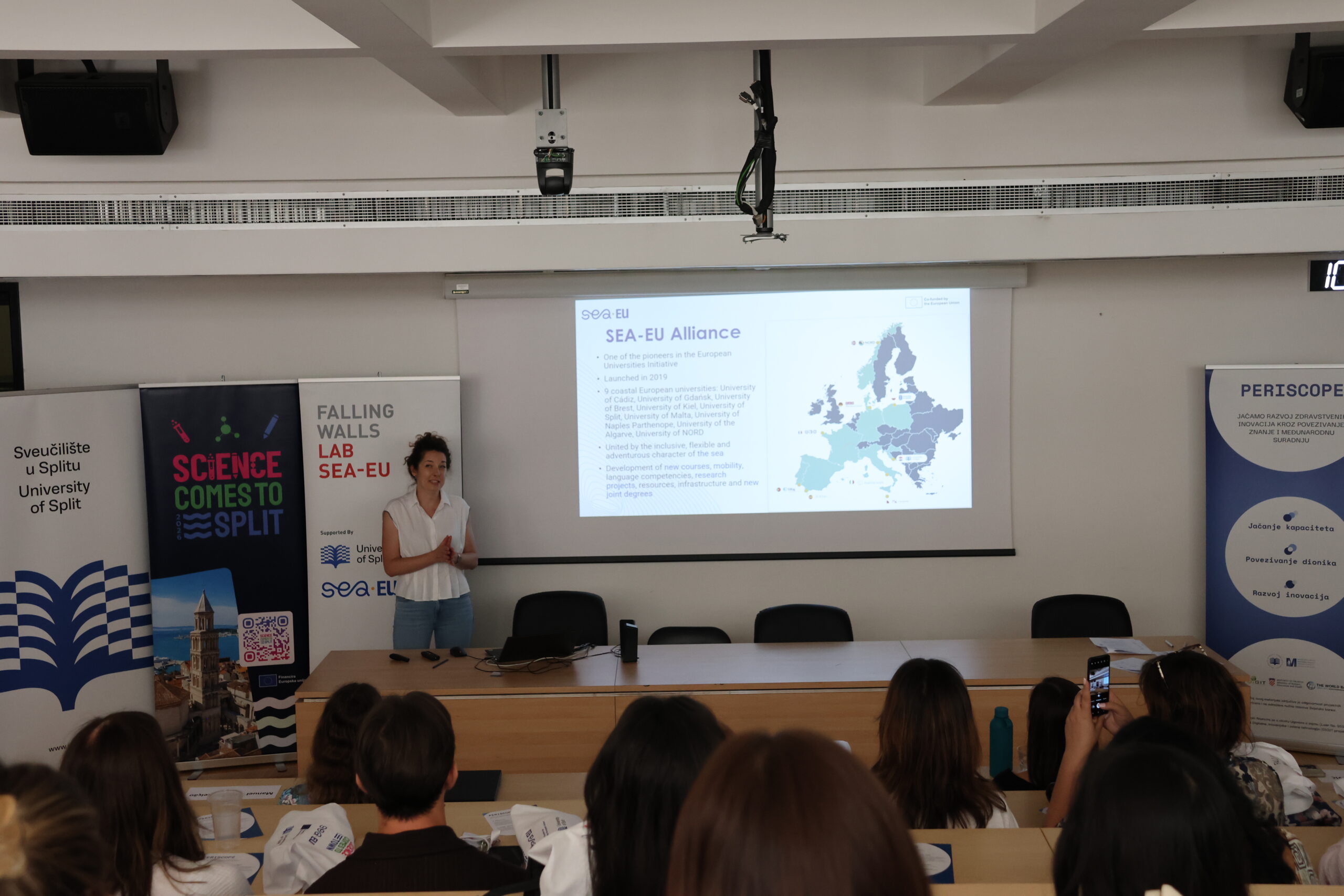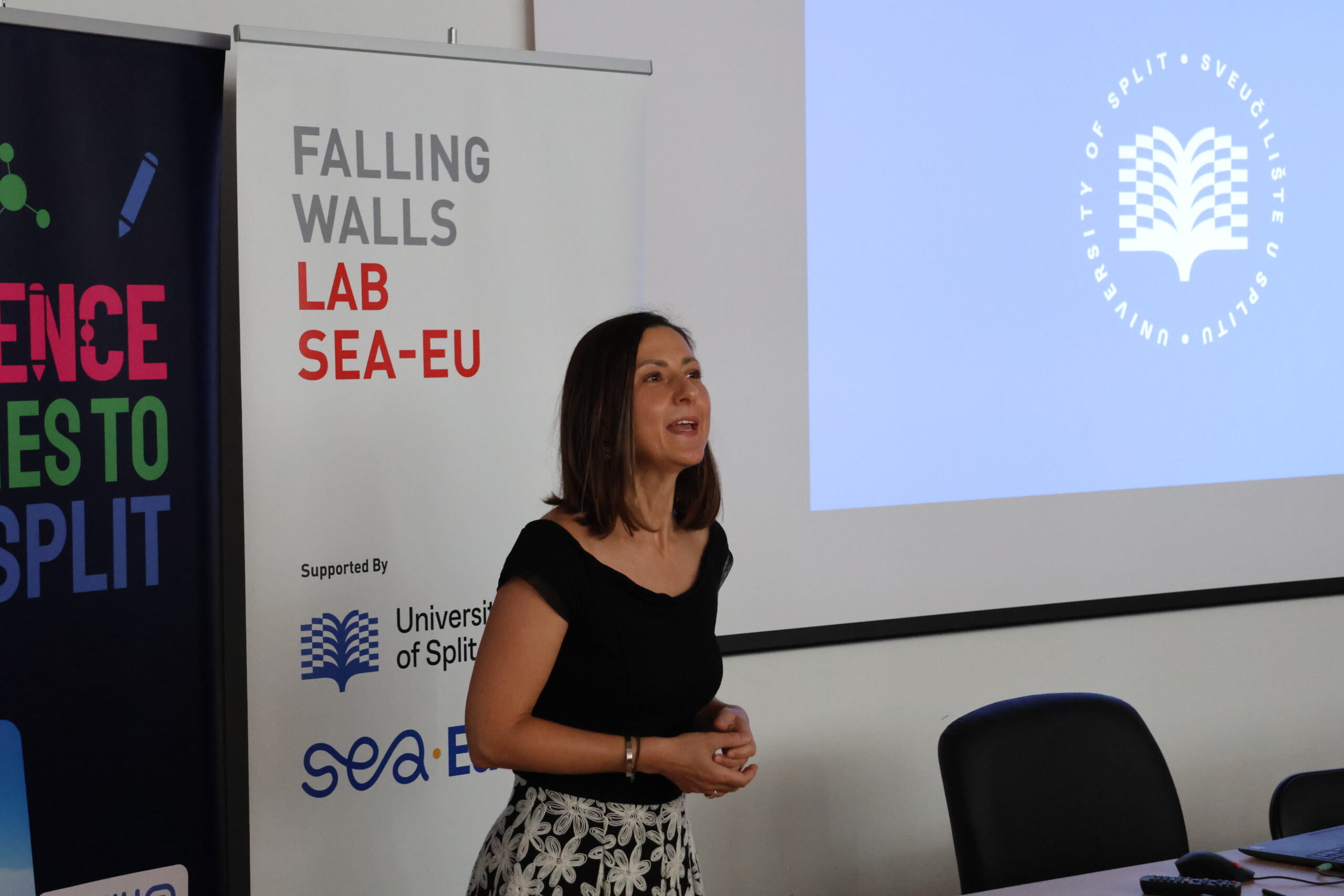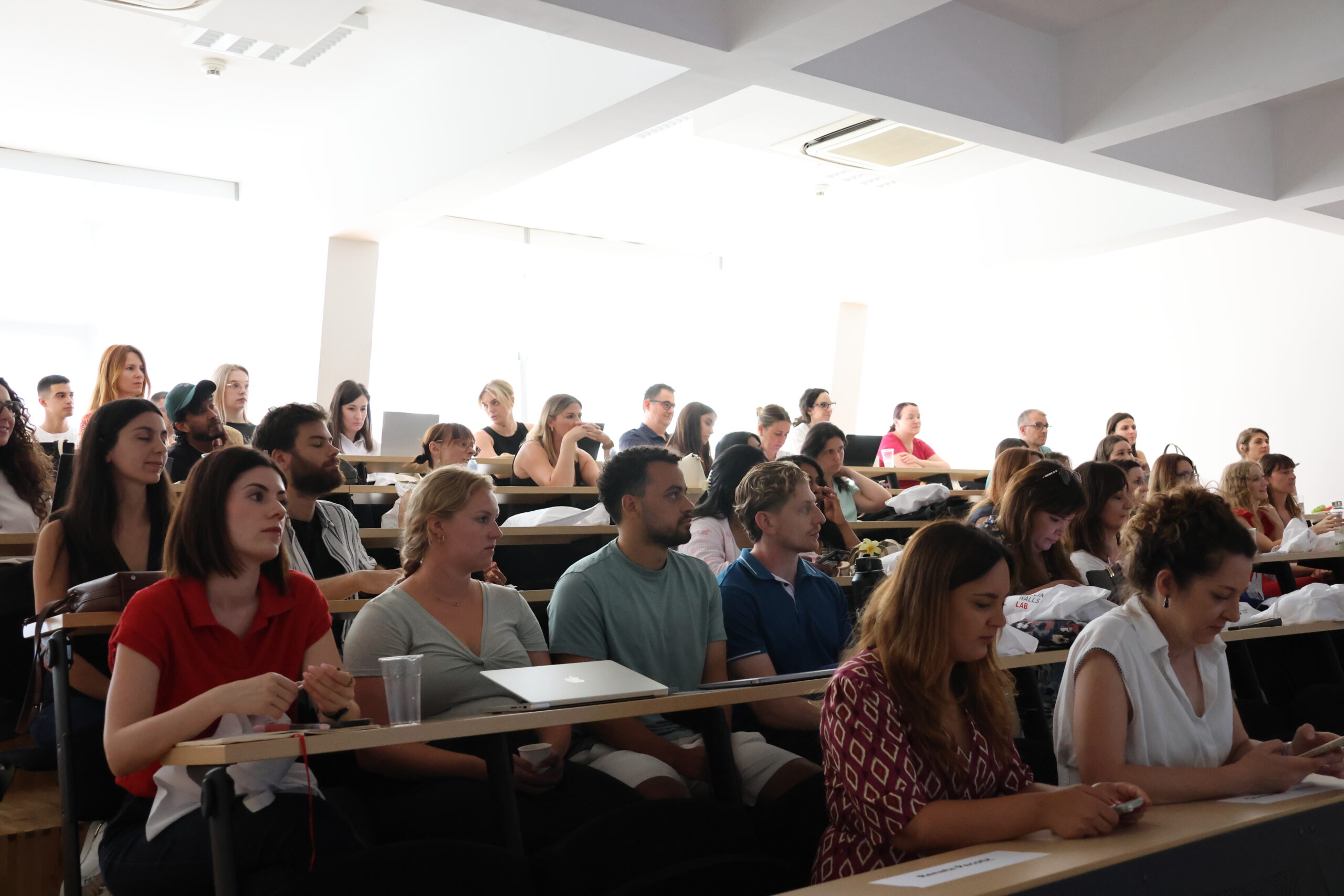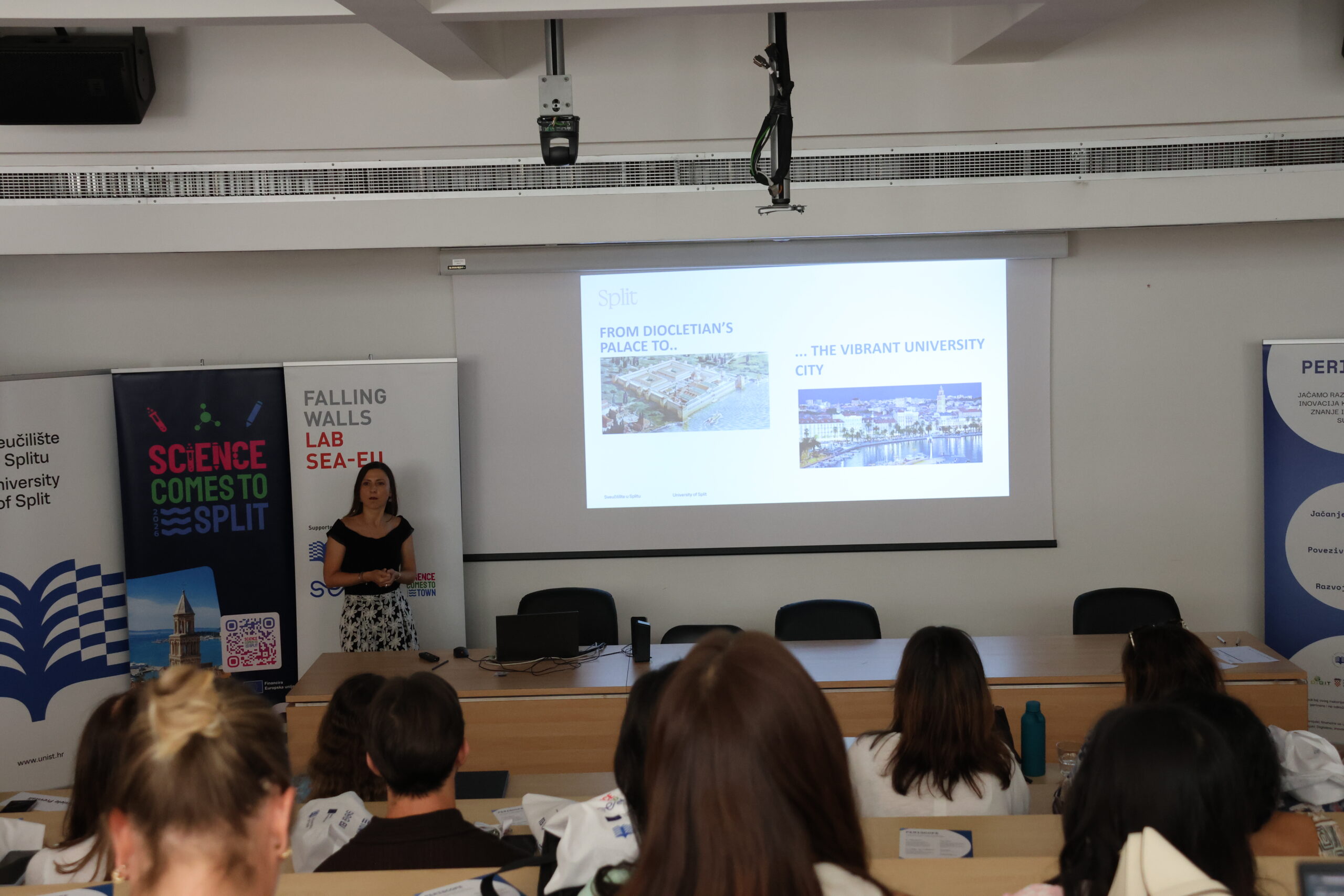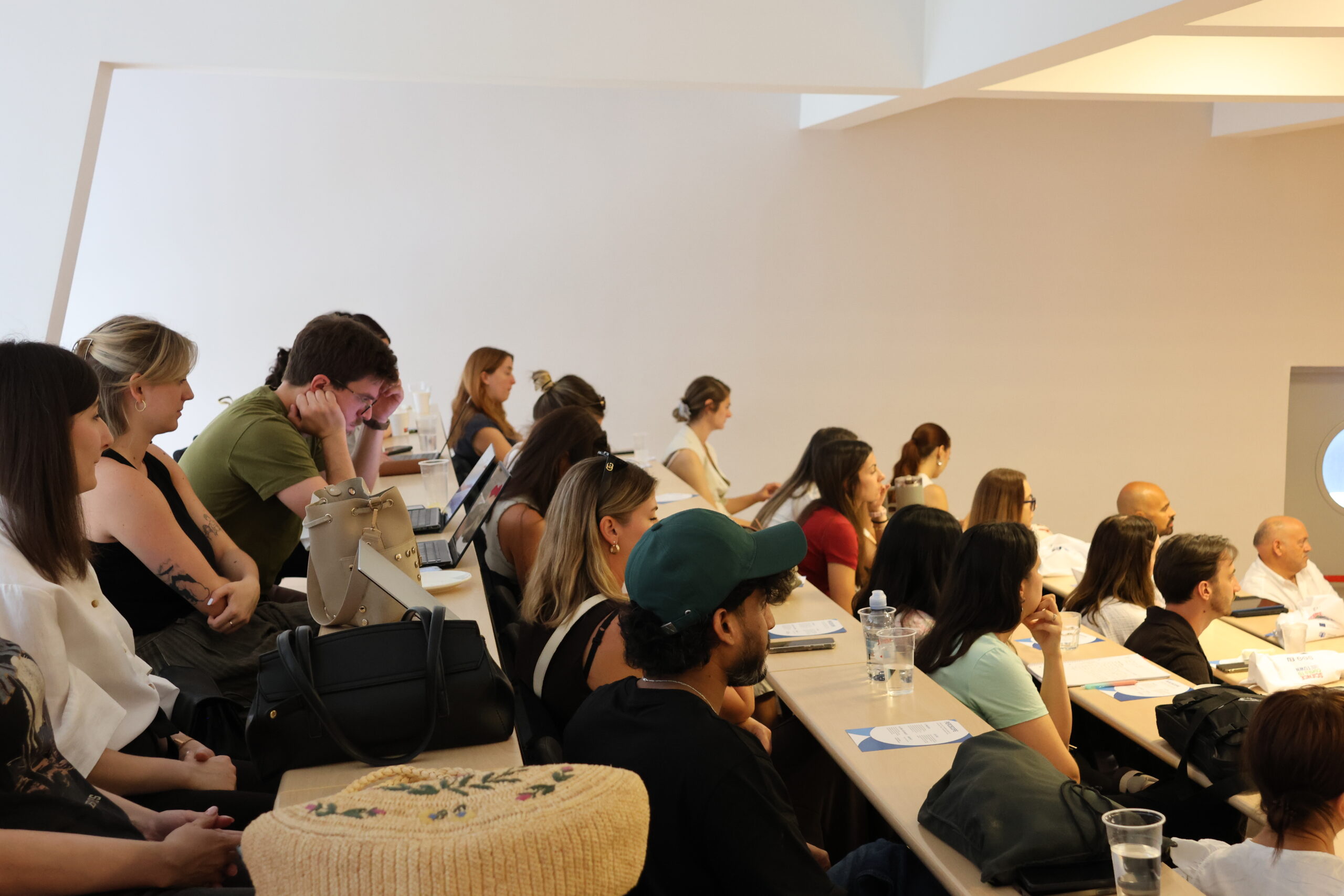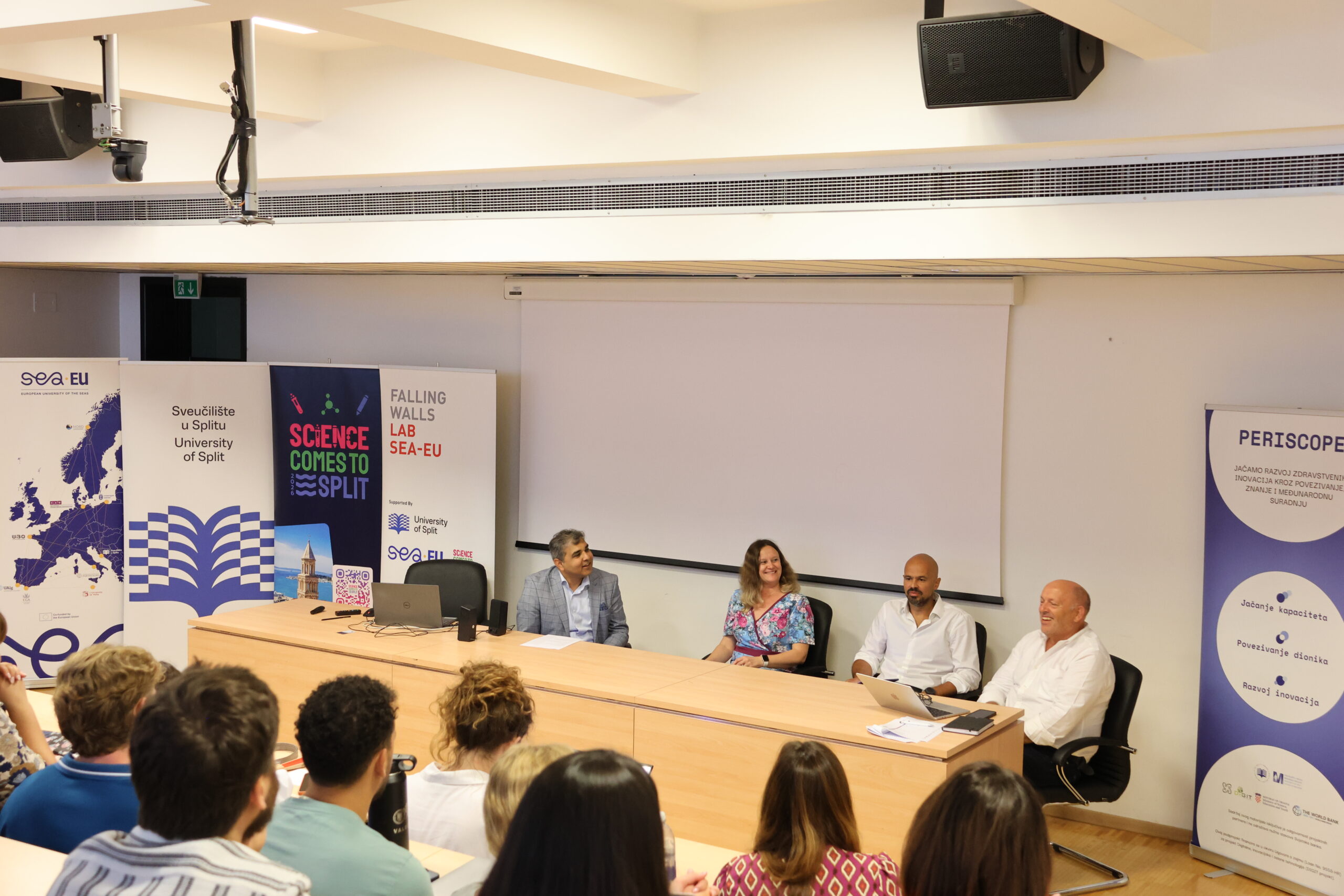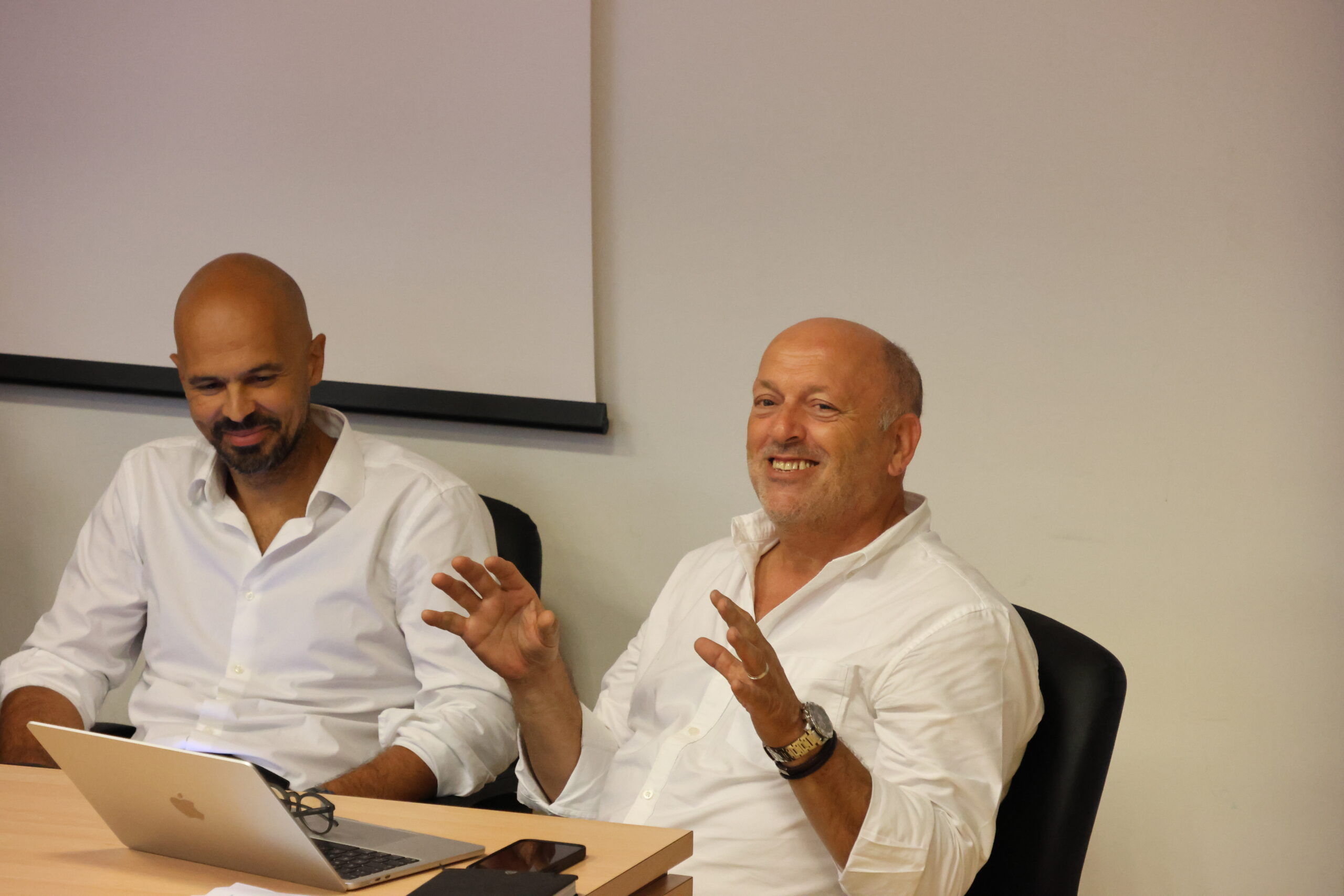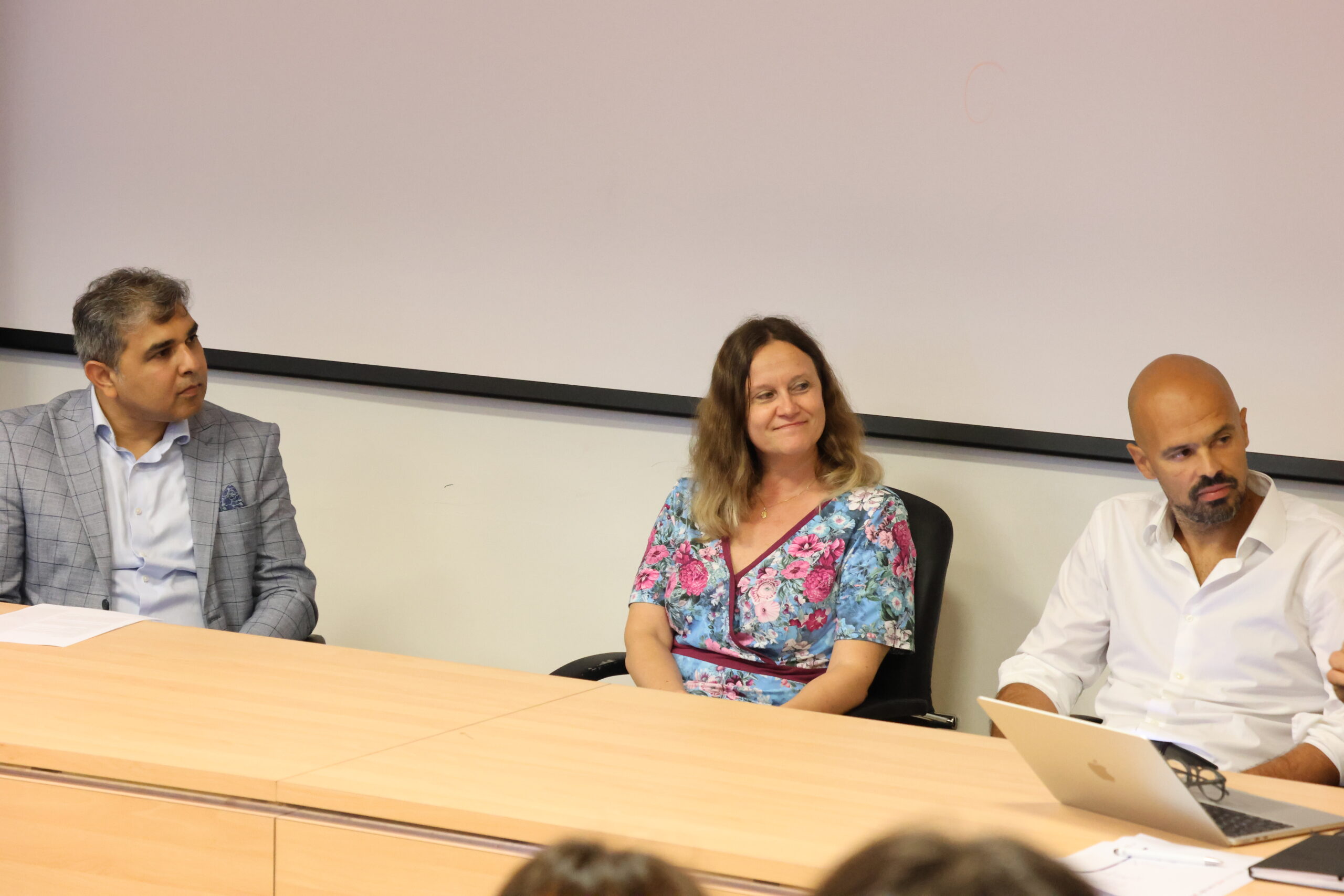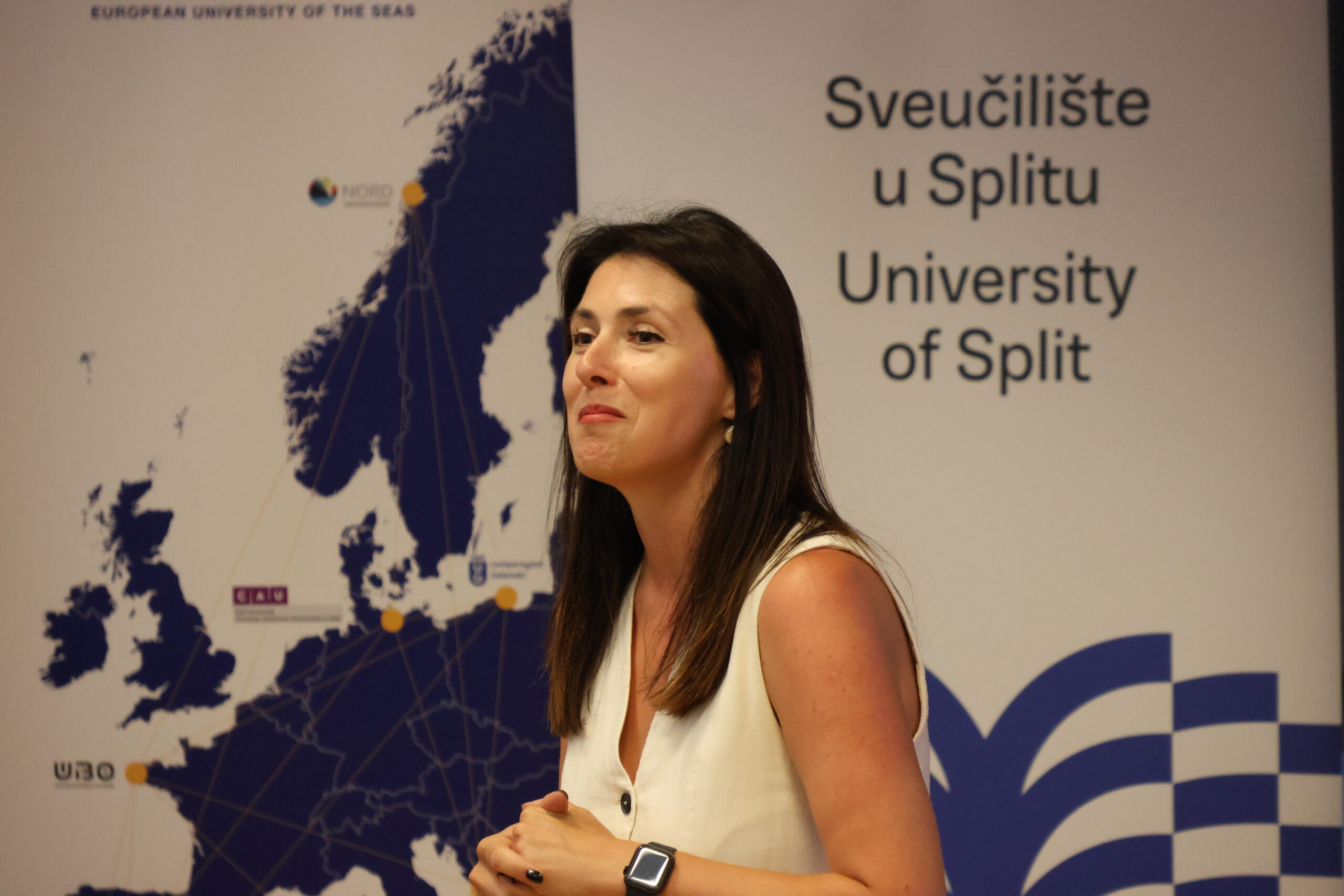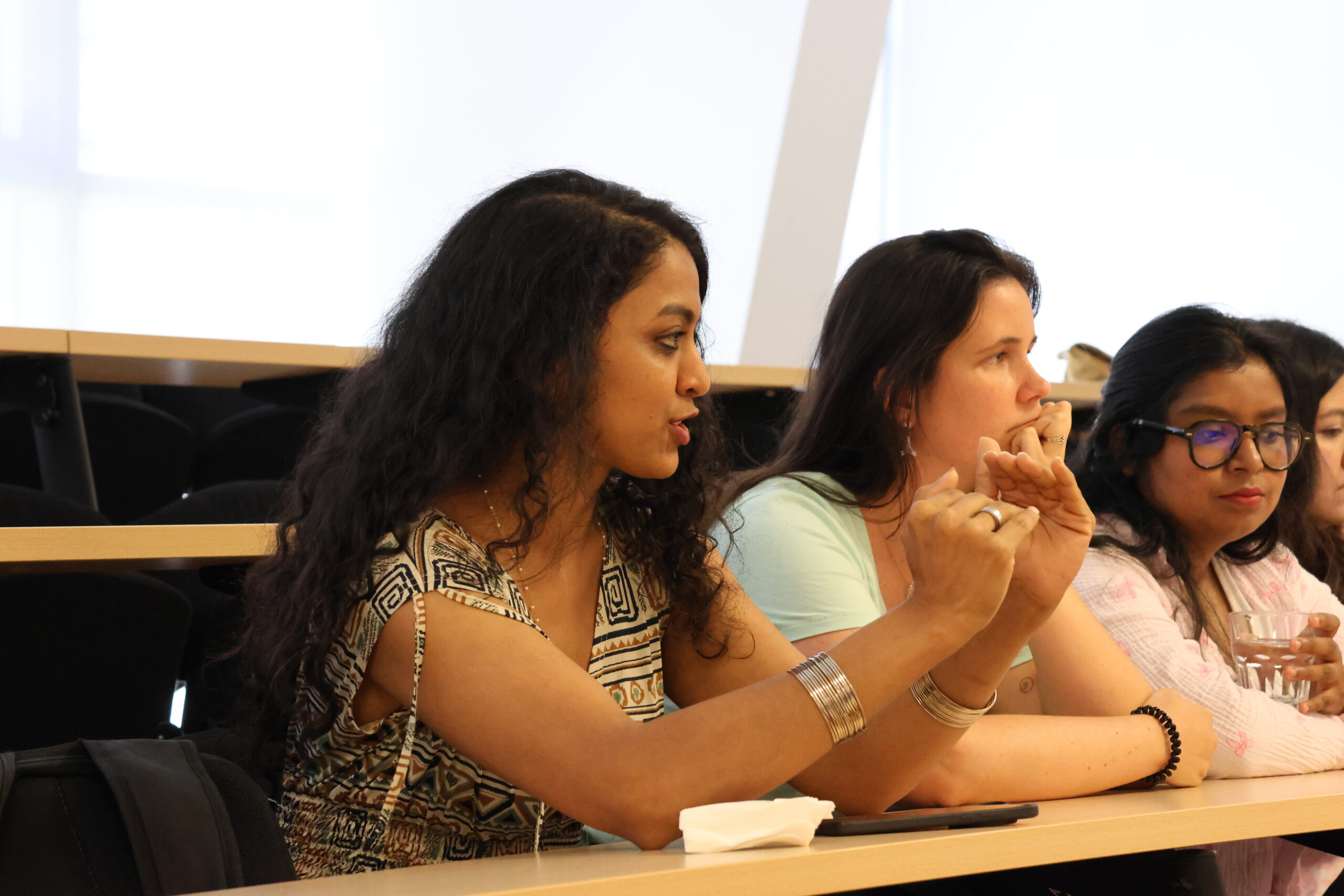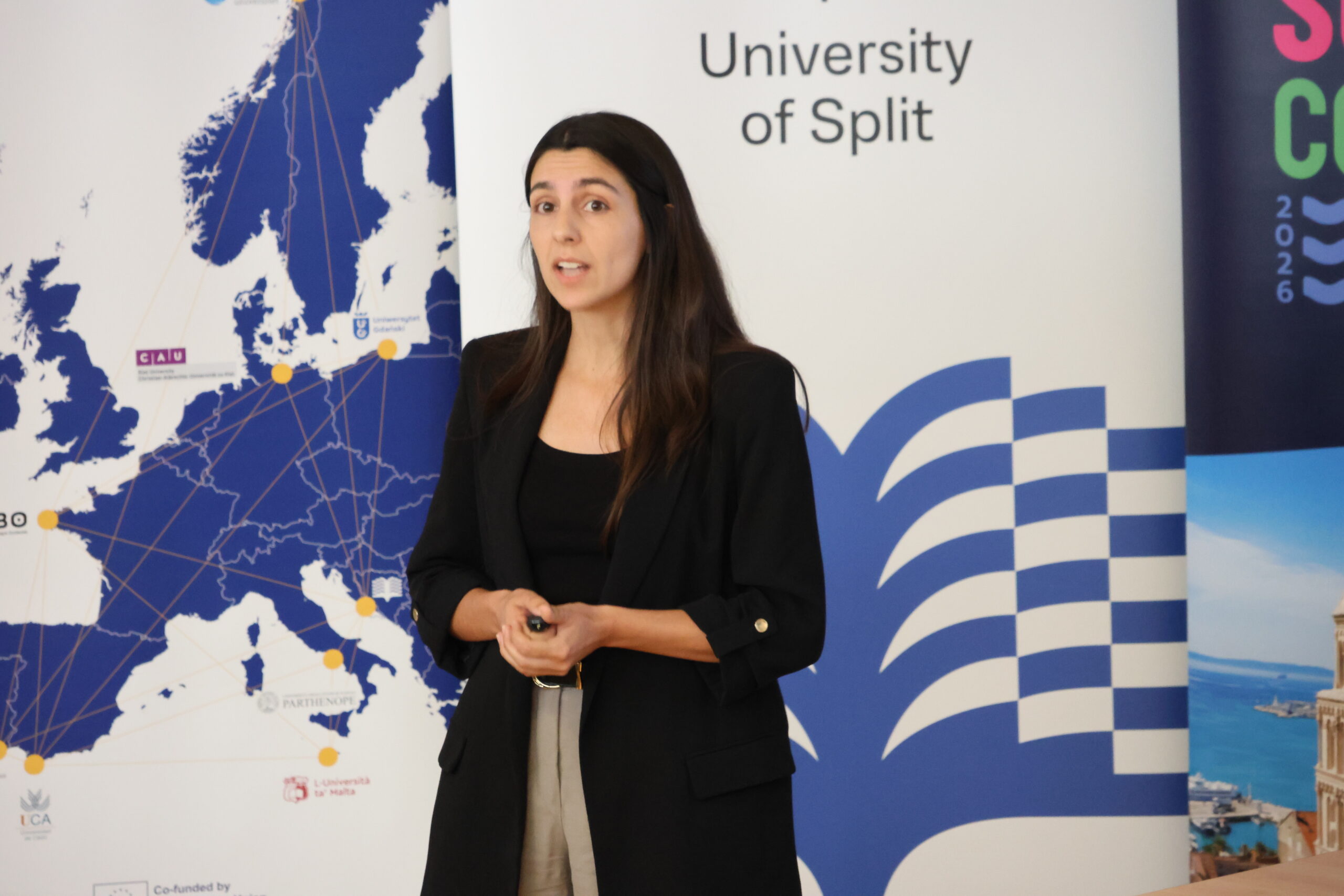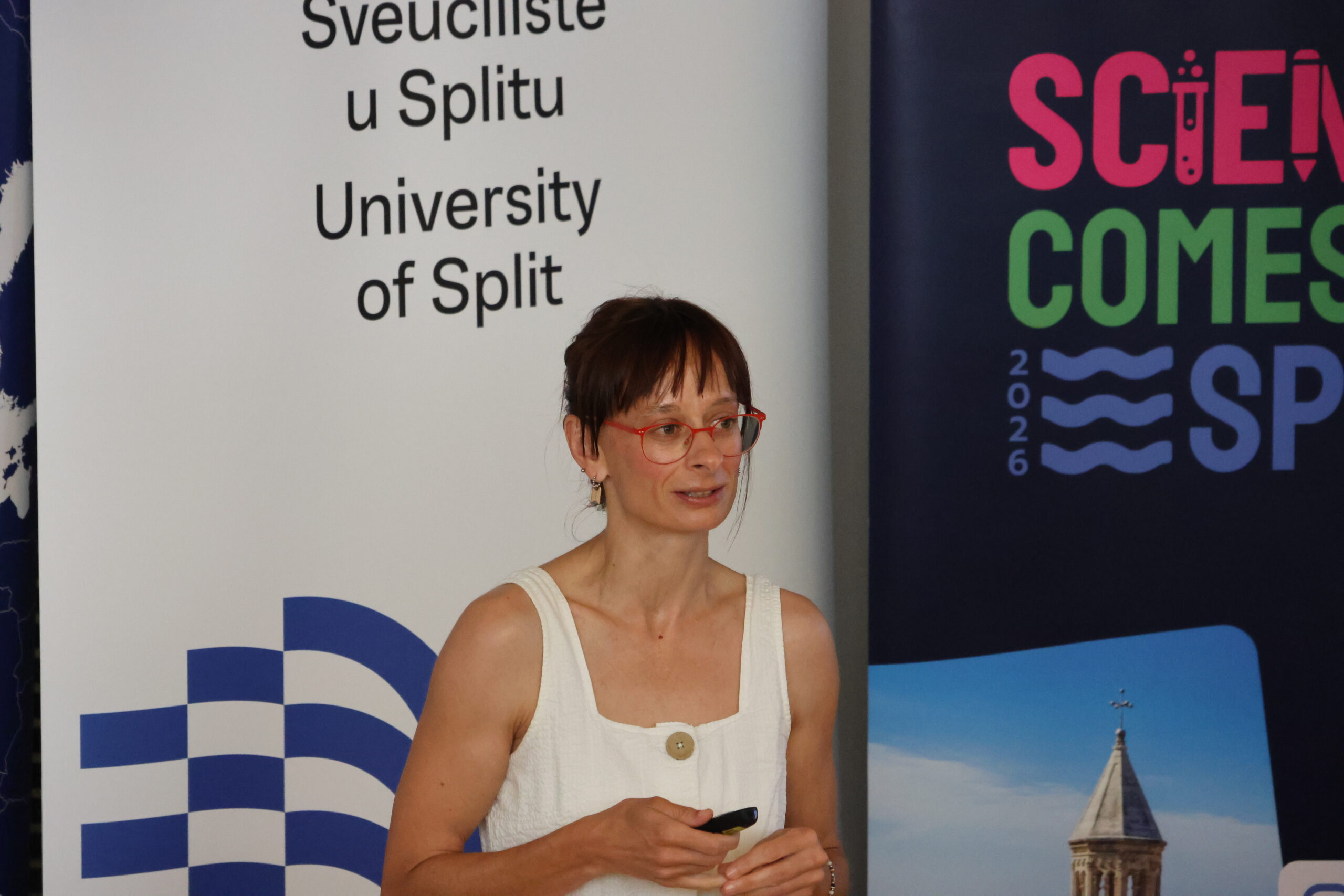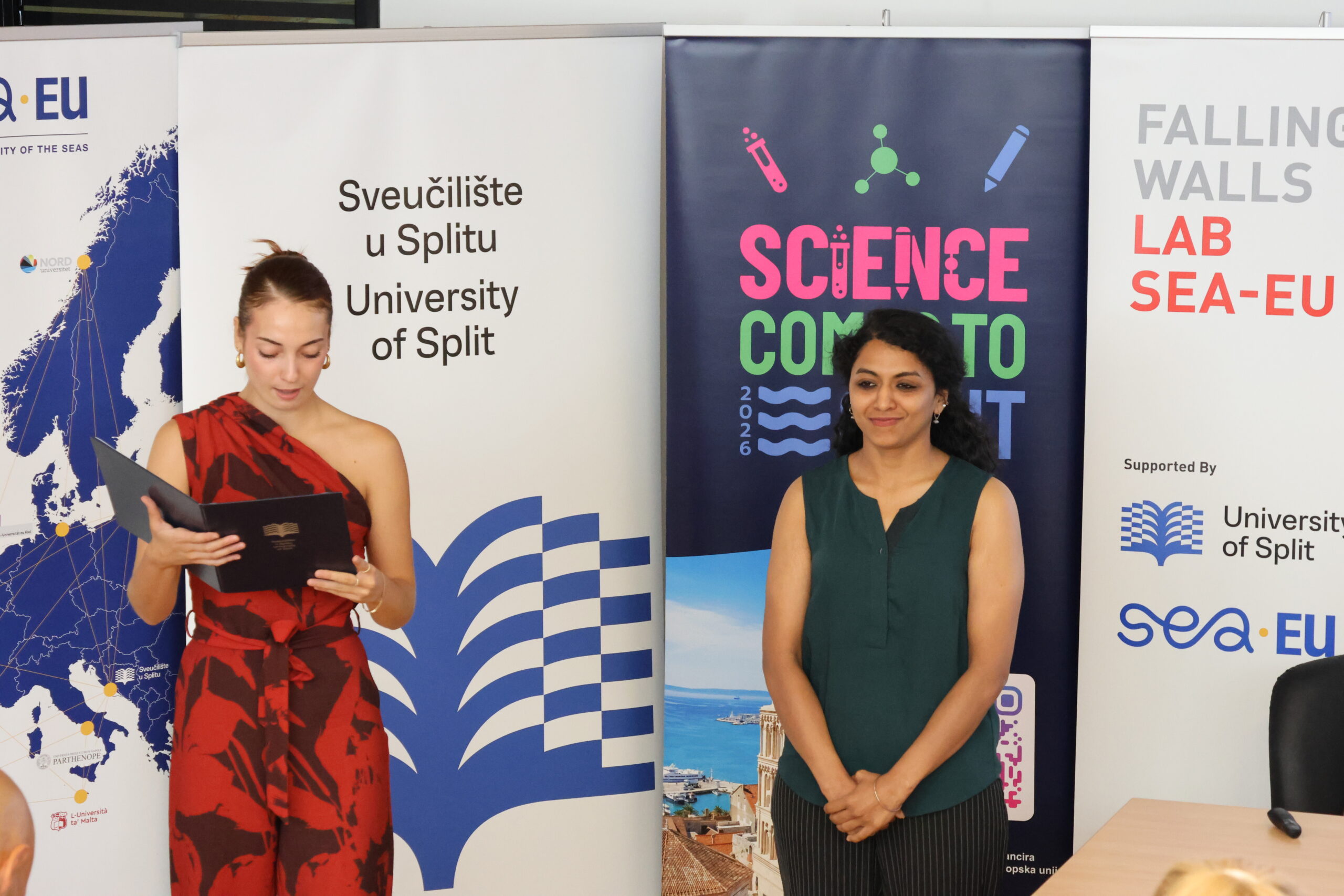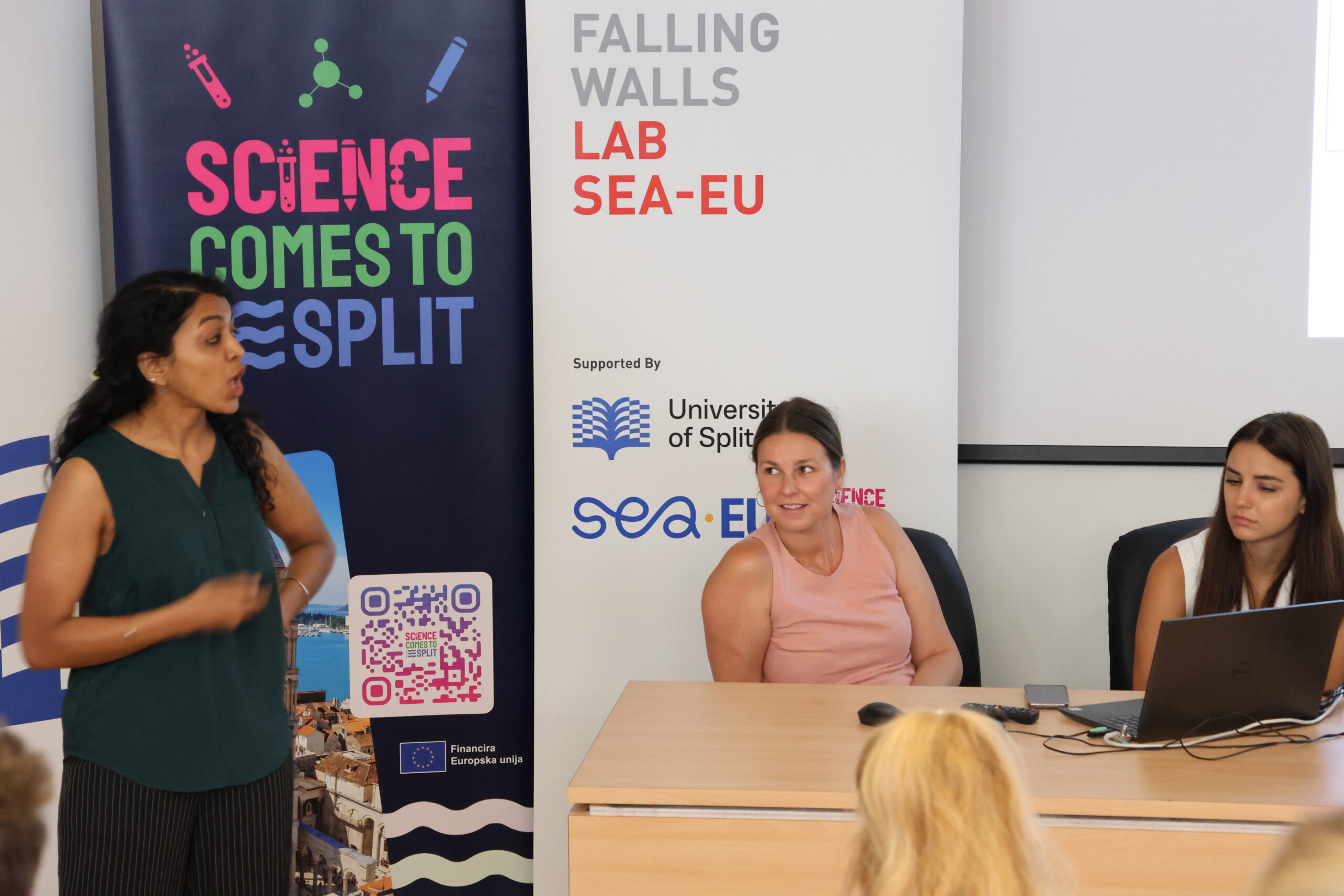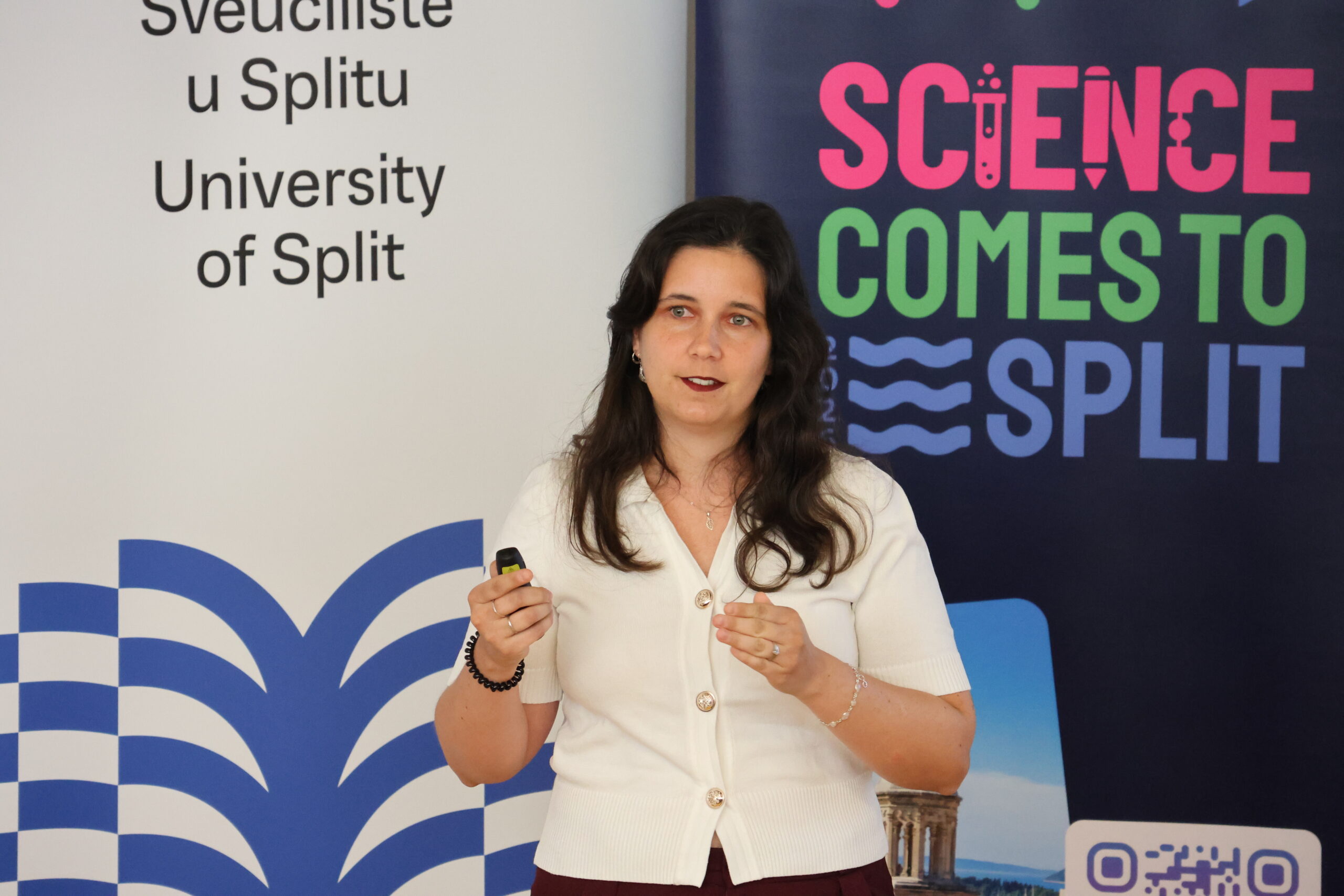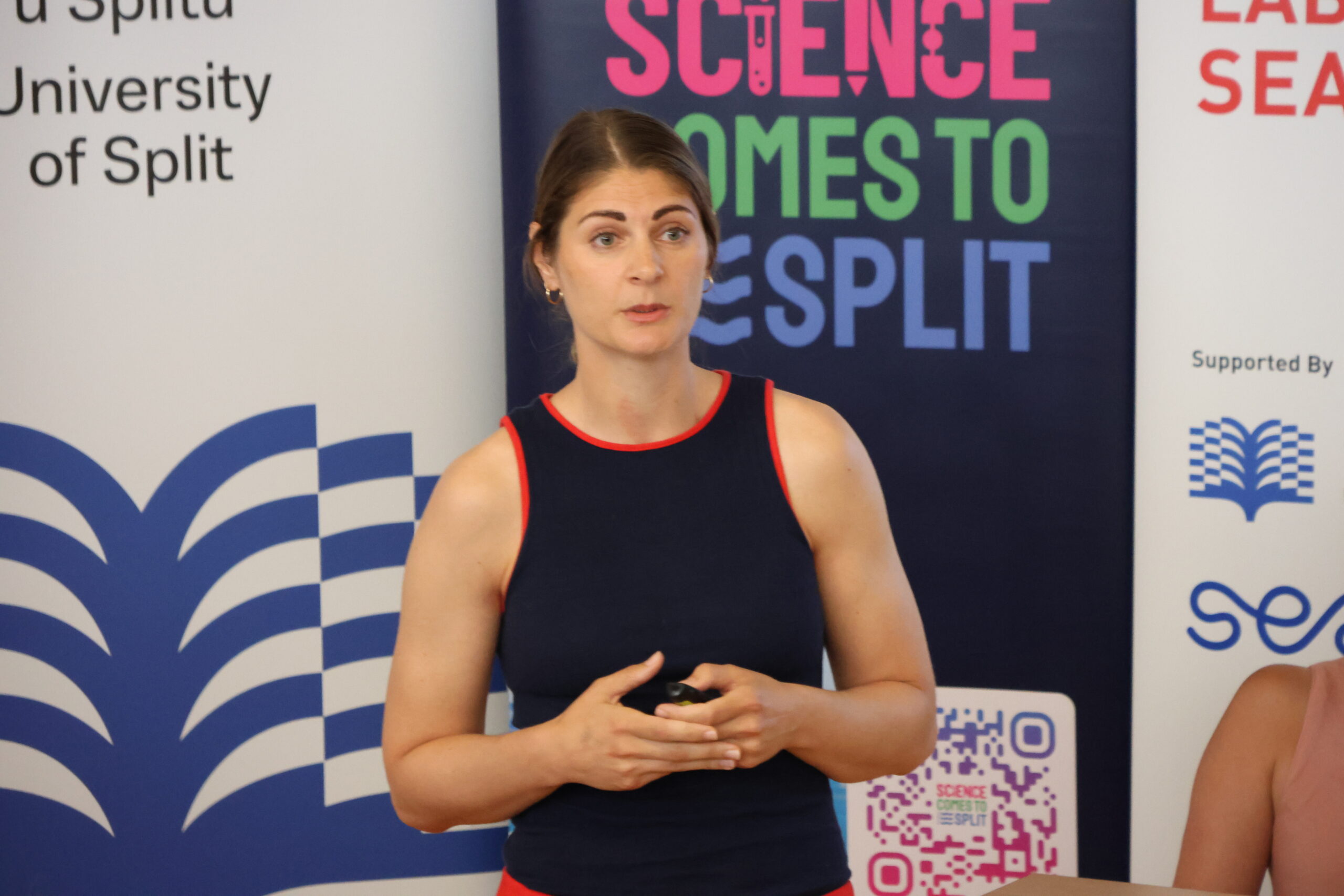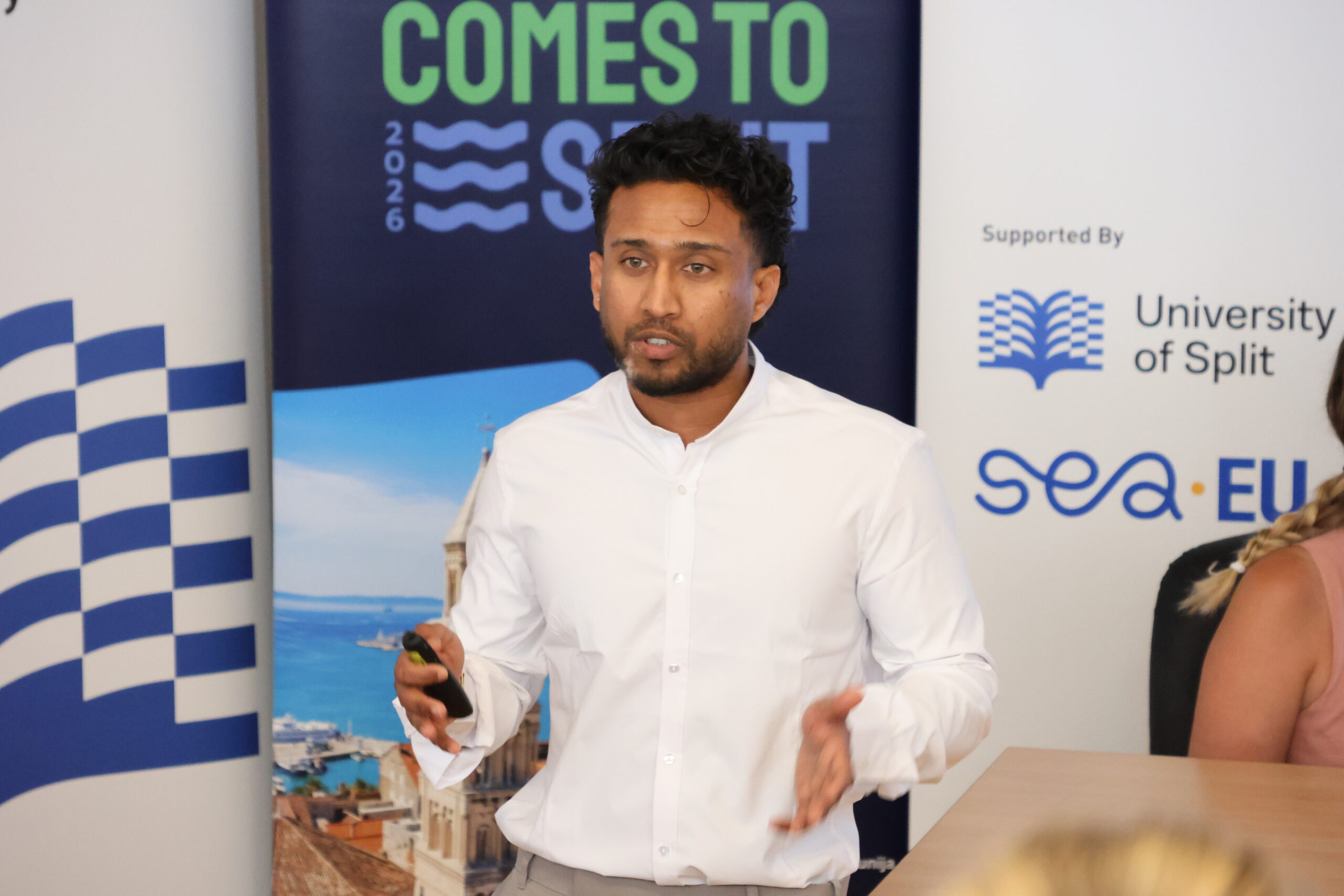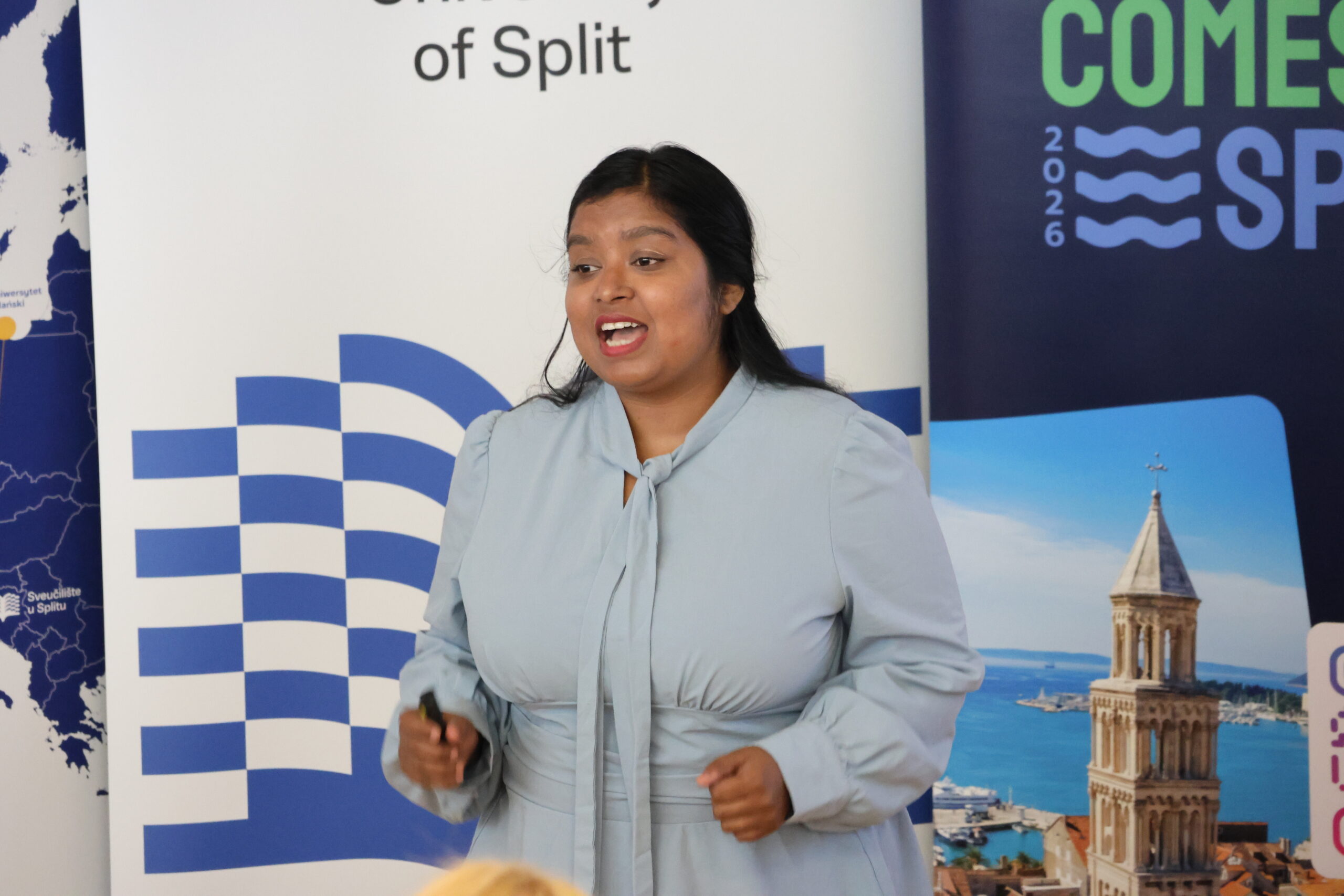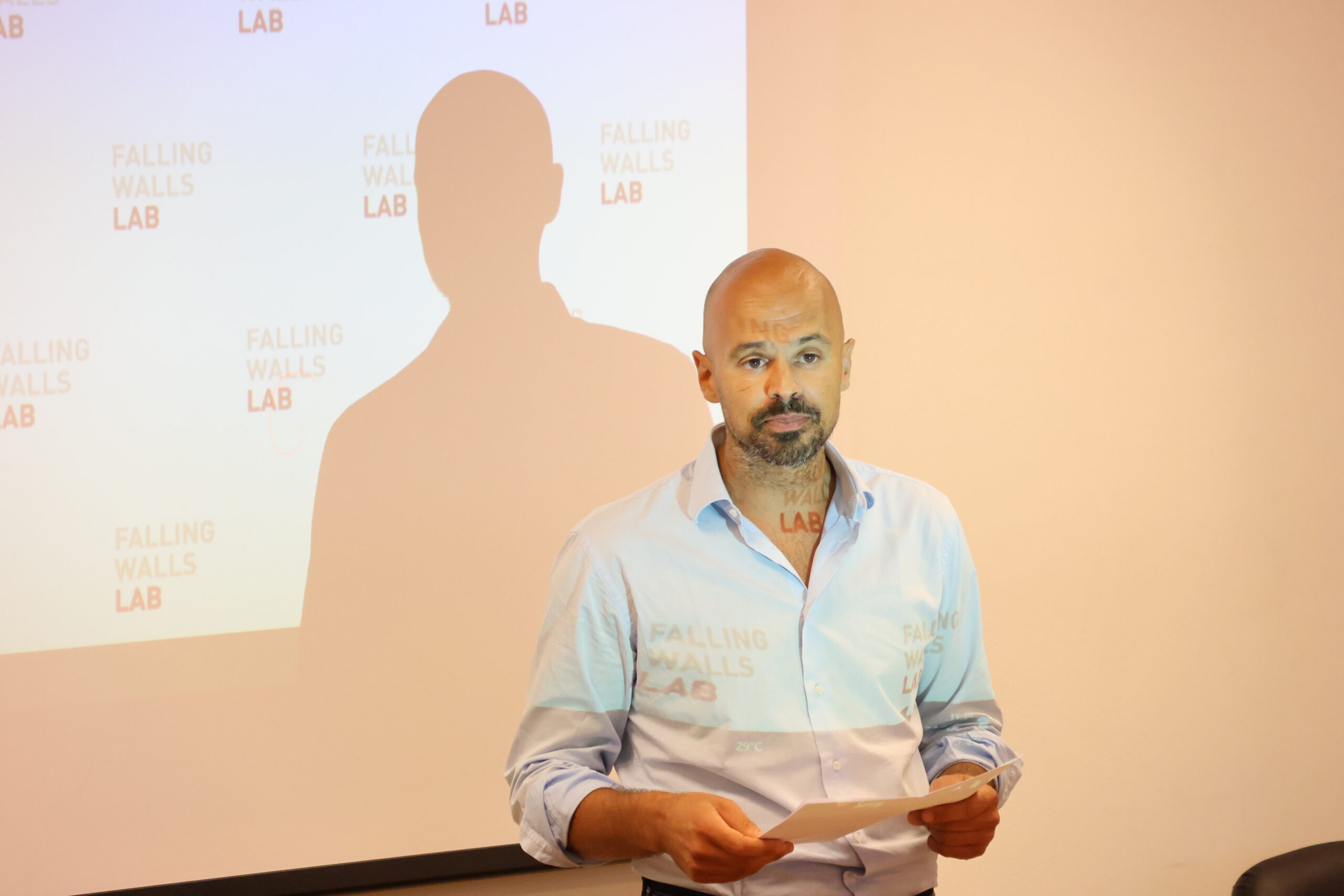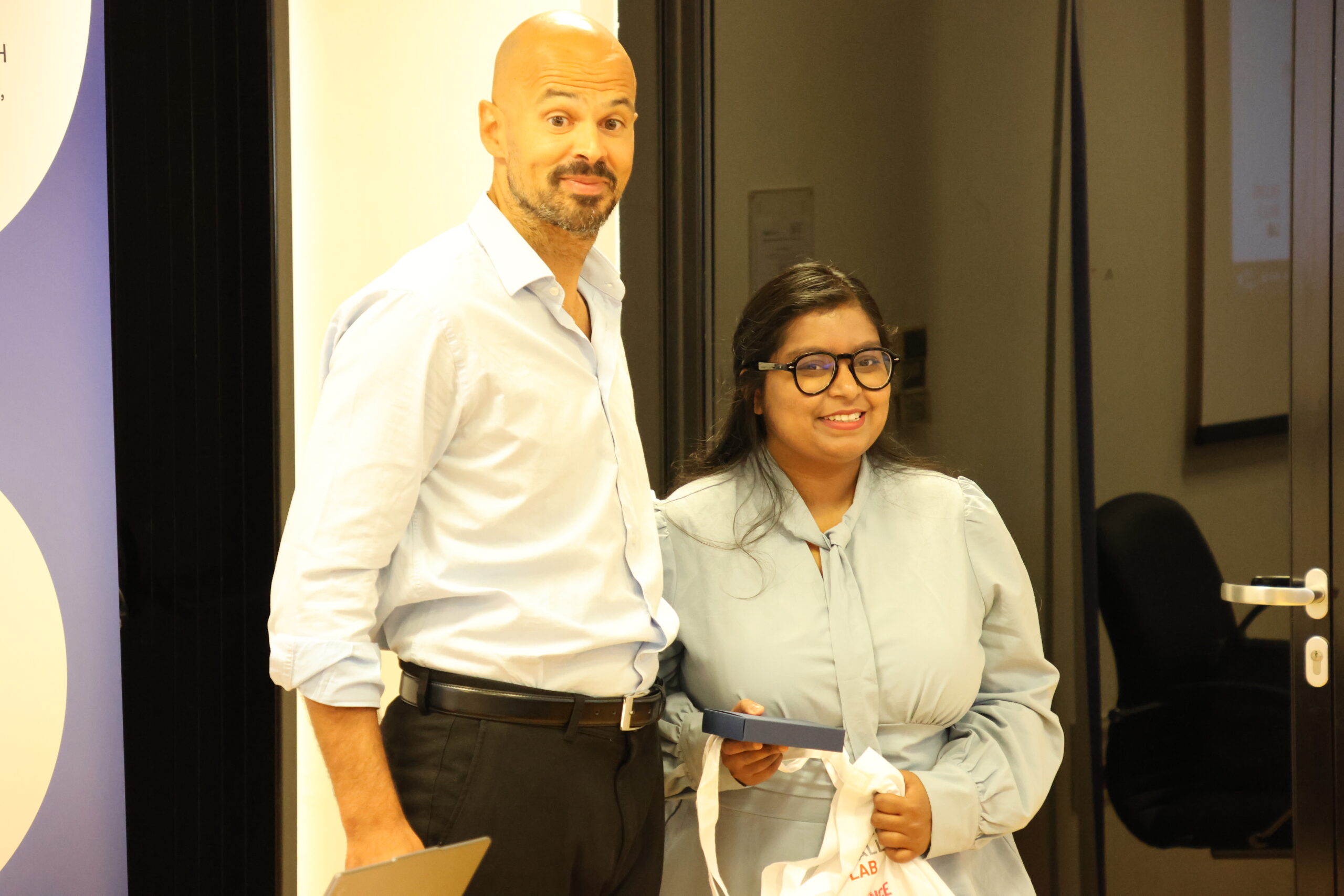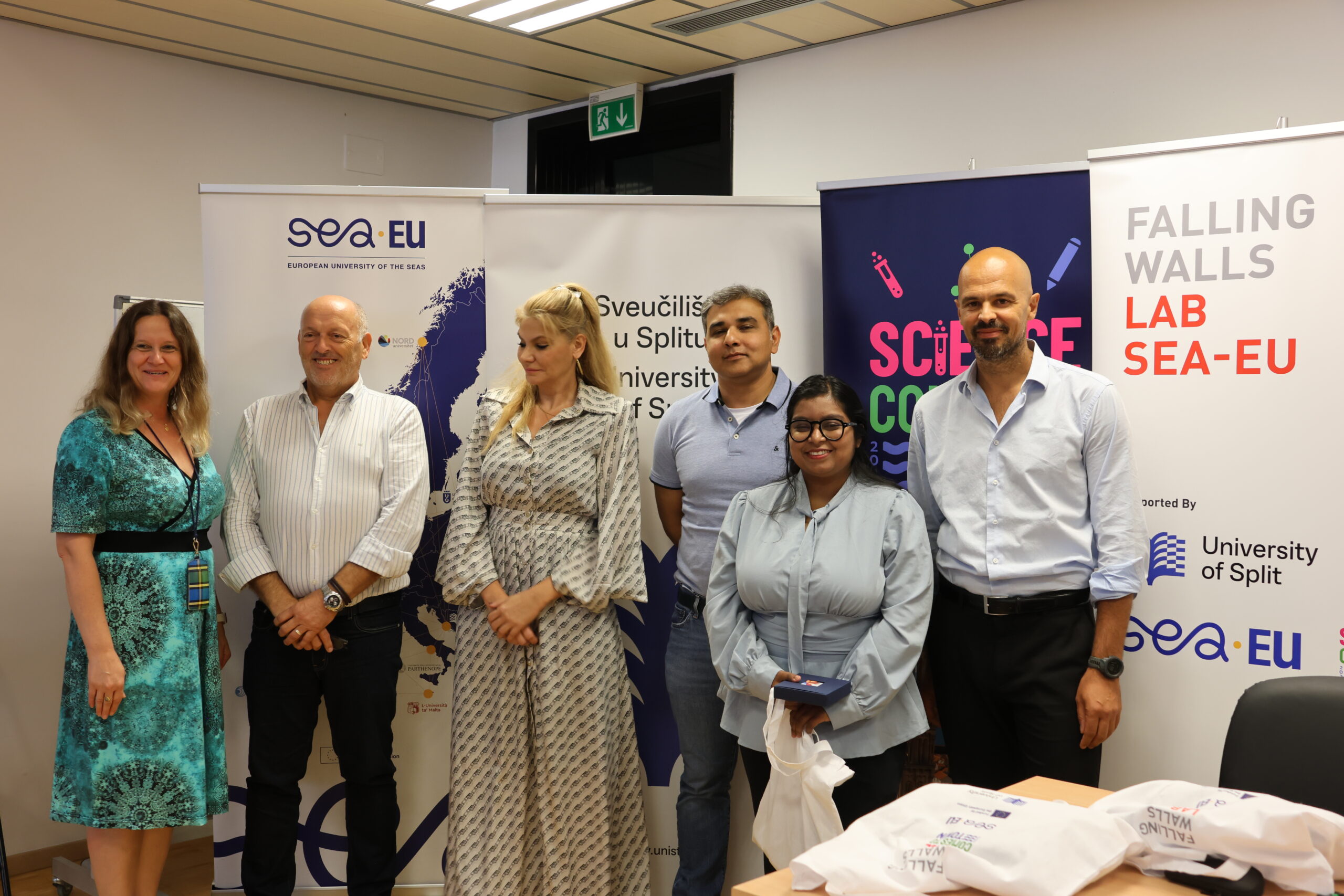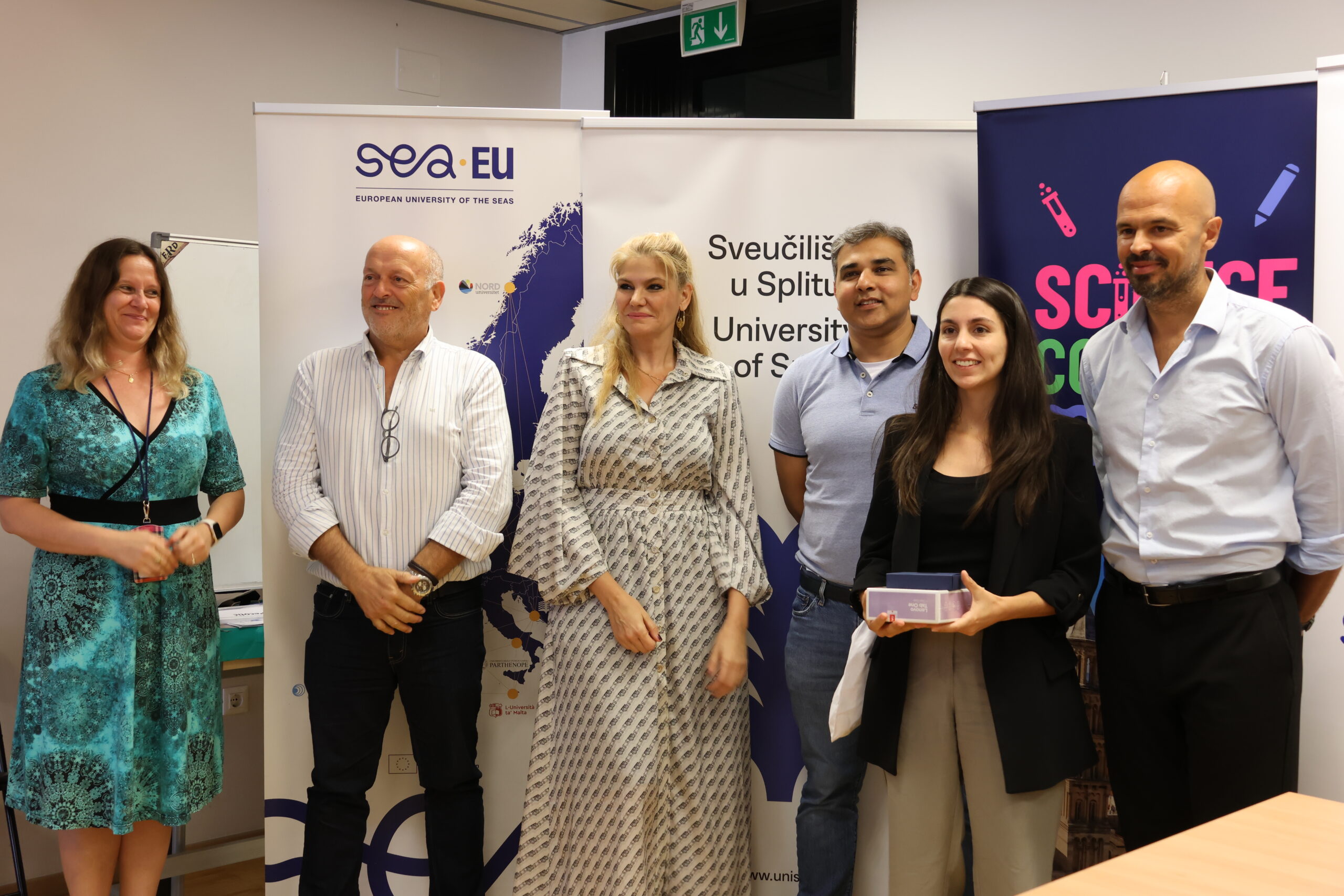
The University of Split successfully hosted the SEA-EU Falling Walls Lab 2026, the first-ever Falling Walls Lab competition organised at the level of the SEA-EU European University Alliance. Held on 6–8 July 2026 at the University of Split School of Medicine, the event brought together talented students, researchers and innovators from Croatia, Italy, Portugal, Spain, Germany and Norway, celebrating scientific excellence, innovation and science communication.
As part of the globally recognised Falling Walls initiative, the competition provides a unique platform for young researchers to present breakthrough ideas capable of addressing some of society’s greatest challenges. The winner of the SEA-EU edition will represent the Alliance at the international Falling Walls Lab Finale in Berlin this November.
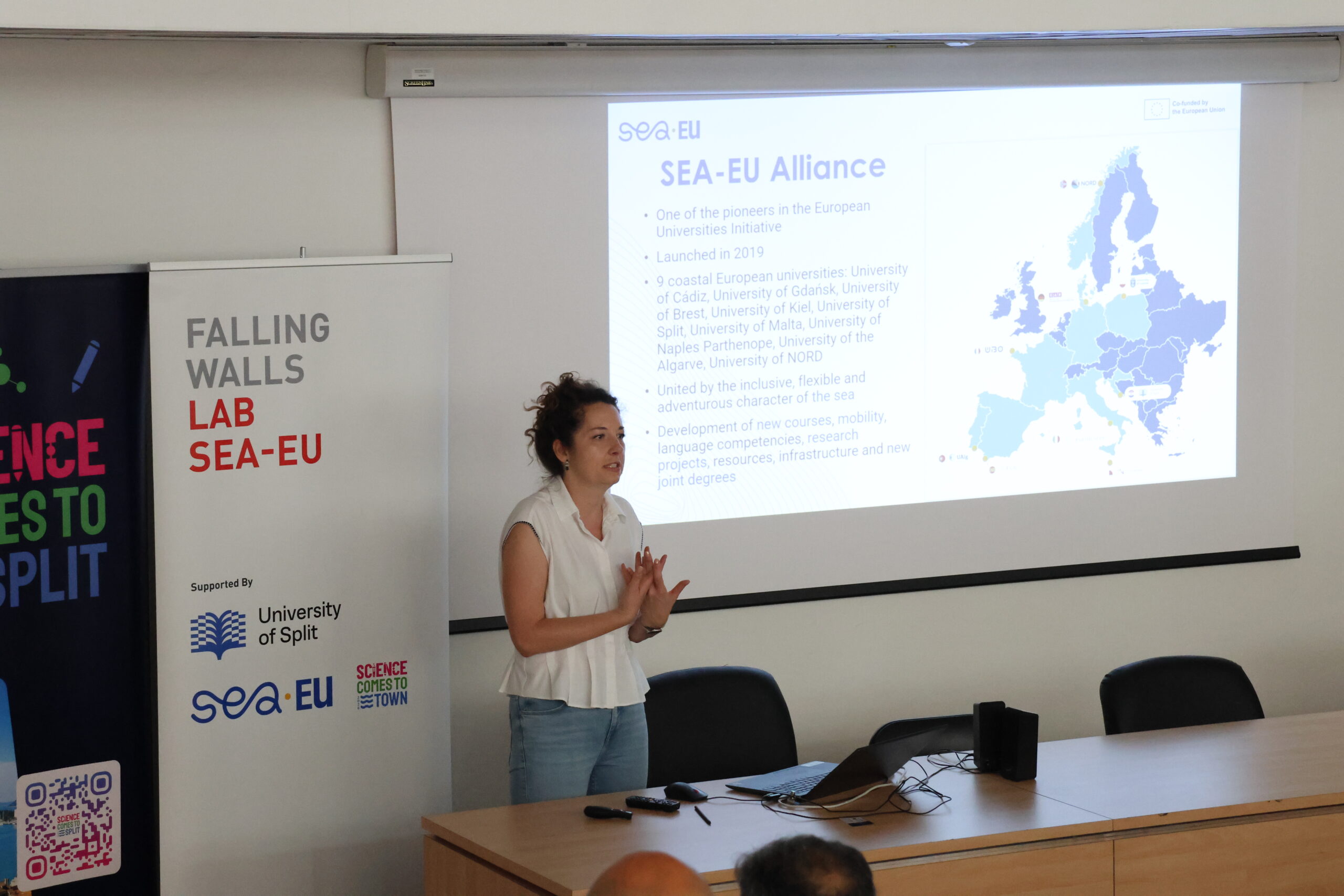
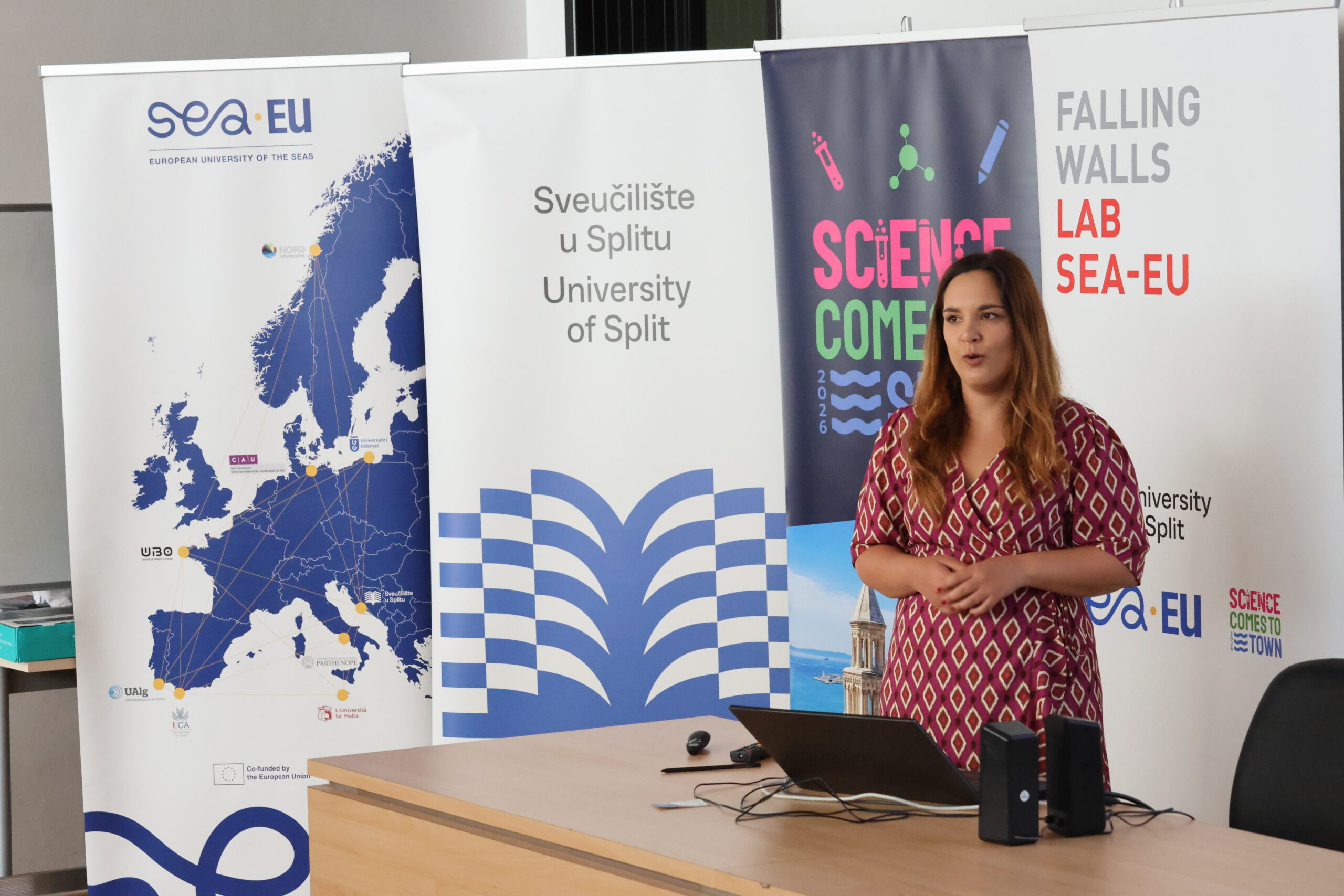
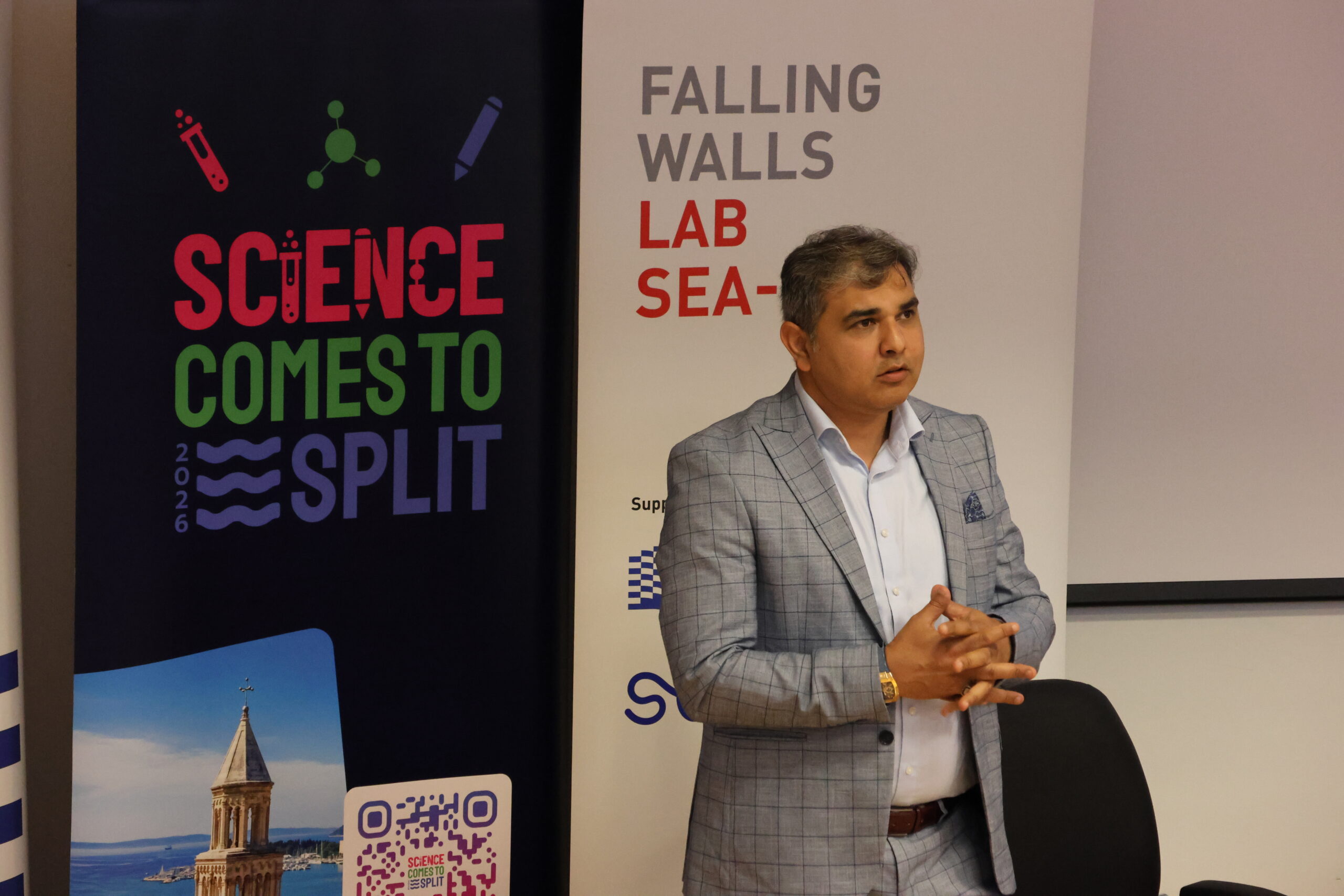
The event was officially opened by Prof. Dragan Ljutić, Rector of the University of Split, and Prof. Renata Pecotić, Dean of the School of Medicine, who welcomed participants and emphasised the importance of international cooperation, scientific excellence and the role of young researchers in shaping the future of Europe. Participants were also introduced to the University of Split, the SEA-EU Alliance and the Science Comes to Town initiative through presentations delivered by Ana Ćosić, Head of the International Relations Office, Gordana Dujmović, Technical Manager of the SEA-EU 2.0 project, and Tonka Petričević, Head of the Department for Science, Projects and Knowledge Transfer. The opening programme concluded with an inspiring presentation on the Falling Walls concept and philosophy by Dr. Umair Najeeb Mughal, Senior HEU Advisor at Nord University.
In her opening address, Dean Renata Pecotić highlighted the significance of this year’s competition as the first edition organised across the SEA-EU Alliance, noting that the selected participants had already achieved remarkable success by reaching the final stage. She encouraged them to present their ideas with confidence, authenticity and passion, reminding them that one of them would go on to represent the entire Alliance on the global stage in Berlin.
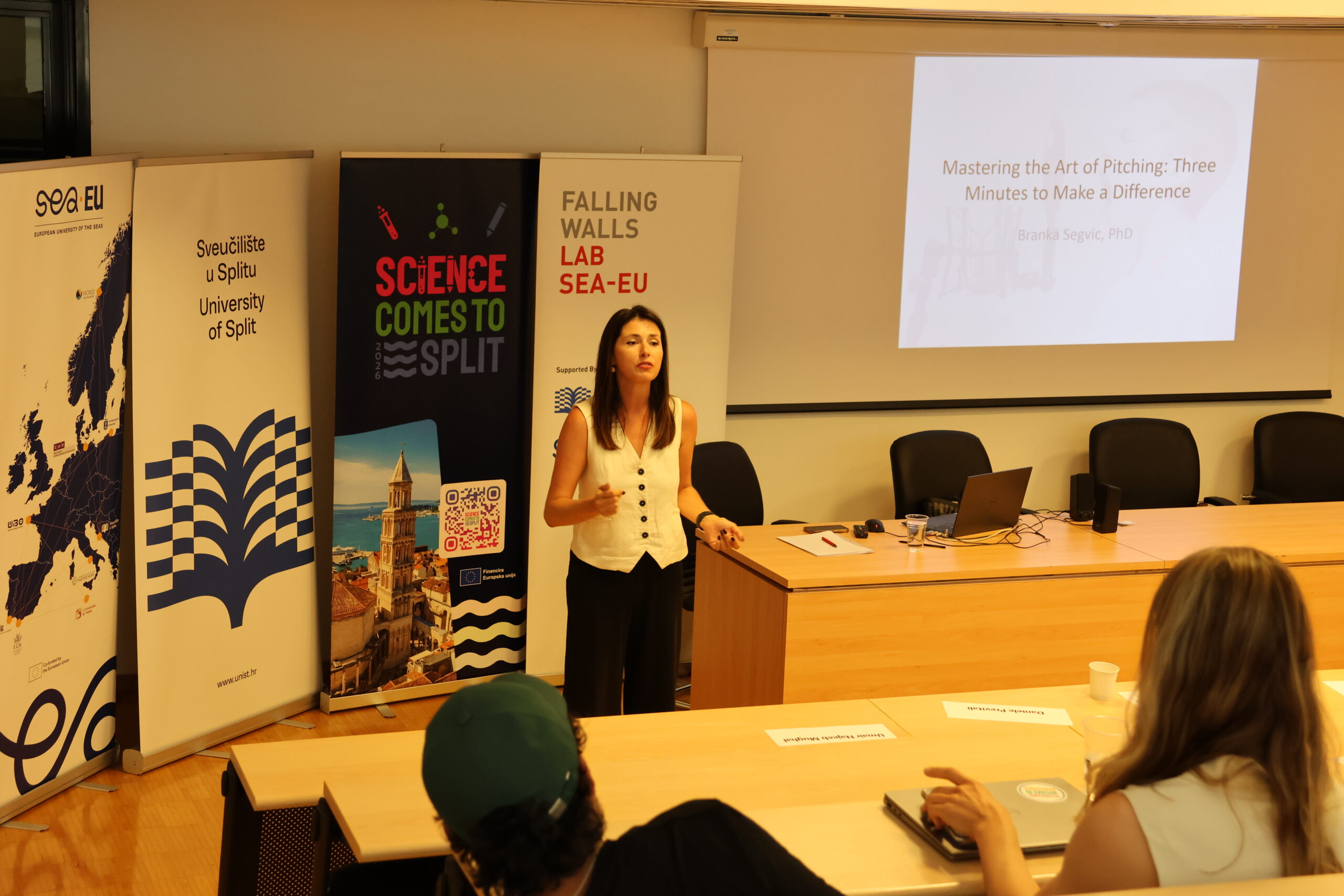
The first day also featured a panel discussion titled “The Role of Science Communication in Society,” moderated by Dr. Umair Najeeb Mughal. The panel brought together Prof. Katarina Vukojević (University of Split School of Medicine), Prof. Manuel Célio Conceição (University of Algarve) and Associate Prof. Daniele Previtali (University of Naples Parthenope), who discussed the growing importance of science communication in increasing the societal impact of research, strengthening public trust in science and fostering interdisciplinary collaboration. Prior to the competition, participants also attended a science communication workshop led by Dr. Branka Šegvić, receiving practical guidance on communicating complex scientific ideas in a clear and engaging way.
The competition itself challenged participants to present their research in just three minutes, demonstrating not only scientific excellence but also their ability to communicate complex ideas to a broad audience. Their presentations were evaluated by an international jury composed of experts from four European countries according to the official Falling Walls criteria.
This year’s SEA-EU Falling Walls Lab was won by Cândida Cardoso, a second-year PhD candidate in Biomedical Sciences at the University of Algarve, with her presentation “Breaking the Wall of Early Breast Cancer Detection.” Her research explores the use of epigenetics to enable the early detection of breast cancer through a simple blood sample, offering promising prospects for future cancer diagnostics.
Second place was awarded to Rajalekshmi Narayana Sarma for her presentation “Breaking the Wall of Fertility Inequality,” while Zaira Zafroon claimed third place with “Breaking the Wall of Global Data: A Gut Metagenome Atlas of 180,000 Samples.”
The SEA-EU Falling Walls Lab 2026 was organised within the framework of the Science Comes to Town project and with the support of the SEA-EU Alliance. As one of the world’s most prestigious competitions for students, doctoral candidates and early-career researchers, Falling Walls Lab encourages participants to transform outstanding scientific ideas into compelling stories with the potential to create real societal impact.
By hosting the first Alliance-wide edition of the competition, the University of Split reaffirmed its commitment to fostering innovation, strengthening European cooperation and empowering the next generation of researchers. Cândida Cardoso will now represent the SEA-EU Alliance at the global Falling Walls Lab Finale in Berlin, where she will present her breakthrough idea alongside winners from around the world.