
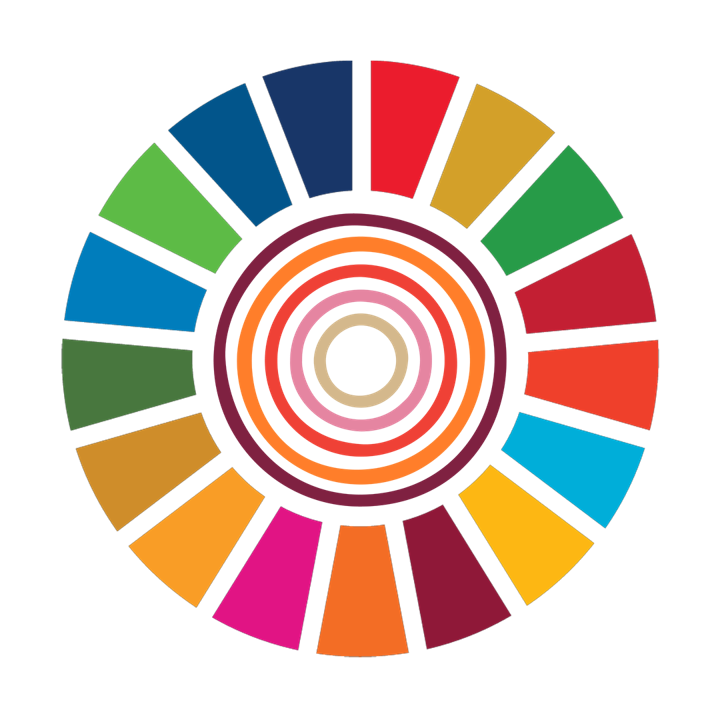
In 2015, the Sustainable Development Goals (SDGs) established a comprehensive framework for achieving a more sustainable world by 2030.
While significant knowledge has been generated on issues such as climate change, poverty, public health and social inequality, many of the challenges outlined in the SDGs continue to require deeper individual and collective capacities to be effectively addressed.
Although there is broad understanding of what needs to be achieved, progress towards the SDGs has often fallen short of expectations. Technical solutions and public policies remain essential, but on their own they are not sufficient to drive the transformative change required.
An important element that has often been overlooked is the development of the skills, qualities and mindsets needed by individuals, groups and organisations to navigate complexity, collaborate effectively and contribute to sustainable development.
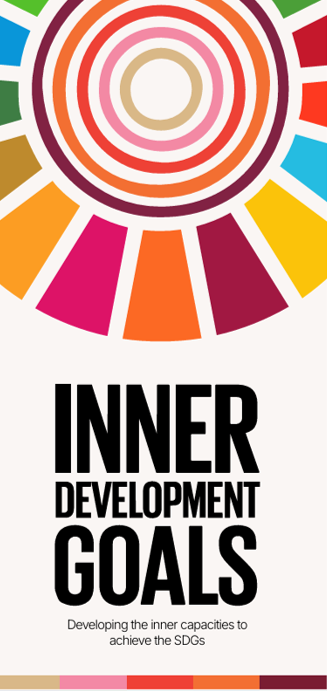
Research increasingly demonstrates that these inner capacities can be cultivated and strengthened. The Inner Development Goals (IDG) initiative emerged from this understanding, providing a framework of skills and qualities designed to support the achievement of the SDGs and enable meaningful societal transformation.
(Adapted from the official Inner Development Goals (IDG) website)
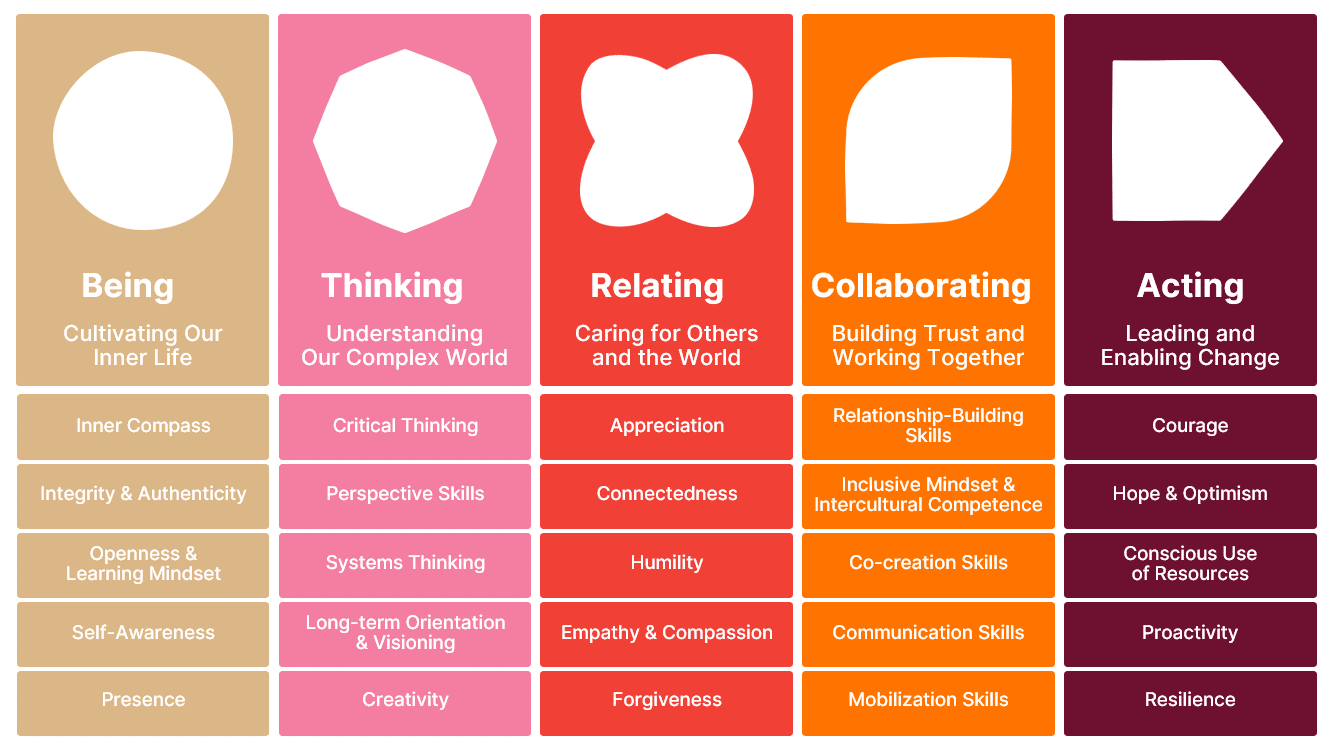
The IDGs provide a framework of transformative skills and qualities that support individuals and organisations in contributing more effectively to the SDGs. Achieving the SDGs requires more than policies and strategies — it requires inner growth, awareness and leadership.
The Inner Development Guide embodies the principle that inner growth is a prerequisite for sustainable outer change. It offers a common language that connects personal transformation to systemic transformation, from self-awareness to societal wellbeing.
As individuals, organisations, and communities apply these skills, they contribute to a collective shift toward regenerative cultures and economies. The Guide thus serves as both a mirror (reflecting our inner capacities) and a map (guiding action for global transformation).
By cultivating these 25 skills across five dimensions, we nurture the human foundations needed to realise the Sustainable Development Goals and ensure flourishing futures for people and planet.
Sustainable development is not only a technical challenge — it is a human one. The IDGs help foster the mindset and capabilities needed to navigate complexity, uncertainty and global challenges.
SEA-EU is proud to be part of the Inner Development Goals network, contributing to a more sustainable and conscious academic community.
Within SEA-EU, the IDGs can help strengthen the inner capacities our university communities need to learn, lead, collaborate, and act responsibly in times of complexity and change.
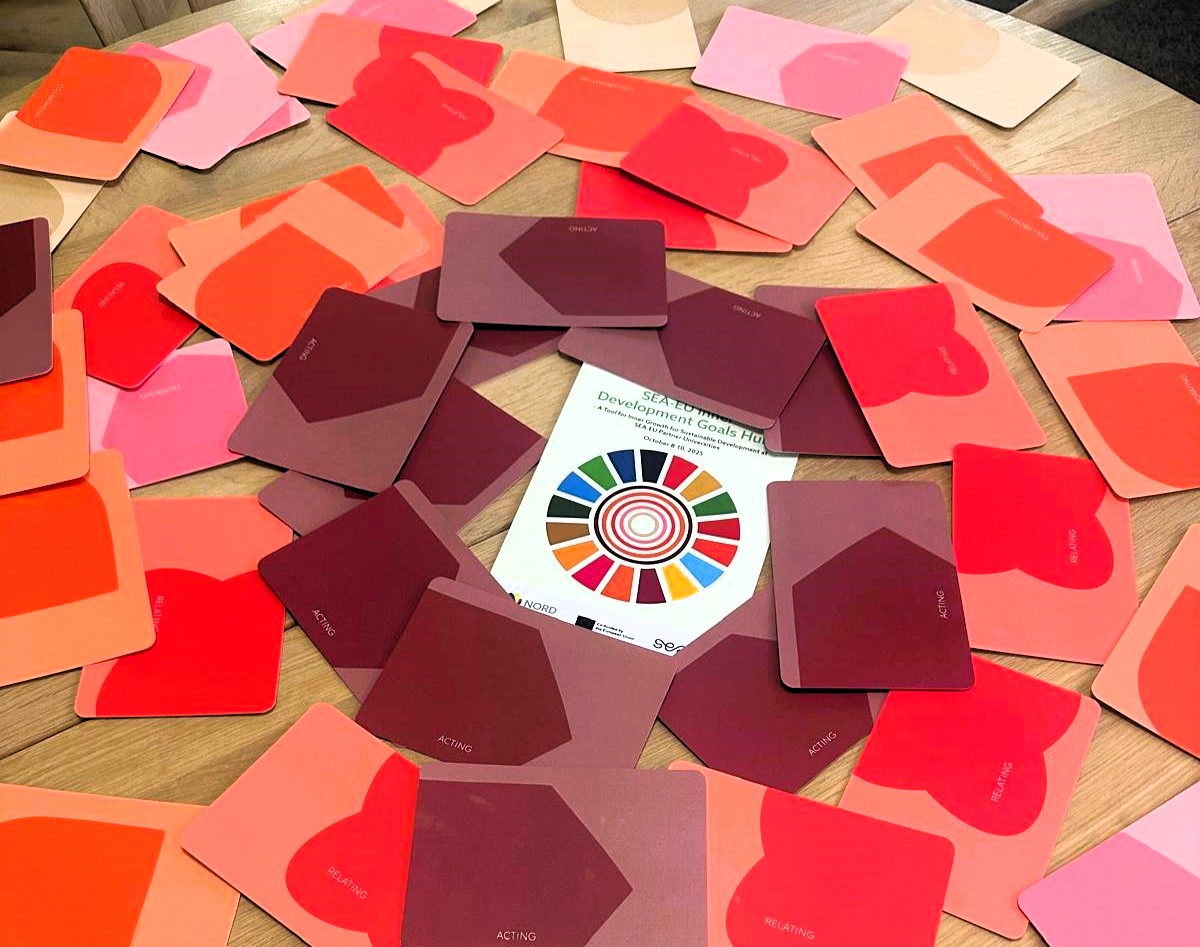
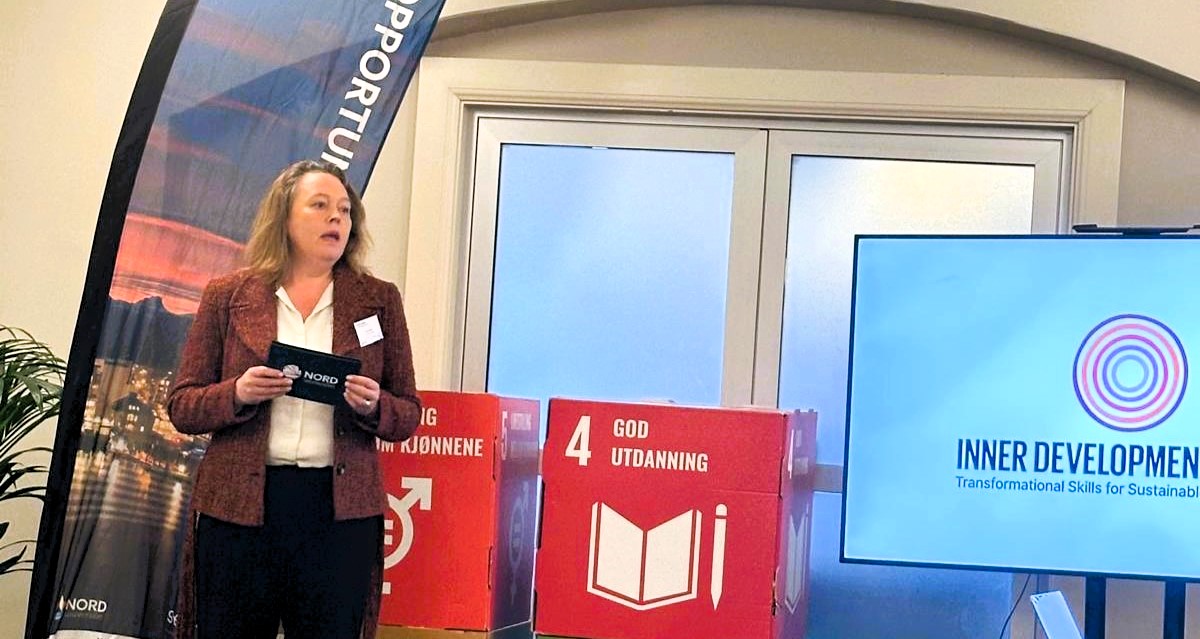
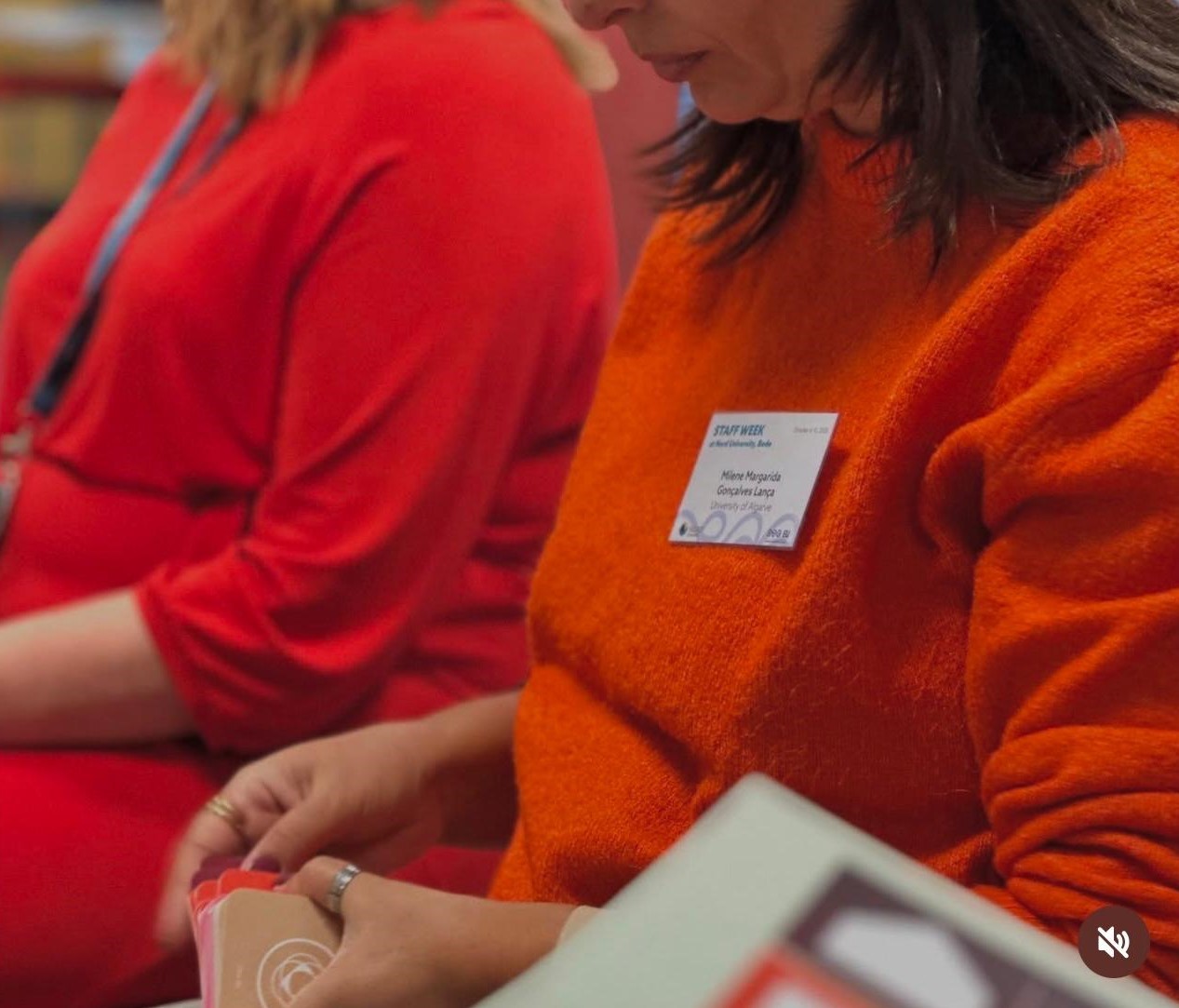
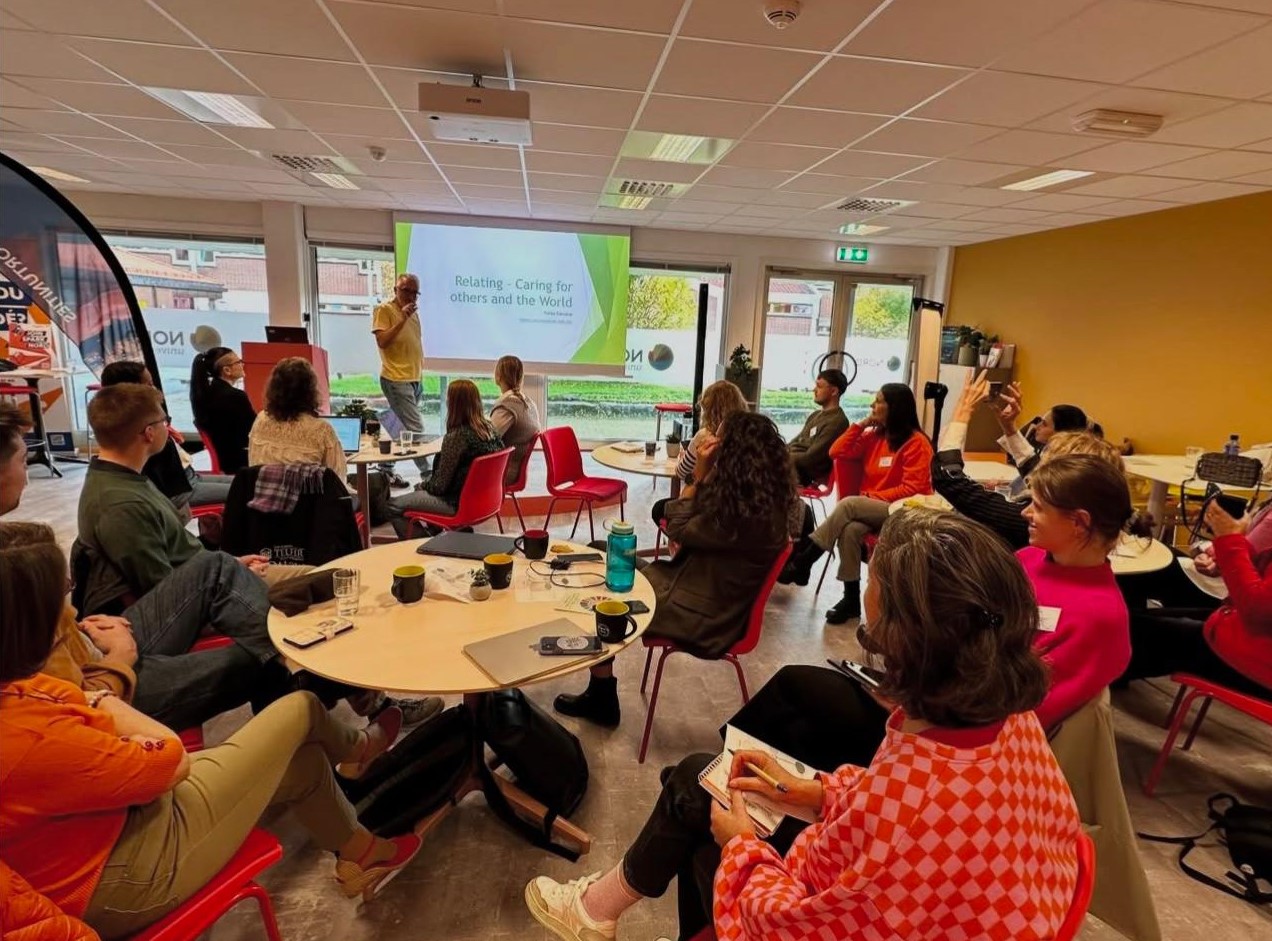
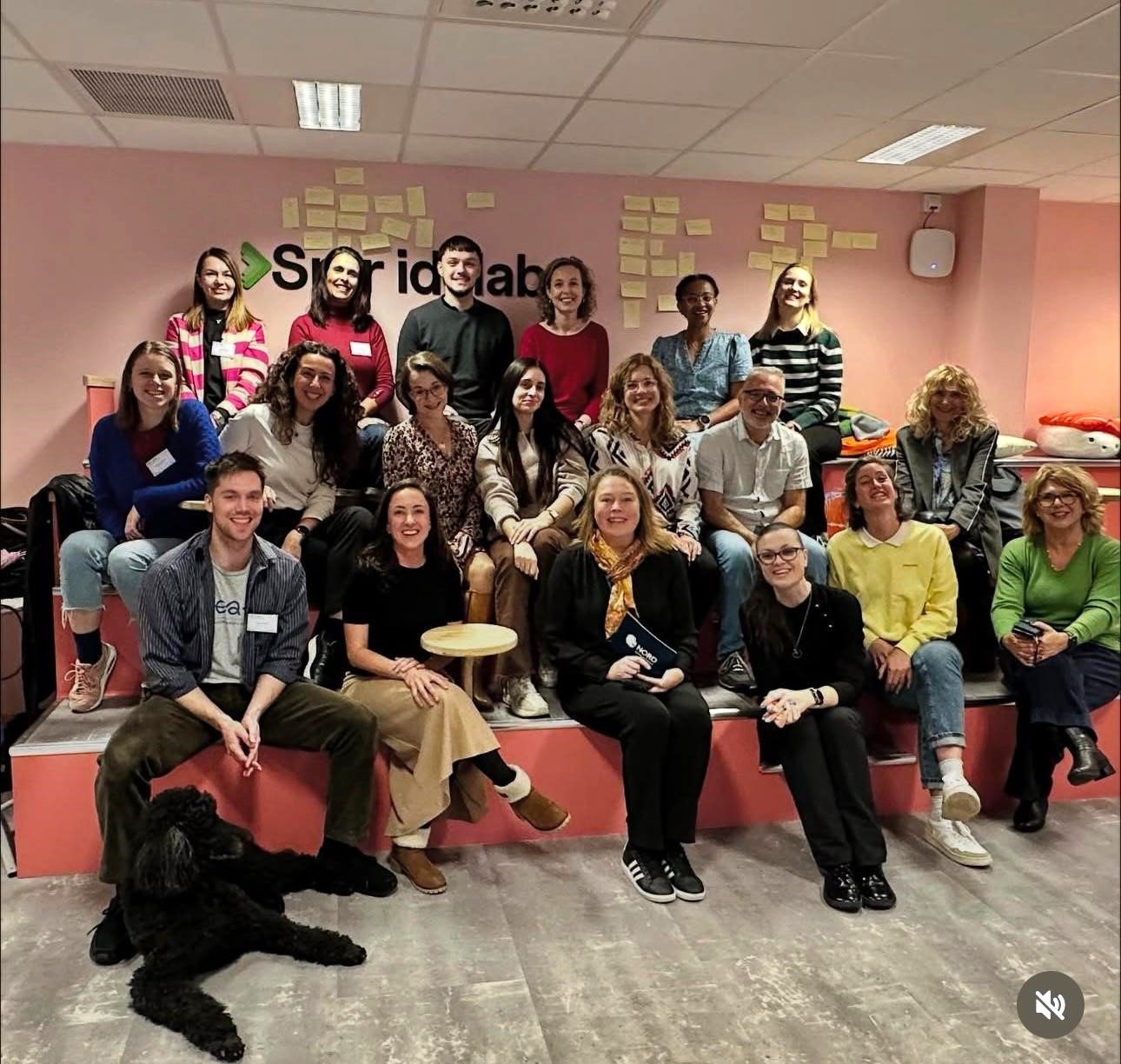
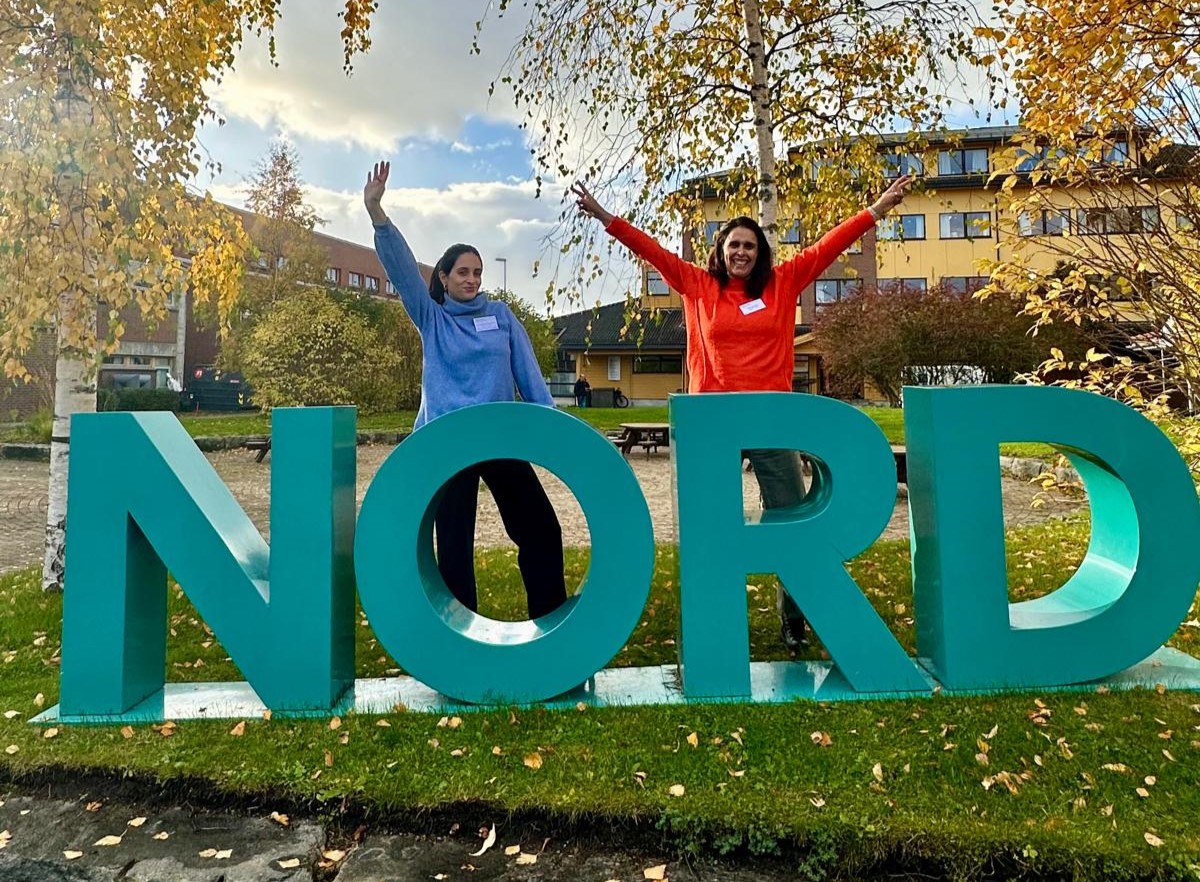
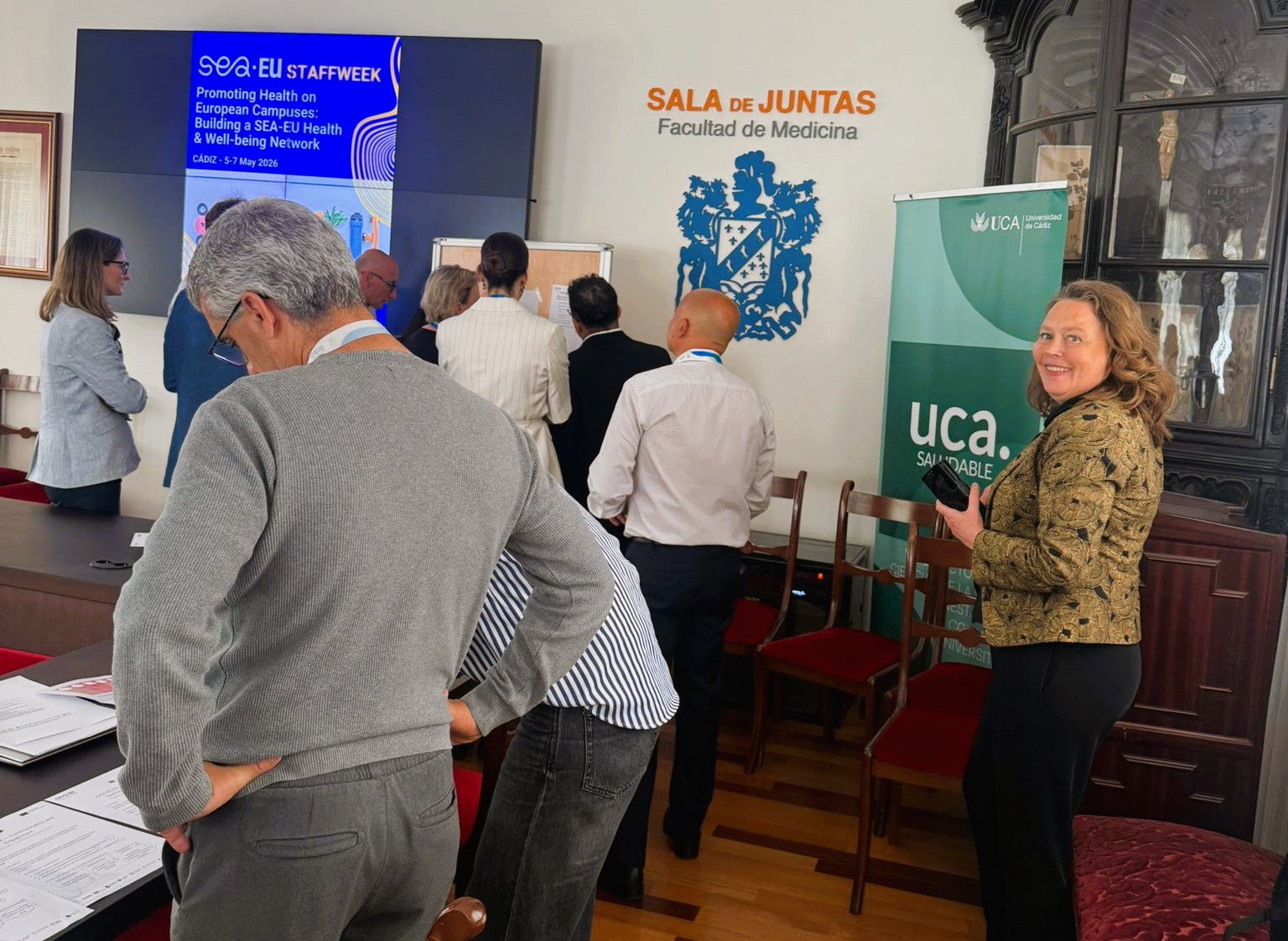
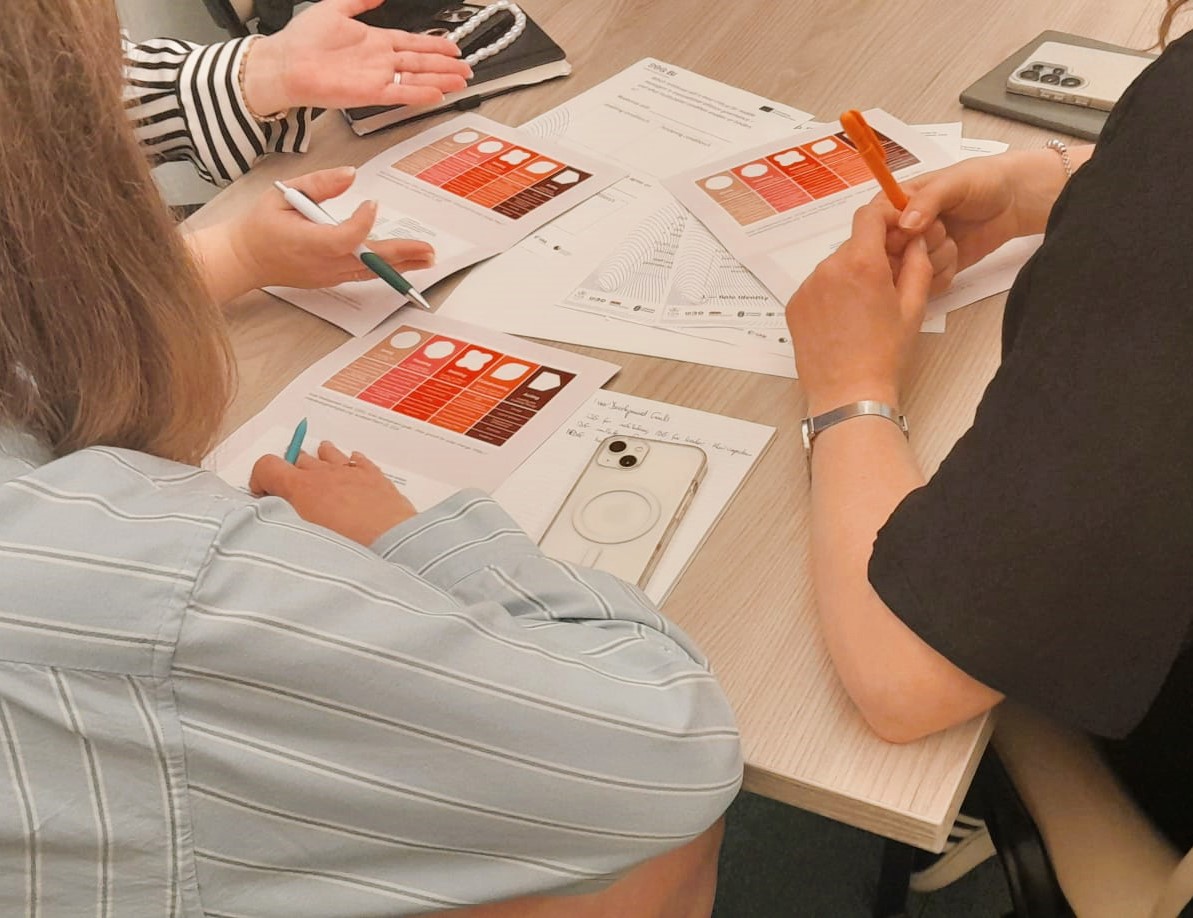
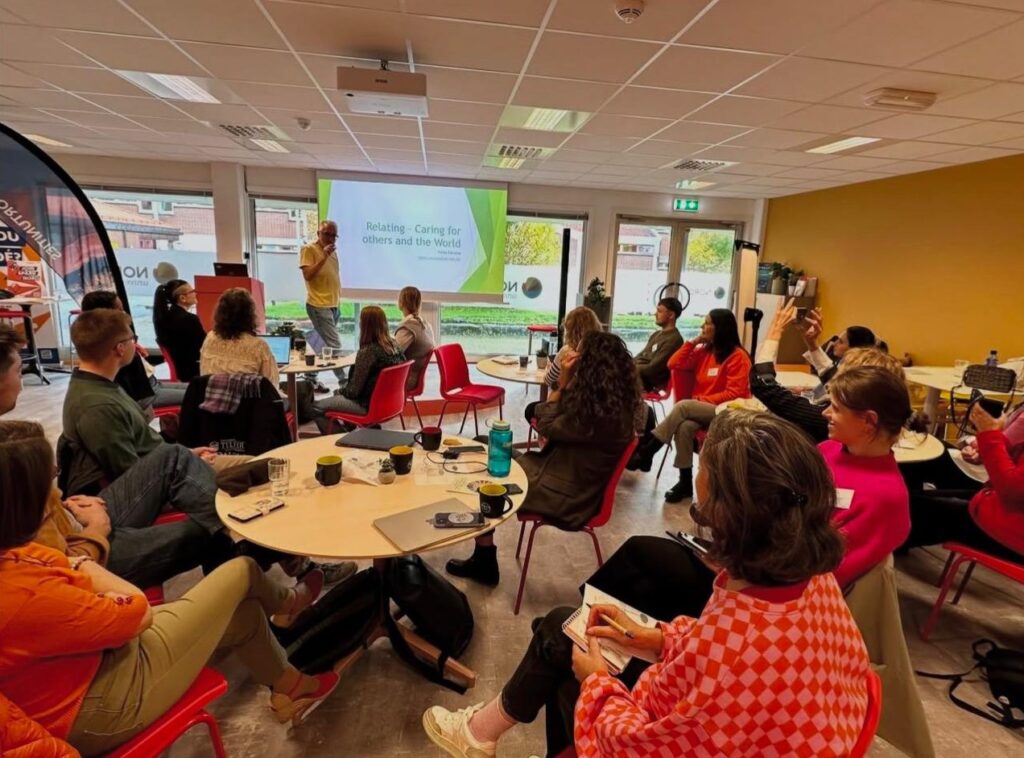
Held from 8 to 10 October 2025 at Nord University, Norway, the SEA-EU Inner Development Goals (IDG) Hub Staff Week brought together staff from across the alliance to explore the role of inner development in advancing sustainability in higher education. Through workshops, discussions and collaborative activities, participants engaged with the IDG Framework and reflected on how its principles can support personal growth, institutional transformation and positive societal impact.
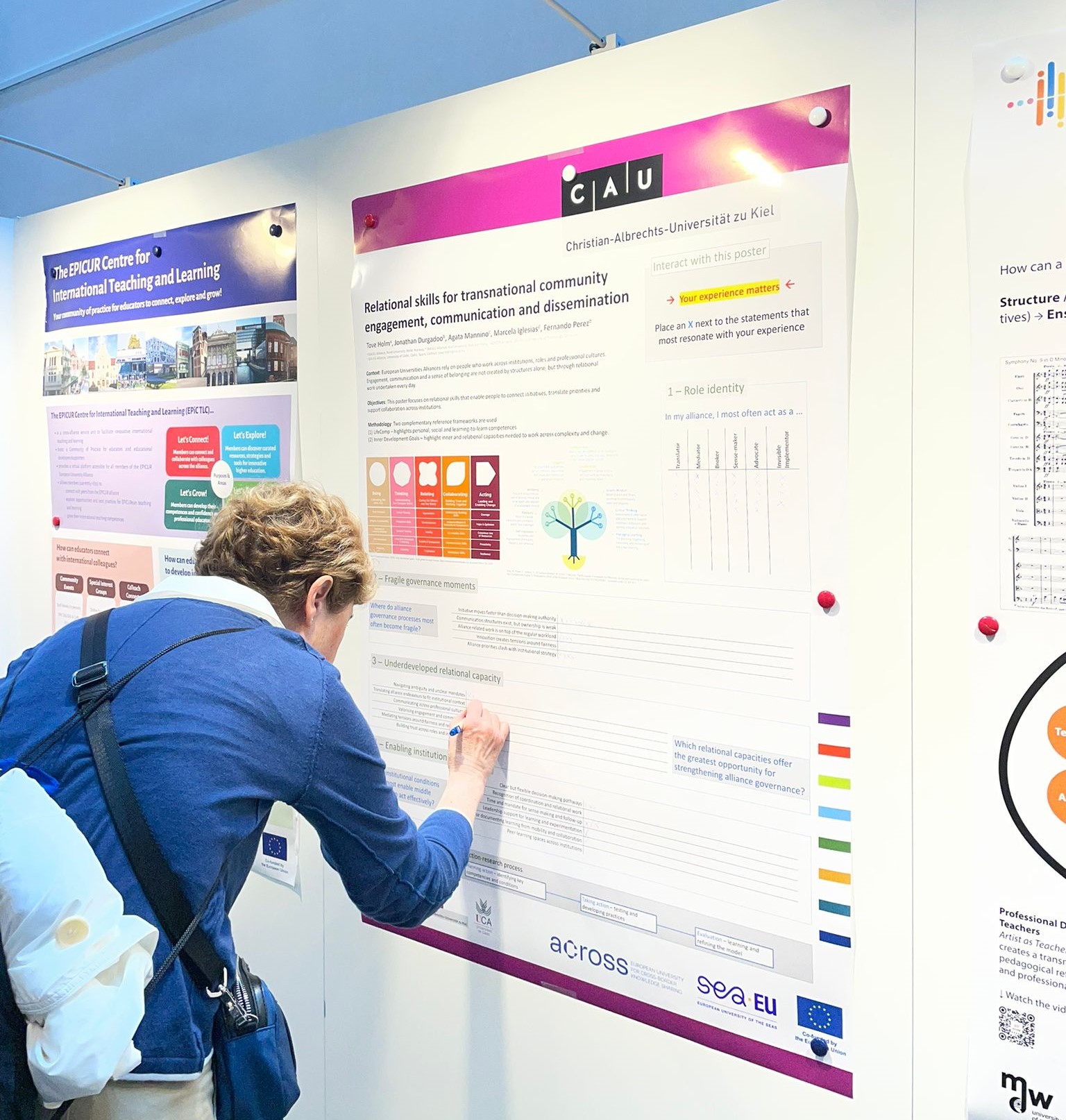
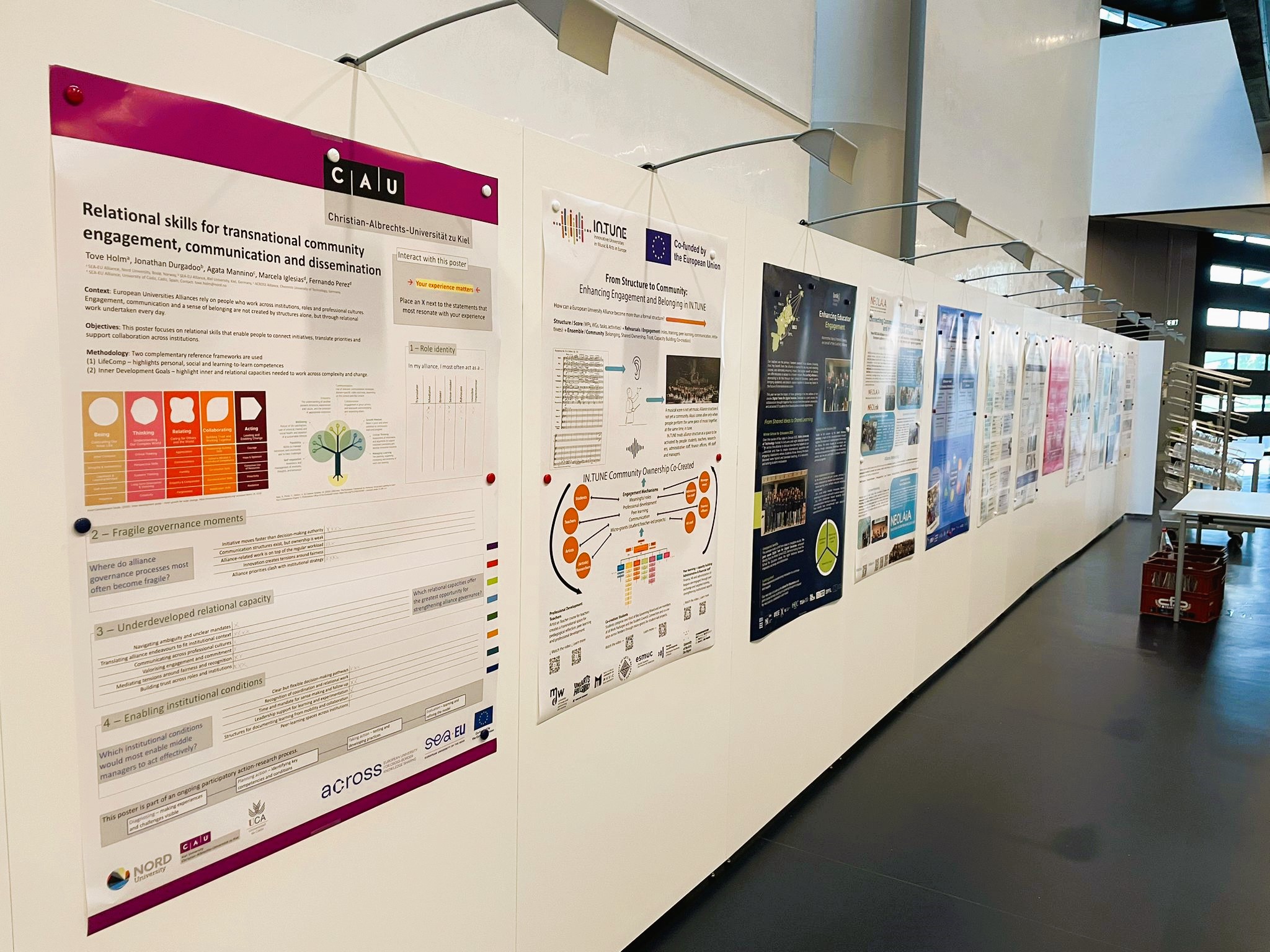
As part of the IDG Hub activities, ongoing action research is being conducted, focusing on the co-design of relational skills needed for effective transnational governance within European University Alliances. This work is a collaboration between SEA‑EU and ACROSS.
So far, three workshops have been carried out within SEA‑EU:
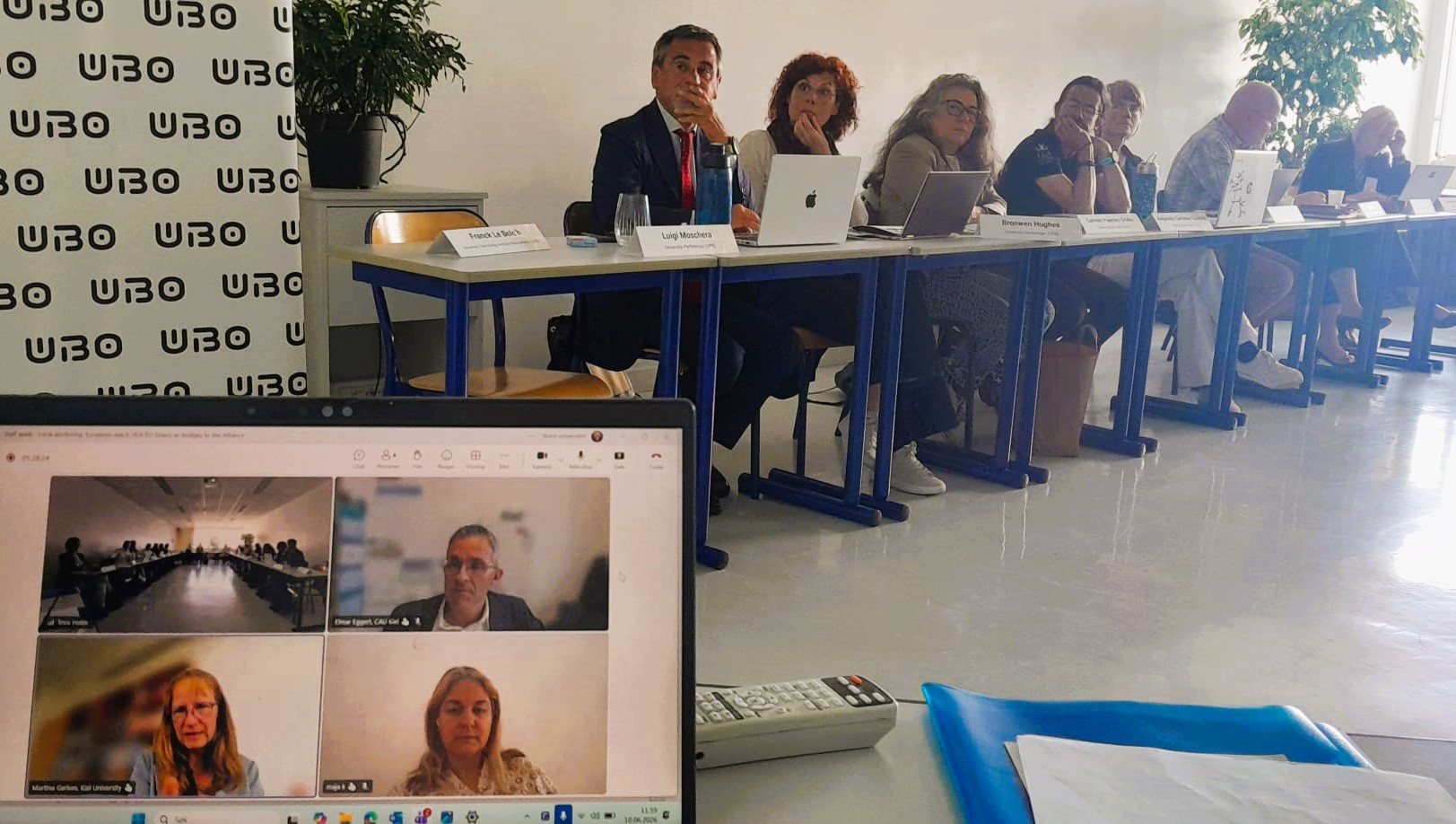
In addition, the work has been presented more broadly through an interactive poster at the FOREU4ALL workshop in Strasbourg (June 2026).
Contact:
Tove Holm, Nord University, tove.holm@nord.no

The SEA-EU IDG Network was meaningfully represented at the 3rd European University of the Seas SEA-EU Society Hub Conference “University and Society – Creating Value Through Engagement”, hosted by the University of Split.
The contributions explored the Inner Development Goals from several complementary angles: responsible management education, university–society engagement, culture and art, and ecocultural identity.
📌 Olga Høegh-Guldberg and Kaspar Bredahl Rasmussen, Nord University “From Classroom to Society: A Transformative Peer Teaching Model for Responsible Management Education”;
📌 Morena Galesic Divic and Eli Marušić, University of Split “Exploring Inner Development Goals in Higher Education: A Small Step Toward More Meaningful University–Society Engagement”;
📌 Dr. Censu Caruana, CEER – University of Malta “The IDGs and Culture — Why the SDGs Are Stalling and How Art Can Save Them”;
📌 Dr Nayr Ibrahim and Marit Solstad, Nord University “Ecocultural Identity: Creating Awareness of Who We Are and What We Want to Be in a Future Scenario”.
Across these sessions and workshops, the IDGs were not treated only as a conceptual framework, but as a living language for higher education: how we teach, how we engage, how we relate, and how we cultivate the inner capacities needed for more responsible futures.
More information on these IDG-related contributions can be found in the Conference Book of Abstracts, available for download here.
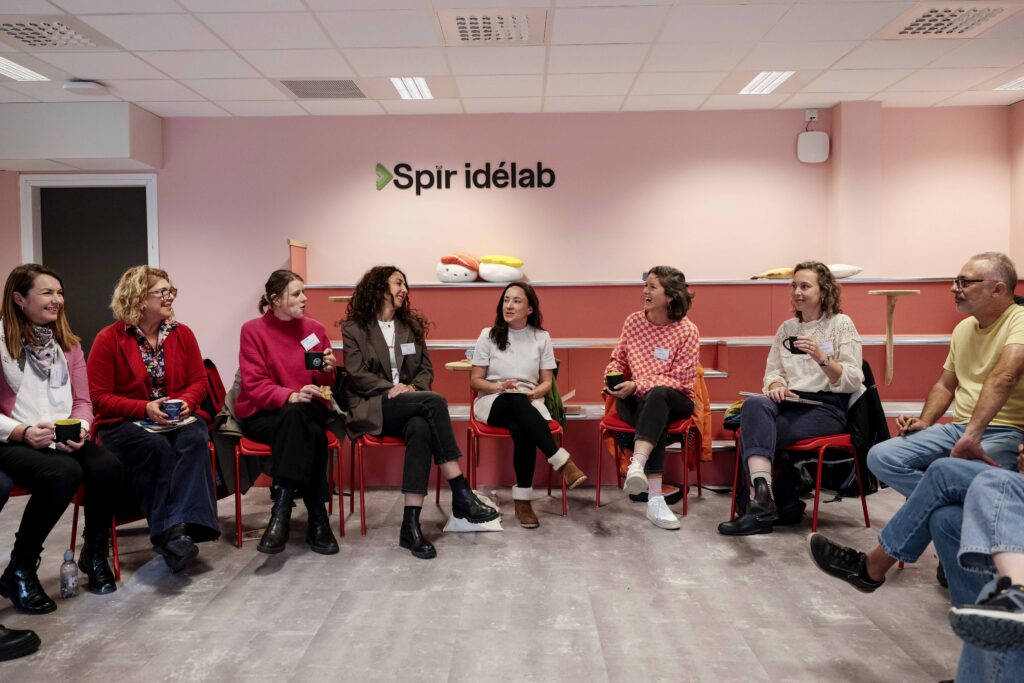
The SEA‑EU IDG Hub Network meets regularly to exchange experiences, develop collaboration, and explore the integration of the Inner Development Goals in higher education and institutional development.
Upcoming meetings, held at 1-2 pm on teams:
The meetings are open to new participants across the SEA‑EU alliance and beyond.
Those interested in joining are welcome to get in touch.
Contact:
Tove Holm, Nord University, tove.holm@nord.no
Funded by the European Union. Views and opinions expressed are however those of the author(s) only and do not necessarily reflect those of the European Union or the European Education and Culture Executive Agency (EACEA). Neither the European Union nor EACEA can be held responsible for them.