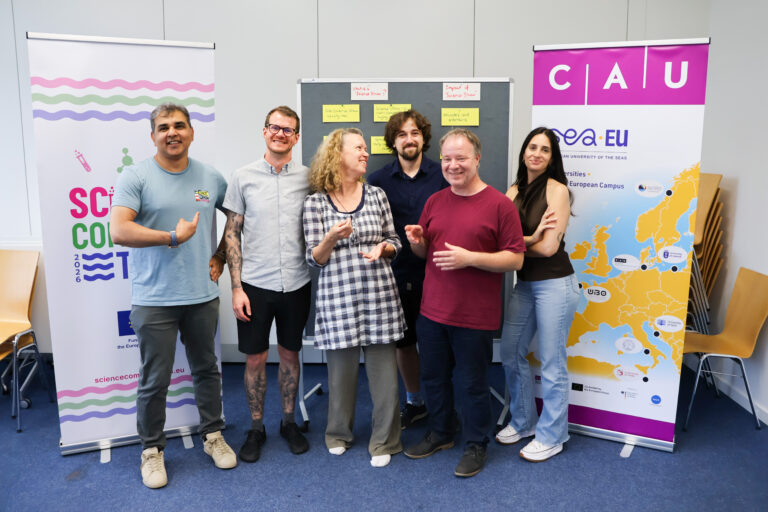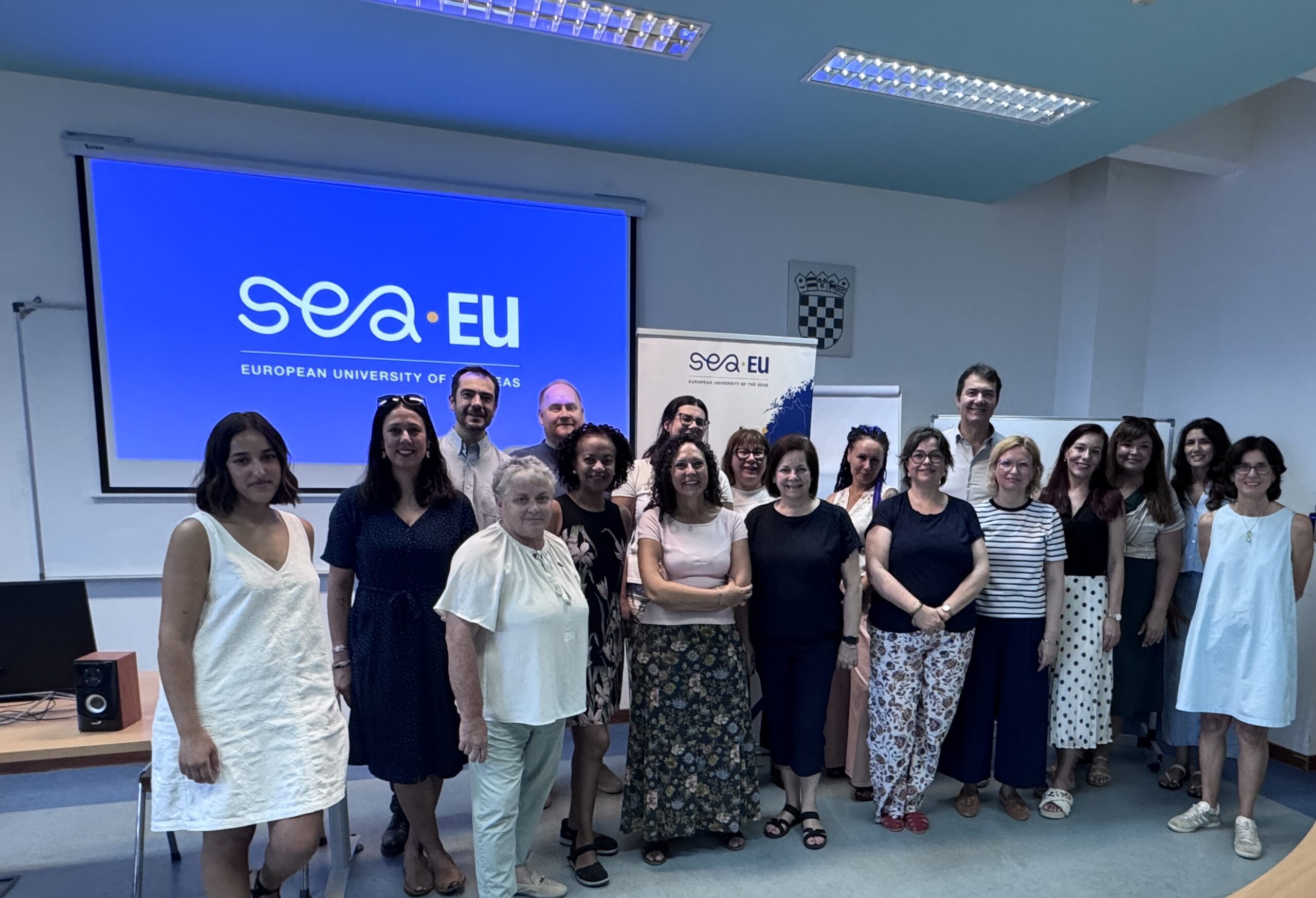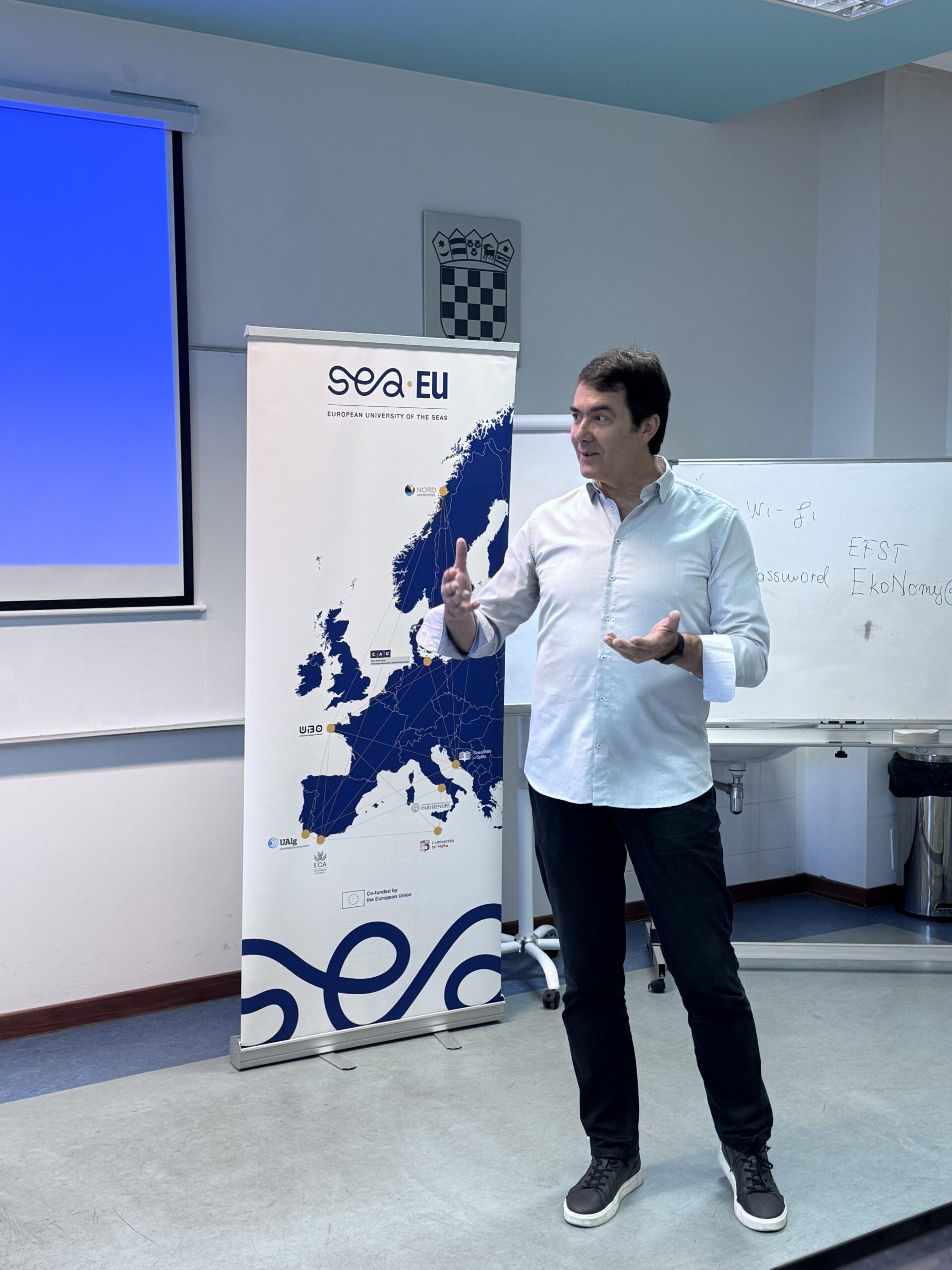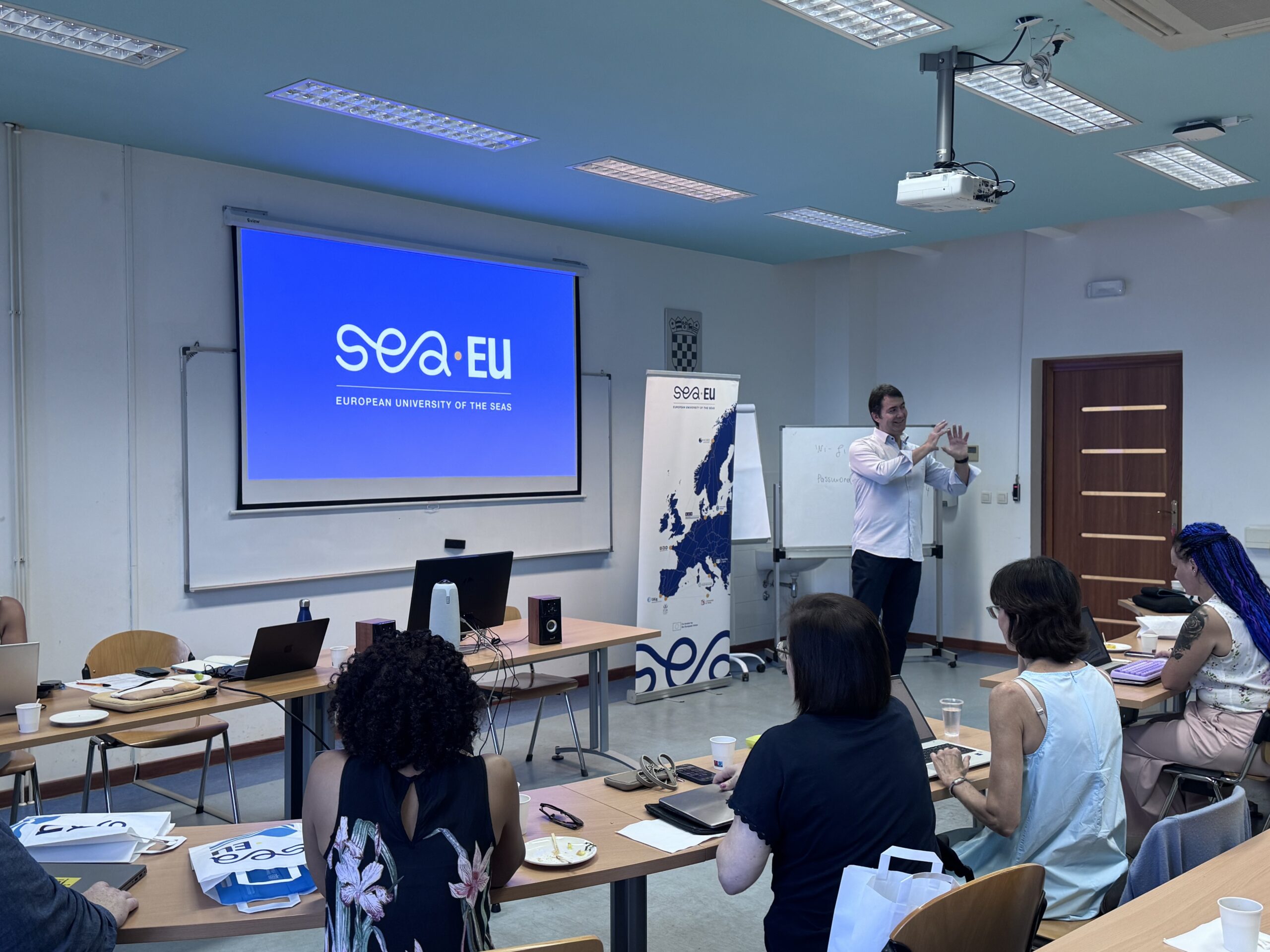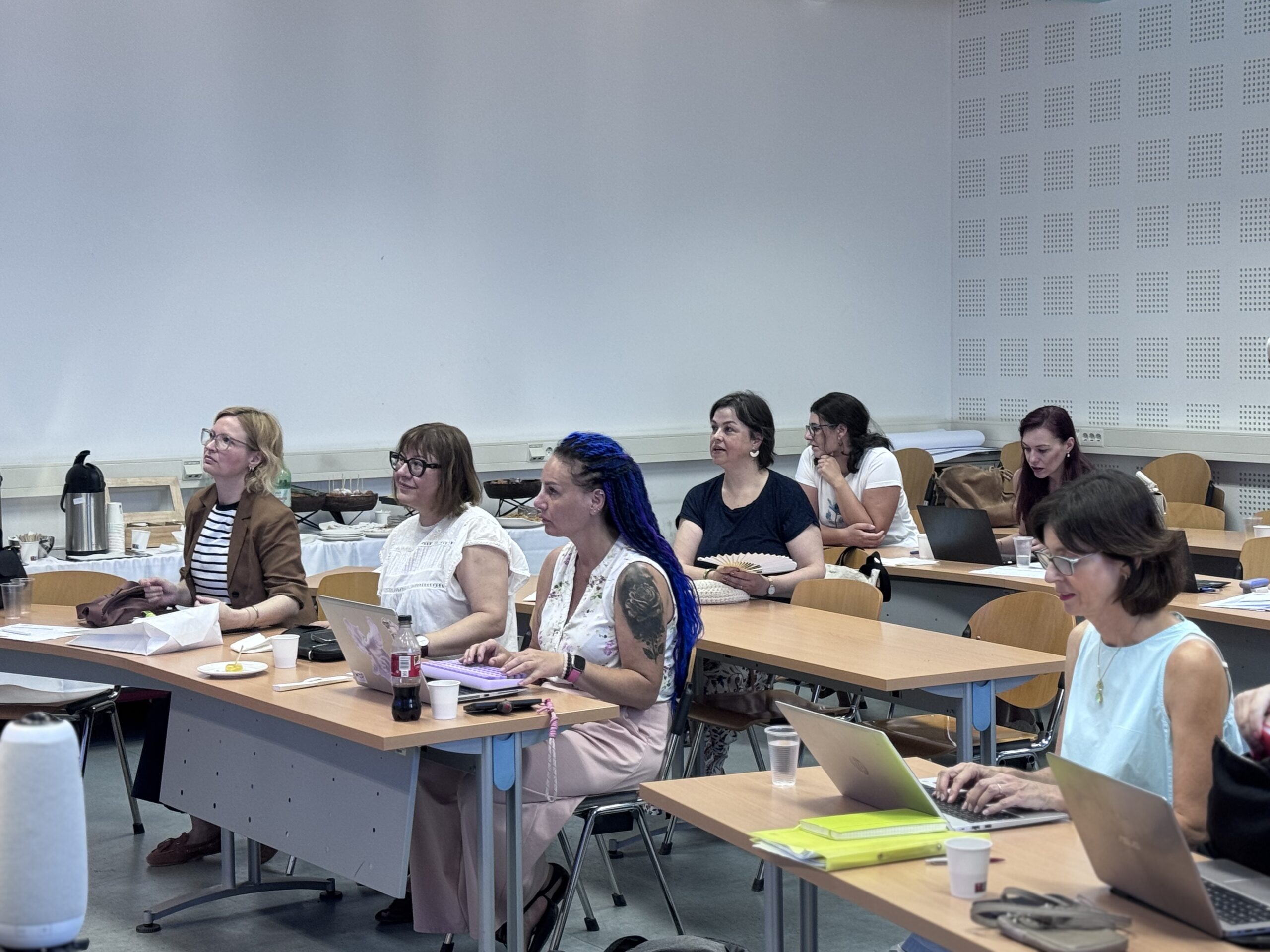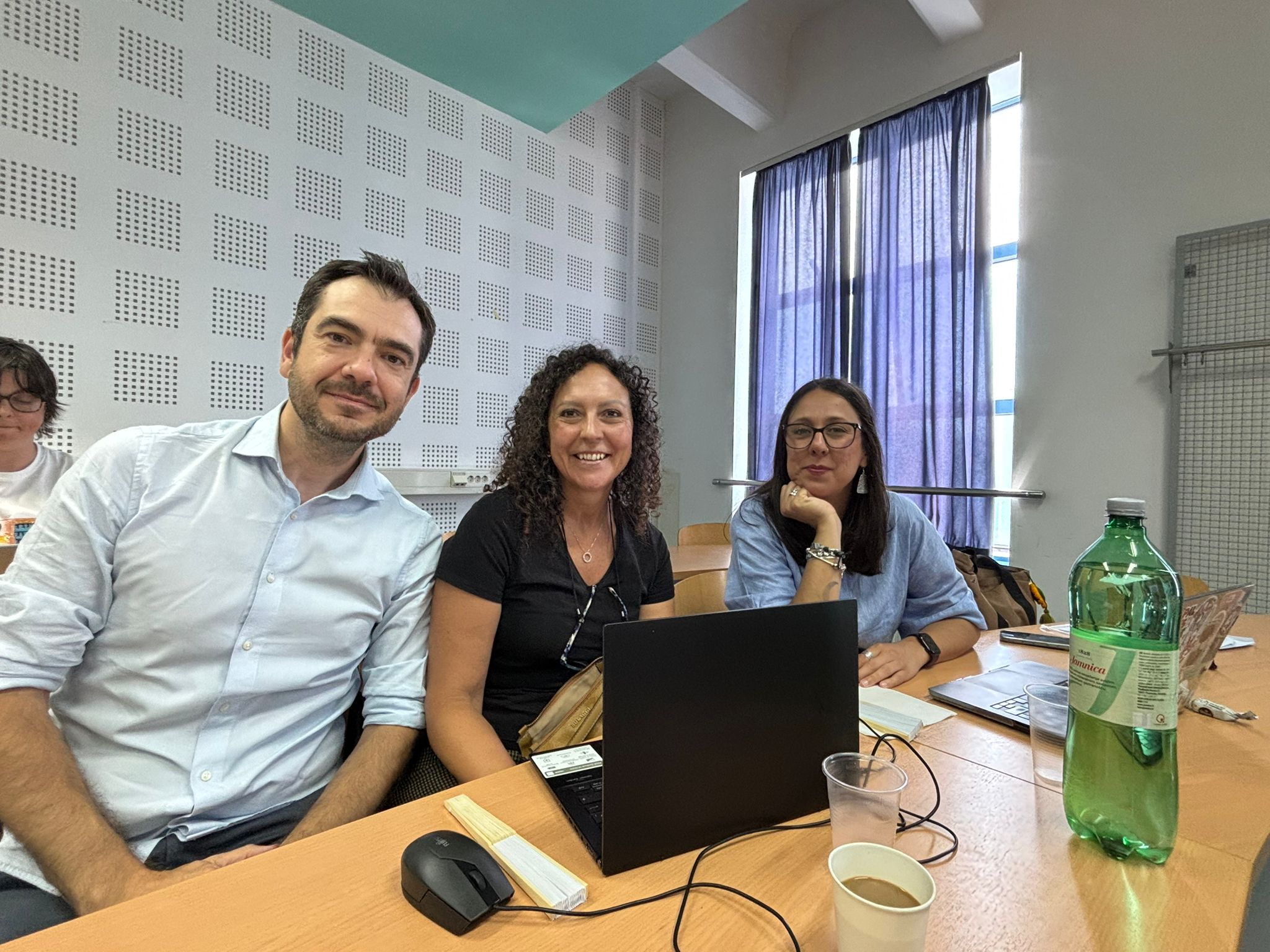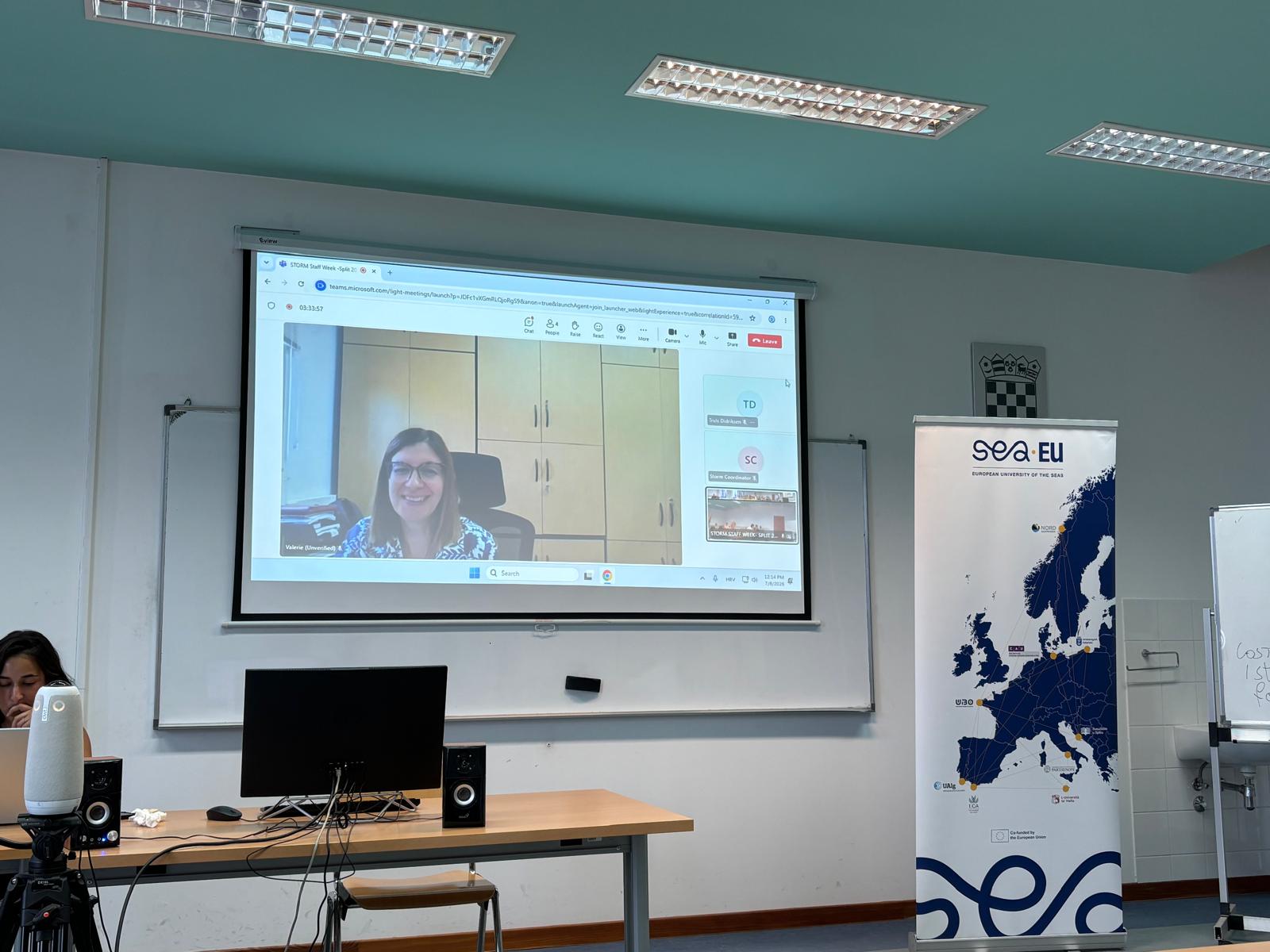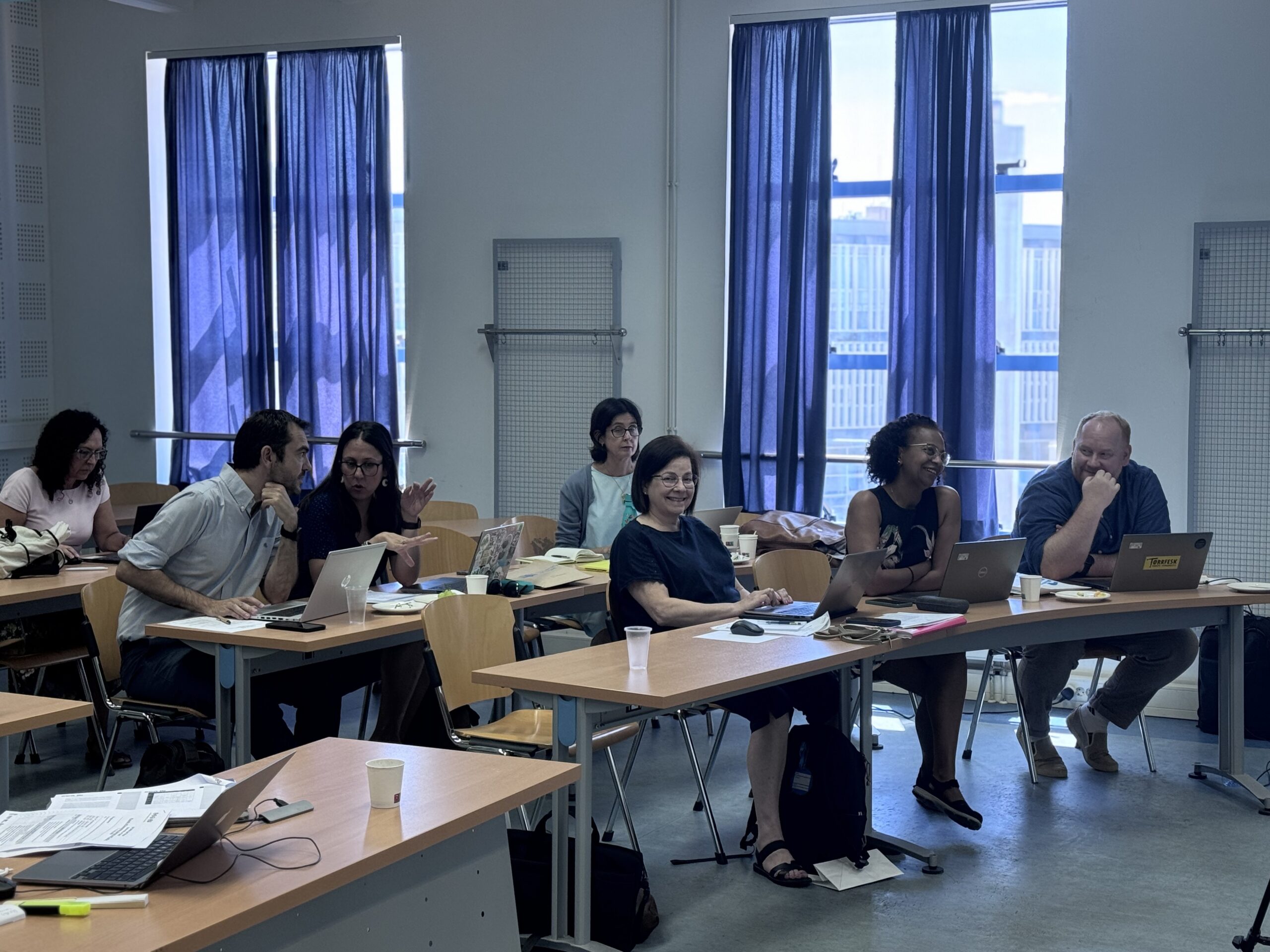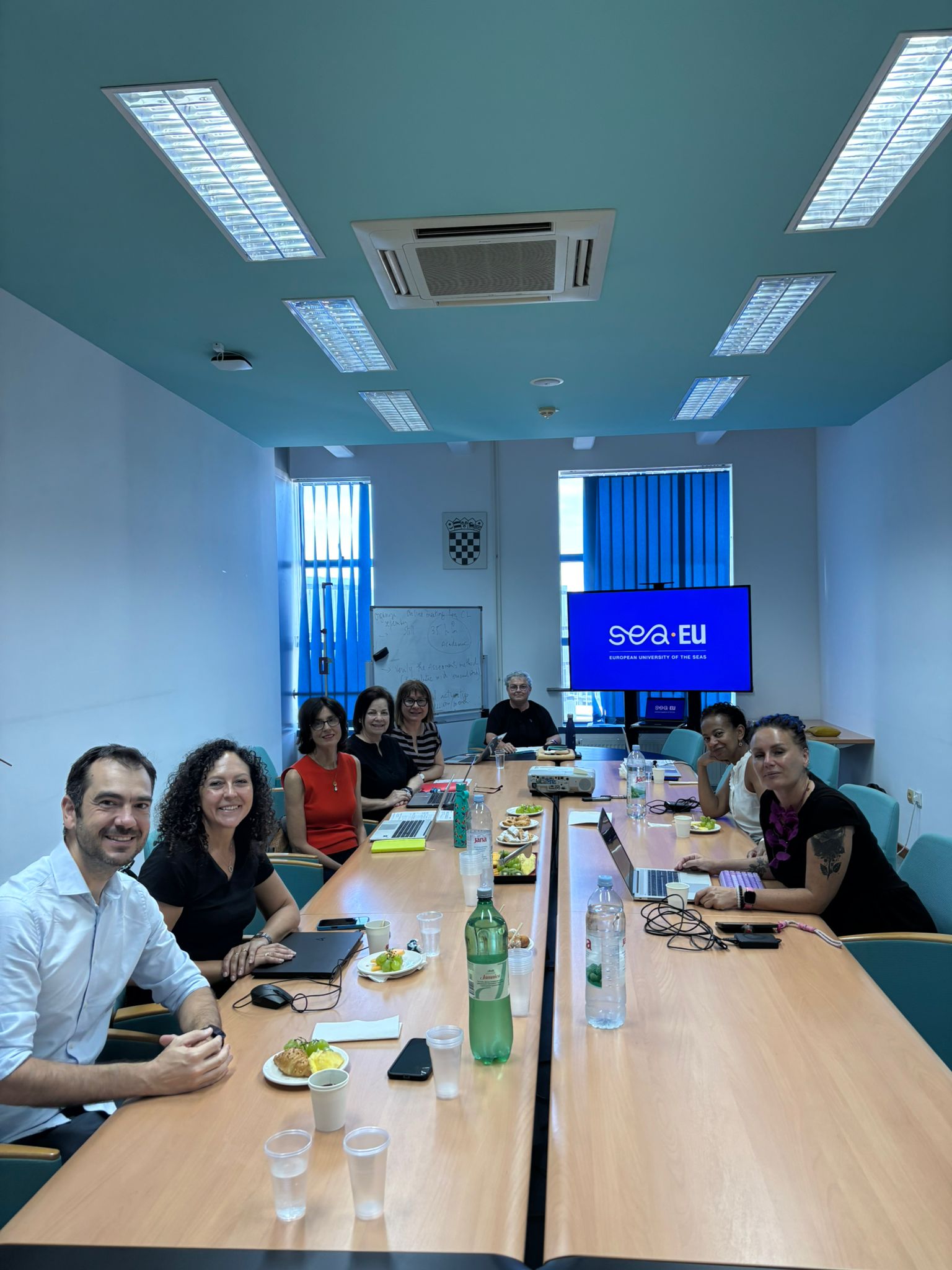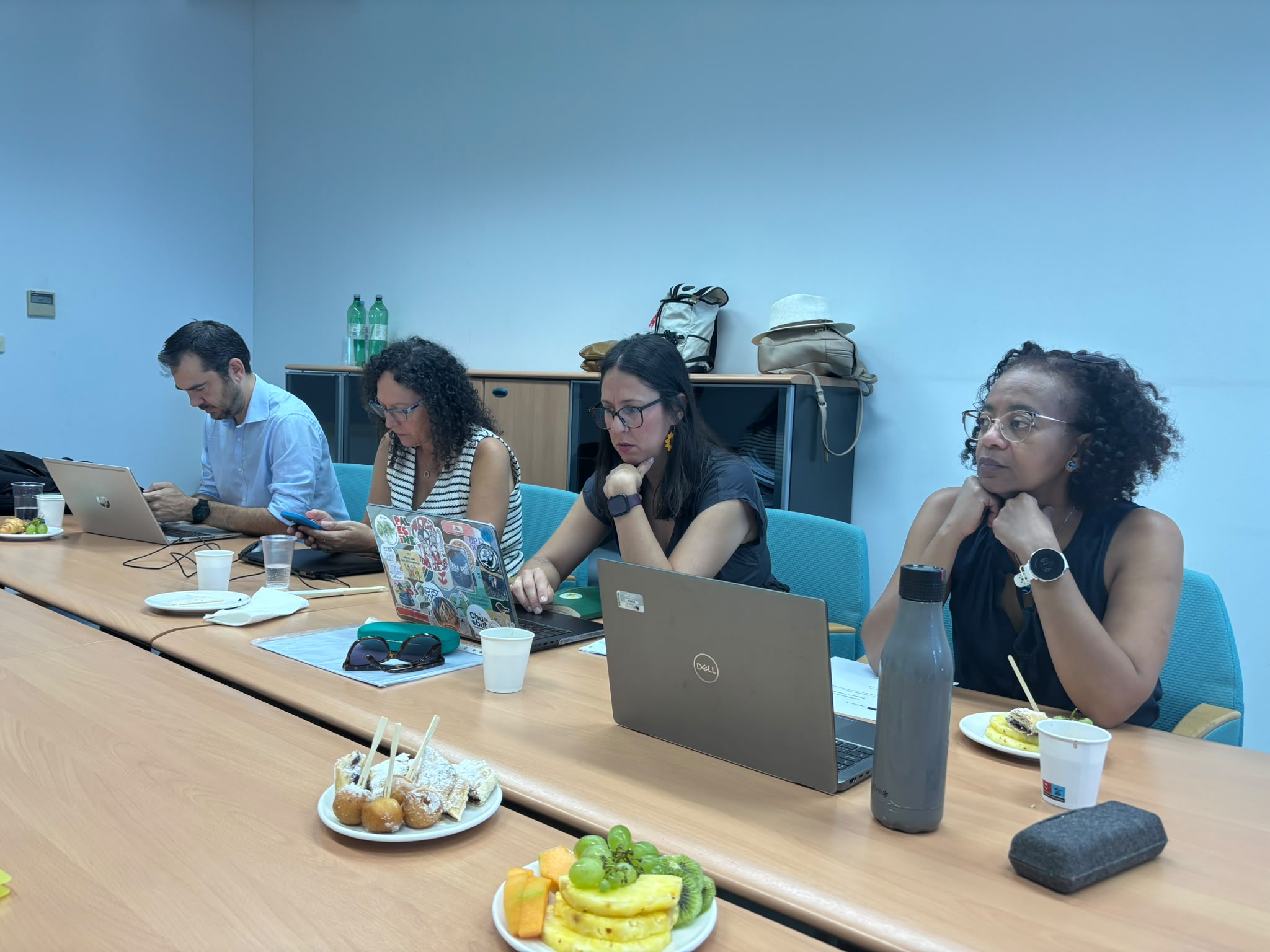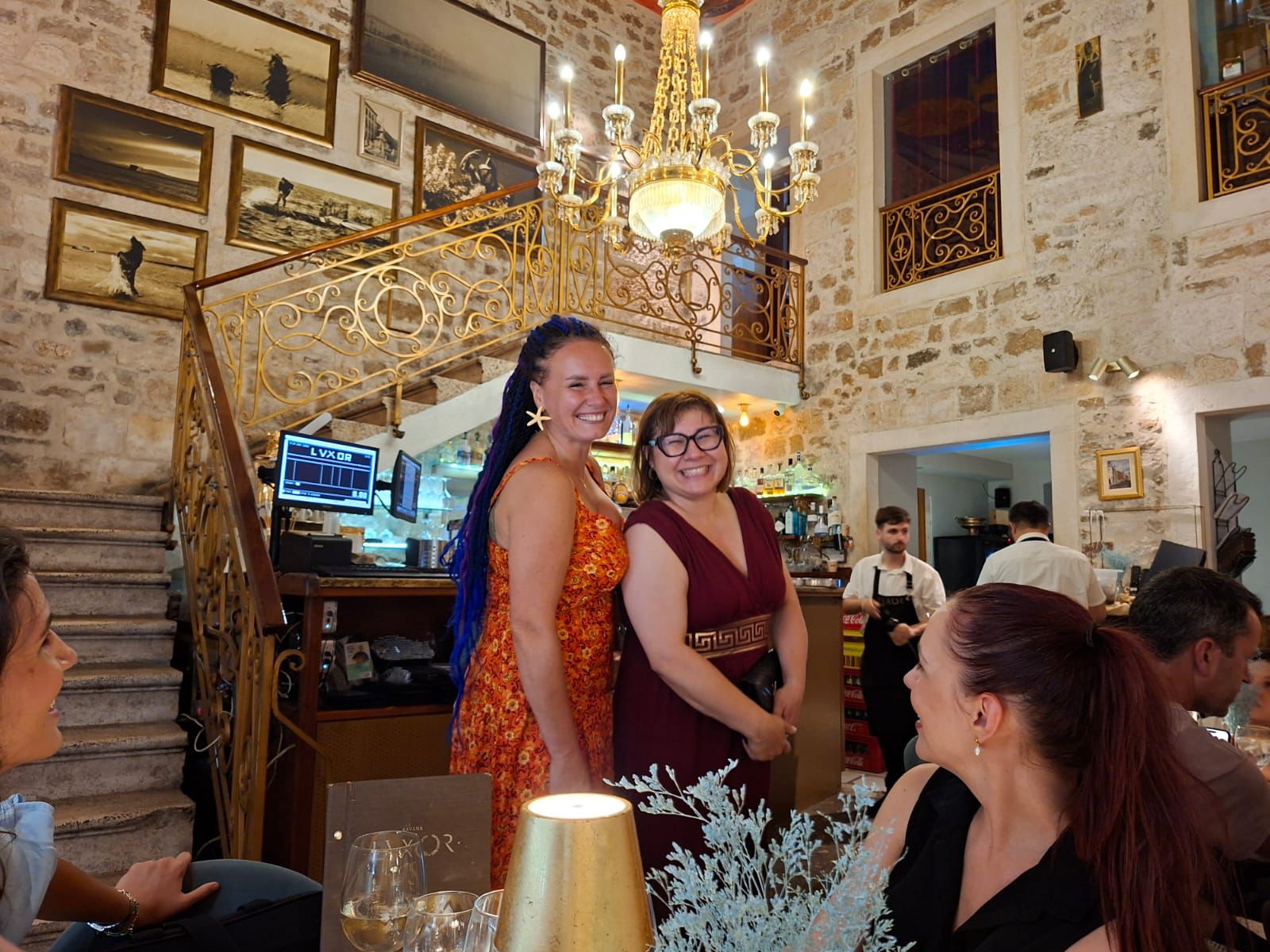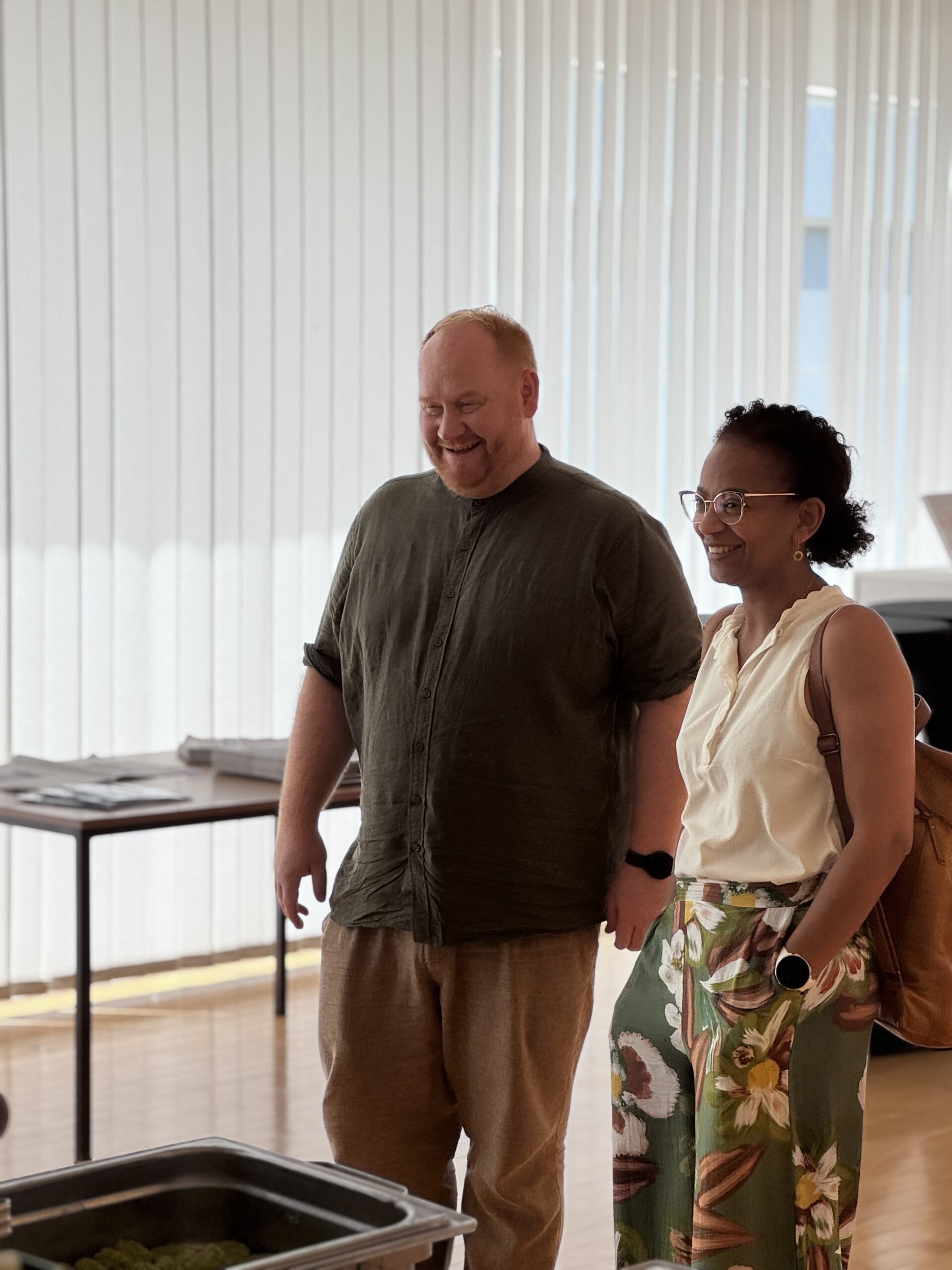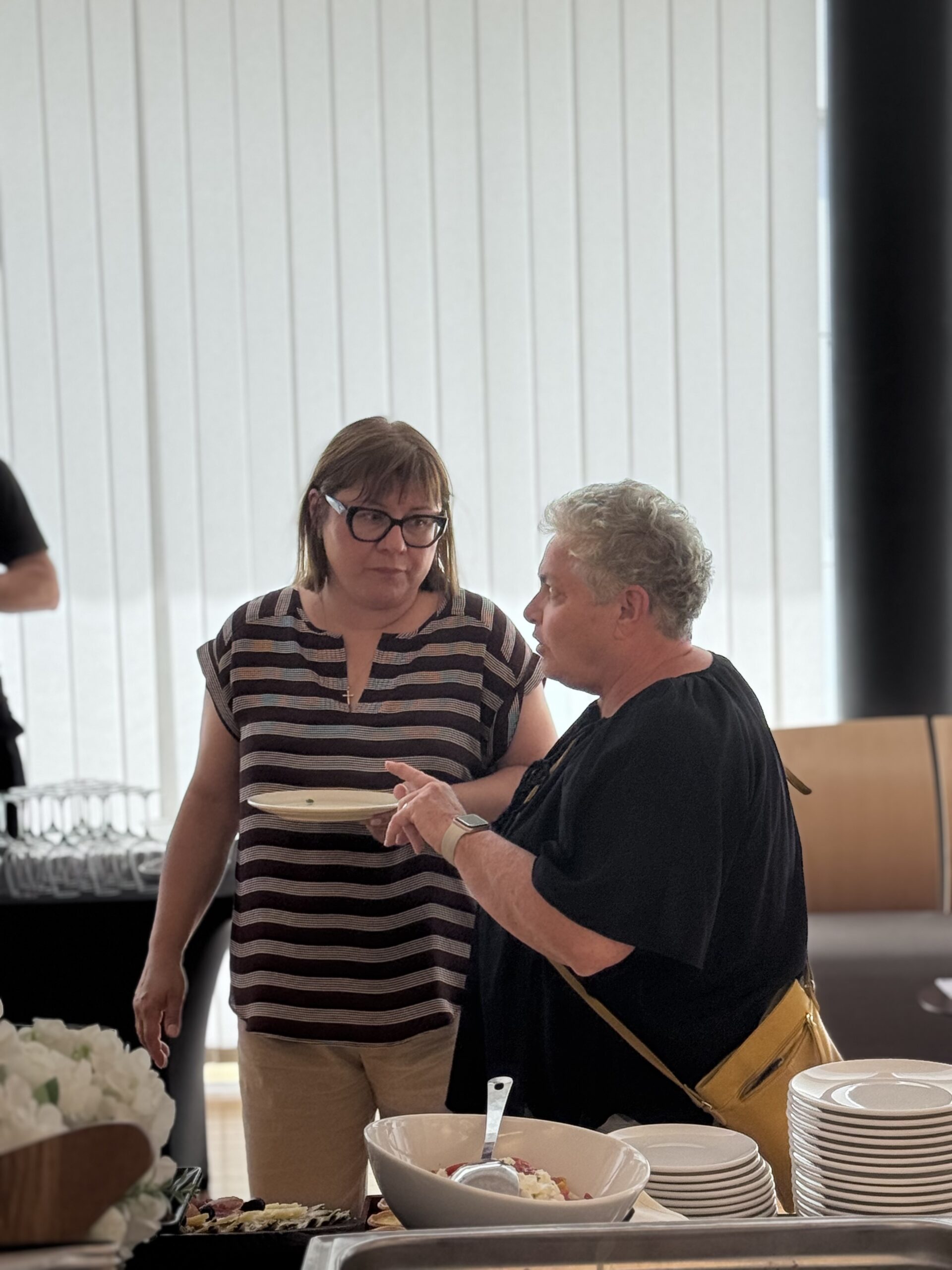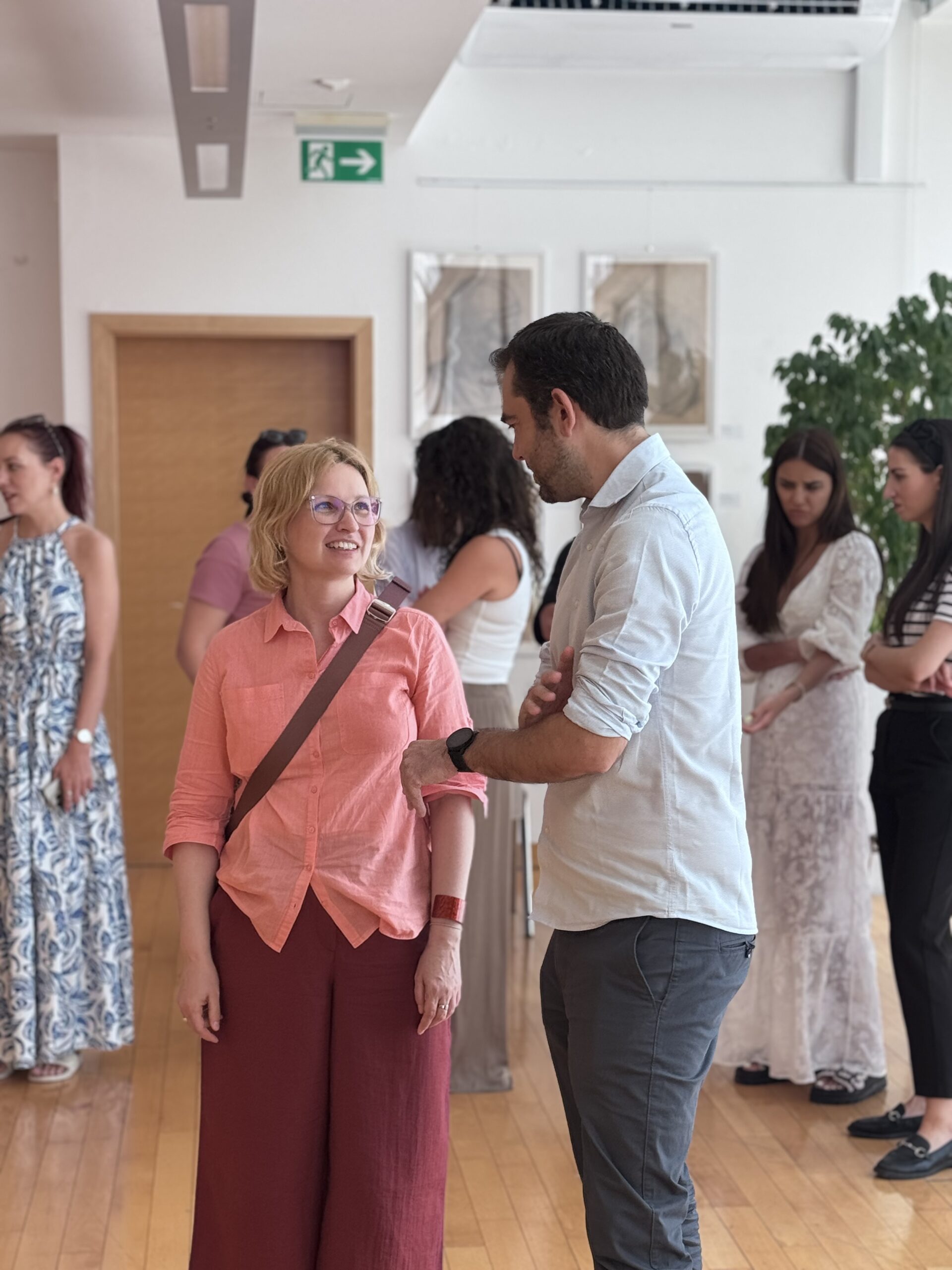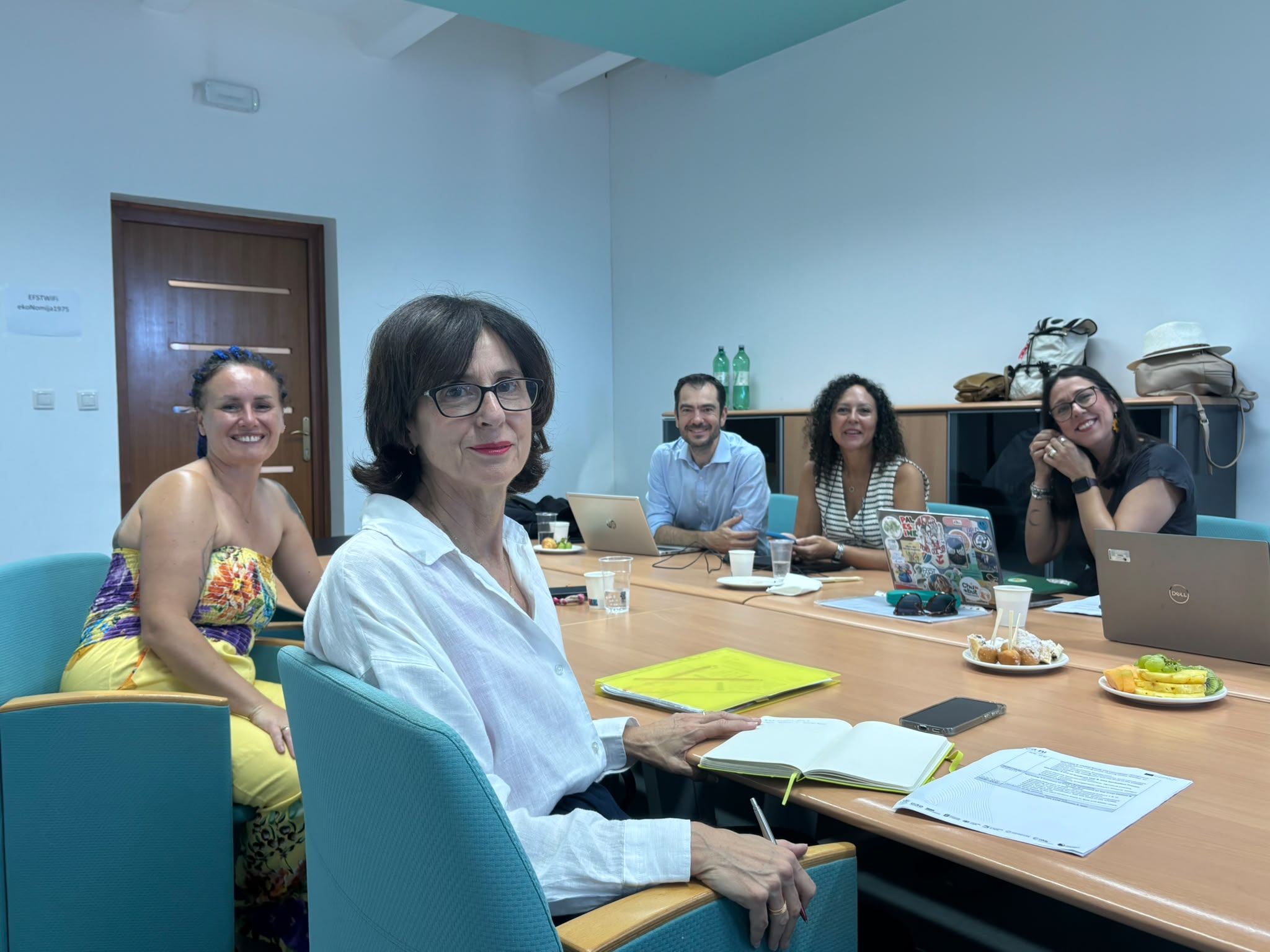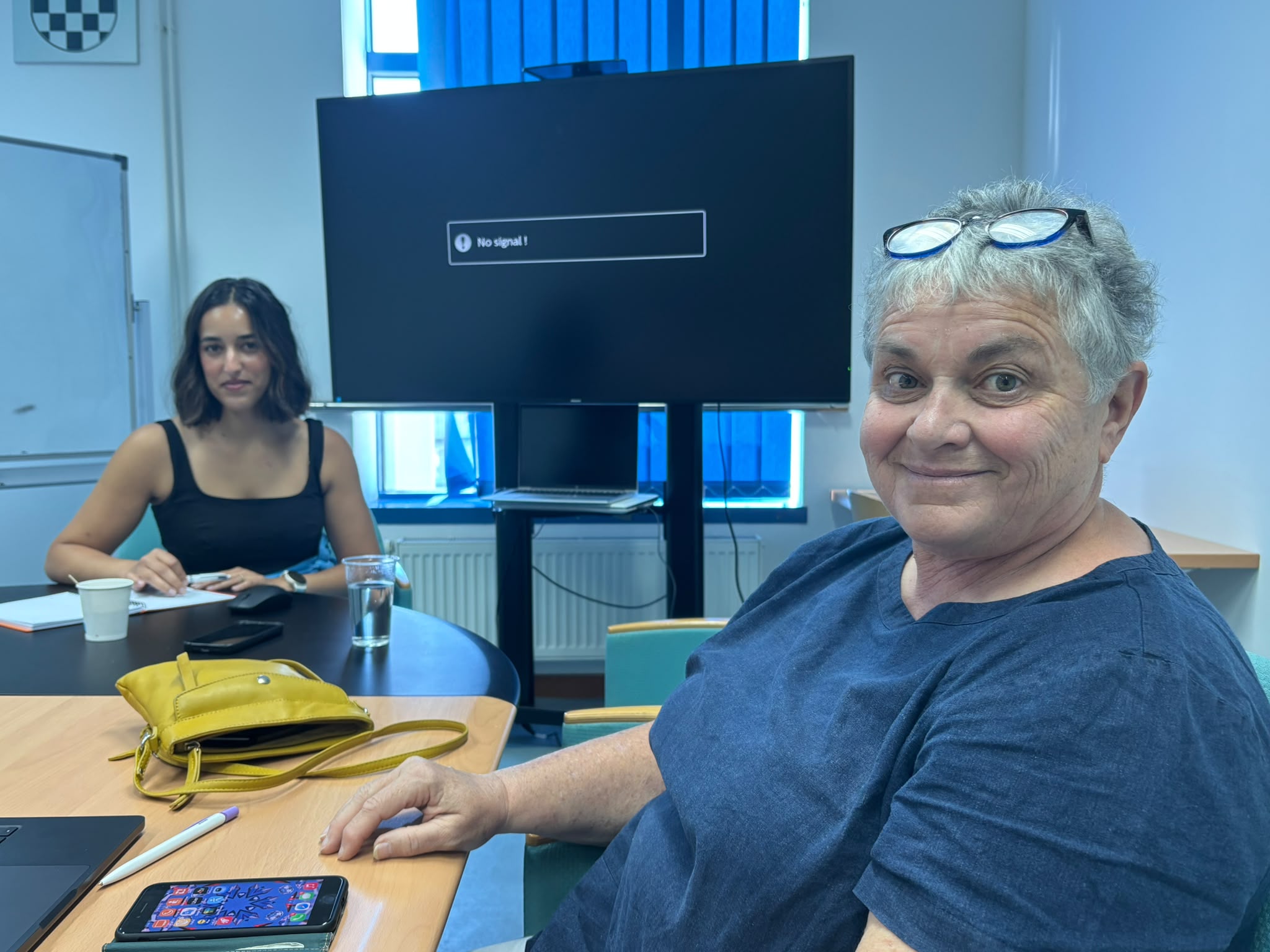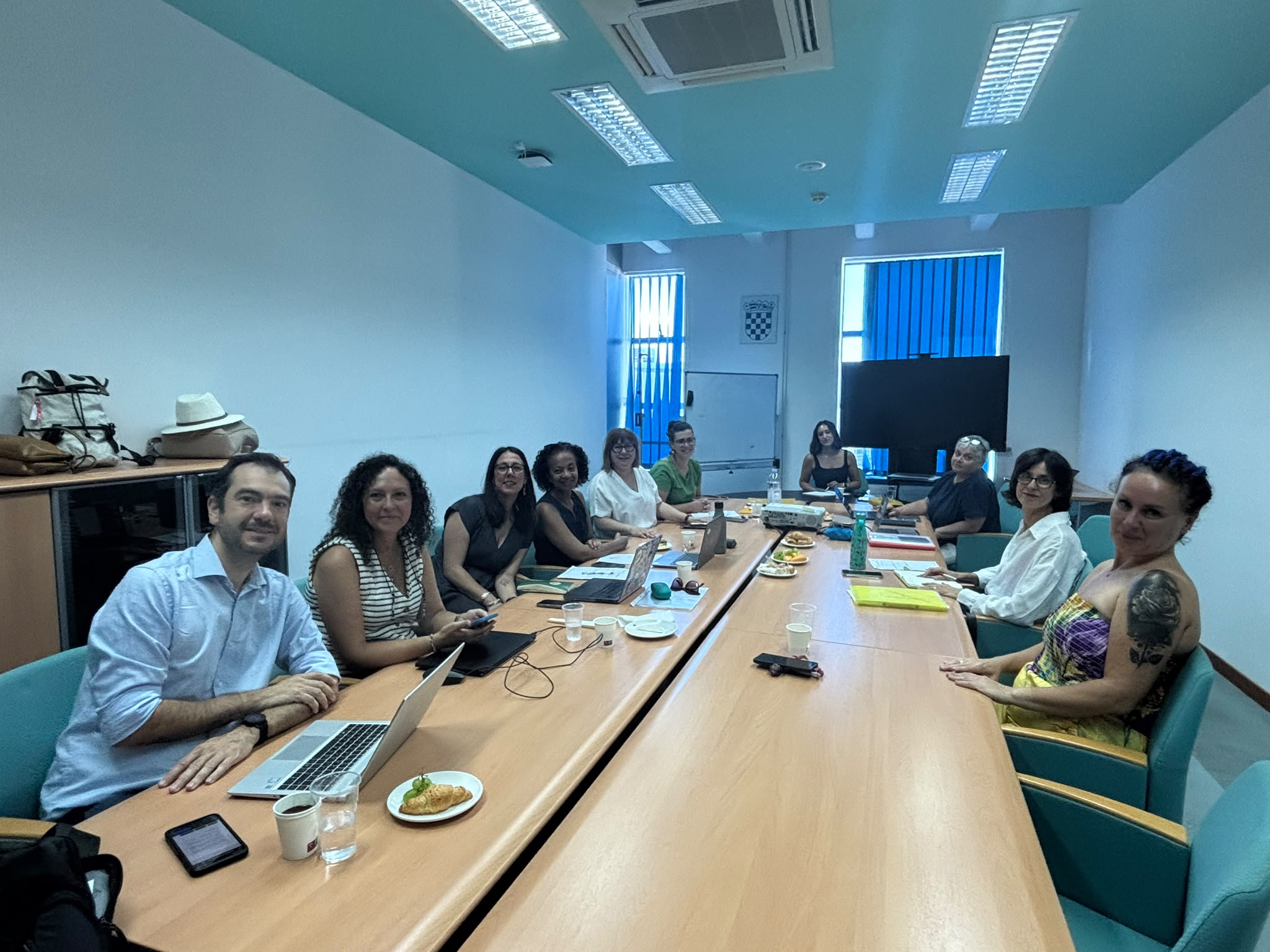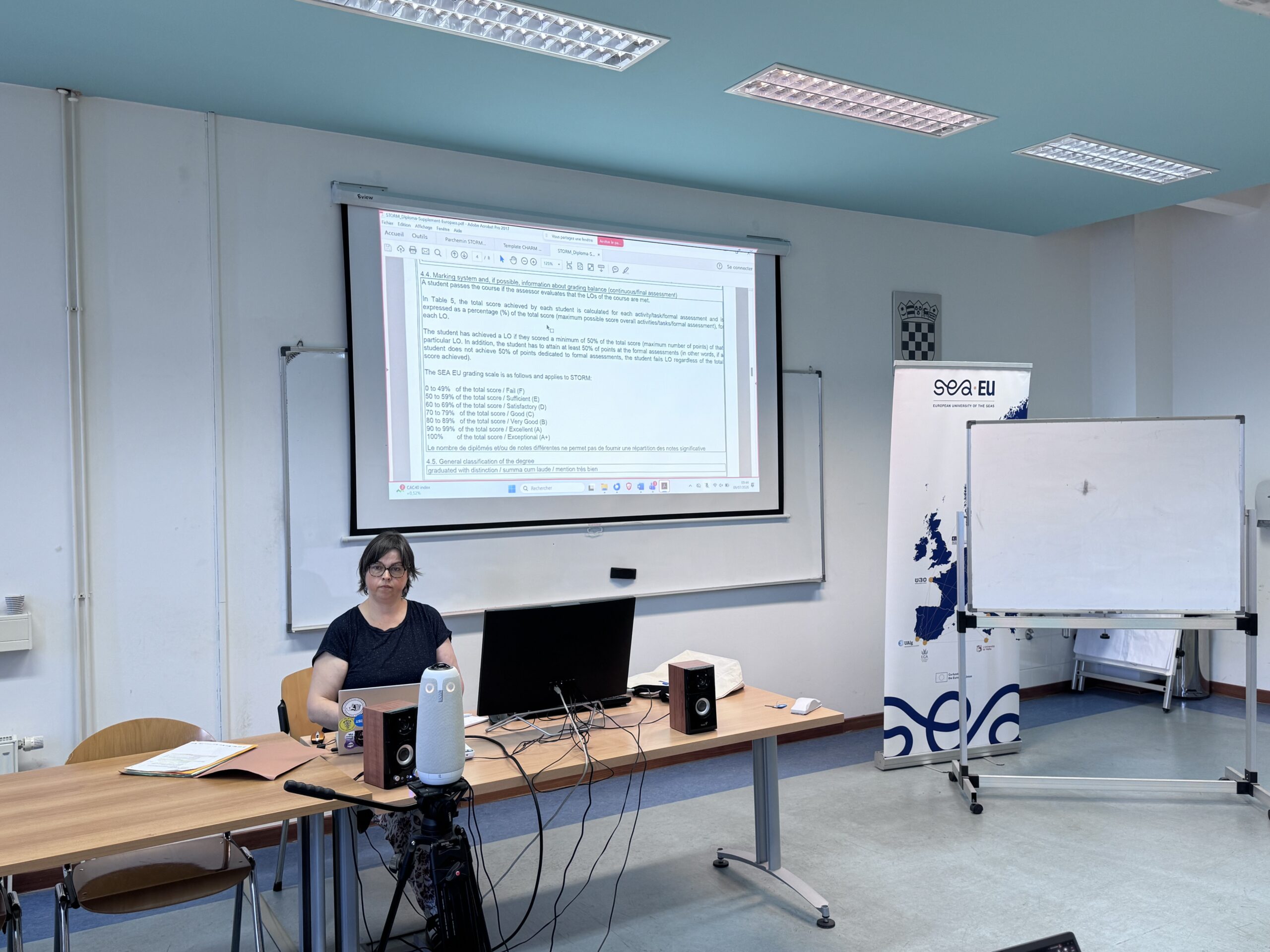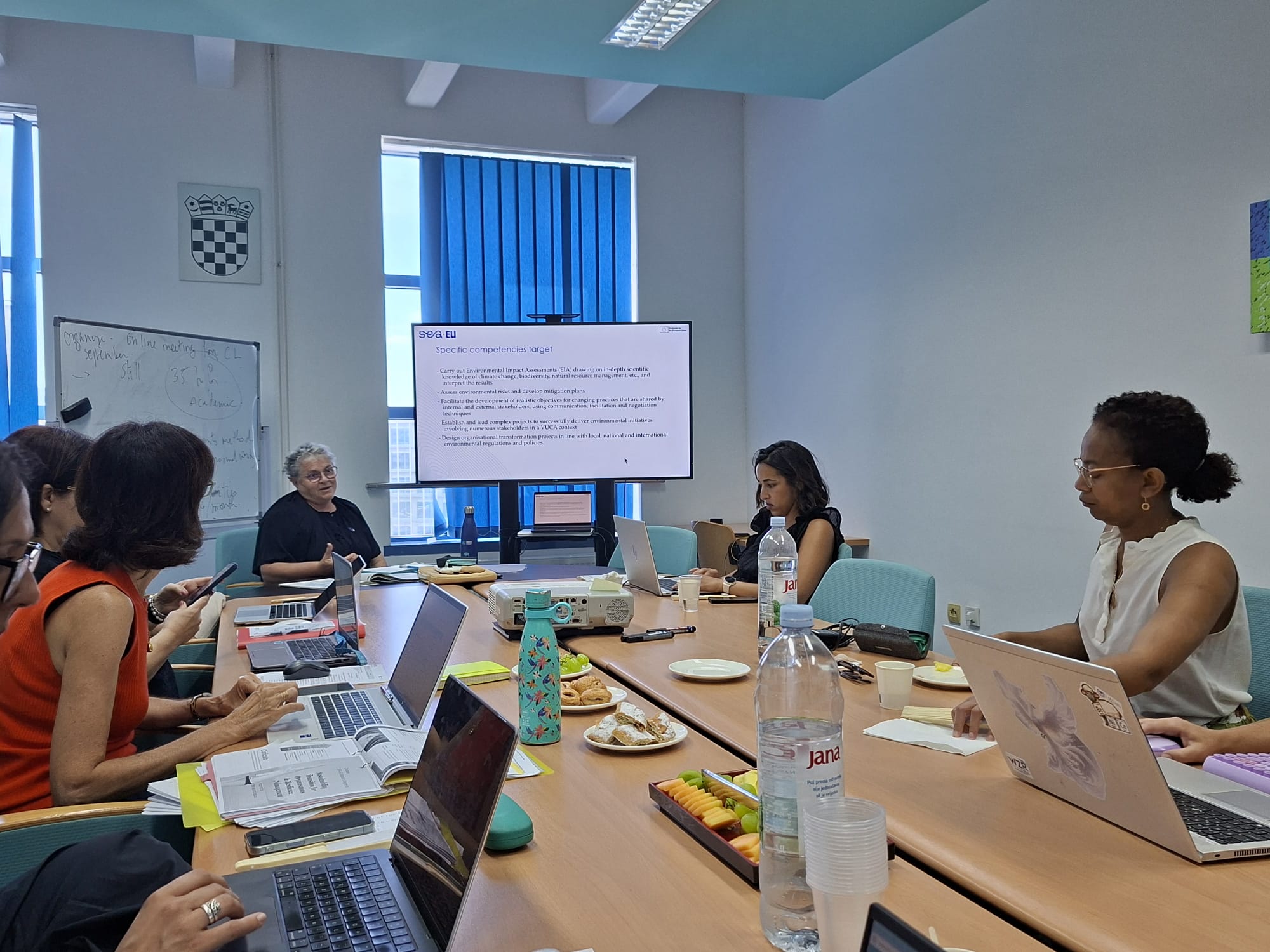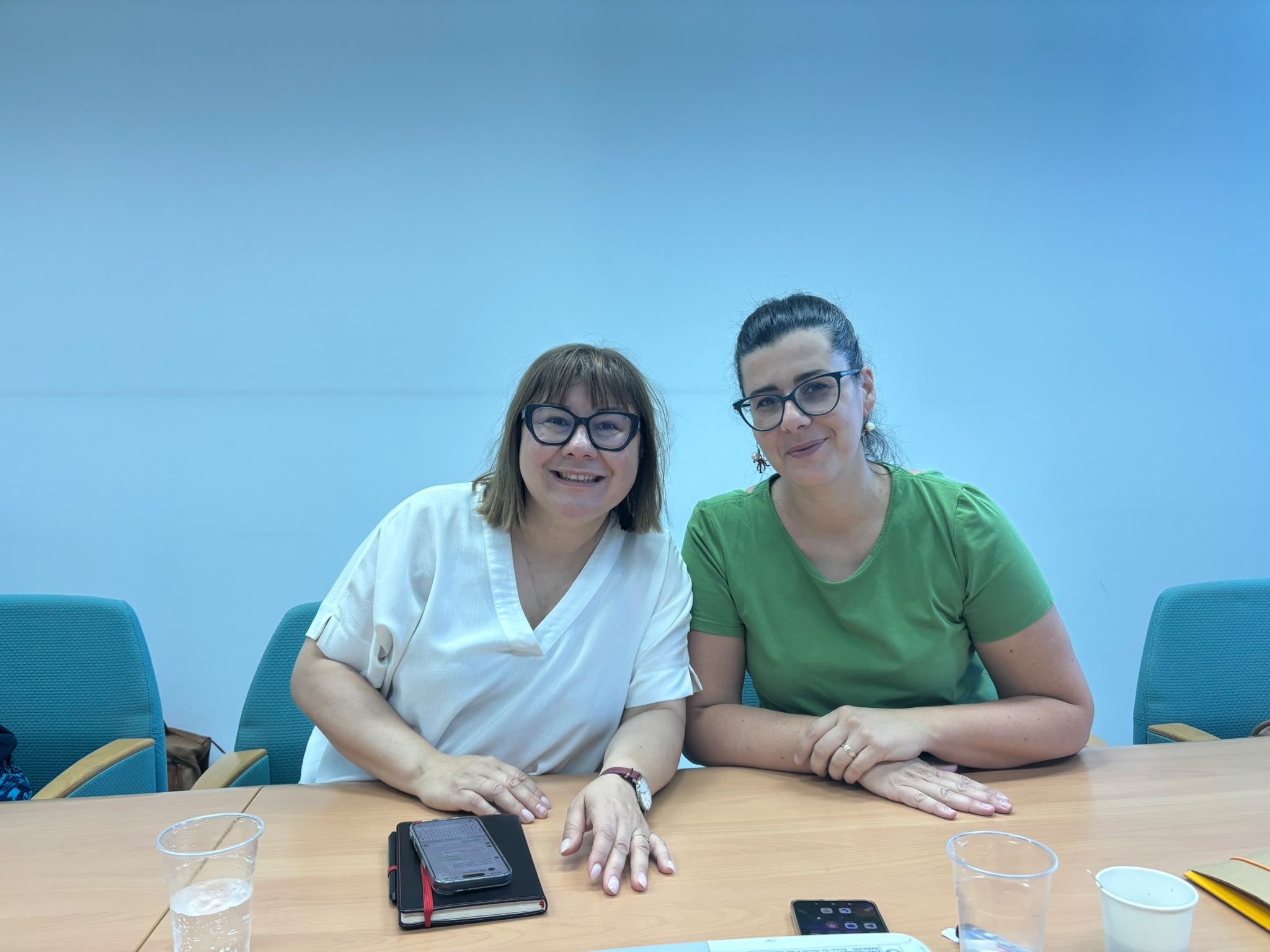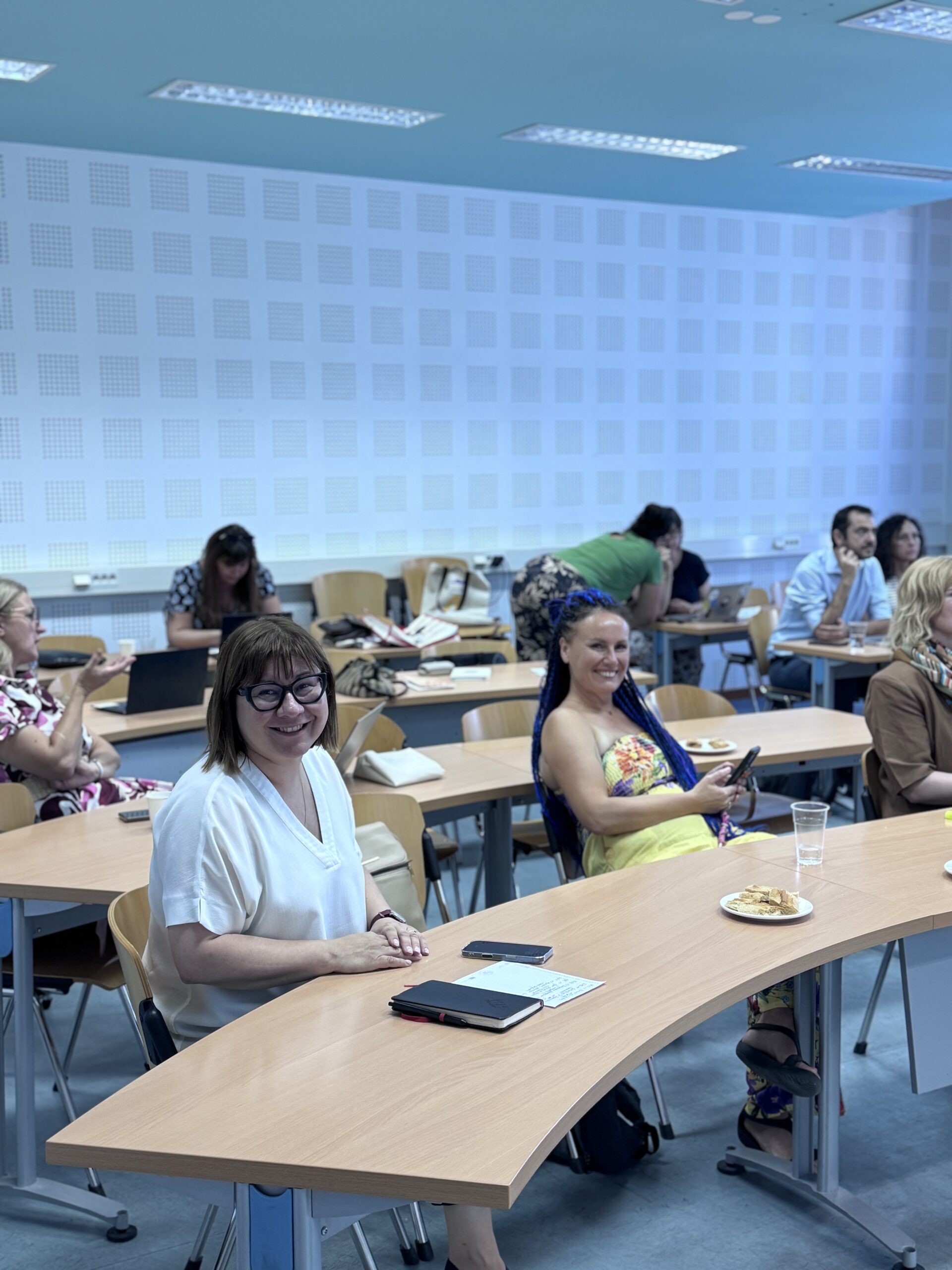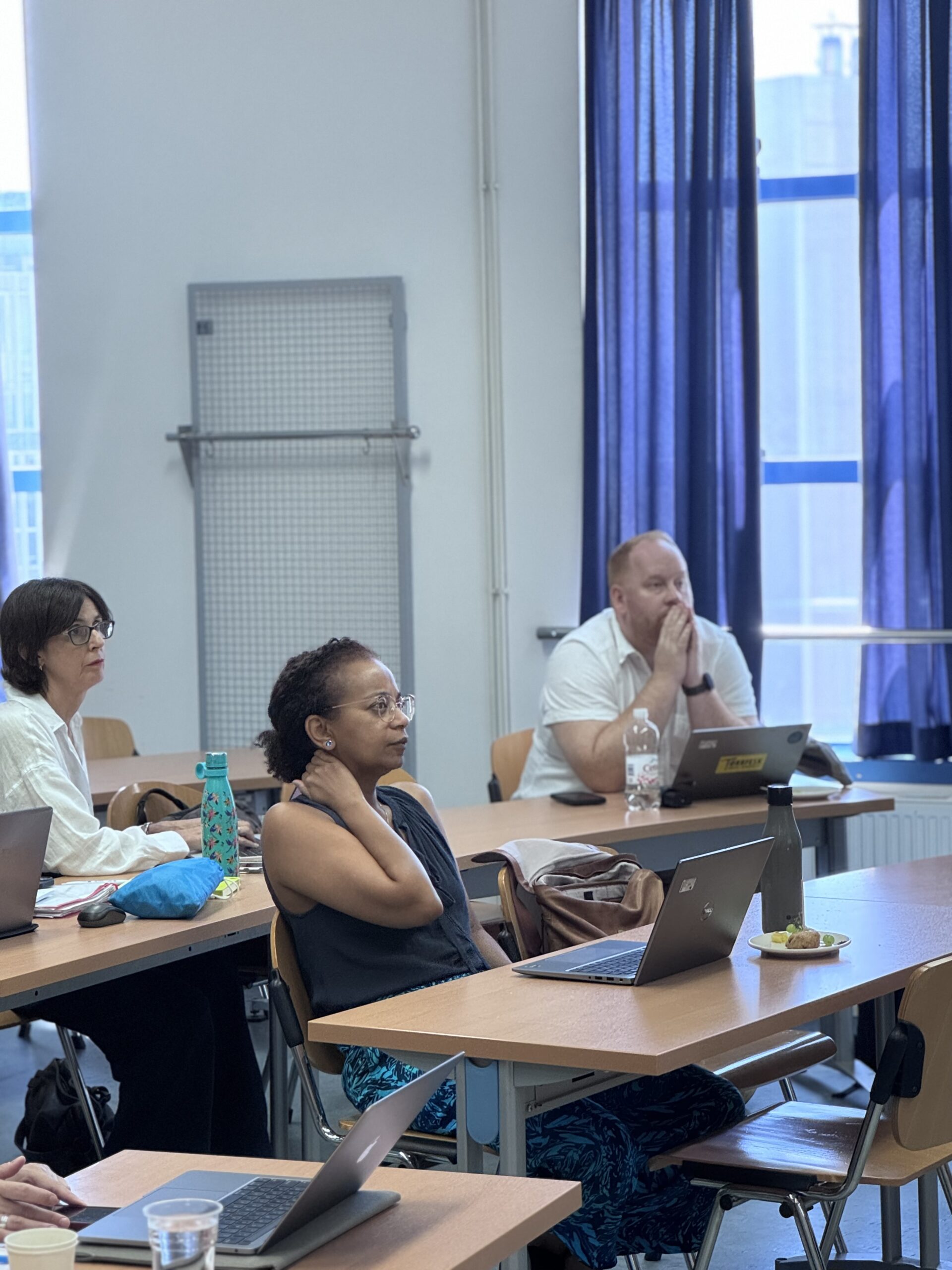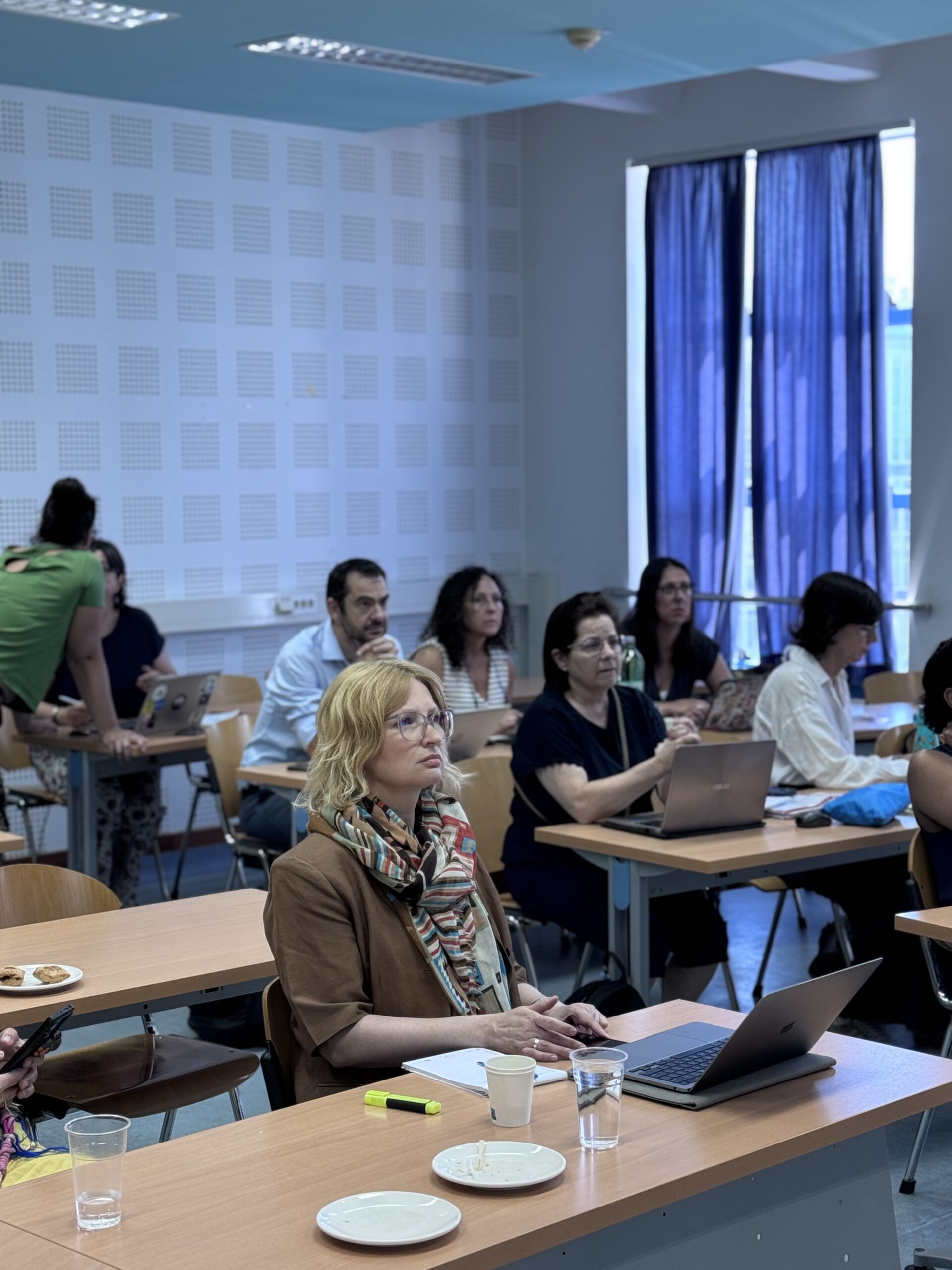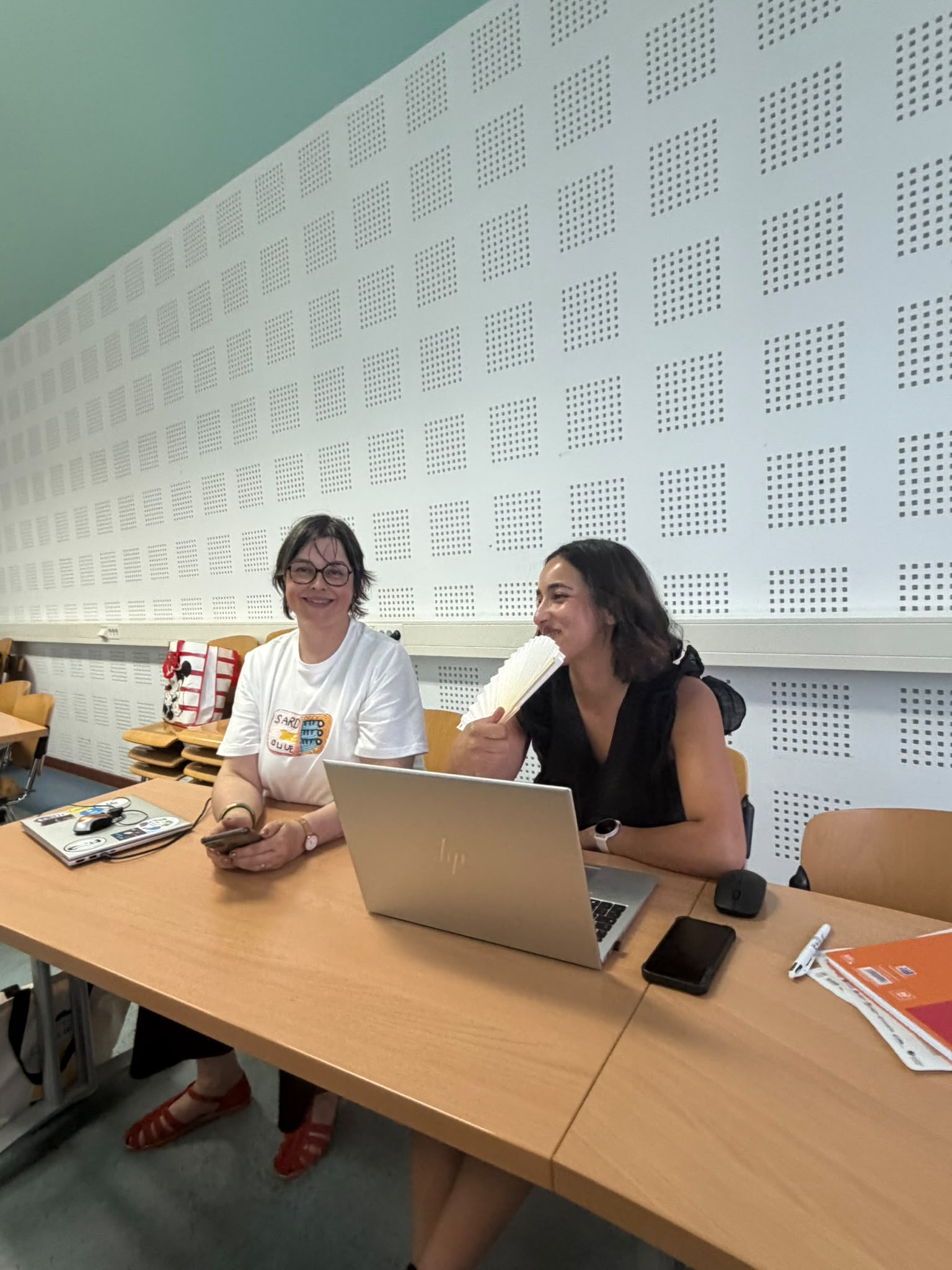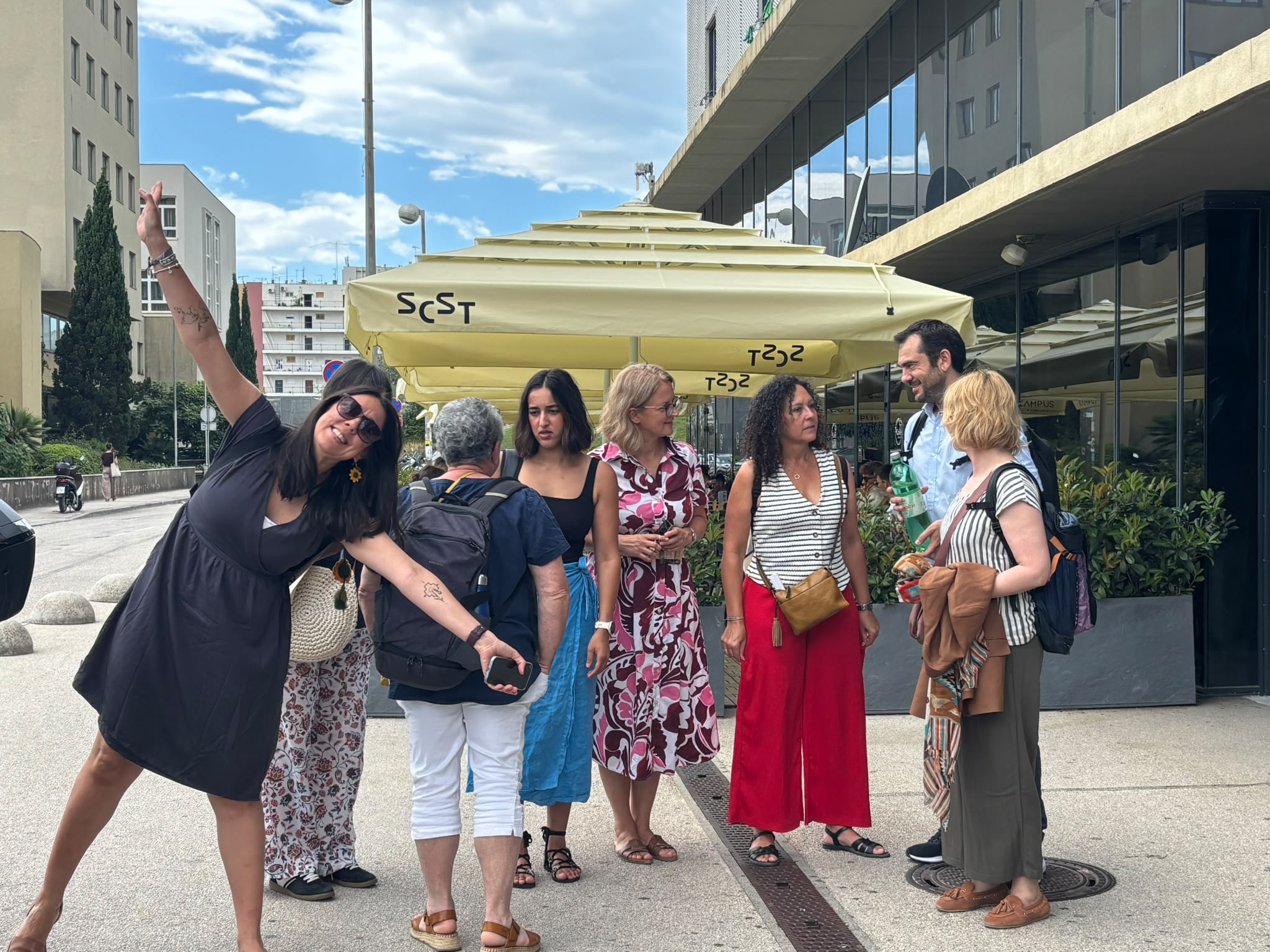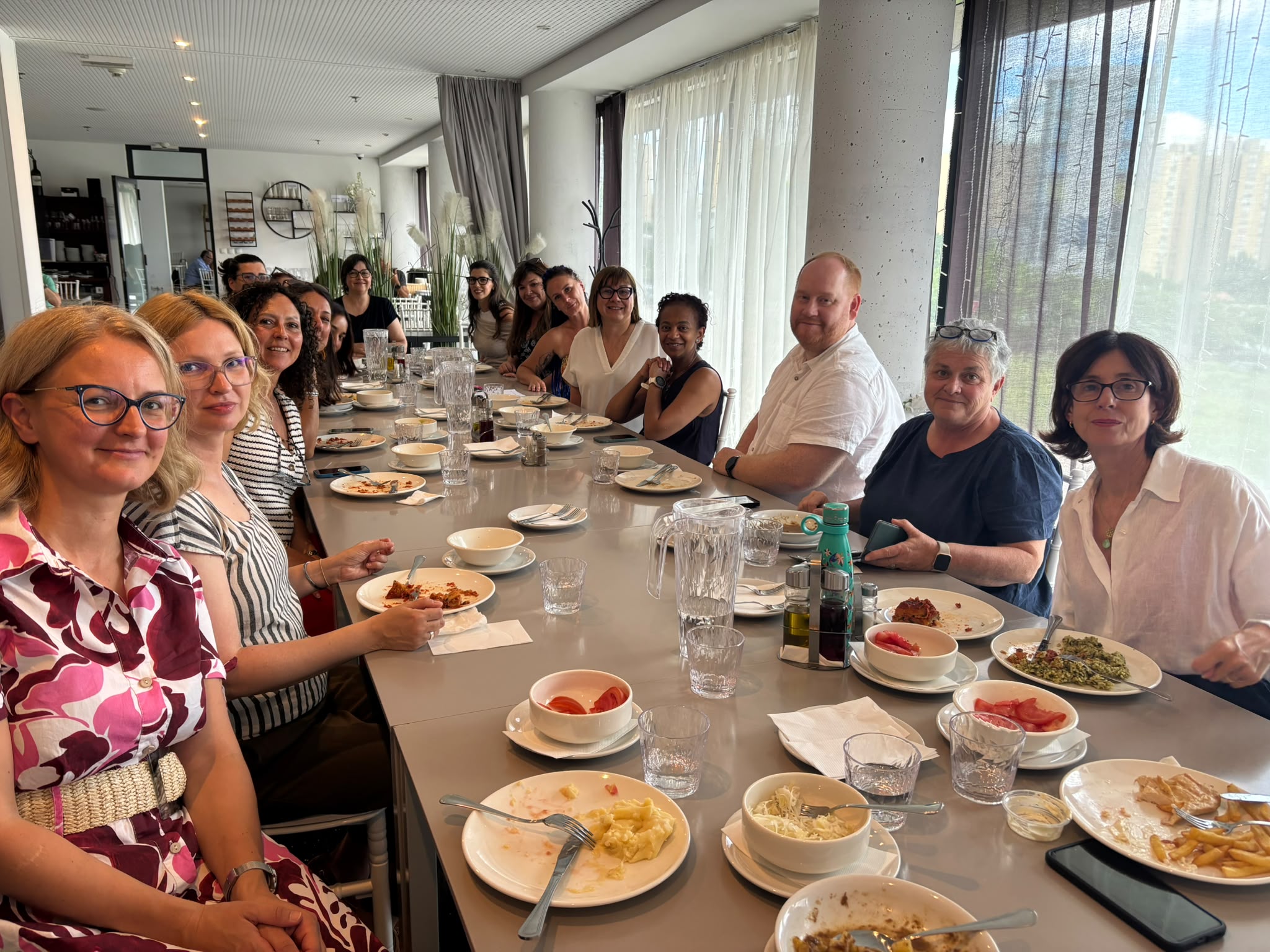
The University of Split, through its Faculty of Economics, Business and Tourism, hosted the STORM Staff Week from 7 to 9 July 2026, bringing together academic and administrative representatives from partner universities across the SEA-EU Alliance. The three-day meeting marked an important milestone in the ongoing development of the STORM (Sustainability Transition for Organisations and Resilience Management) Joint Master’s Programme, providing a platform to review progress, exchange experiences and coordinate future activities.
The Staff Week opened with a welcome from the governing bodies of the University of Split, followed by a series of collaborative workshops attended by both academic and administrative staff. Throughout the programme, participants reviewed feedback from the first student cohort, discussed the organisation of teaching teams, curriculum development, student support and administrative procedures, while identifying opportunities to further enhance the quality and delivery of the programme.
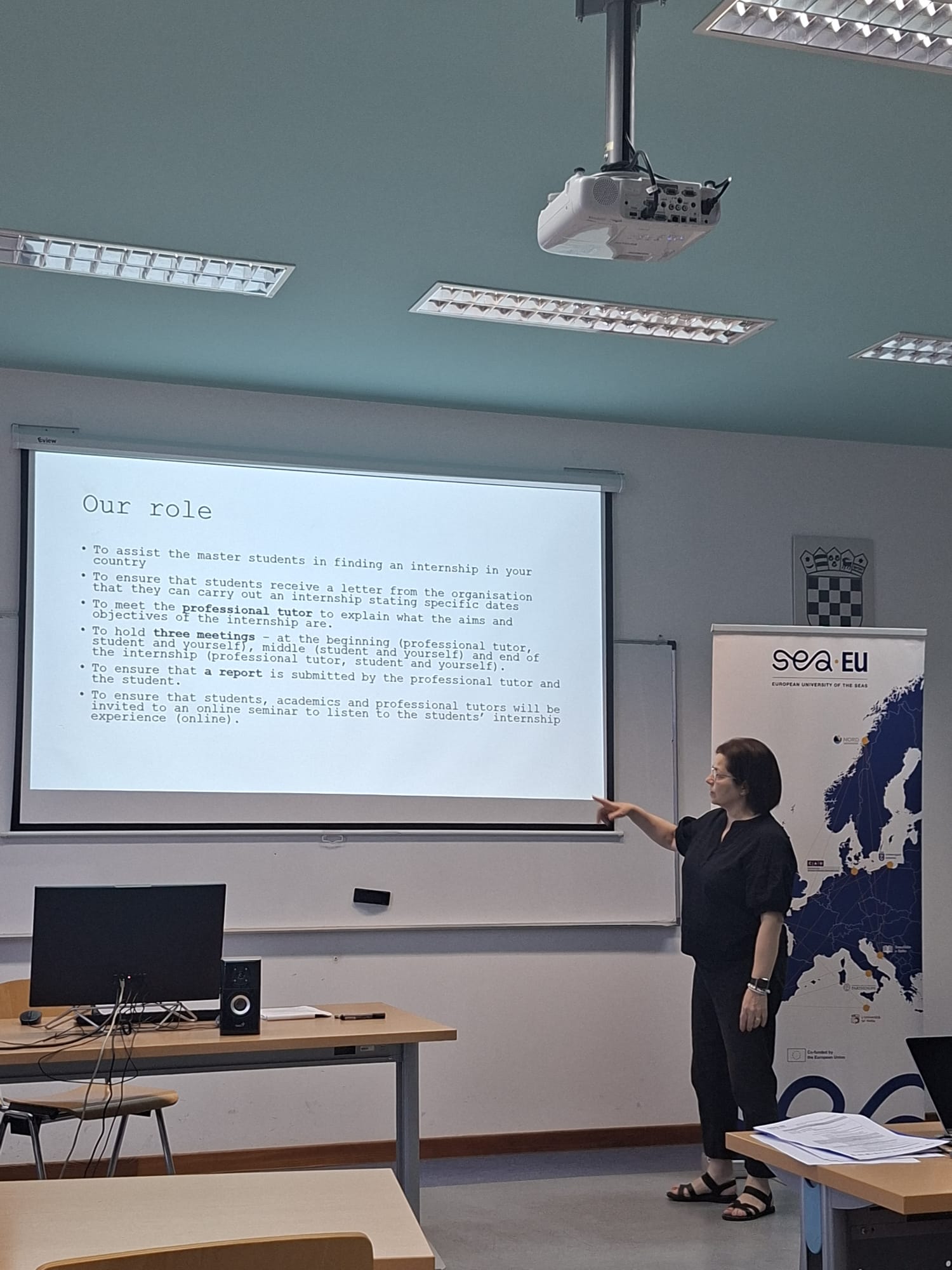
Particular attention was given to harmonising teaching approaches across partner universities, aligning assessment methods, improving student mobility and integration, reviewing visa procedures for non-EU students, strengthening communication within the consortium and preparing the next stages of the programme, including internships, dissertations and Semester 4 activities. Participants also discussed the governance of the STORM programme, joint graduation procedures and future coordination among partner institutions.
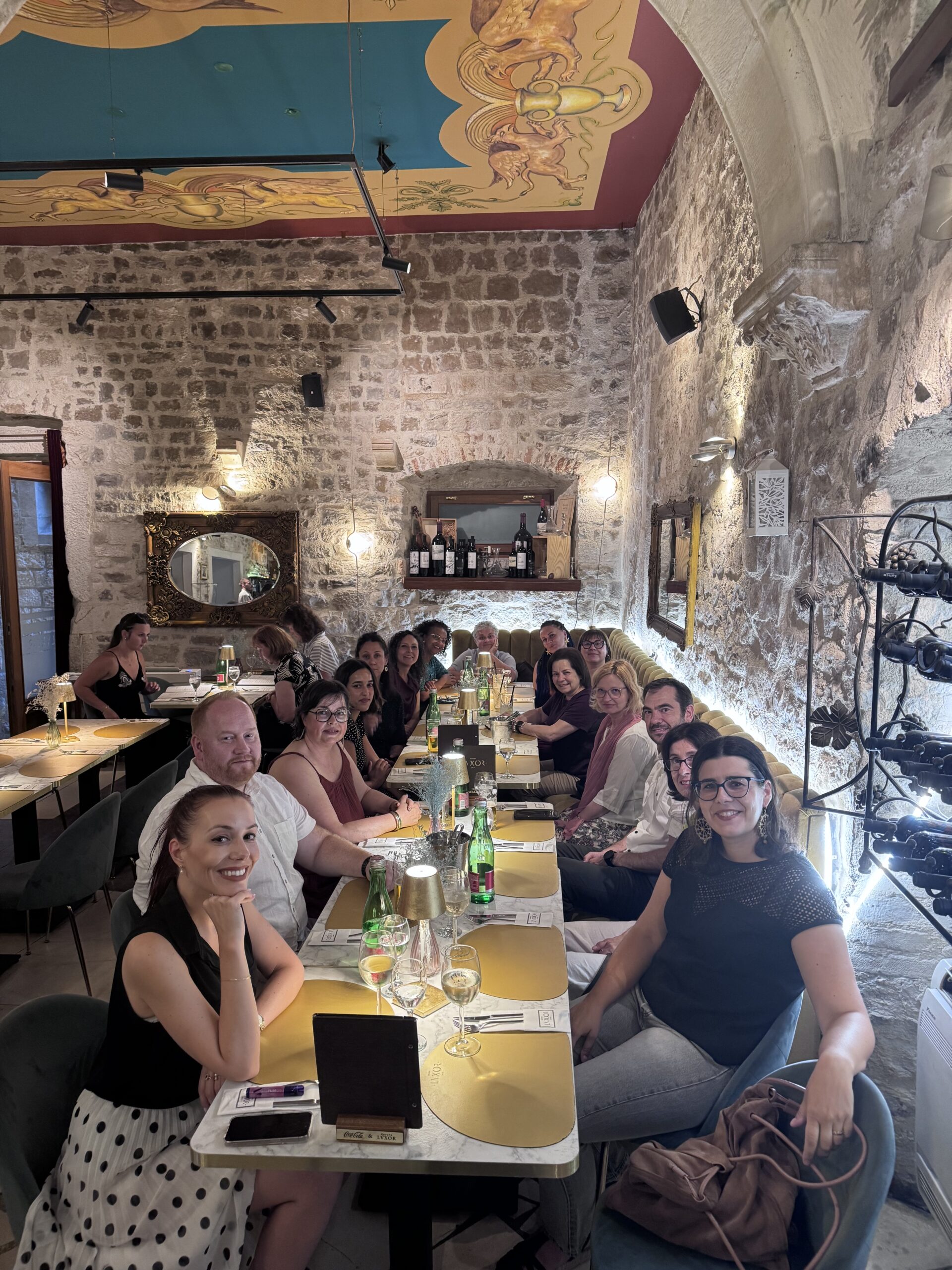
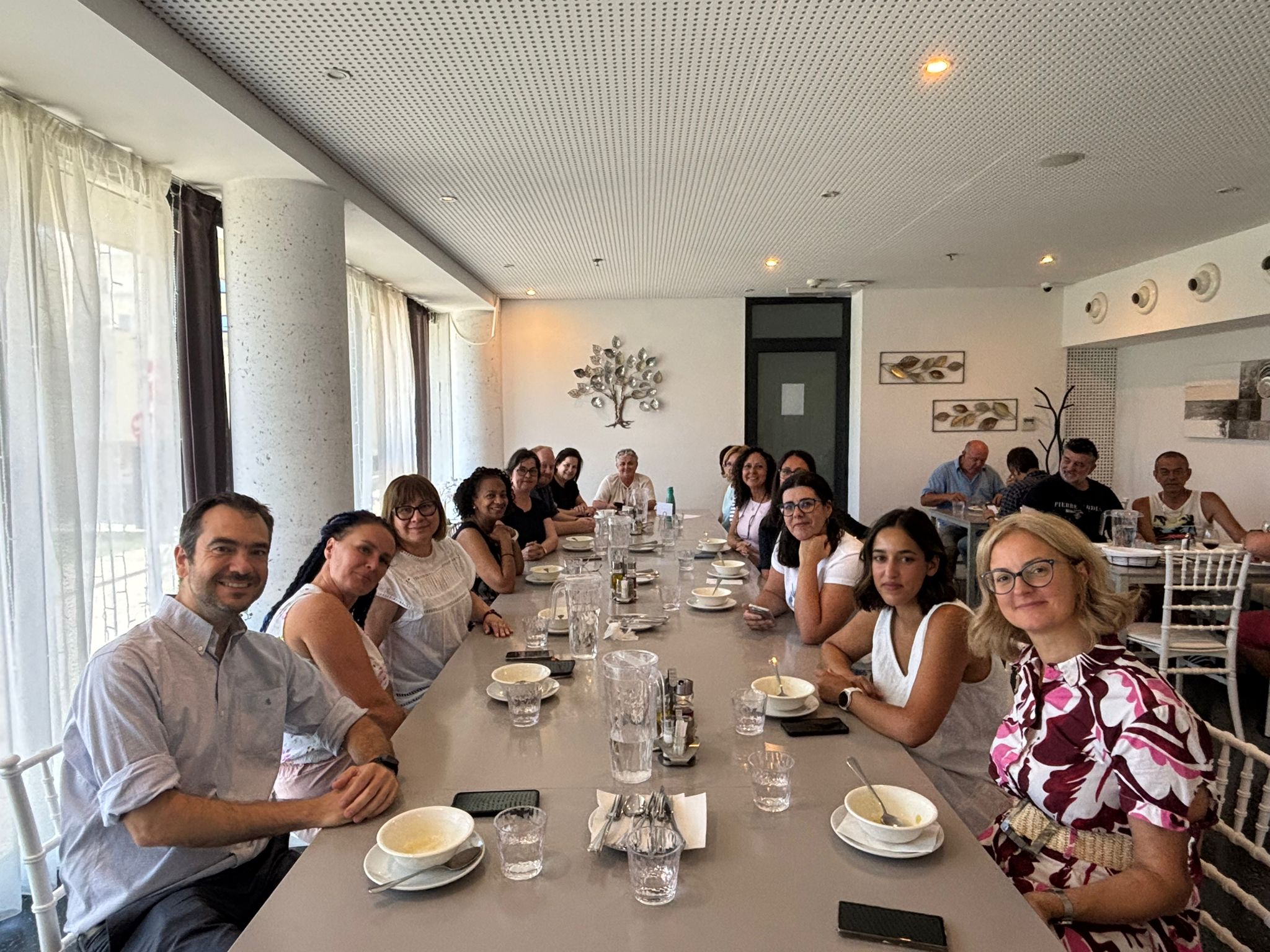
Beyond the workshops, the Staff Week provided an excellent opportunity for academic and administrative teams to strengthen collaboration, exchange best practices and reinforce their shared commitment to delivering a high-quality European joint degree. The discussions reflected the strong partnership among the STORM consortium and the common ambition to continuously improve the student experience.
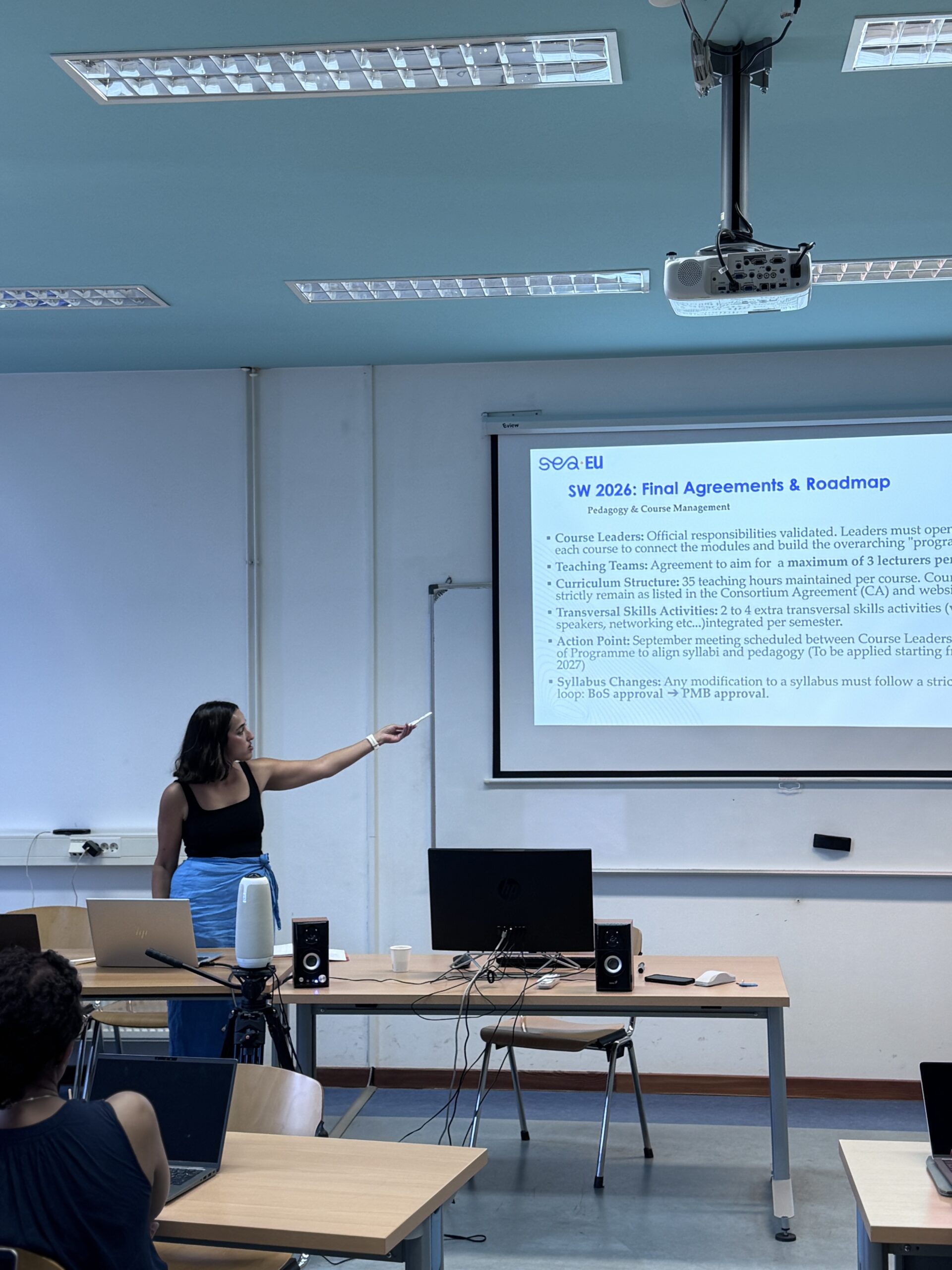
One of the most significant outcomes of the Staff Week was the successful agreement among the academic partners on the STORM academic calendar for the 2026/2027 academic year, providing a clear roadmap for the programme’s next phase. Through constructive and open dialogue, participants also reached a common understanding on several key pedagogical decisions, including the validation of the responsibilities of Course Leaders, limiting teaching teams to a maximum of three lecturers per course, maintaining a harmonised curriculum structure and introducing additional transversal learning activities to strengthen students’ interdisciplinary competences. Partners also agreed on a common process for syllabus revisions and confirmed that further alignment of teaching approaches will continue during dedicated meetings scheduled for September, with the agreed changes to be implemented from January 2027.
From the administrative perspective, participants exchanged best practices and agreed that the STORM Student Handbook should become the primary reference document for both students and administrative staff, helping to simplify administrative procedures and ensure a consistent student experience across all partner universities. The discussions also resulted in important agreements regarding Semester 4 timelines, internship and dissertation procedures, graduation arrangements and the adoption of a fixed academic cycle for the programme. These outcomes represent another important step towards strengthening the quality, consistency and long-term sustainability of the STORM Joint Master’s Programme.
The STORM Staff Week once again demonstrated the value of European cooperation within the SEA-EU Alliance, highlighting how continuous dialogue and joint decision-making contribute to the long-term success of innovative joint study programmes.