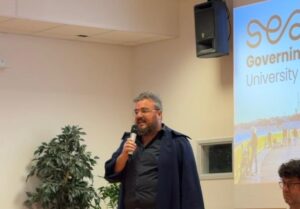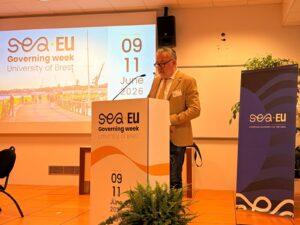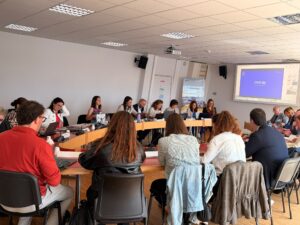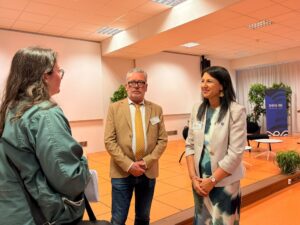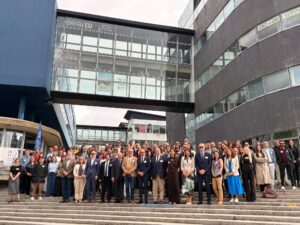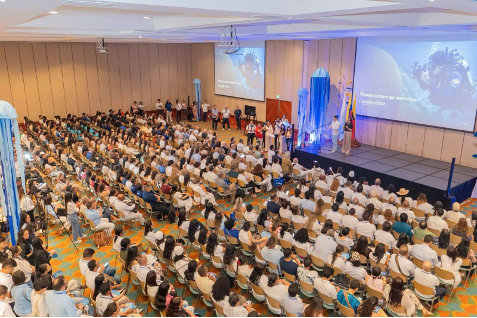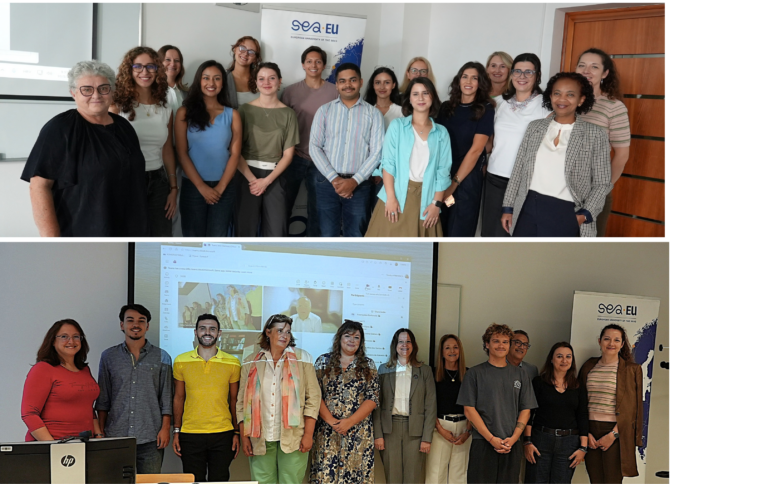
More than 120 representatives from SEA-EU partner universities, governance bodies, associated partners and external stakeholders gathered in Brest, France, from 9 to 11 June for the latest SEA-EU Governing Week, a key moment to review progress, define future priorities and continue building the European Coastal Campus.
Hosted by the University of Brest (UBO), the three-day event brought together rectors, vice-rectors, students, researchers, city representatives, port authorities and project teams from across the alliance. Through a packed programme of meetings, workshops and strategic discussions, participants explored the next steps for SEA-EU’s development as a European University Alliance.
Opening the Week: From Impact to Legacy
The SEA-EU Governing Week opened with a session that combined institutional reflection with Breton culture. Participants were welcomed with a traditional Breton music performance and a brief introduction to the Breton language, offering an insight into the region’s rich cultural heritage and reinforcing the alliance’s commitment to Europe’s diversity.
Throughout the week, participants also had the opportunity to discover Brittany through cultural visits, local traditions and regional gastronomy, including the famous Breton crêpes. These activities helped create a warm and welcoming atmosphere while fostering connections between members of the SEA-EU community.
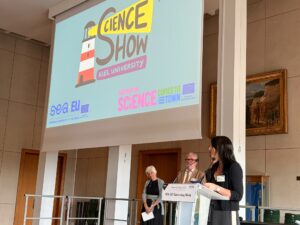
In her opening address, SEA-EU General Coordinator Marcela Iglesias invited participants to look beyond activities and outputs and focus on the long-term transformation generated by the alliance.
The session introduced impact as a central theme for the week, encouraging the community to reflect on the lasting changes SEA-EU is creating for students, staff, institutions and society, as well as the legacy being built for the future of European higher education.
Advancing the Strategic Priorities of the Alliance
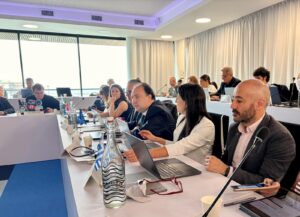
Throughout the week, SEA-EU’s governance and coordination bodies met to discuss the alliance’s main strategic priorities. The Vice-Rectors Committee, Executive Committee, Rectors’ Council, Governing Board, Technical Working Group, Quality and Ethics Committee, Student Council, Cities Council and Ports Council all held dedicated meetings to review progress and coordinate future actions.
Discussions focused on a broad range of topics, including joint programmes, mobility procedures, quality assurance, research collaboration, impact assessment, stakeholder engagement and preparations for the next phase of the alliance.
A major theme across all meetings was SEA-EU’s transition from project-based cooperation towards deeper institutional integration. Participants reviewed the progress made since the official registration of the SEA-EU Association and discussed the strategic opportunities offered by SEA-EU Next, the proposal submitted for the 2027–2029 extension period.
One of the defining topics of the SEA-EU Governing Week was the development of a common framework for impact assessment. Several meetings focused on establishing shared methodologies, indicators and reporting systems capable of measuring the long-term effects of SEA-EU activities across institutions and territories. Discussions addressed not only quantitative indicators but also the broader transformational changes generated by the alliance.
Education, Joint Degrees and the Future of Learning
Education remained at the heart of the discussions in Brest. Alliance leaders reviewed the progress of SEA-EU’s joint programmes, including admissions procedures, governance structures and student support mechanisms. Special attention was given to the continued implementation of the alliance’s joint degrees and to preparations for future educational initiatives.
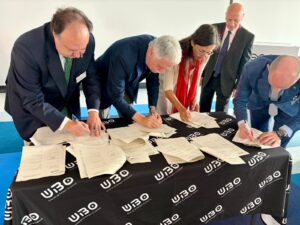
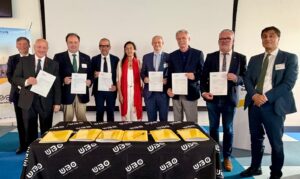
One of the highlights of the SEA-EU Governing Week was the signature of two strategic cooperation agreements. Members of the alliance formalised their commitment to the STORM Joint Master’s Programme and signed the cooperation agreement for the future SEA-EU Joint Doctoral Programme. These milestones represent another important step towards deeper academic integration and reinforce SEA-EU’s ambition to build a truly European educational ecosystem.
A Collaborative Ecosystem Beyond Universities
The SEA-EU Governing Week also highlighted the unique collaborative ecosystem that characterises the alliance.
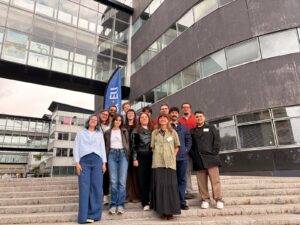
Students met to discuss the future of the Student Council, governance structures and external representation opportunities. A significant step forward was also taken through discussions on expanding the Student Council structure to ensure stronger representation of students enrolled in SEA-EU joint programmes. This development reflects the alliance’s commitment to placing students at the centre of decision-making processes and strengthening their role in shaping SEA-EU’s future.
Meanwhile, representatives from cities, ports and stakeholder organisations explored new avenues for cooperation in areas such as innovation, sustainable development, blue economy and citizen engagement.
European Perspective and Future Challenges
The final day of the SEA-EU Governing Week featured a contribution from Camille Odent, Policy Officer at the European Commission, who shared updates on the European Universities Initiative and the evolving policy landscape for higher education cooperation in Europe.
Her intervention provided valuable insights into the future of European university alliances and reinforced the importance of long-term sustainability, institutional transformation and stronger links between education, research and innovation.
Looking Ahead
The week concluded with the Governing Board meeting, where participants reviewed the outcomes of the various governance bodies, received updates from alliance councils and endorsed a series of strategic actions for the coming months.
As the alliance prepares for the next phase of its development, the discussions held in Brest confirmed SEA-EU’s growing maturity, its commitment to long-term institutional integration and its determination to continue transforming education, research and innovation across Europe.
From strategic decisions and new agreements to cultural exchange and community building, the SEA-EU Governing Week in Brest once again demonstrated the strength of a European University Alliance working together to shape the future of higher education.