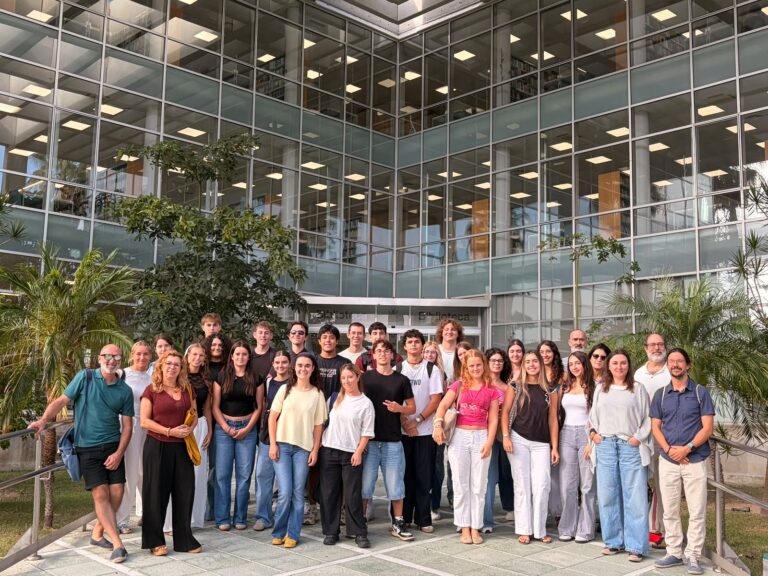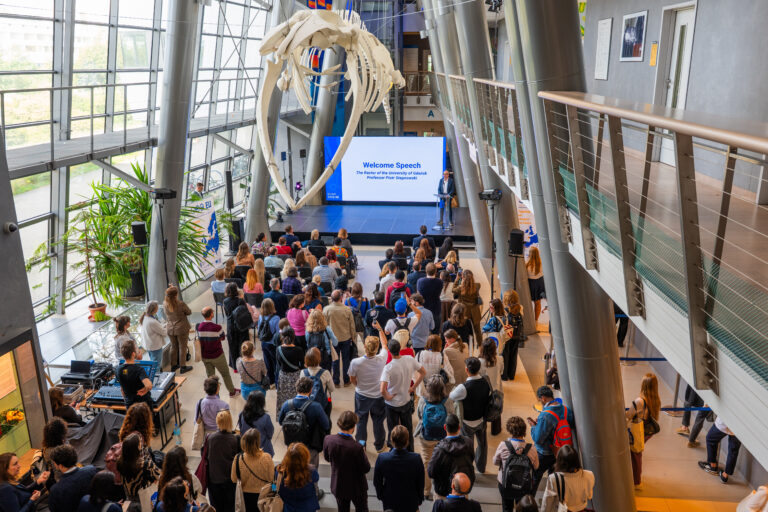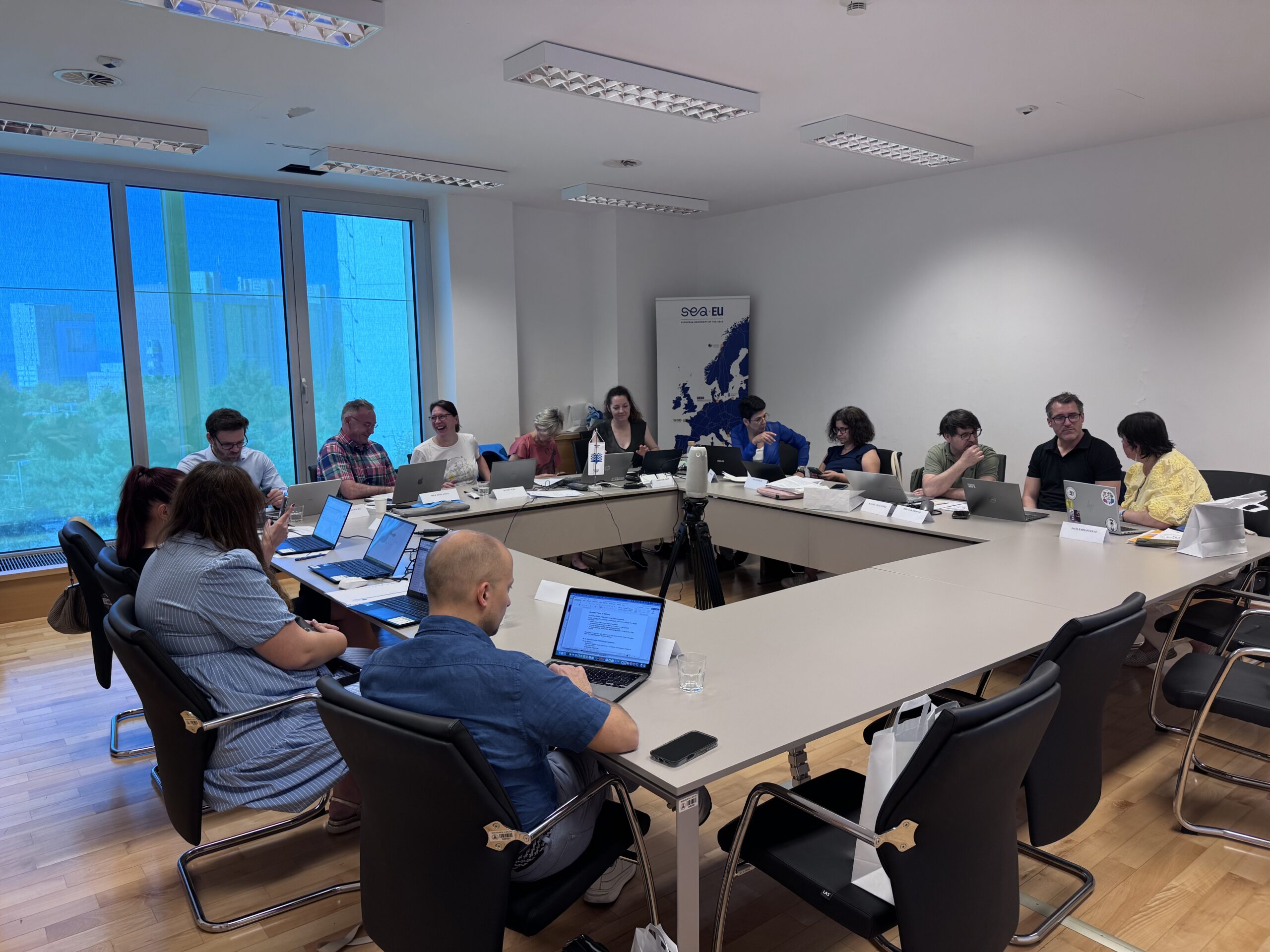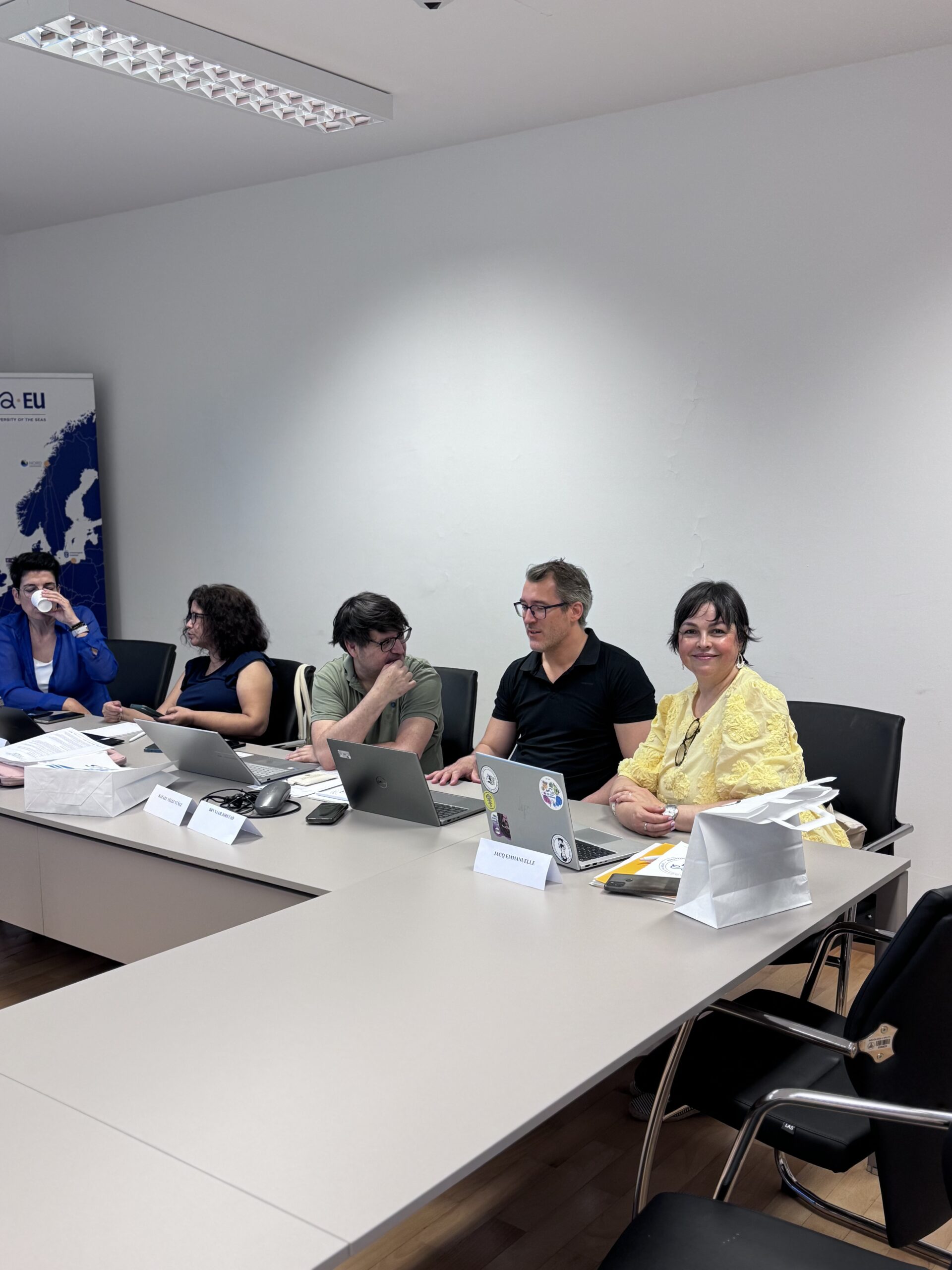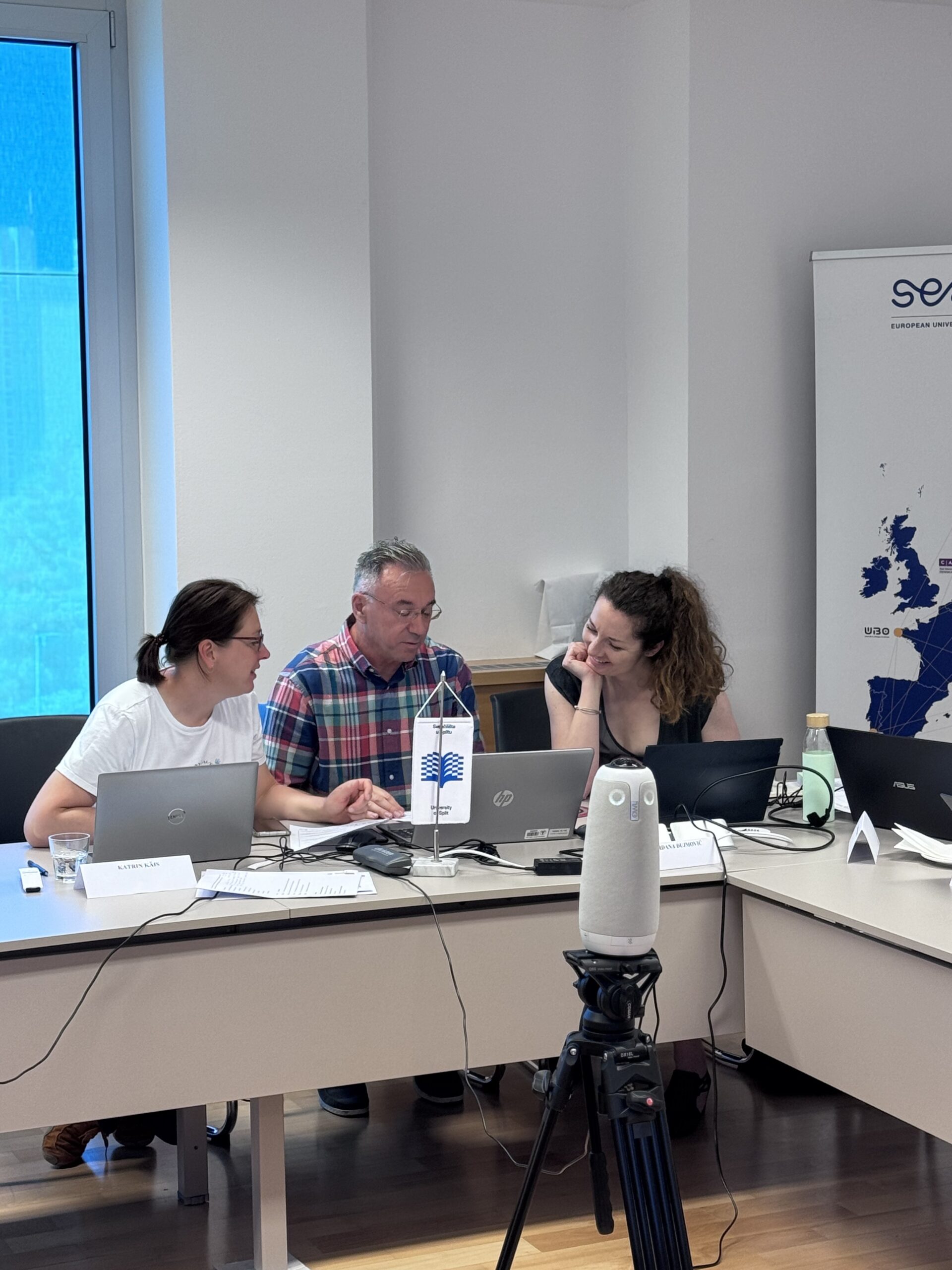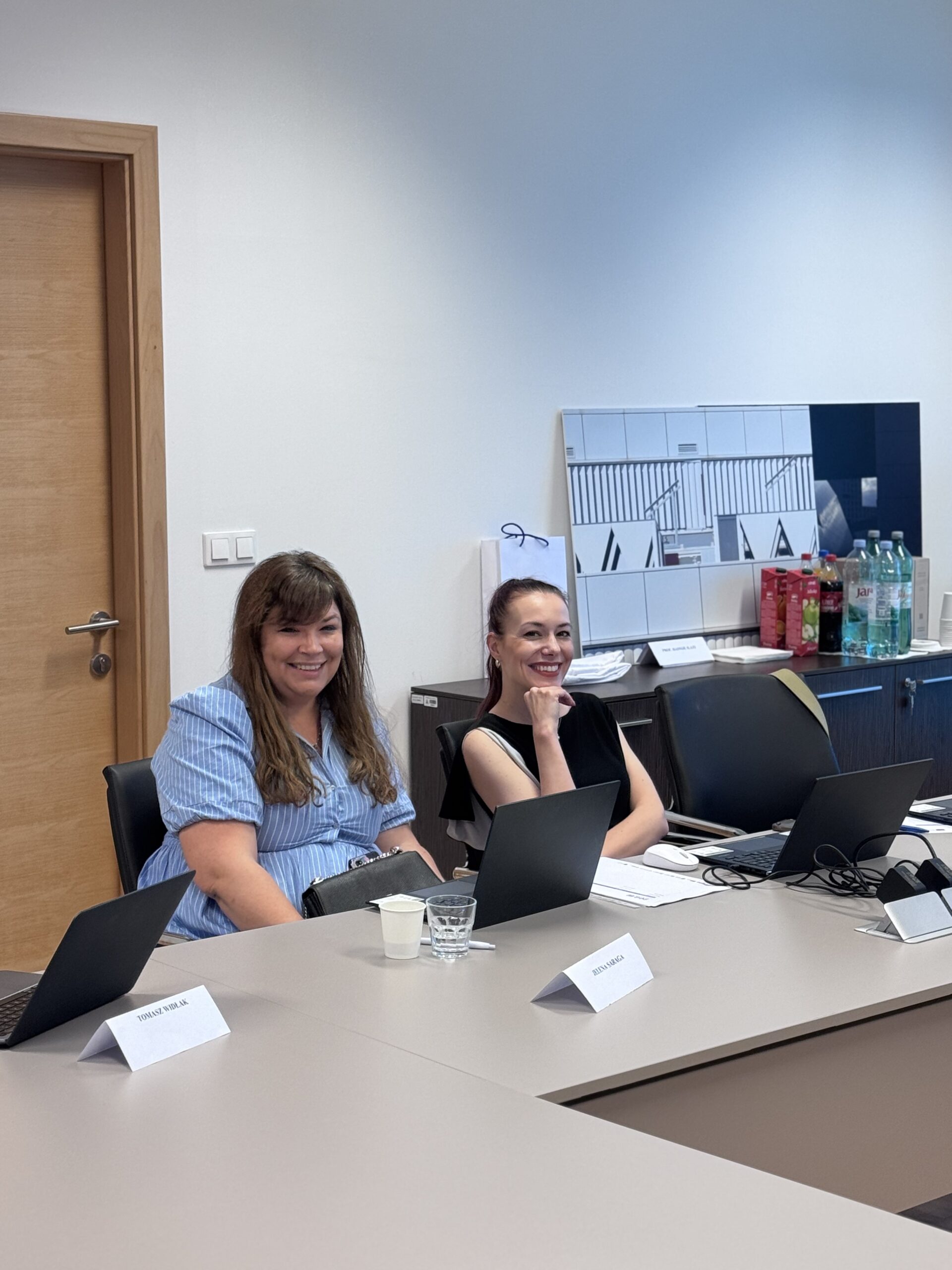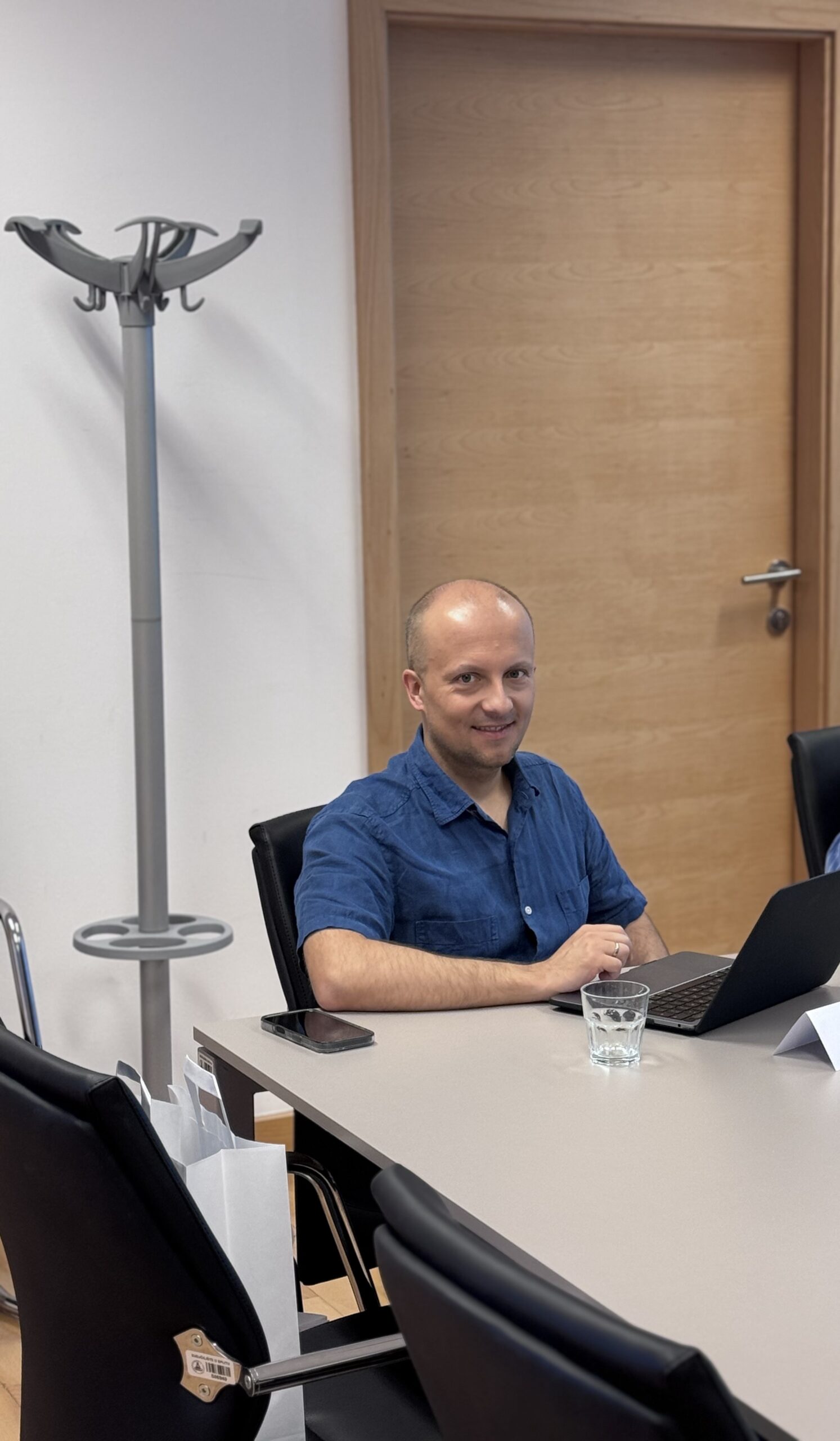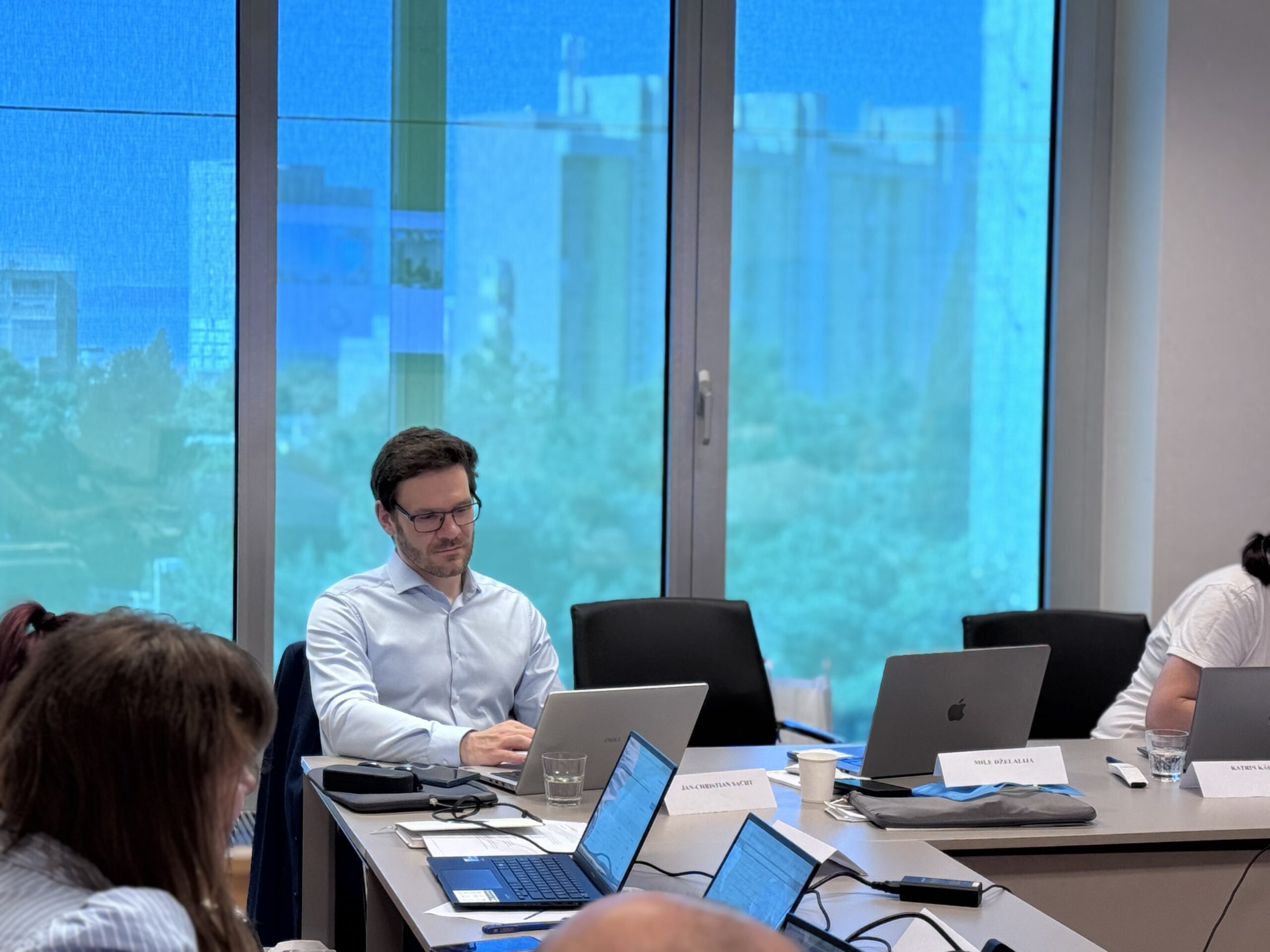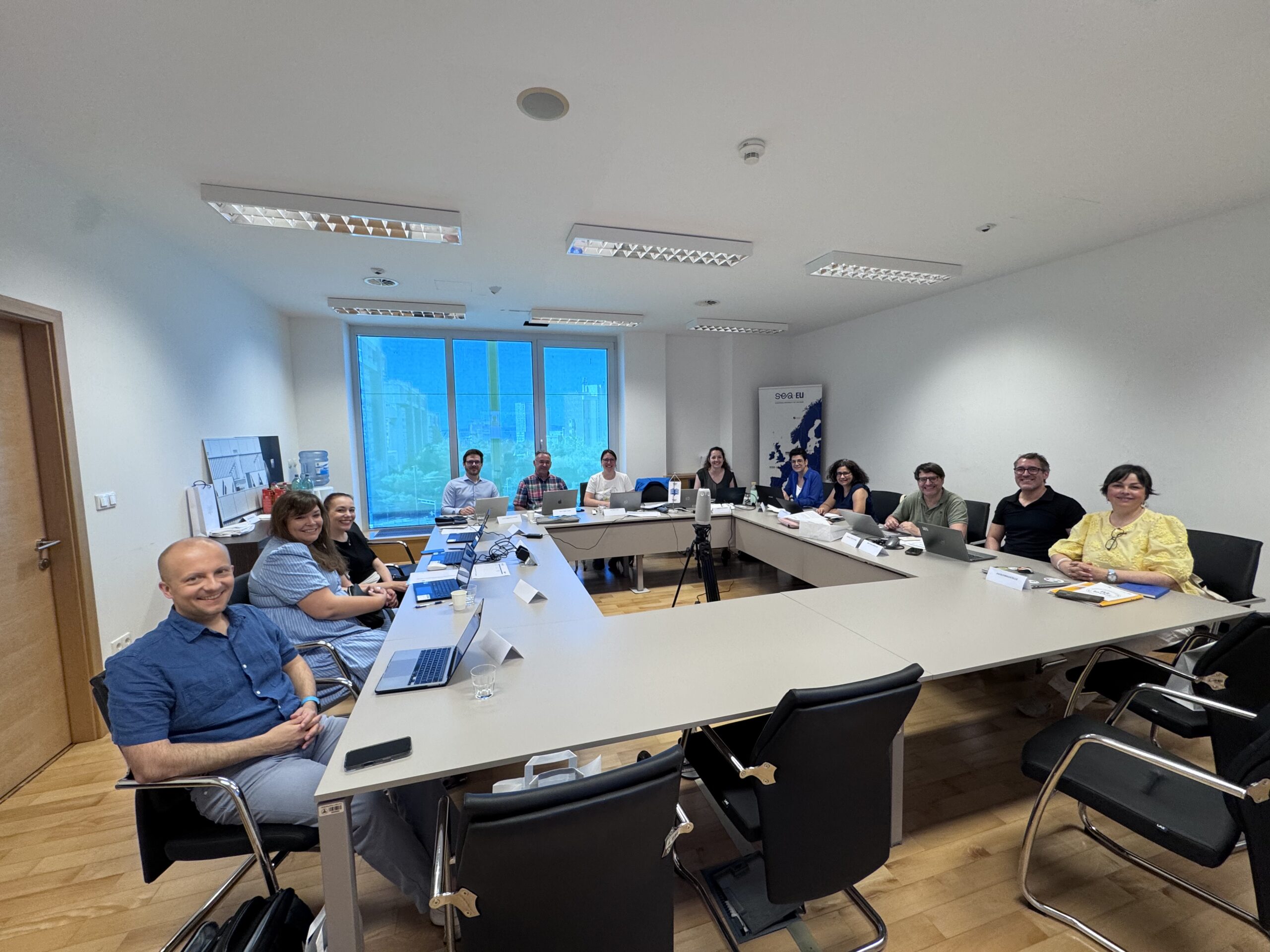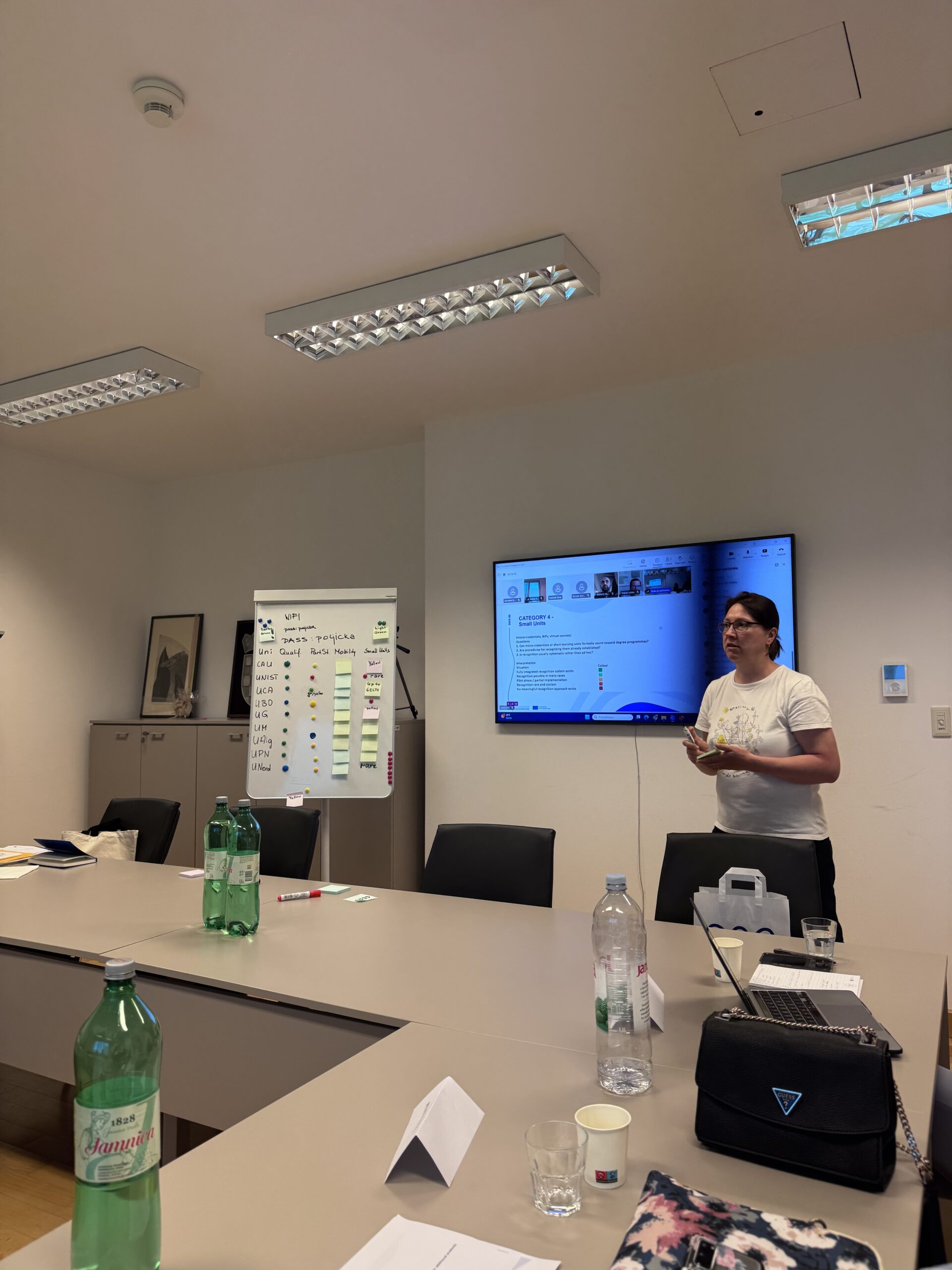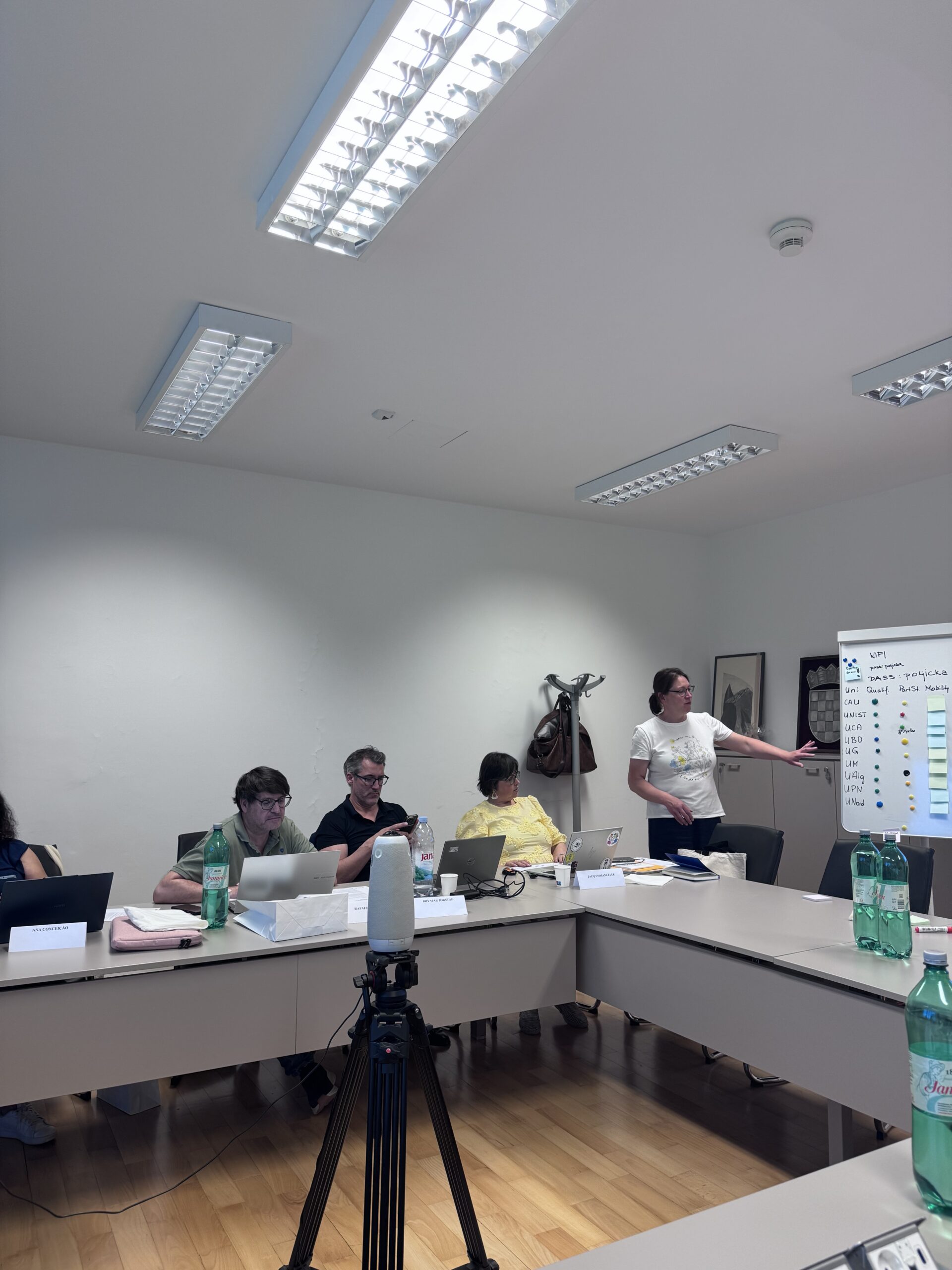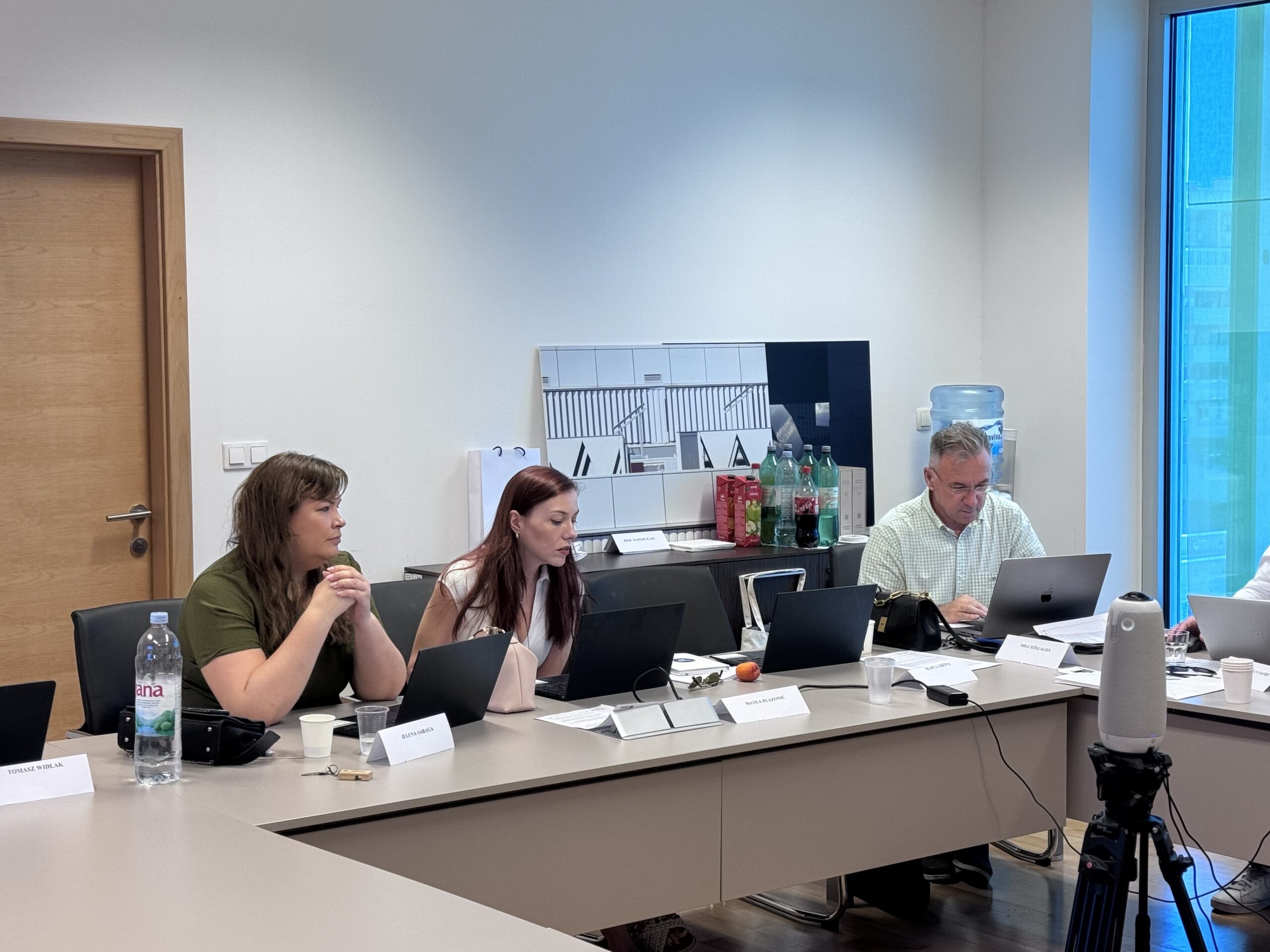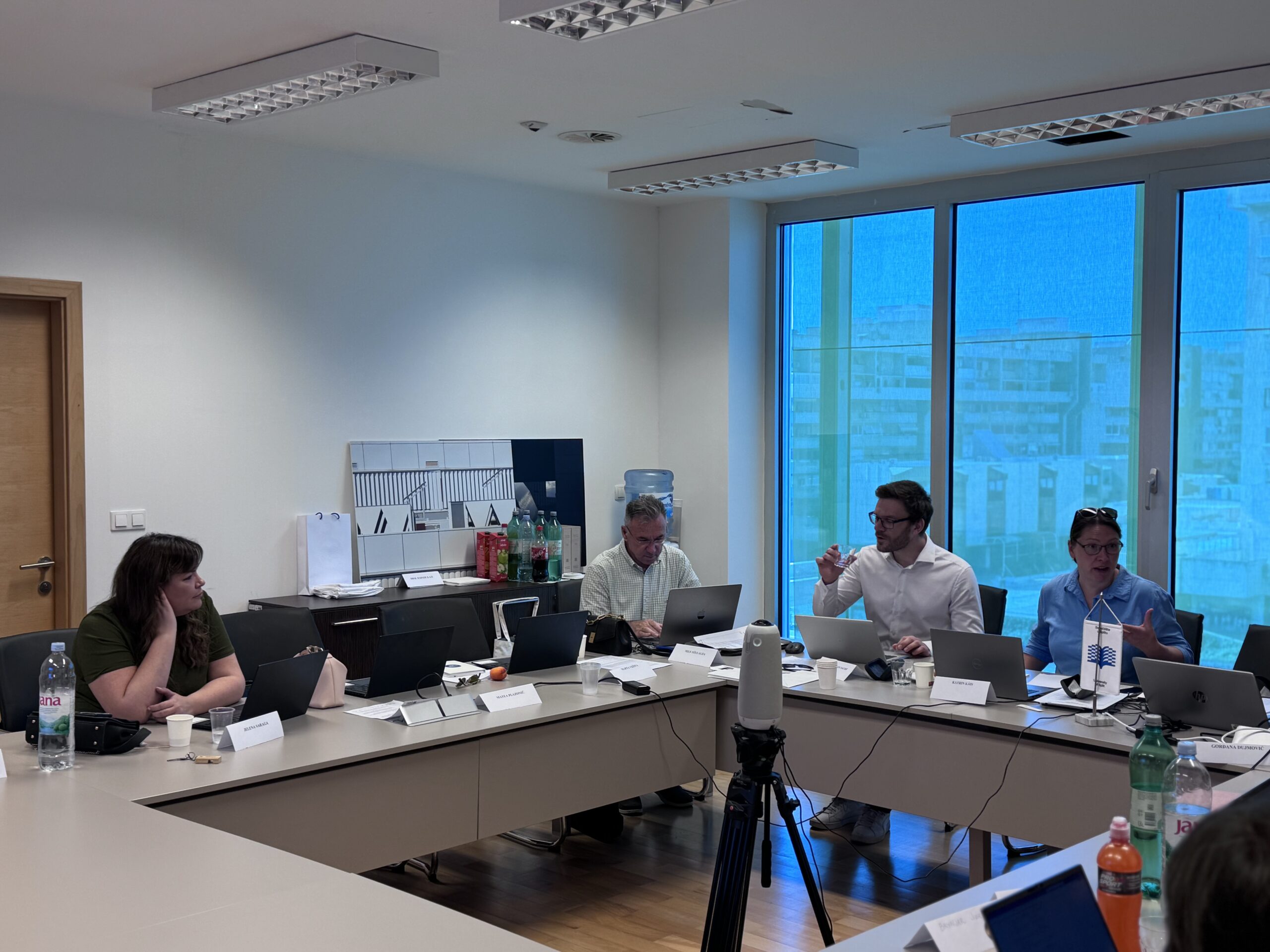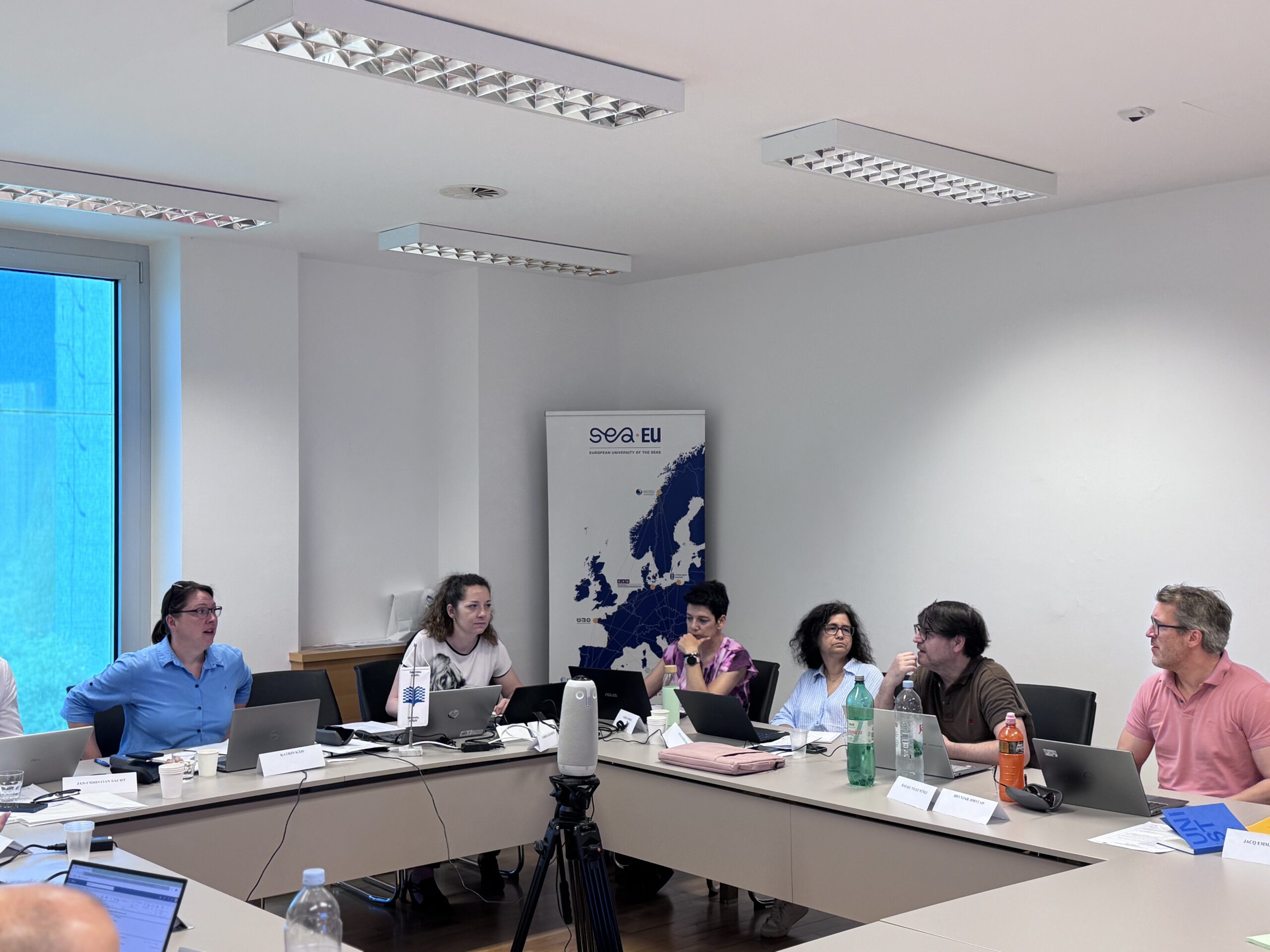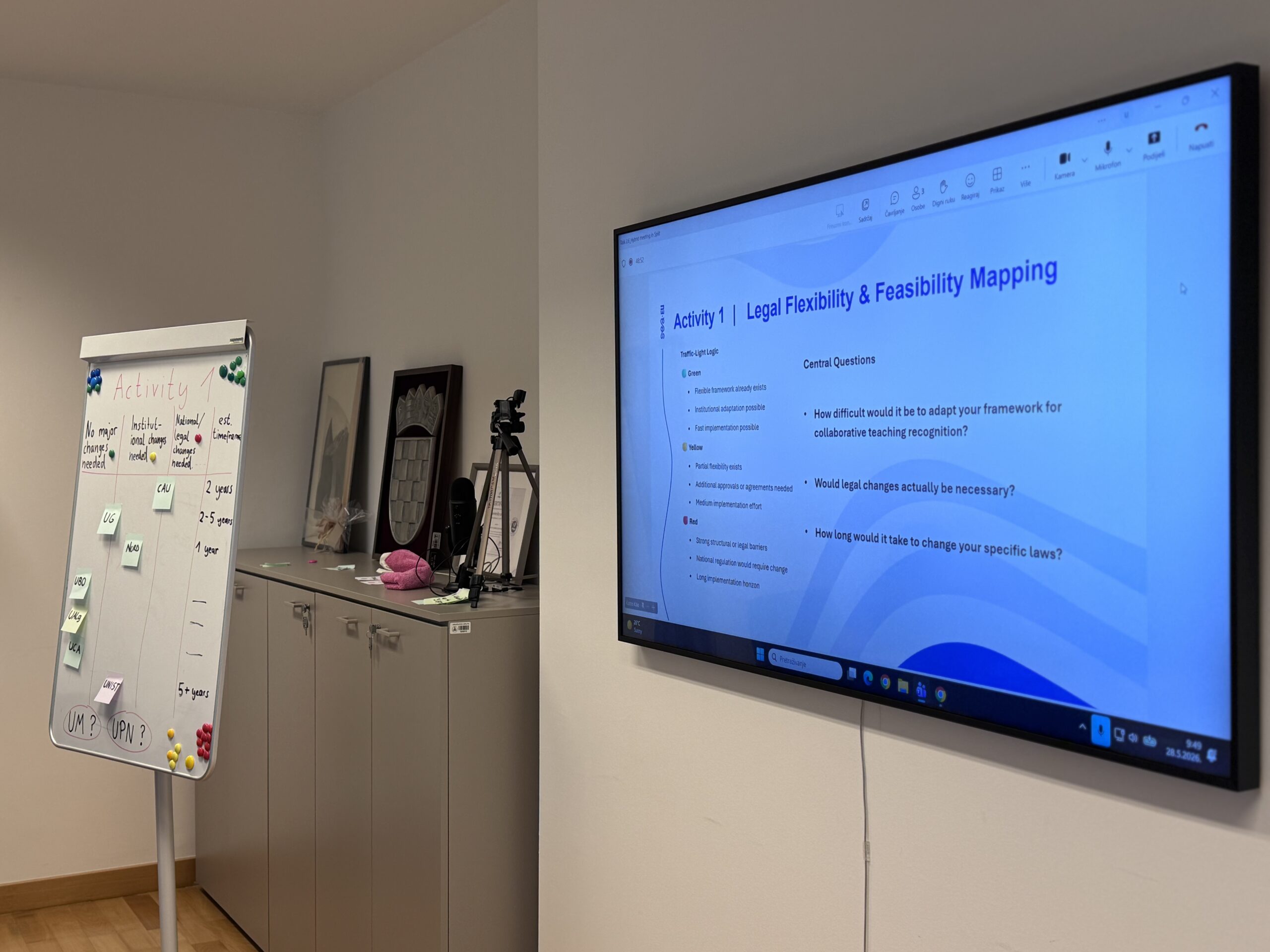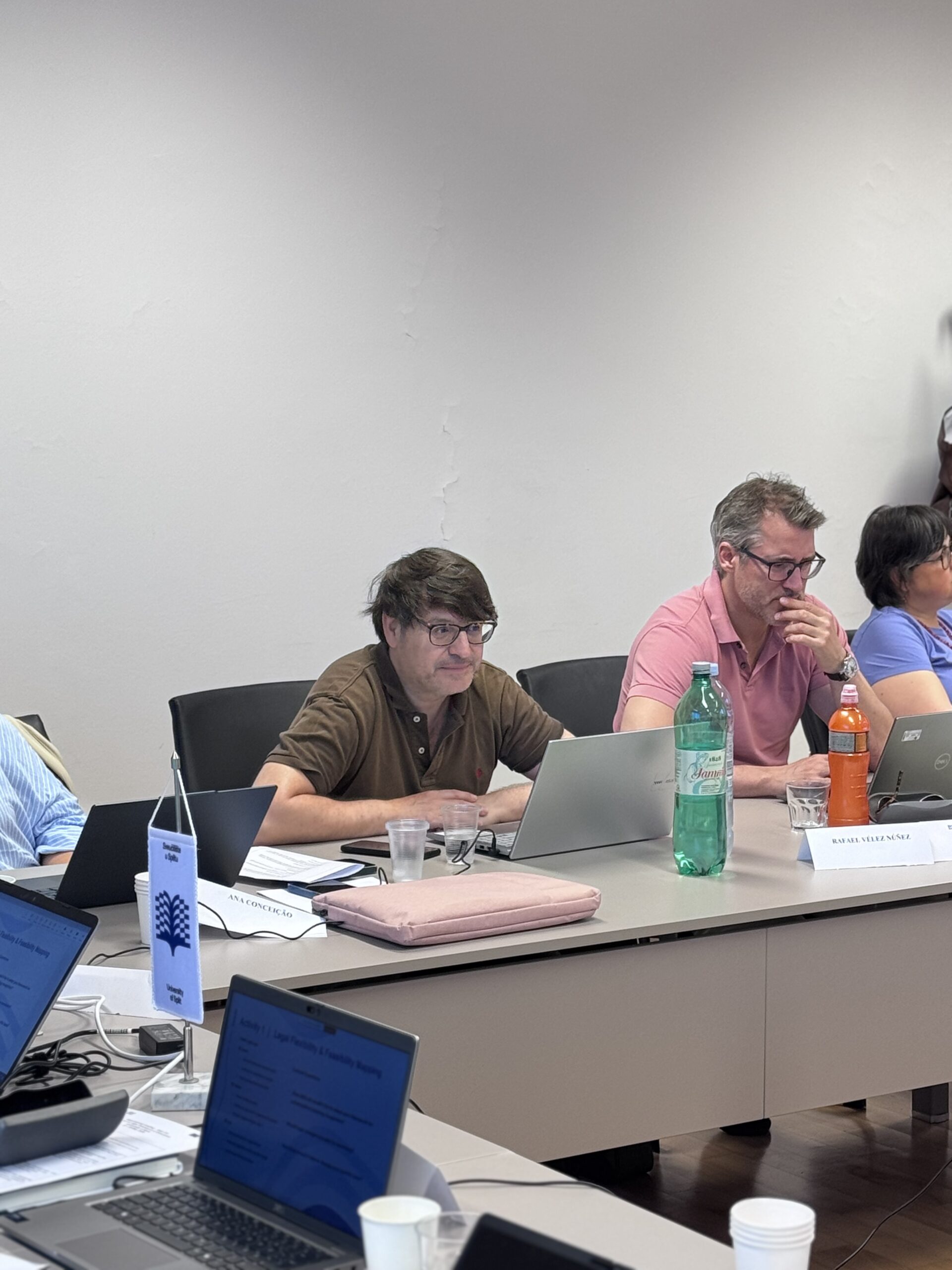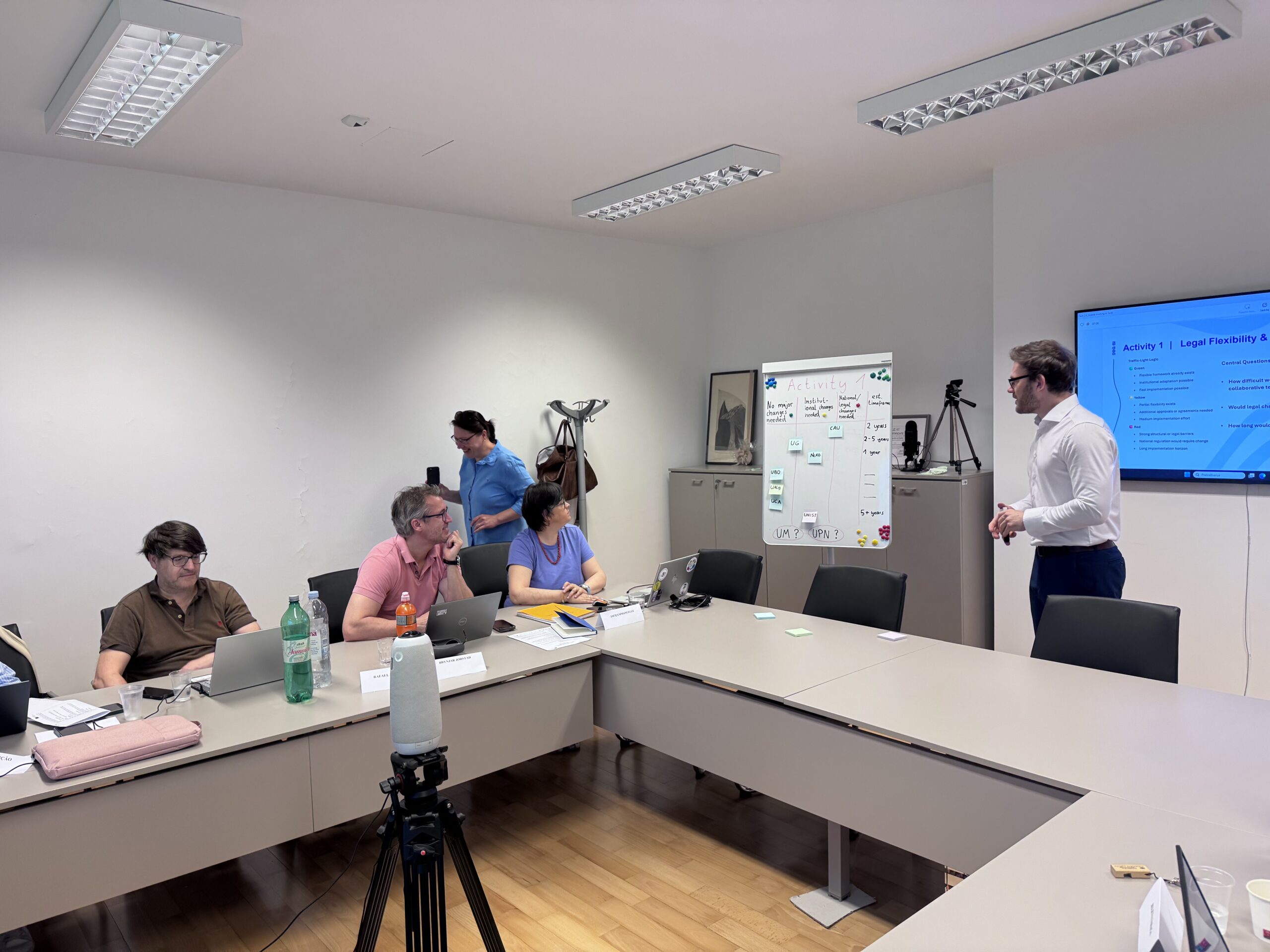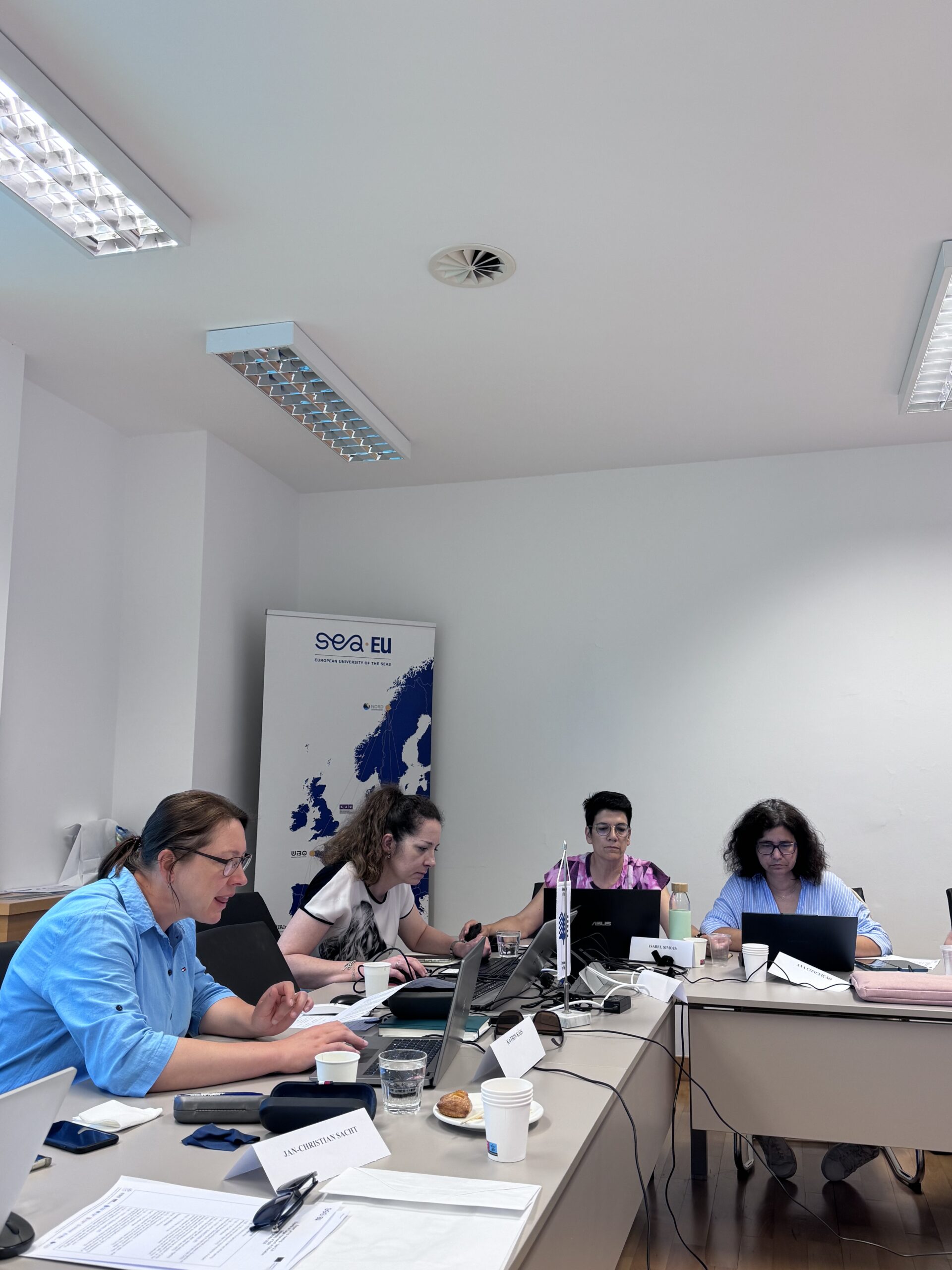
From 27 to 29 May 2026, the University of Split hosted the SEA-EU Task 2.6 meeting, bringing together legal and academic experts from partner universities across the Alliance. The meeting focused on strengthening cooperation and developing common legal approaches to support SEA-EU educational activities and joint programmes.
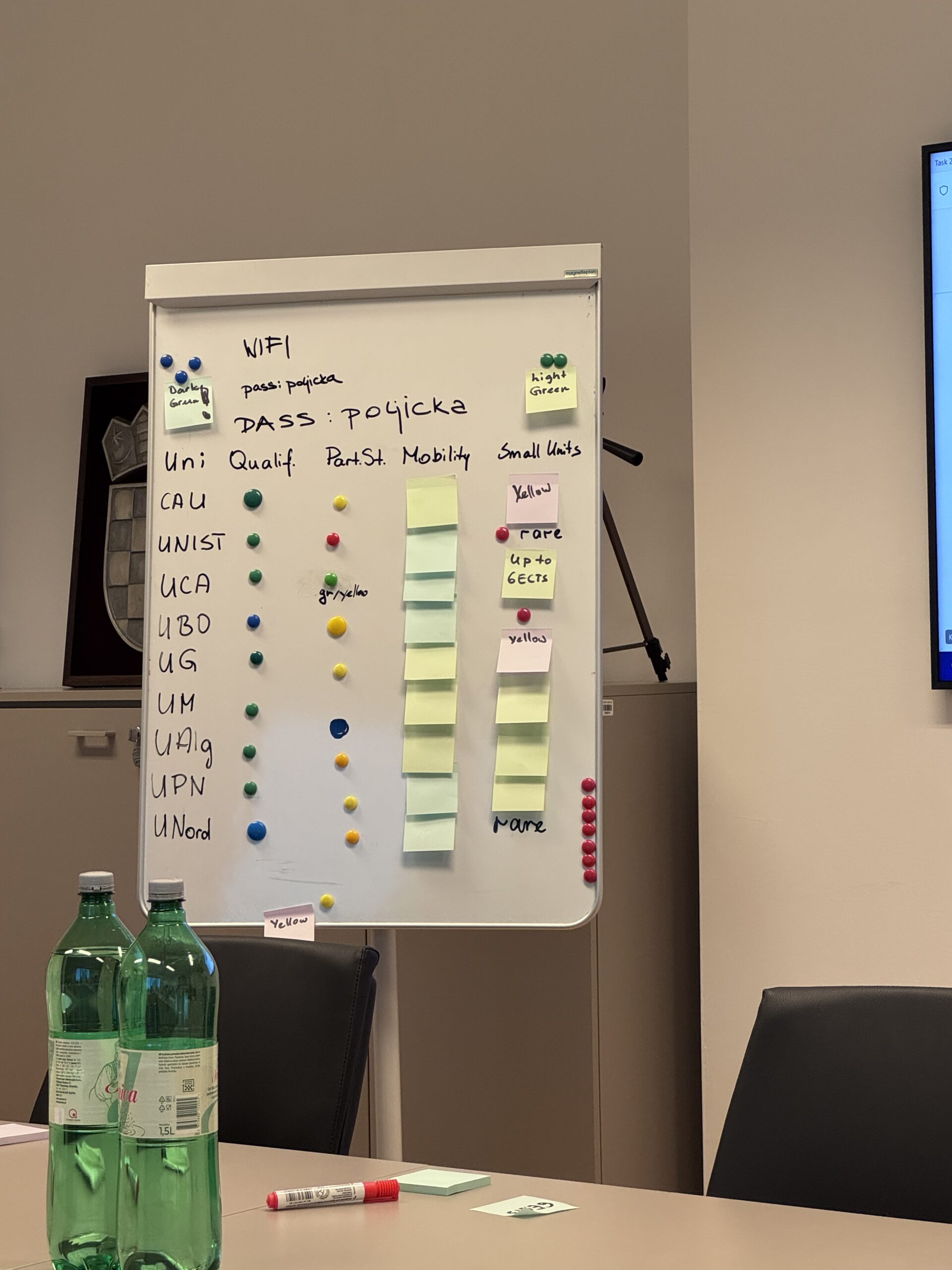
The first day was dedicated to academic recognition. Participants discussed common definitions for the mutual recognition of student achievements, the legal implications of automatic academic recognition across different national systems, and current challenges related to the recognition of educational activities within the Alliance. Experts also exchanged views on the recognition of joint degrees, Blended Intensive Programmes (BIPs), micro-credentials, and virtual learning opportunities.
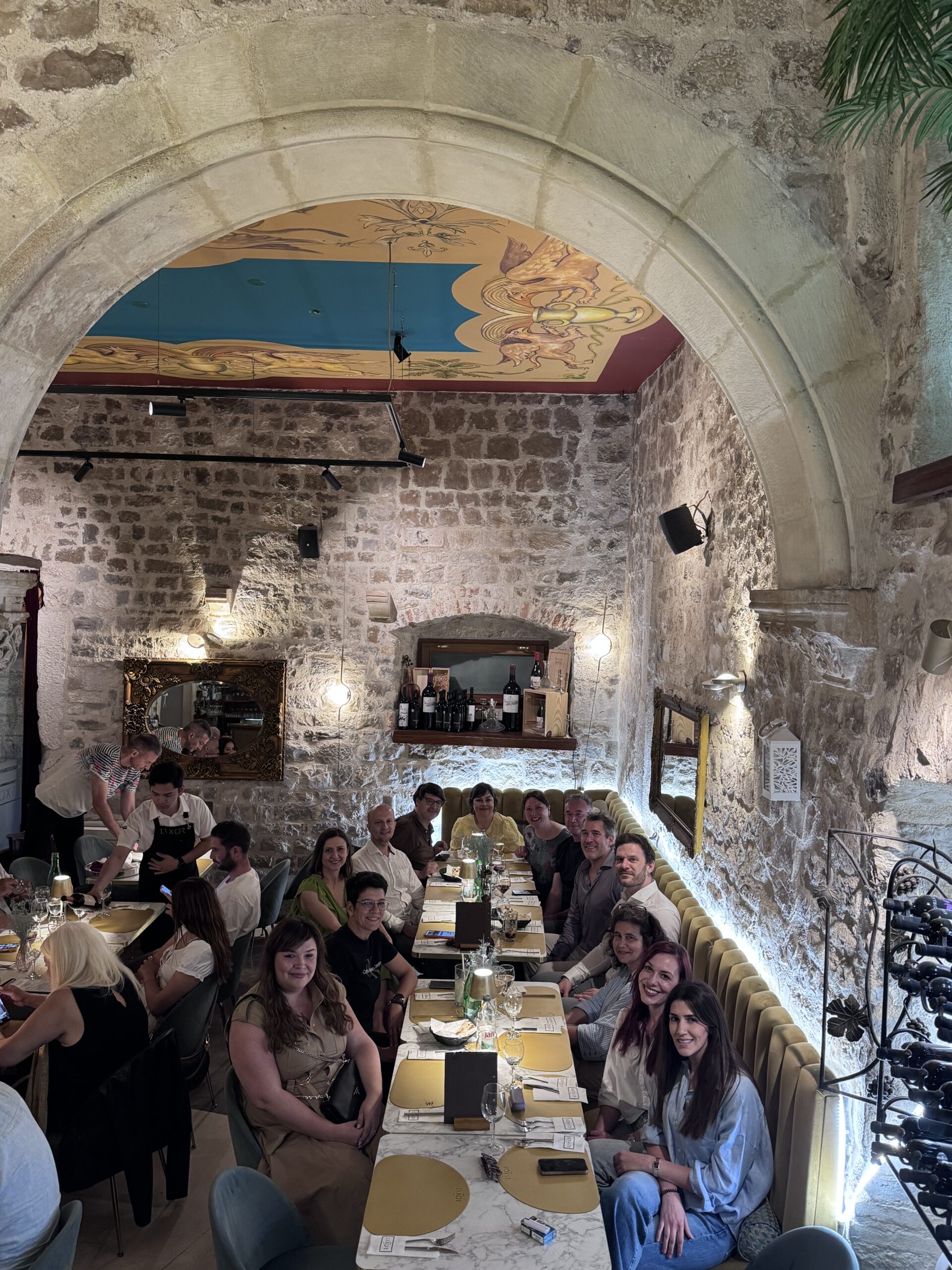
On the second day, discussions focused on the recognition of teaching activities and staff mobility. Participants explored ways to improve the comparability of teaching workloads across institutions and worked on a draft declaration aimed at facilitating the recognition of teaching delivered within the SEA-EU educational framework. The programme also addressed the status of students and doctoral candidates participating in joint educational offers, as well as the potential role of the European Student Card in supporting mobility and access to services across partner universities. The day ended with a lovely dinner at the Lvxor restaurant where we all enjoyed good food and live music.
The final day focused on digital education and doctoral cooperation. Experts discussed common regulations for e-assessment and digital examinations and exchanged experiences regarding national frameworks for joint doctoral programmes. These discussions contributed to the ongoing development of more integrated and legally sustainable educational opportunities across the Alliance.
The meeting provided an excellent opportunity for participants to exchange experiences, strengthen collaboration, and identify common solutions to legal and administrative challenges in higher education. By bringing together expertise from across the Alliance, Task 2.6 continues to support the development of innovative and accessible educational opportunities within SEA-EU.