Split becomes a meeting place for students from across Europe and the world this October. The University of Split is hosting the first cohort of two new international joint master’s programmes: the Joint Master’s Programme in Port Management and Logistics (MIPMAL), focused on port management and maritime logistics, and Sustainability Transition for Organisations and Resilience Management (STORM), dedicated to the sustainable transition of organisations and resilience management. These two-year master’s programmes are delivered in English and were developed within the European University of the Seas – SEA-EU Alliance.
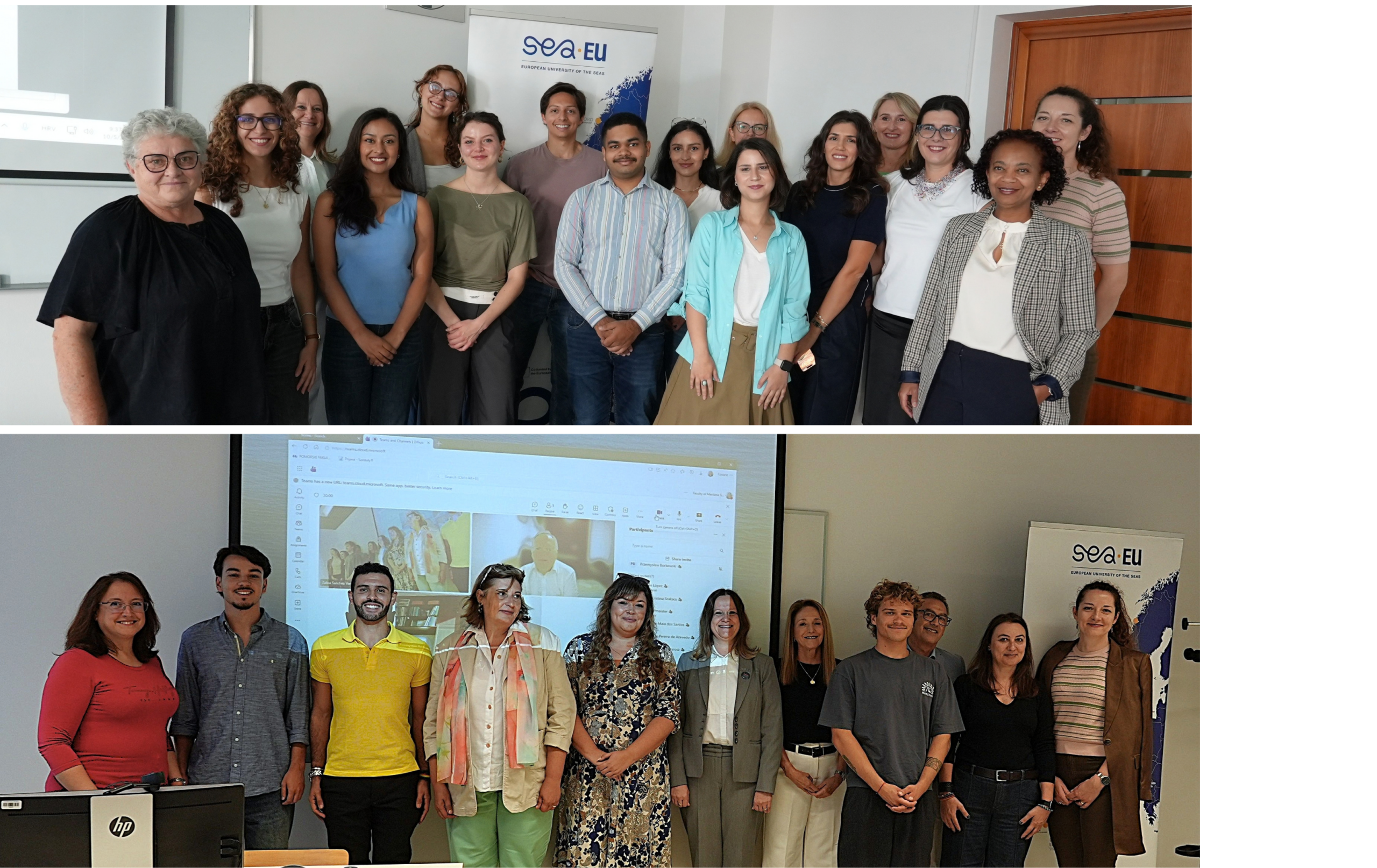
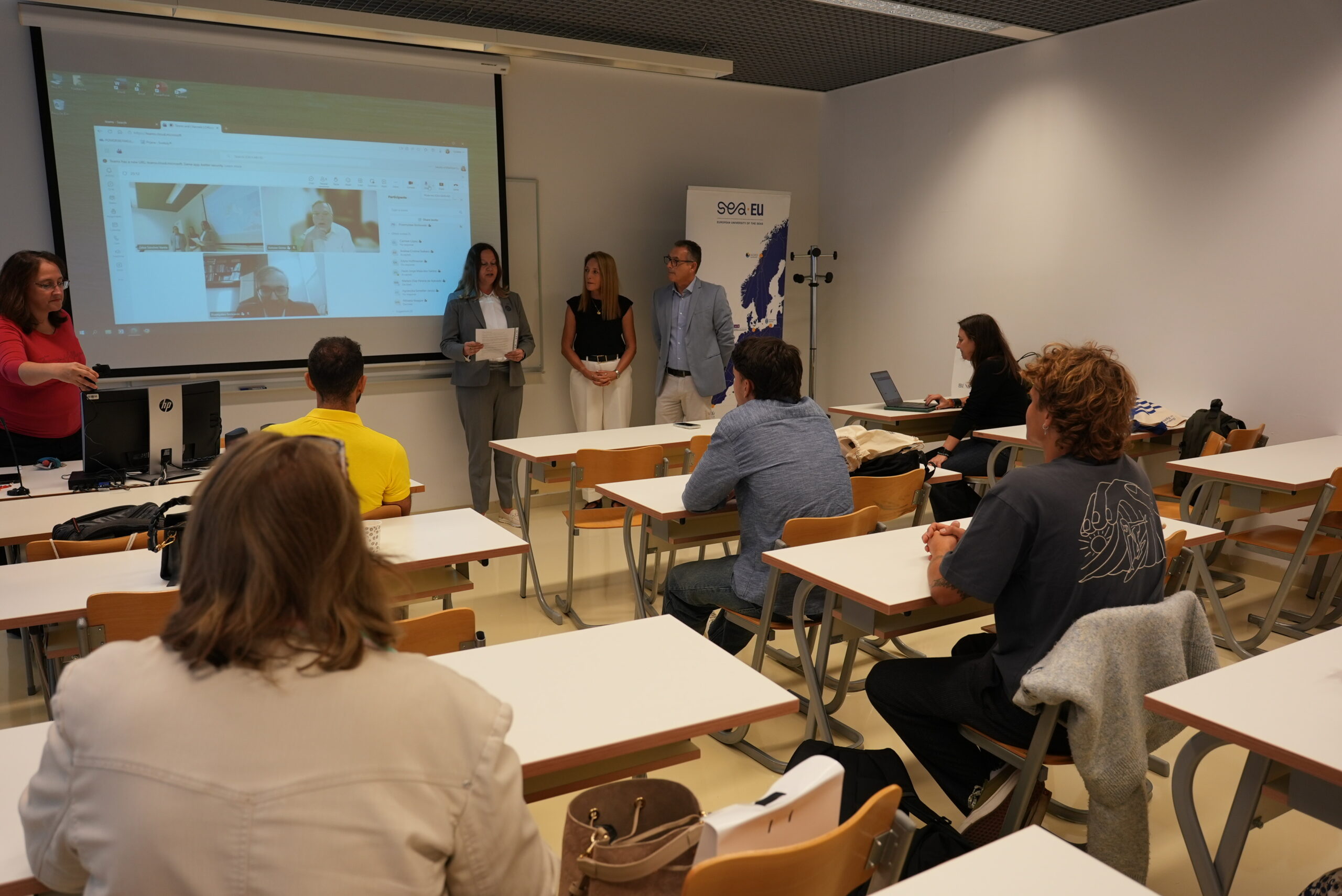
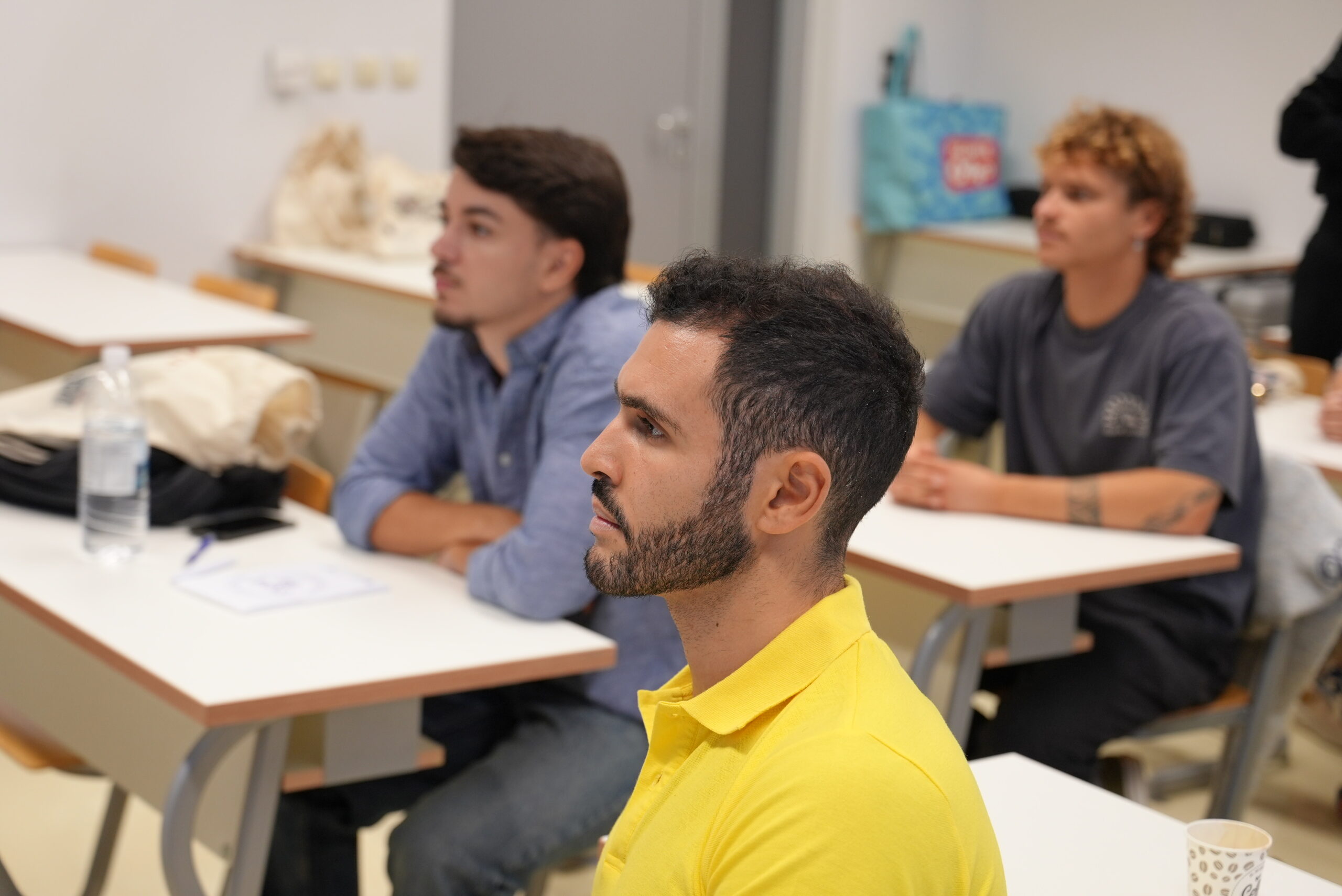
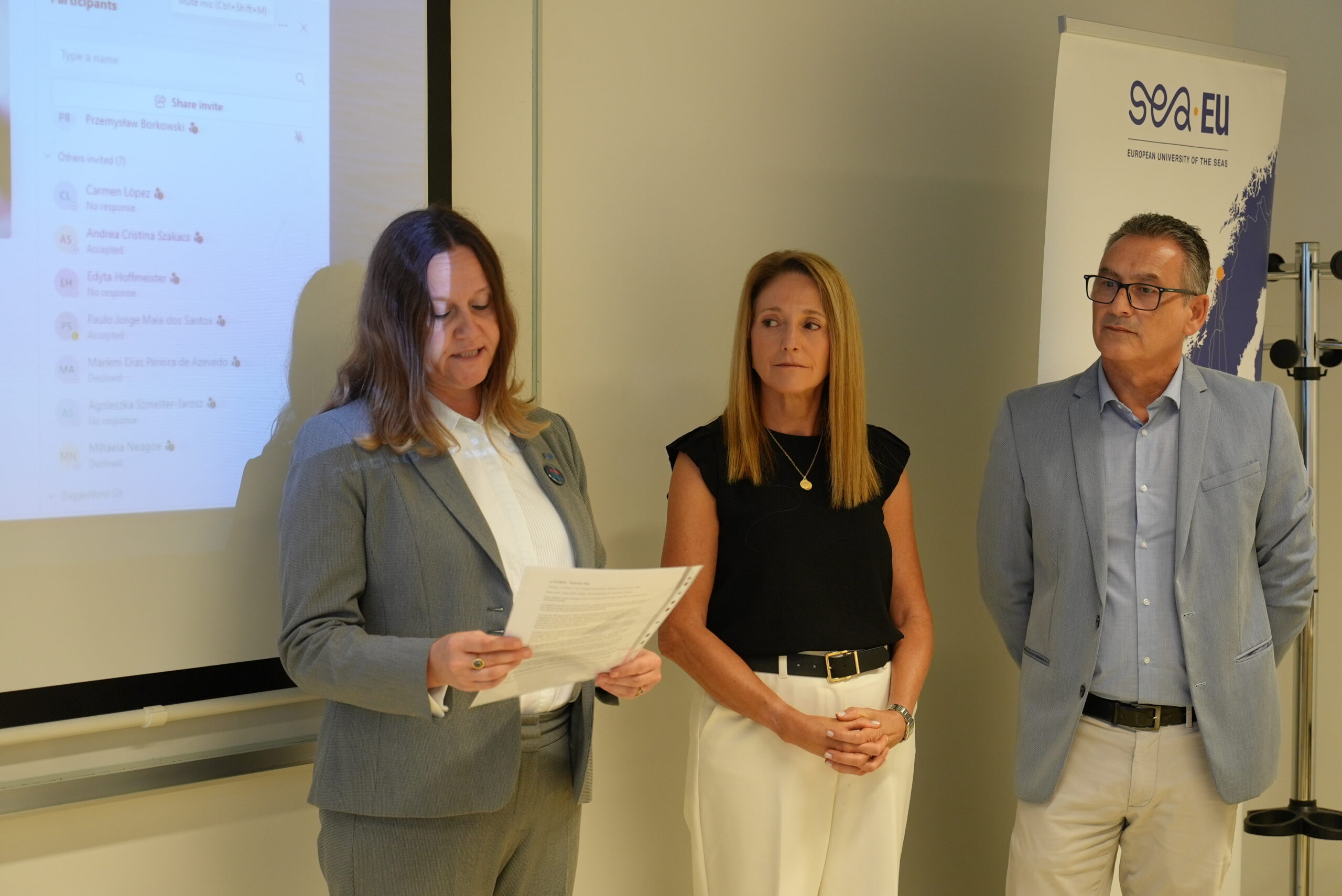
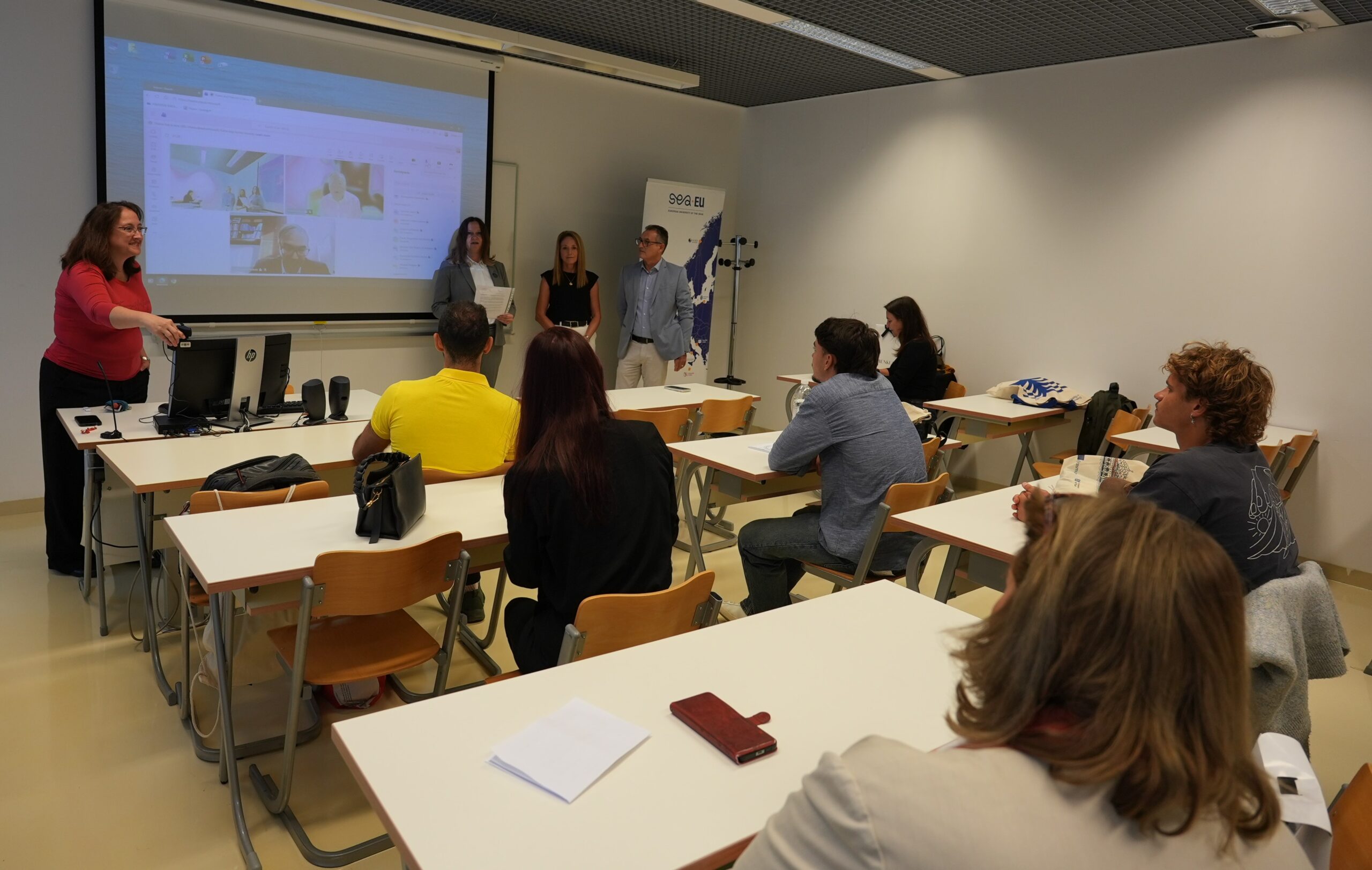
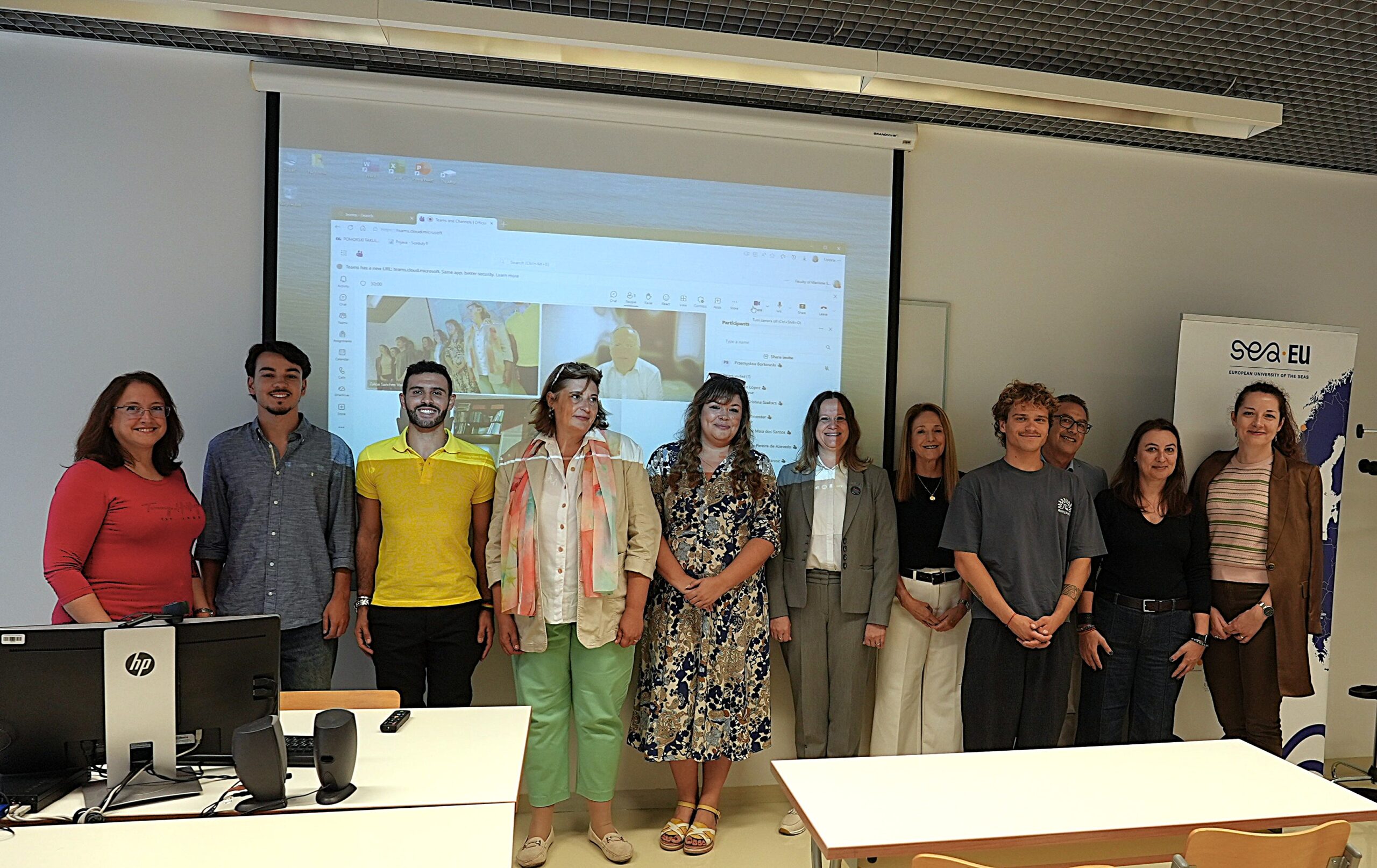
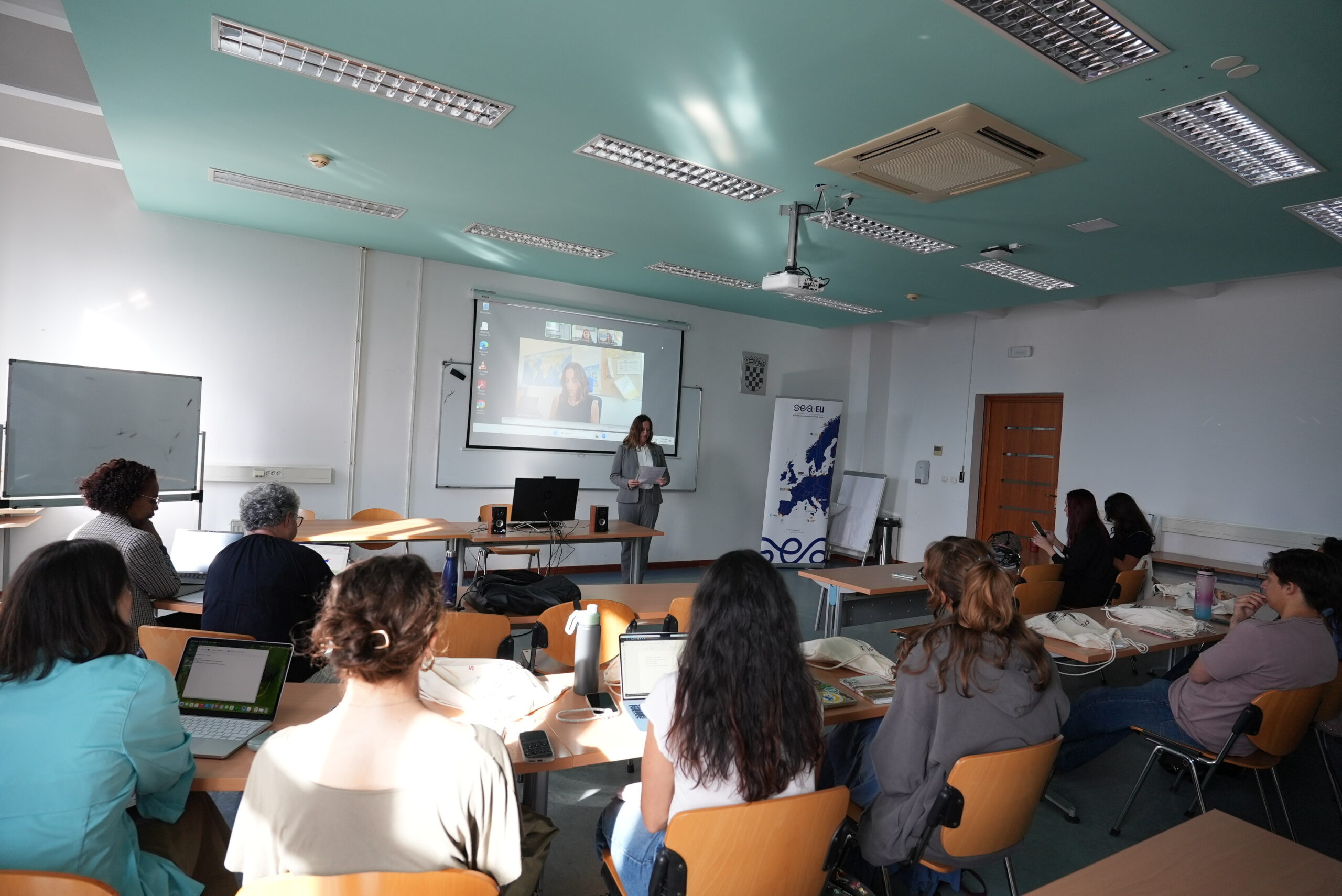
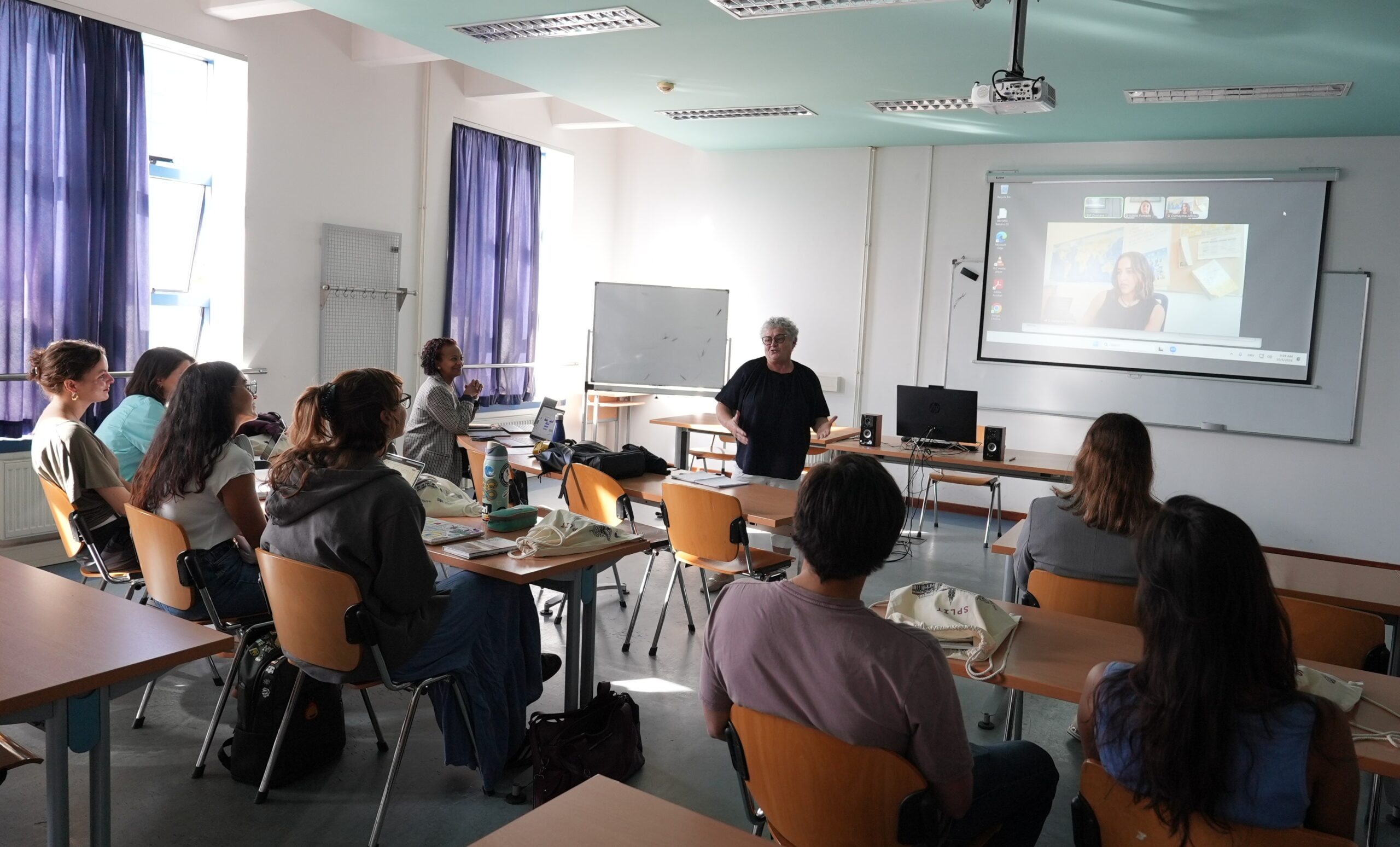
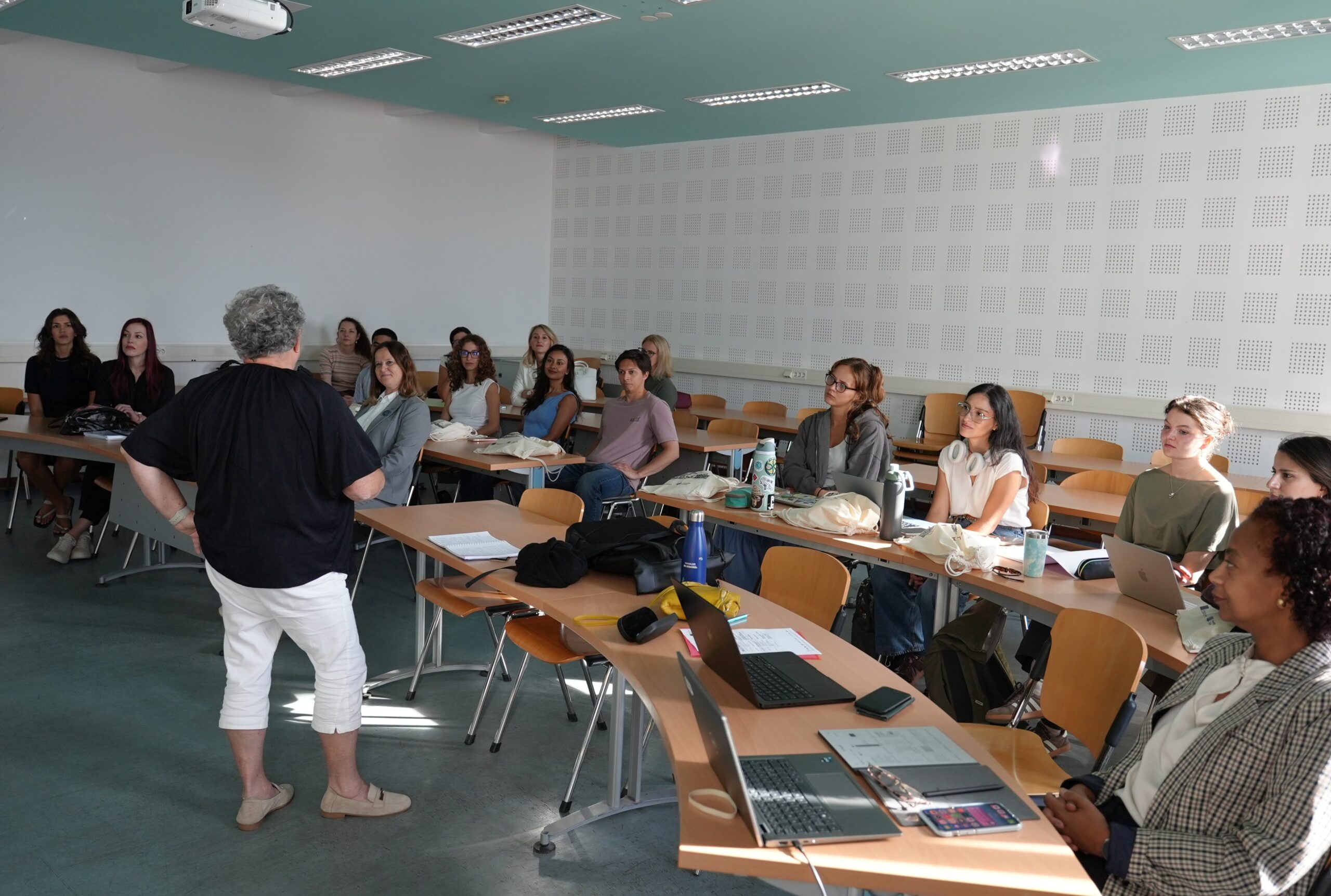
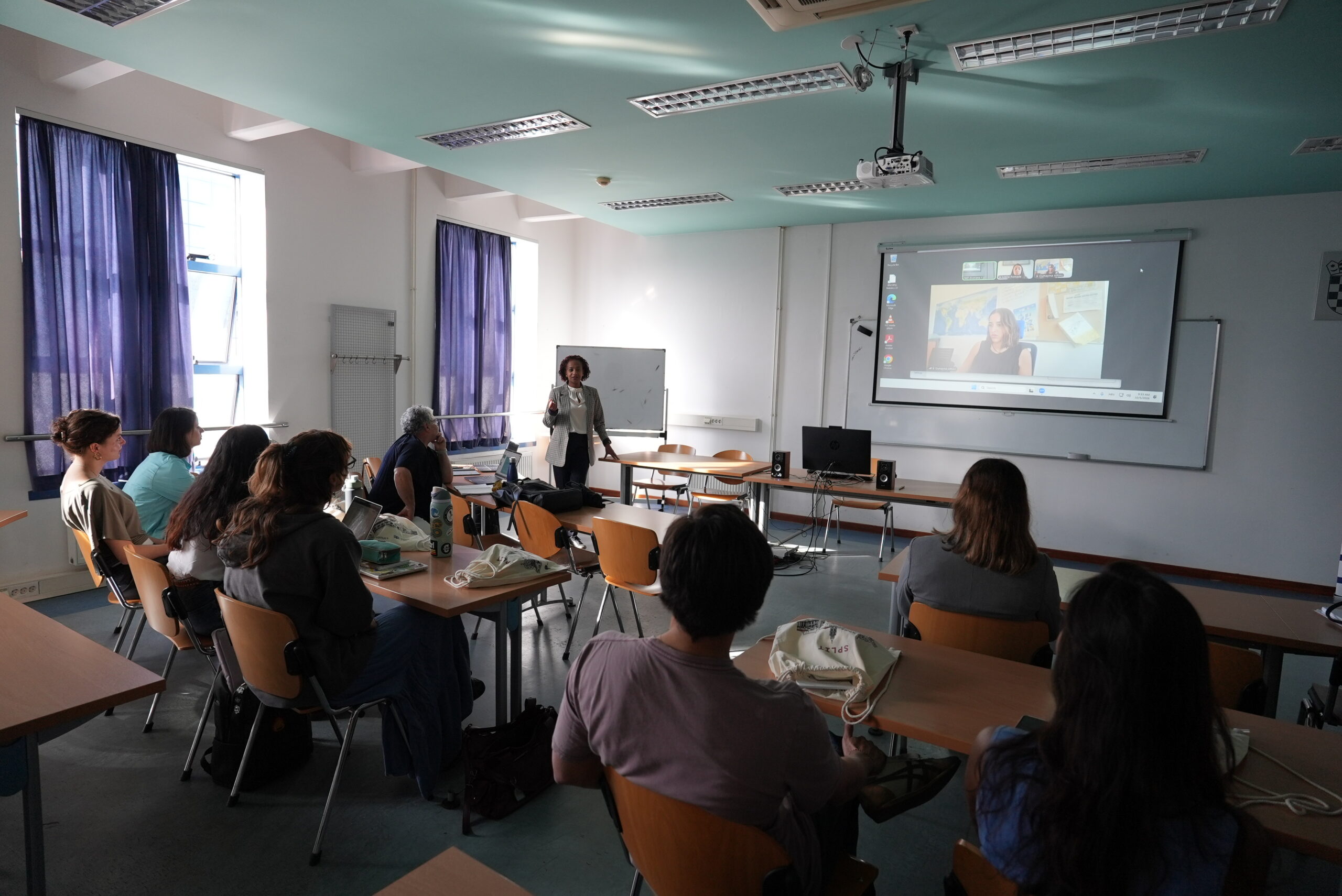
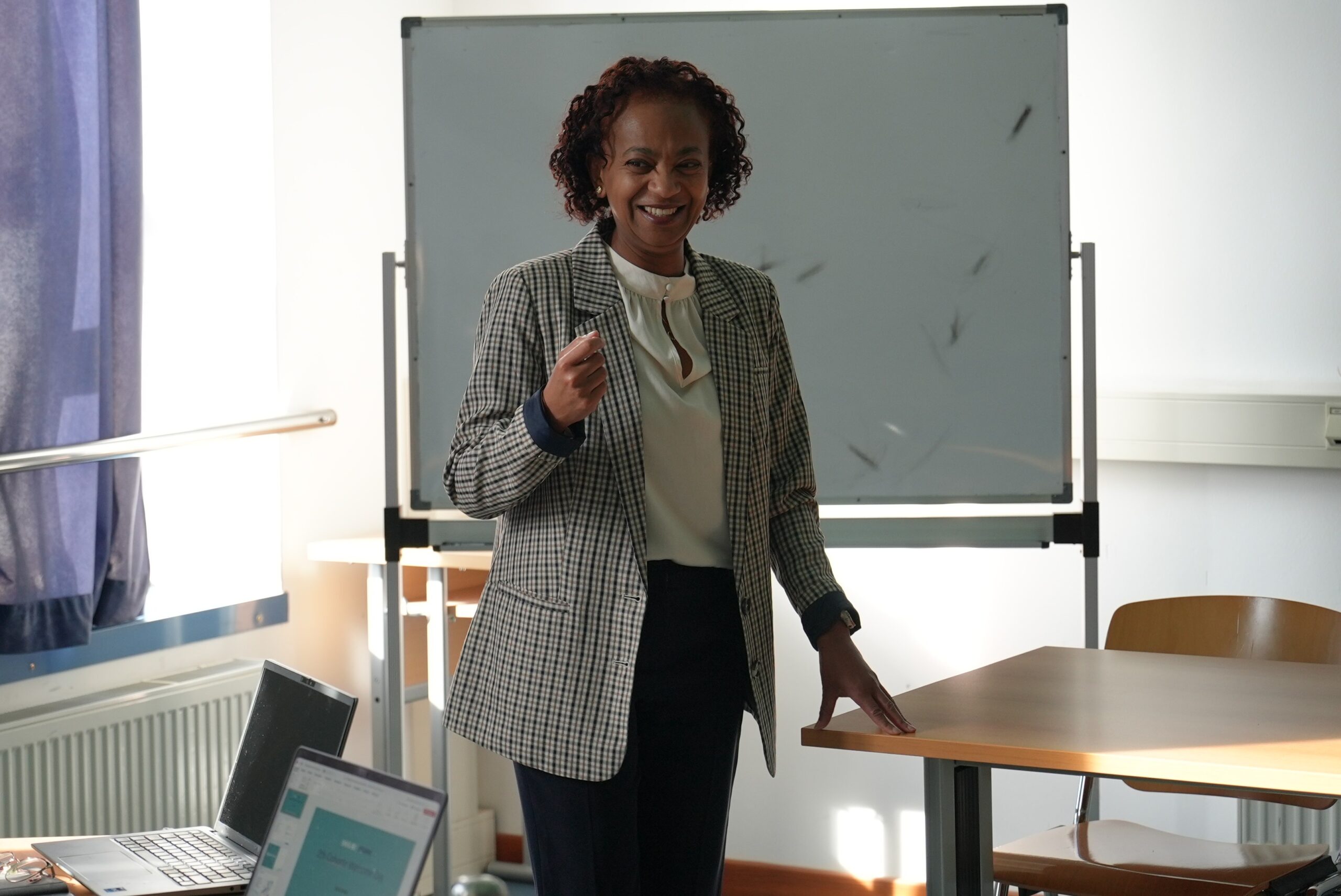
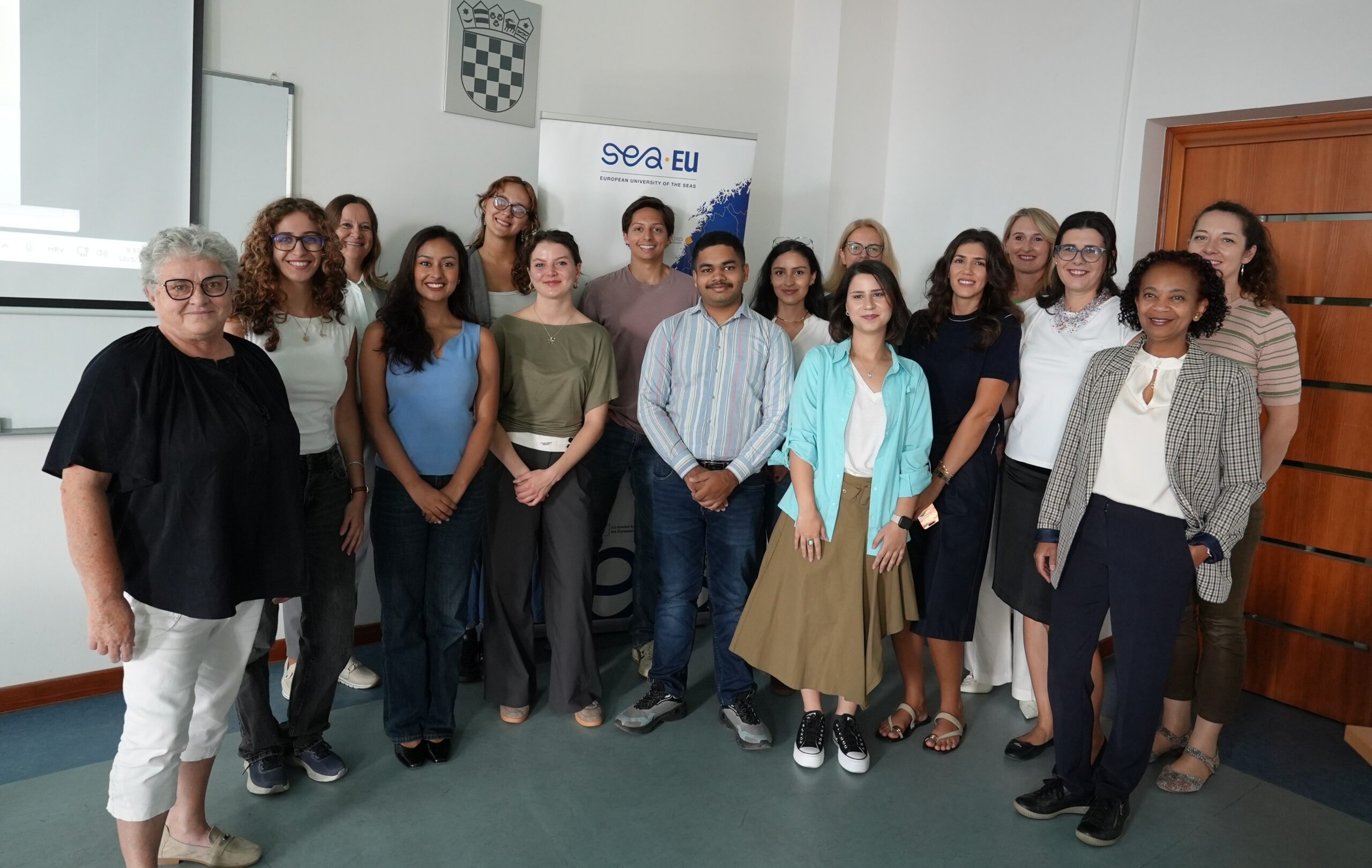
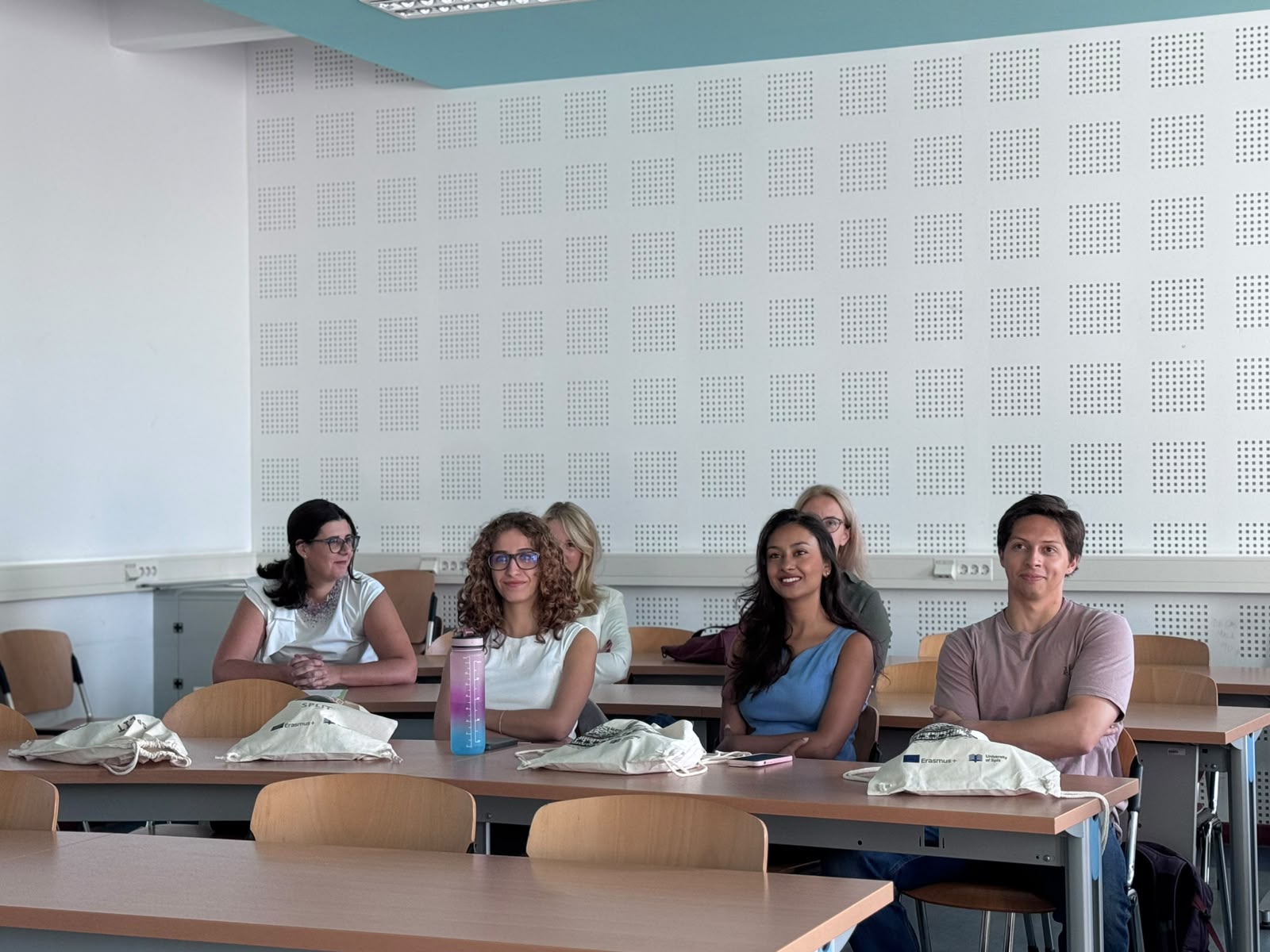
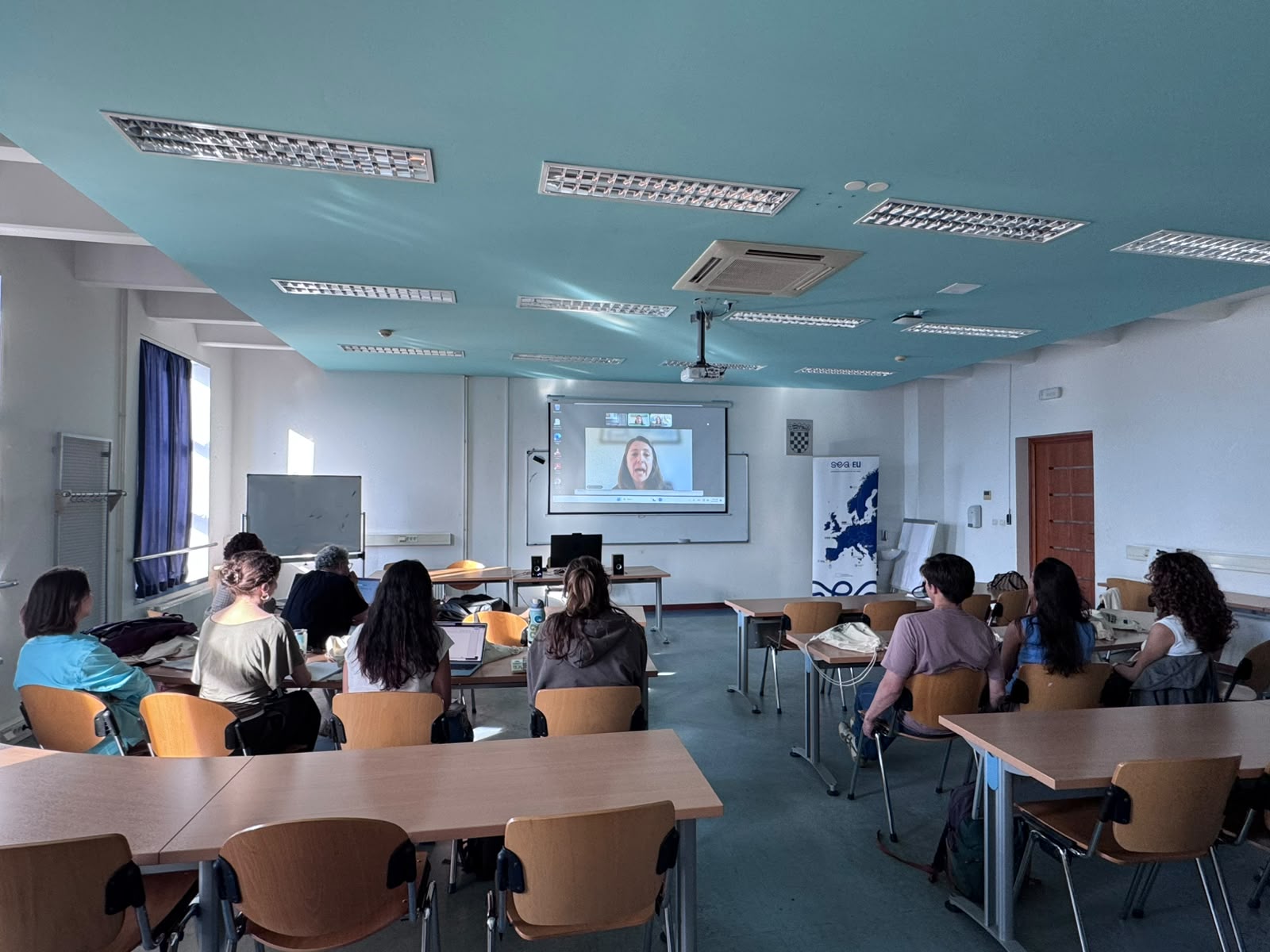
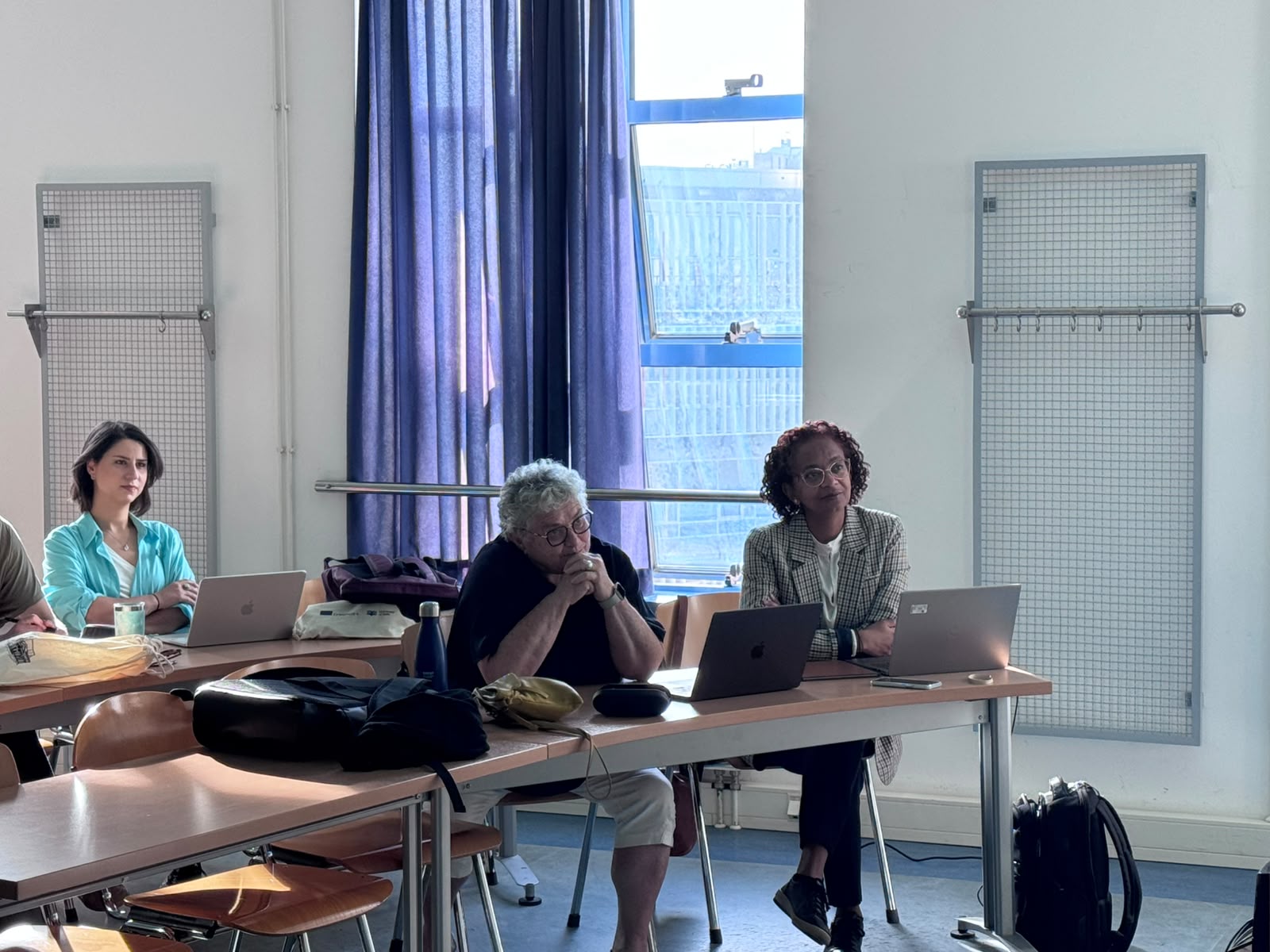
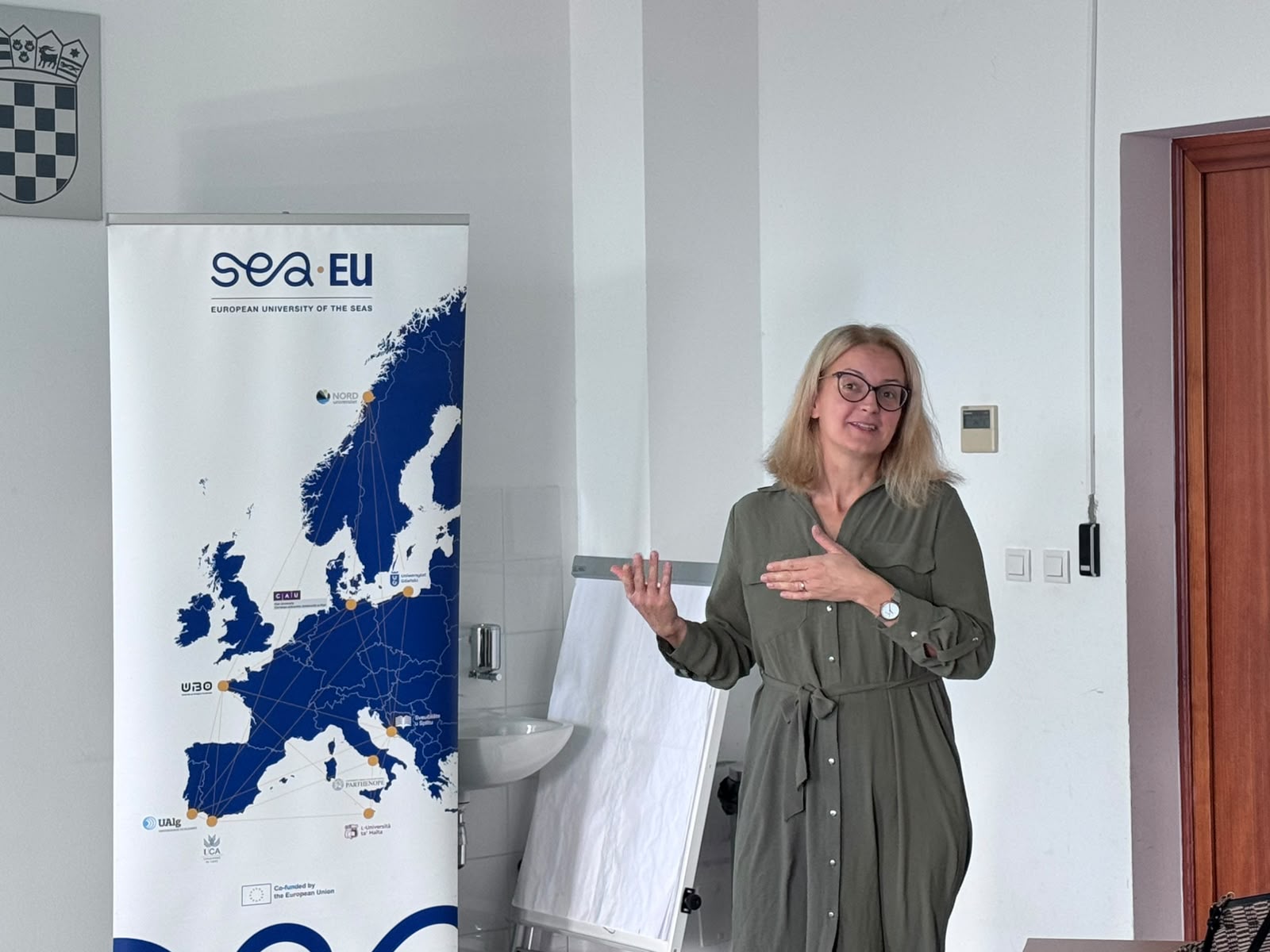
To mark the beginning of this new academic chapter, a Welcome Day was held on Monday, 5 October, at the Faculty of Maritime Studies and the Faculty of Economics for the first generation of students.
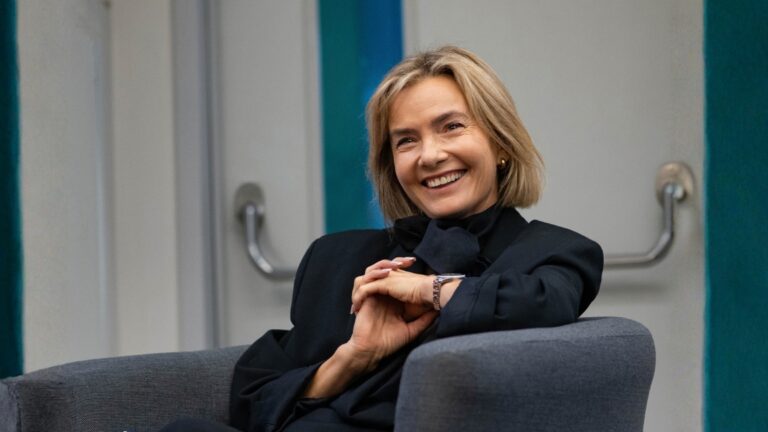
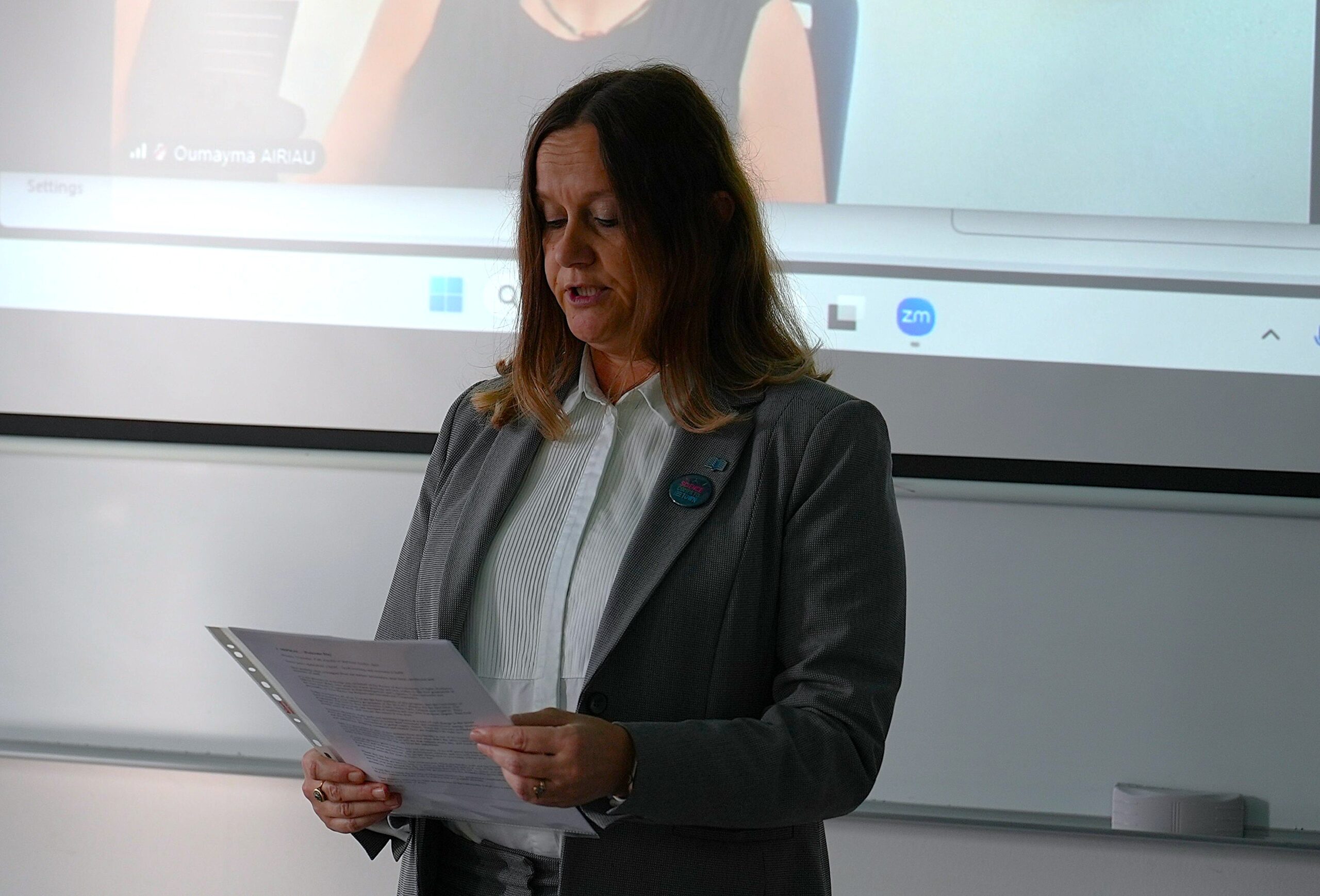
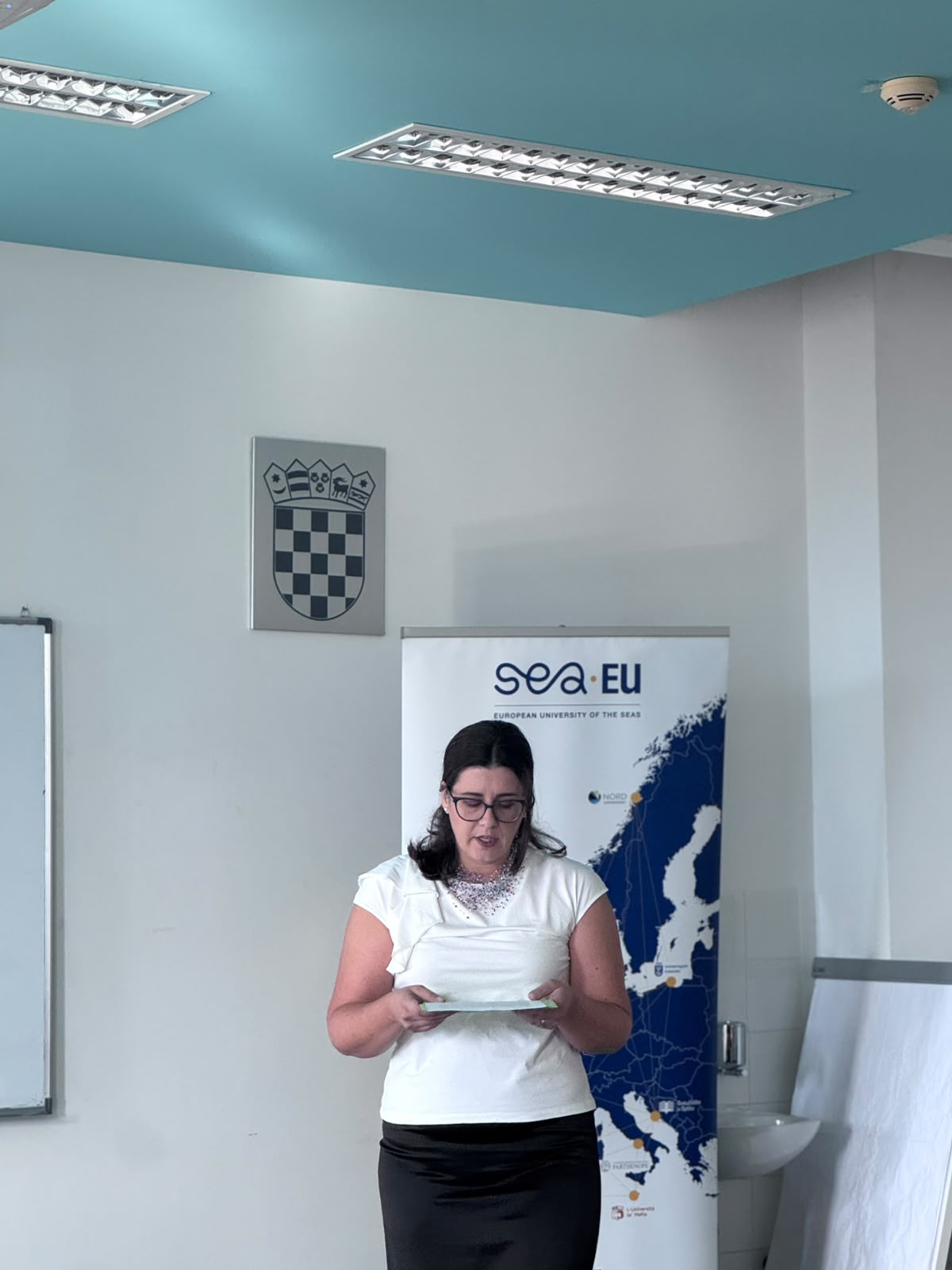
On this occasion, Prof. Katarina Vukojević, PhD, Vice-Rector for Projects and International Cooperation, welcomed the students and highlighted that it is a great honour for the University of Split to host the first cohorts of these international joint master’s programmes.
“The programme connects five European universities – Cádiz, Malta, Split, Gdańsk and Algarve – and provides students with the opportunity to gain international experience and build professional networks across Europe. Particular emphasis is placed on current challenges facing the maritime sector, such as port digitalisation, emissions reduction, the use of new energy sources and competitiveness in global supply chains. Split is an ideal place for this type of programme, as it allows you to connect theoretical knowledge with the experience of one of the most important passenger port hubs in the Mediterranean,” Vice-Rector Vukojević told the MIPMAL students.
Addressing the STORM students, she emphasised the importance of developing a flexible and resilient approach to management:
“The programme develops what we call a ‘sailor-manager’ mindset – the ability to adapt to changing circumstances without losing sight of your direction. Through international experience, working in different academic and cultural environments and collaborating with colleagues from different countries, you will have the opportunity to develop the flexibility, resilience and skills needed to manage organisations in the future. As the first cohort, you have a special role, as your experiences and feedback will contribute to the further development of the programme,” she said.
The STORM programme brings together six European universities – Cádiz, Brest, Malta, Split, Gdańsk and Nord – within the SEA-EU Alliance.
In addition to these master’s programmes, the Alliance has also launched the international joint bachelor’s programme Sustainable Blue Economy (SeaBluE). This three-year programme begins its first academic year at the University of Cádiz in Spain. In the following years, students will have the opportunity to choose specialisations and continue their studies at other partner universities, including the University of Split.
The value of all these joint programmes lies in the fact that they are not traditional degree programmes offered by a single university. Instead, students have the opportunity to study at different partner universities throughout their degree, following a jointly coordinated curriculum and teaching programme. Upon completion, they receive an internationally recognised joint European degree.
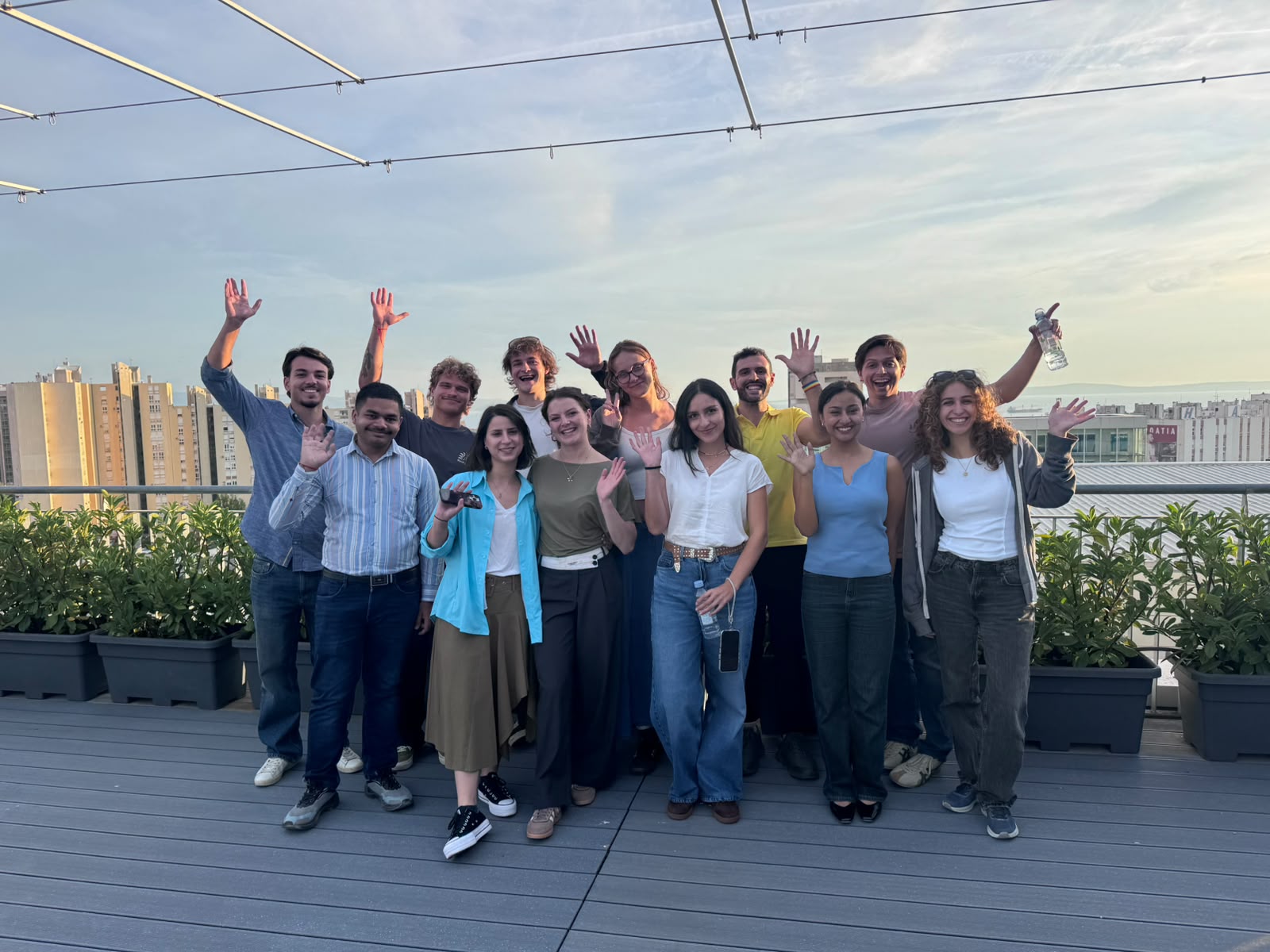
Following the welcome session and meetings with academic staff, an informal gathering was organised for the students with the support of Erasmus Student Network (ESN), giving them an opportunity to connect with one another and settle into the Mediterranean rhythm of Split from their very first day.