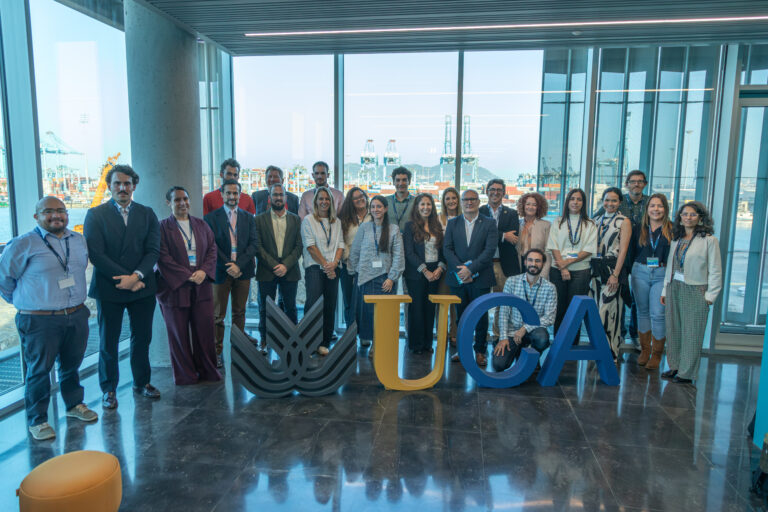
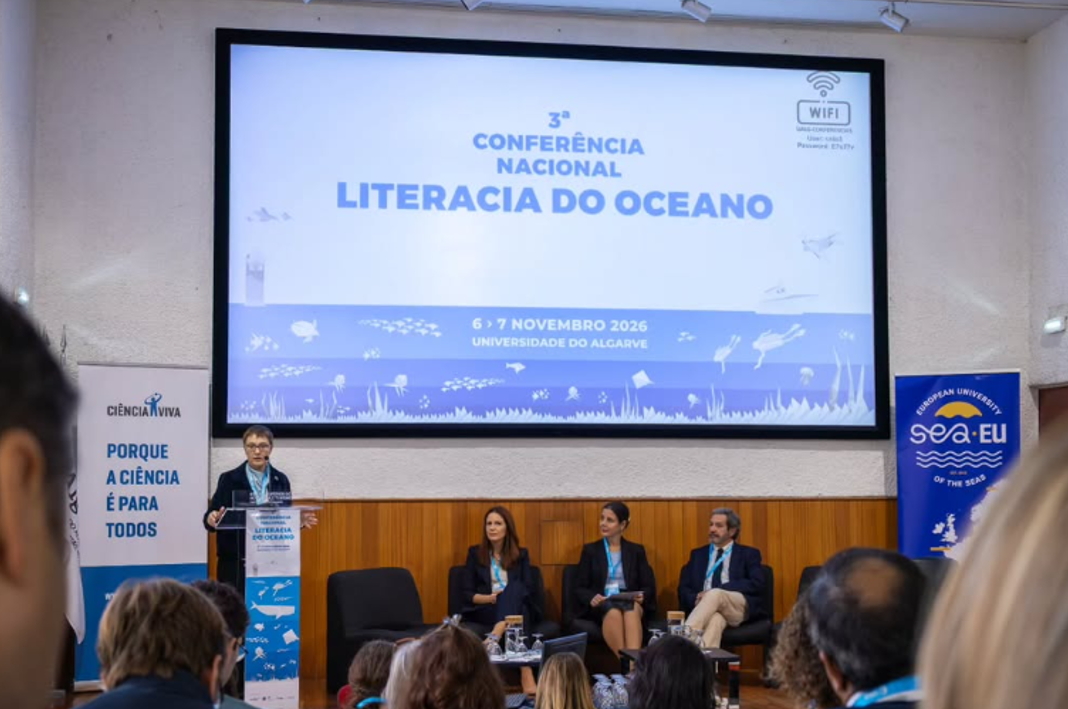
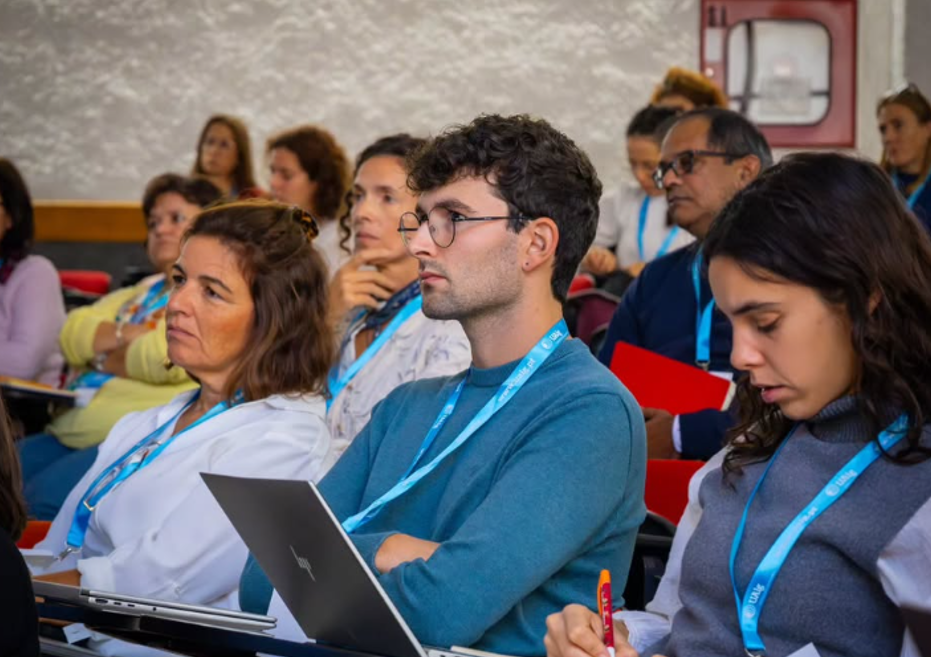
The University of Algarve (UAlg), through its SEA-EU Office, co-organised the 3rd National Ocean Literacy Conference on 6 and 7 November 2026 at its Penha Campus in Faro. Held in southern Portugal for the first time, the conference brought together more than 200 participants to share ways of helping communities better understand and protect the ocean.
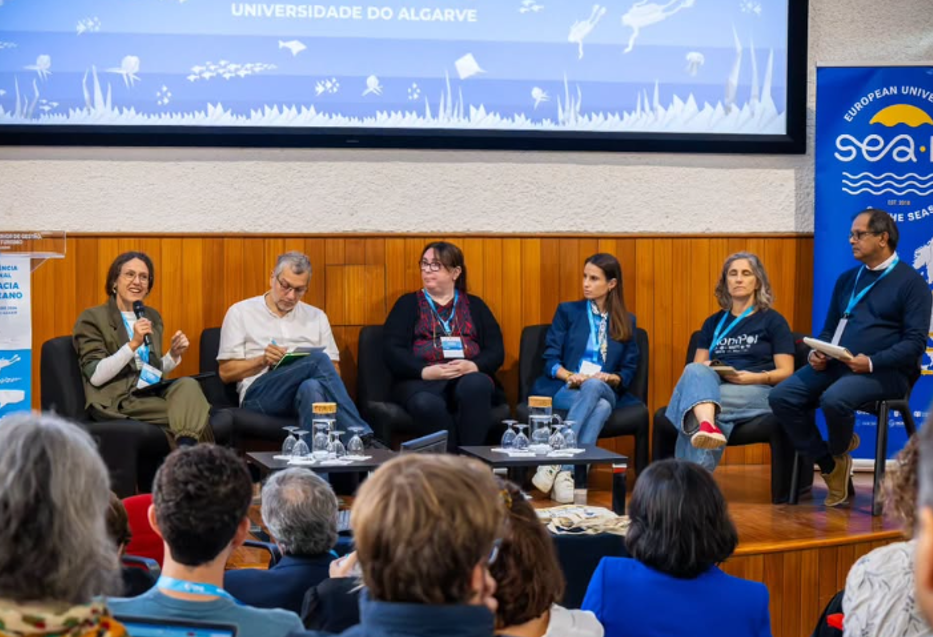
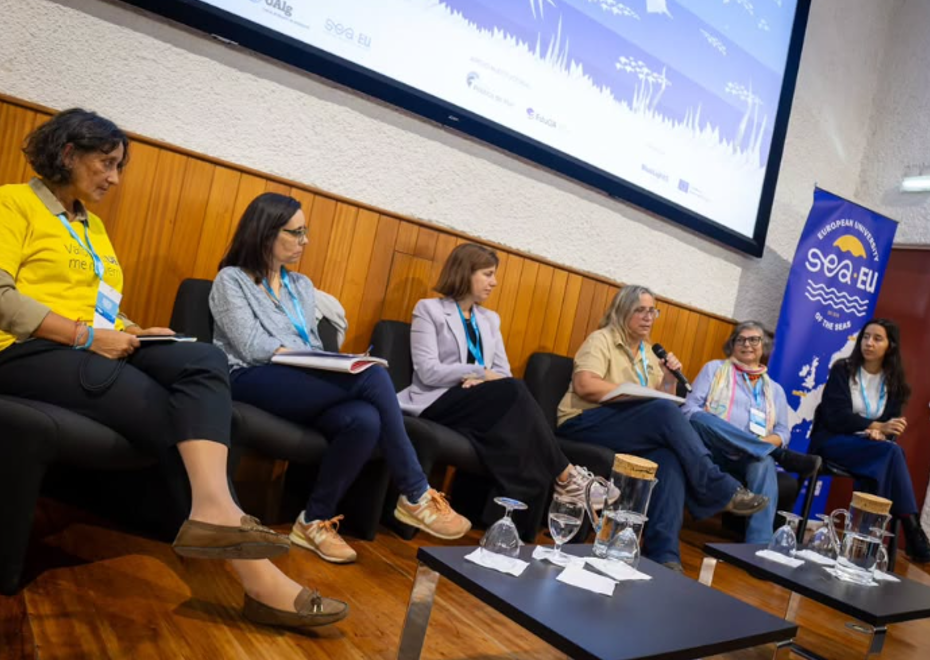
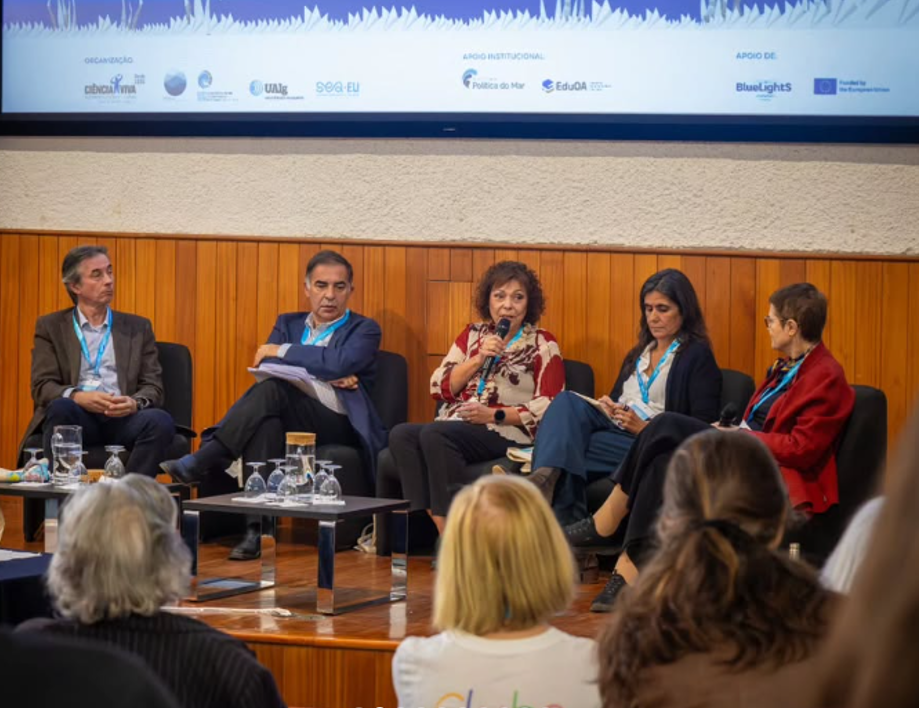
Ana Matias, a researcher at UAlg’s Centre for Marine and Environmental Research (CIMA) and a member of SEA-EU’s Task 6.3 on Science Communication, spoke at the Ocean Literacy and Citizenship roundtable. The panel explored how ocean literacy can encourage people to take an active role in protecting the marine environment.
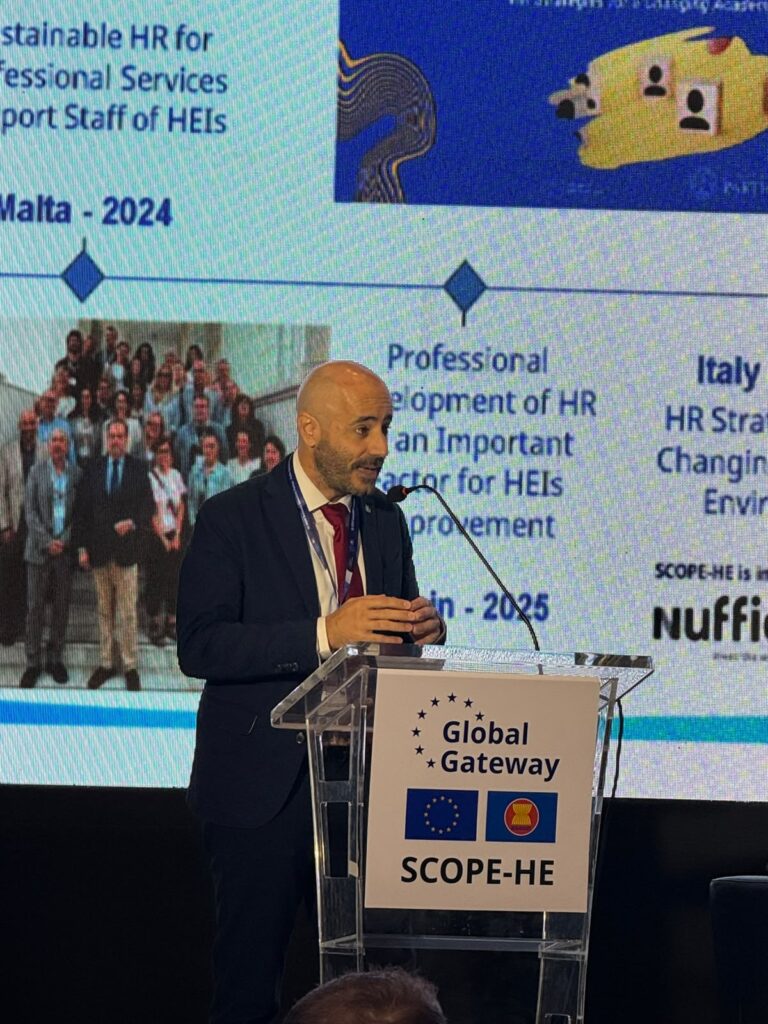
At the opening session, Patrícia Pinto, UAlg’s Vice-Rector for Partnerships and European University (SEA-EU), spoke alongside Ana Noronha, Executive Director of Ciência Viva – the National Agency for Scientific and Technological Culture, Sandra Cruz, Deputy Director-General for Maritime Policy, and Luís Menezes Pinheiro, National Coordinator of the Portuguese National Committee for the Ocean Decade.
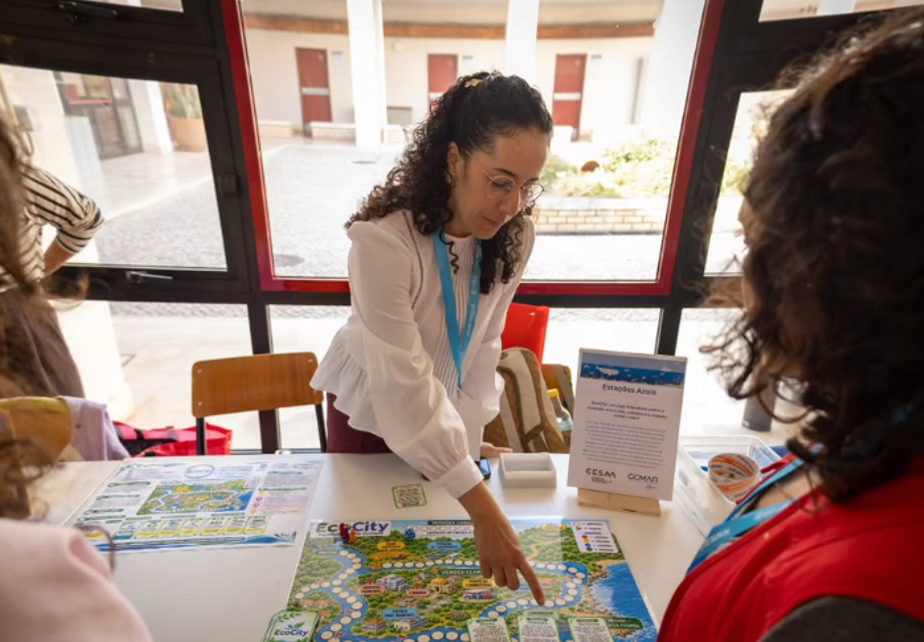
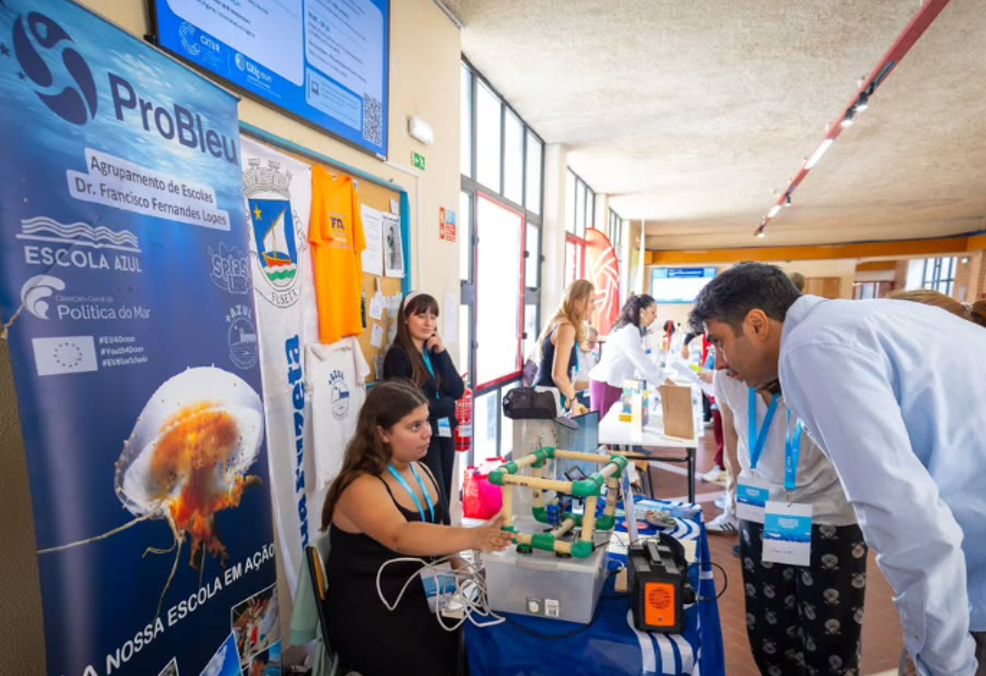
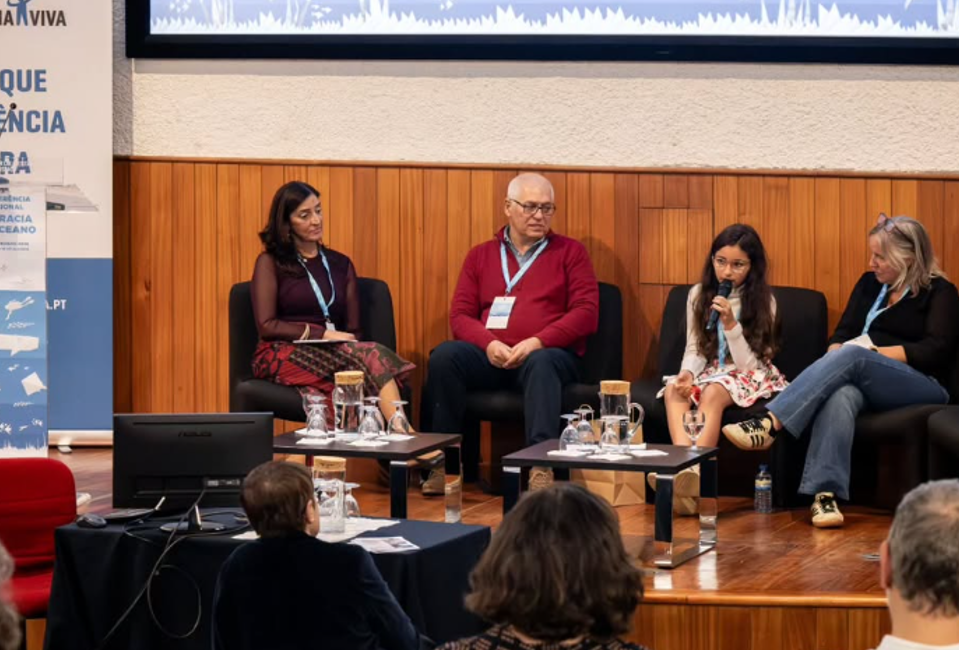
Discussions explored how organisations across different sectors can promote ocean literacy, how businesses can promote it as part of a sustainable blue economy, and how public policy can support local initiatives. Participants shared ways to involve communities in protecting the ocean and inland waters, from clean-up campaigns to art made from marine litter, and discussed how to communicate ocean literacy projects and assess their impact. The programme also featured projects presented by young people and initiatives from Portuguese-speaking countries.
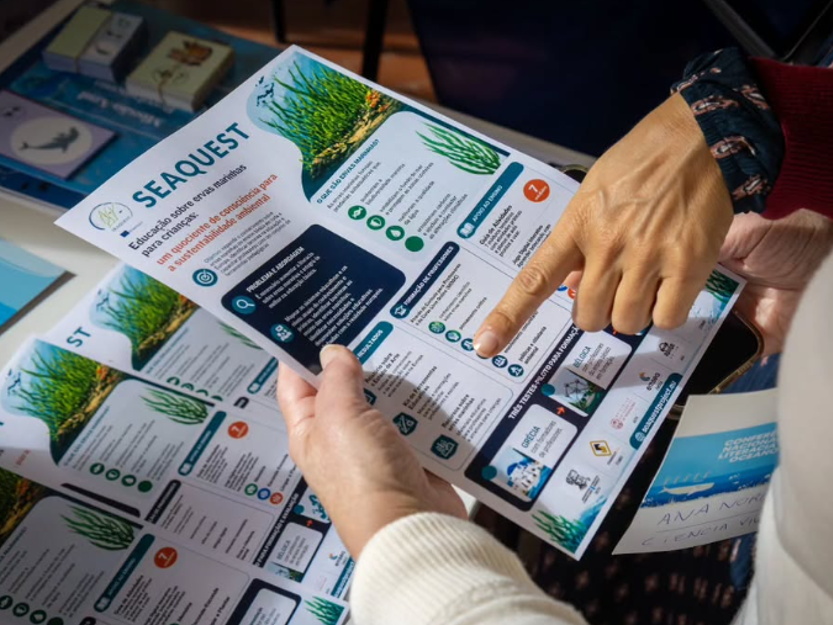
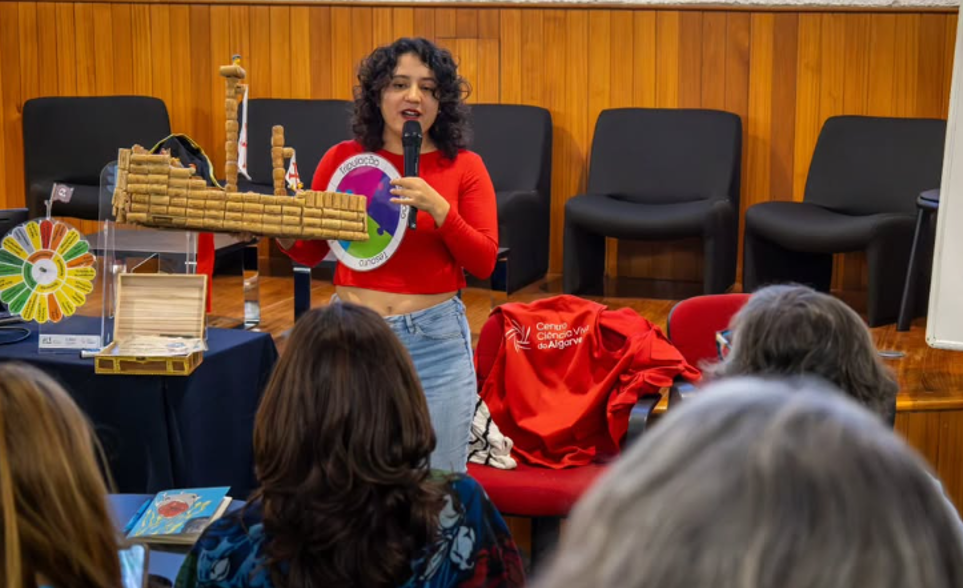
The first day ended with a screening of Lungs of the Ocean, a documentary on the importance of seagrass meadows. On 7 November, the conference closed with a hands-on workshop on sustainability in the Ria Formosa, led by the Algarve Ciência Viva Science Centre, a SEA-EU stakeholder.
The initiative was organised by Ciência Viva – the National Agency for Scientific and Technological Culture, the Portuguese National Committee for the Ocean Decade, and the University of Algarve through the European University of the Seas Alliance, with institutional support from EduQA and the Directorate-General for Maritime Policy.