A Governing Week showcasing sustainability
From 9 to 11 June, UBO hosted the latest SEA-EU Governing Week, which brought together rectors, vice-rectors, staff, deans, students and stakeholders from the nine SEA-EU partner universities to discuss the alliance’s strategic future.
This feature focuses on the sustainability measures implemented during the event and the signing of the landmark SEA-EU Charter for a Sustainable Future. Read this article for the political priorities and key outcomes of the event.
Sustainability as an institutional pillar
SEA-EU integrates the ecological and social transition into its core operations by raising awareness across the university community via online courses, blended intensive programmes (BIPs), and dedicated training. The alliance also works on greening campuses and promoting inclusion and equal opportunities.
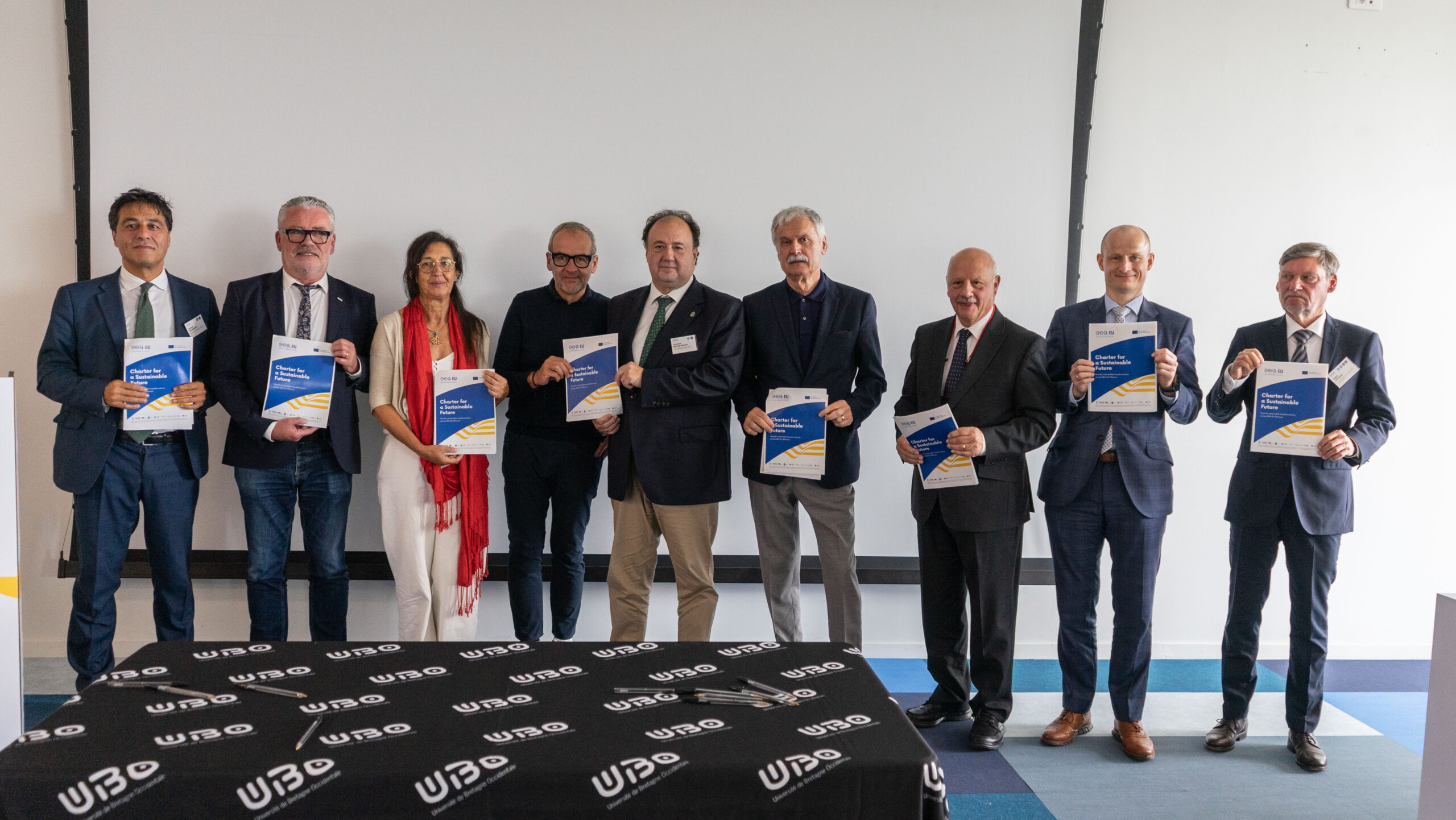
This commitment led to the official signing on Wednesday 11 June of the Charter for a Sustainable Future, which establishes a common framework for sustainable development across the nine member institutions.
To align with these charter commitments and core alliance values, the SEA-EU office at UBO implemented concrete measures during the Governing Week to reduce the event’s environmental footprint:
- Transport: Participants were encouraged to travel by train where possible. In Brest, meeting venues and accommodation were selected to allow walking, and equipment was transferred between sites using cargo bikes or public transport.
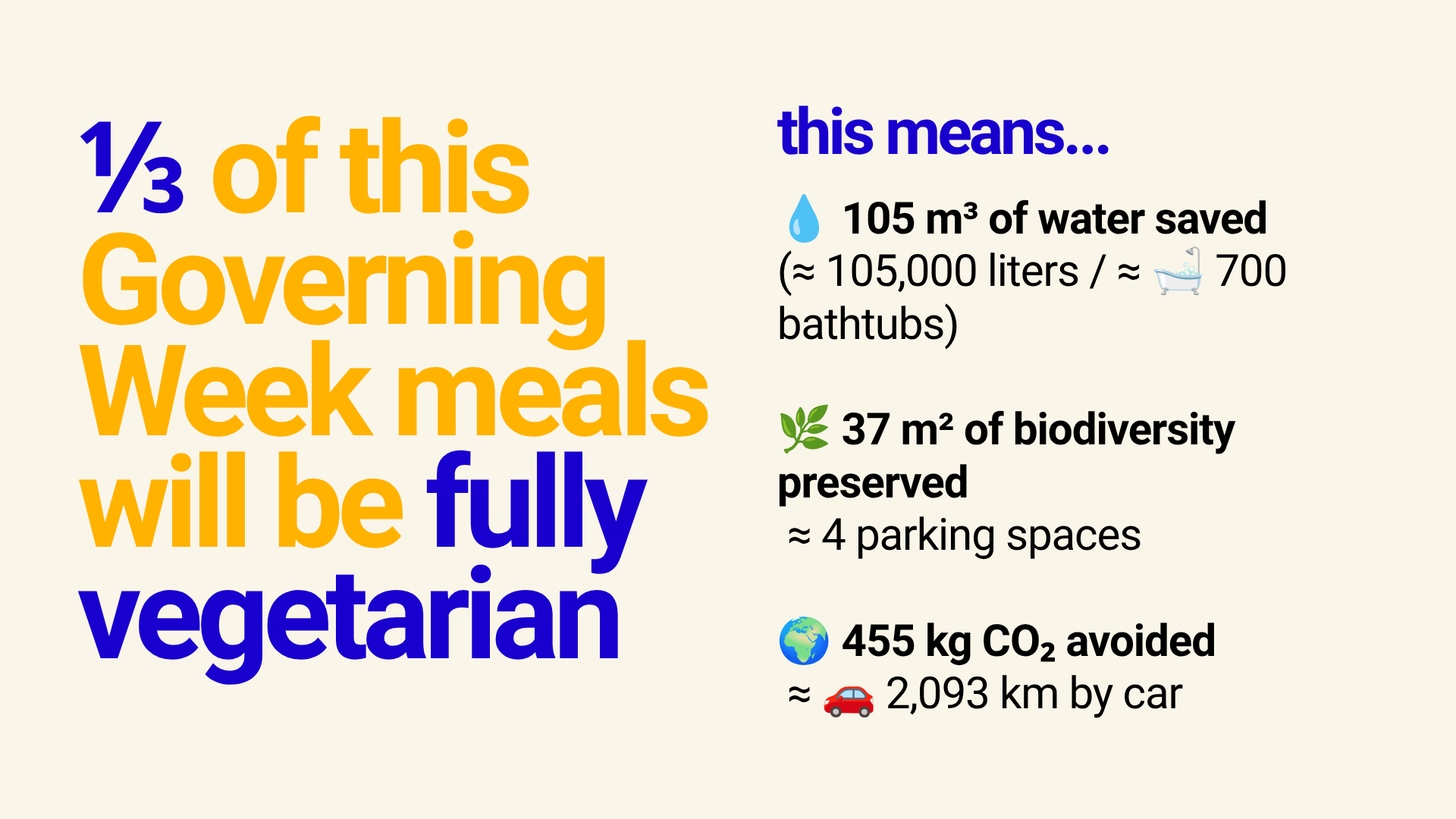
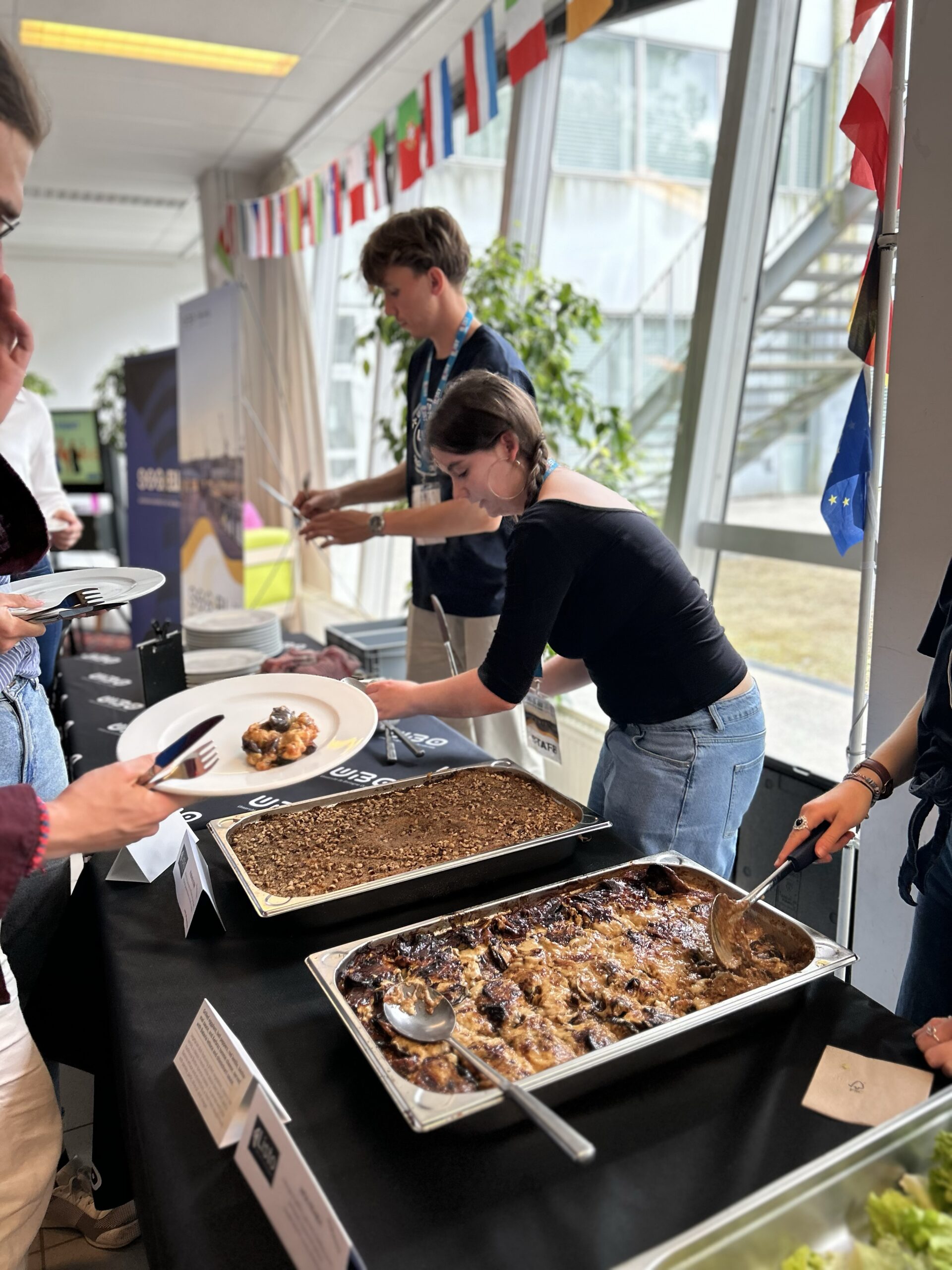
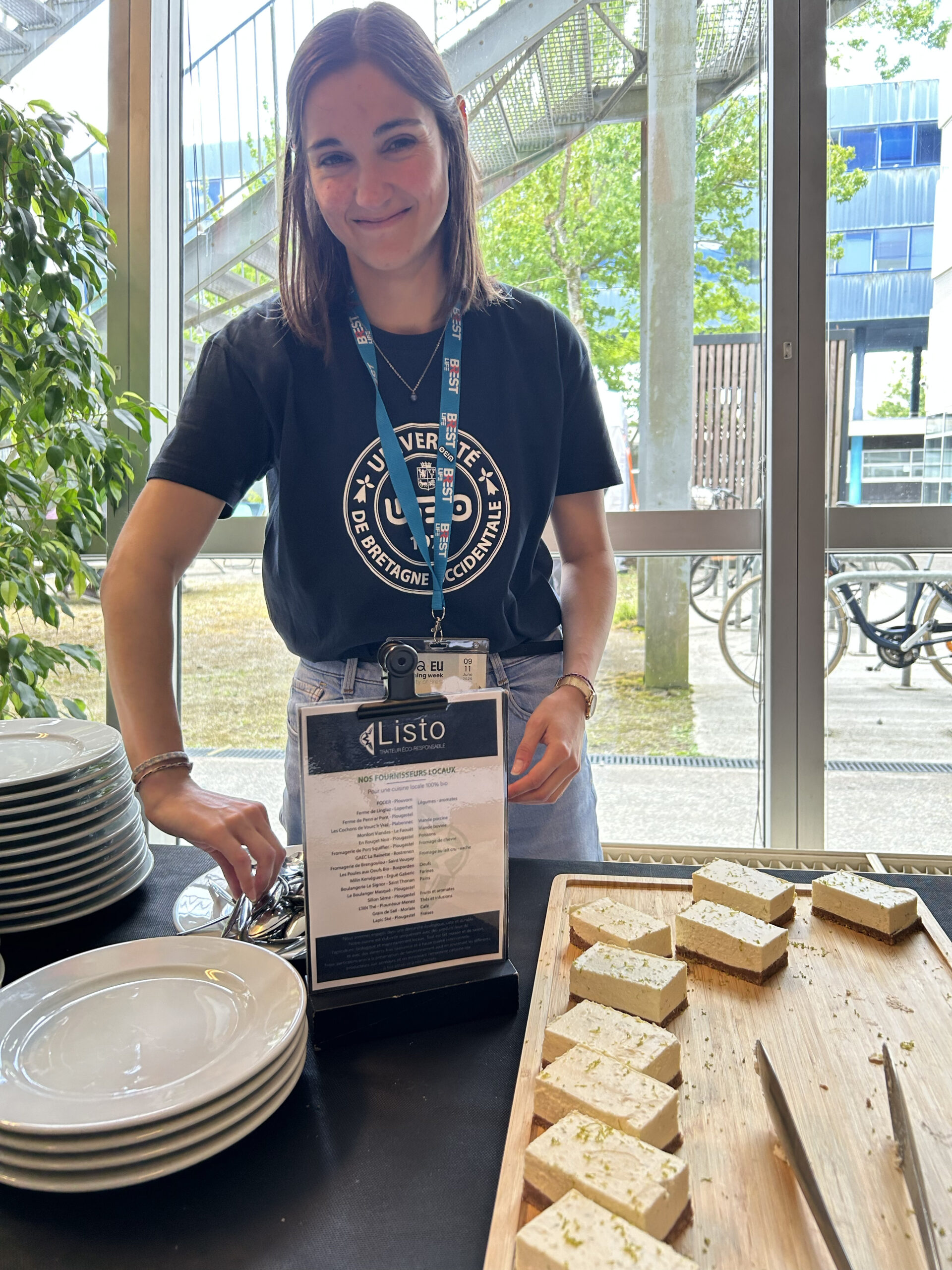
- Catering: One-third of the meals served were 100% vegetarian. According to data from the Cool Food Pro calculator (an EU project led by LEGO, UBO), this measure saved 105 m³ of water – the equivalent of 700 bathtubs.
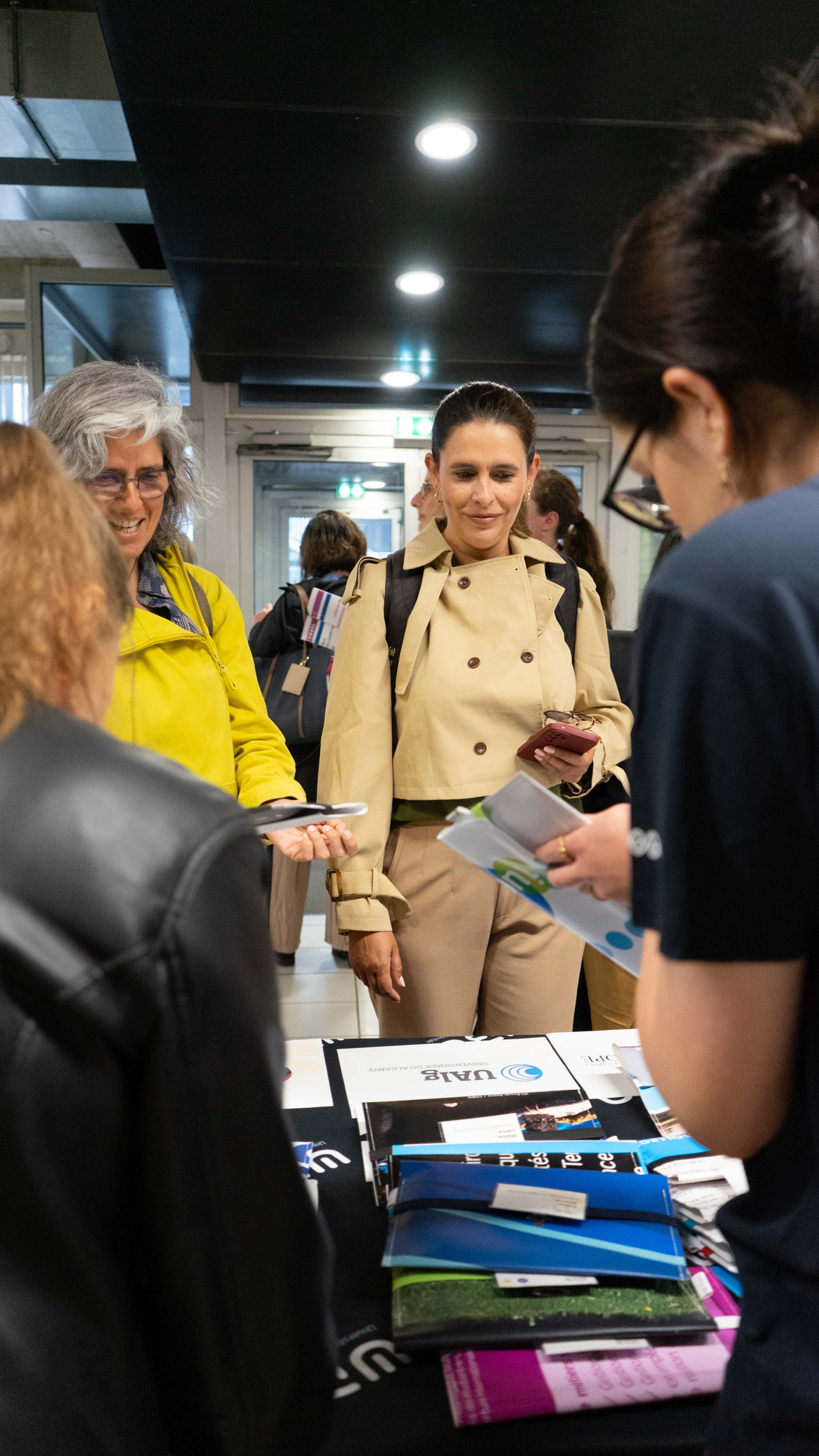
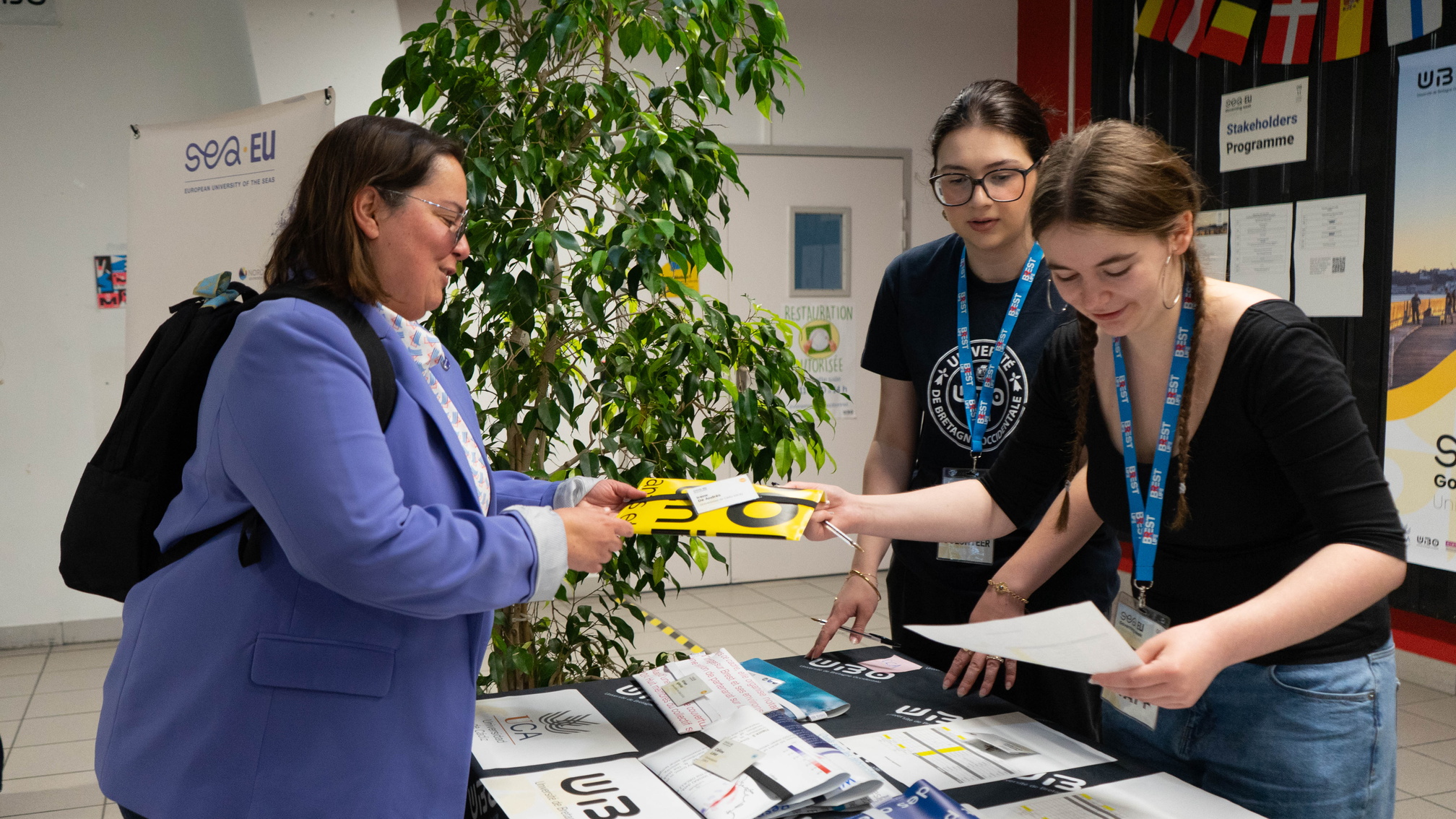
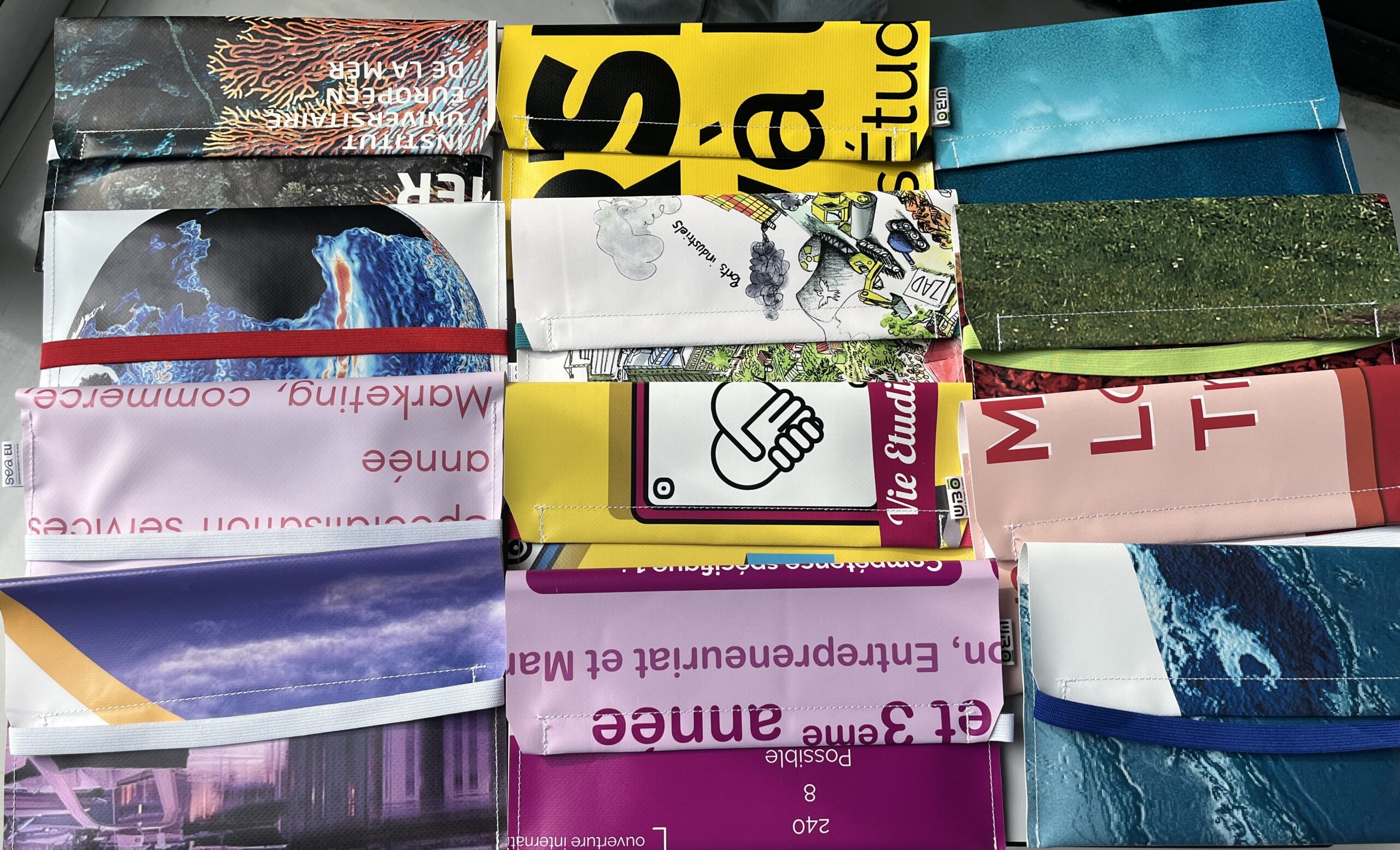
- Waste and supplies: No new promotional merchandise was produced. Traditional tote bags were replaced by upcycled pouches made in-house by the printing department from old event banners. Badge holders were second-hand and collected at the end of the week for future use. No plastic cups were provided during meetings, and water was served exclusively in glass bottles. Printing supports were limited, and recyclable paper roll-up banners were used instead of PVC.
While these measures are modest compared to the overall carbon footprint of european travel, they serve to establish practical guidelines for future alliance events.
Key points of the Charter for a Sustainable Future
The charter focuses on climate change awareness, knowledge sharing, and community involvement. It introduces a dedicated sustainability team to monitor progress and exchange best practices, while committing governance structures to support changes in institutional policies, academic programmes, and campus operations.
By signing the SEA-EU Charter for a Sustainable Future, the nine partner universities have collectively committed to the following actions:
Fostering institutional change: Integrating sustainability principles into institutional policies, governance structures, and daily campus operations.
Enhancing education and training: Incorporating sustainability and green transition challenges directly into academic curricula and offering dedicated training for the university community.
Reducing environmental footprints: Implementing concrete measures across all campuses to reduce carbon emissions, optimize energy and water consumption, and minimize waste (particularly IT and furniture waste).
Promoting sustainable mobility: Encouraging low-carbon transport options, such as trains, cycling, and walking, for both daily commuting and international alliance events.
Collaborating and sharing best practices: Establishing a dedicated sustainability team within the alliance to monitor joint progress, facilitate communication, and share successful initiatives.
"This semester of governance has allowed UBO to responsibly guide our alliance, creating an increasingly cohesive, ambitious, inclusive, and innovative collective. This opportunity enabled UBO to establish itself among its partners as a university focused on sustainability, originality, and high standards - fully demonstrating its value and standing within the alliance. The Governing Week was prepared with meticulous care by the UBO SEA-EU team to deliver a memorable experience for our partners, combining collaborative work with the cultural heritage of Brittany. Following this productive and engaging week, every participant left with the certainty that they have personally contributed to building the future of the SEA-EU project."
Adélie Pomade, SEA-EU Vice-President at UBO Tweet