A delegation from the University of Algarve (UAlg) carried out a scientific and institutional mission to Colombia from 16 to 25 September, with the aim of strengthening cooperation with SEA-EU academic partners and other local organisations, advancing research activities within the Finding Home project, and consolidating the presence of UAlg and the European University of the Seas (SEA-EU) Alliance across the Atlantic.
The mission involved UAlg Centre of Marine Sciences (CCMAR) researchers Vânia Baptista and Giulia Zeri and brought together two Colombian institutions that are part of SEA-EU’s network of external partners — Universidad del Magdalena and Universidad Simón Bolívar — as well as research centres, fishing communities and other stakeholders working in the fields of the blue economy and marine and aquatic ecosystems.
Research connecting both sides of the Atlantic
One of the main focuses of the mission was the development of the Finding Home project, funded by the Luso-American Development Foundation (FLAD) through the FLAD Science Award Atlantic 2024.
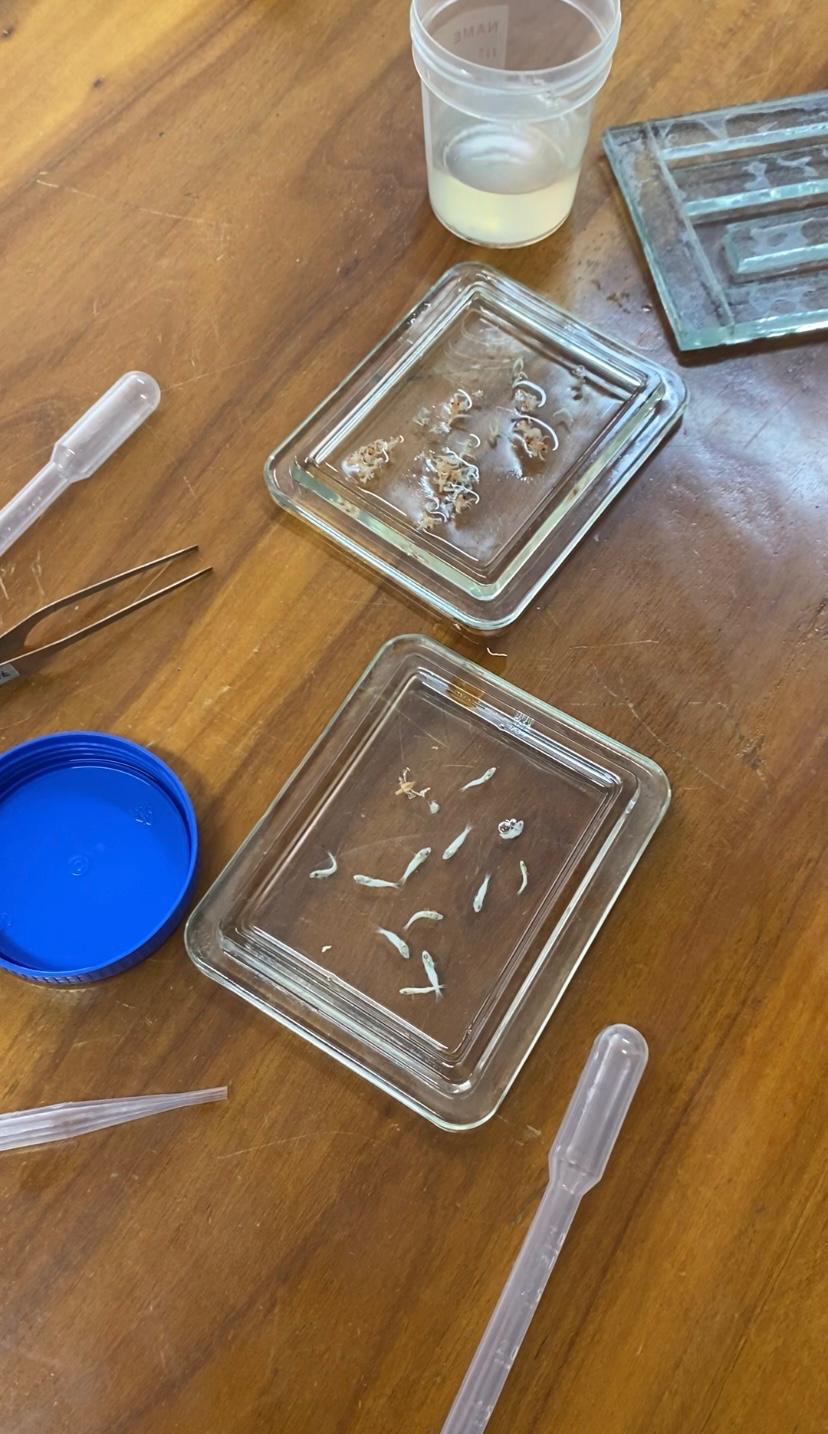
The project seeks to shed light on a still poorly understood stage of the fish life cycle: how larvae find habitats that provide them with protection and food as they migrate between spawning grounds and nursery areas. The research connects different Atlantic ecosystems, including the Ria Formosa and the Guadiana River estuary in the Algarve, as well as river and coastal systems in São Tomé and Príncipe and Colombia.
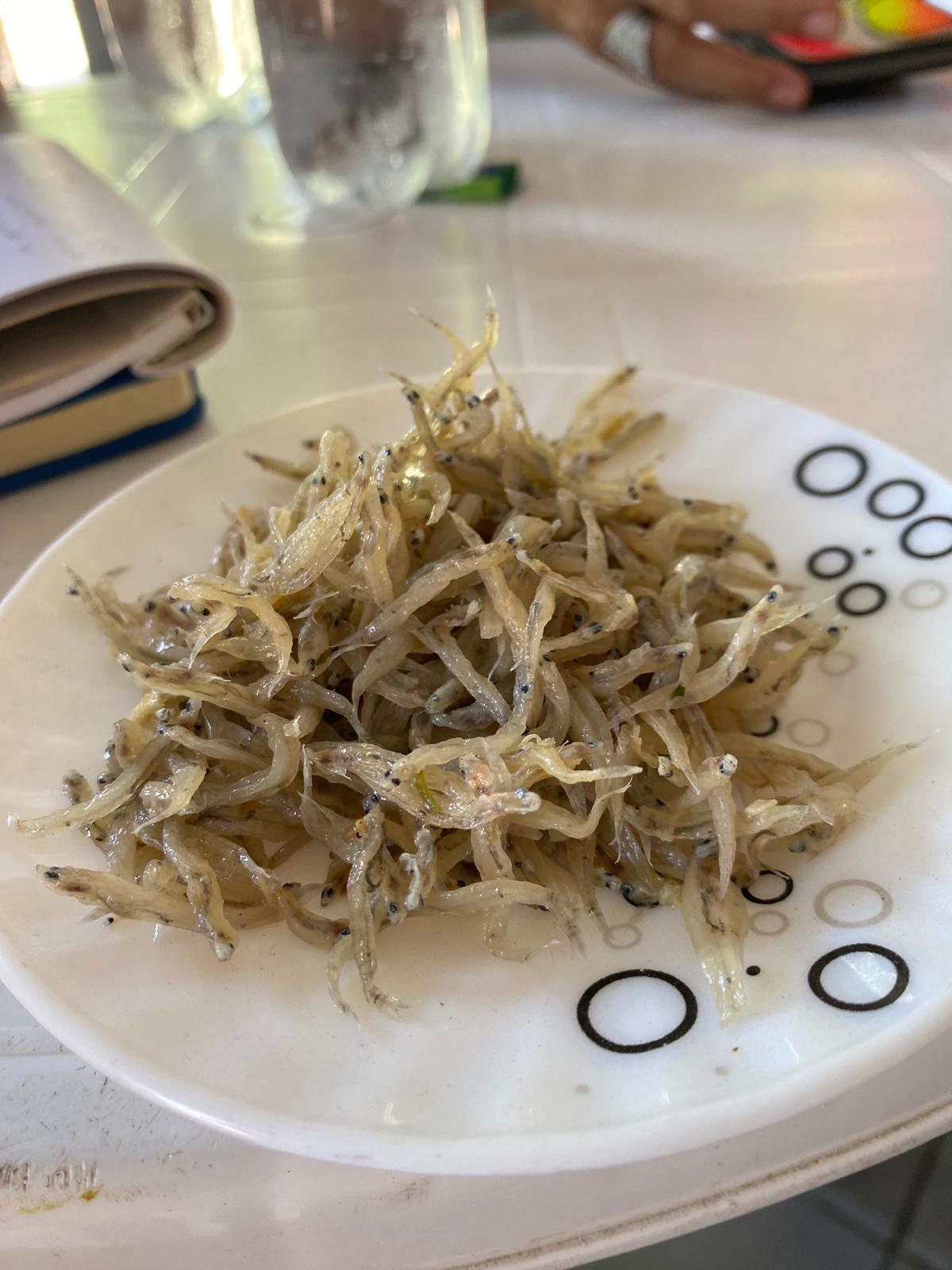
In Colombia, the research also focuses on the so-called “pez tití”, a small fish of considerable importance to local communities. Its life cycle includes a marine larval phase, after which juveniles return to rivers, where they remain throughout adulthood. Their return to the rivers coincides with periods of intensive traditional fishing, giving the species not only ecological but also social, economic and cultural significance.
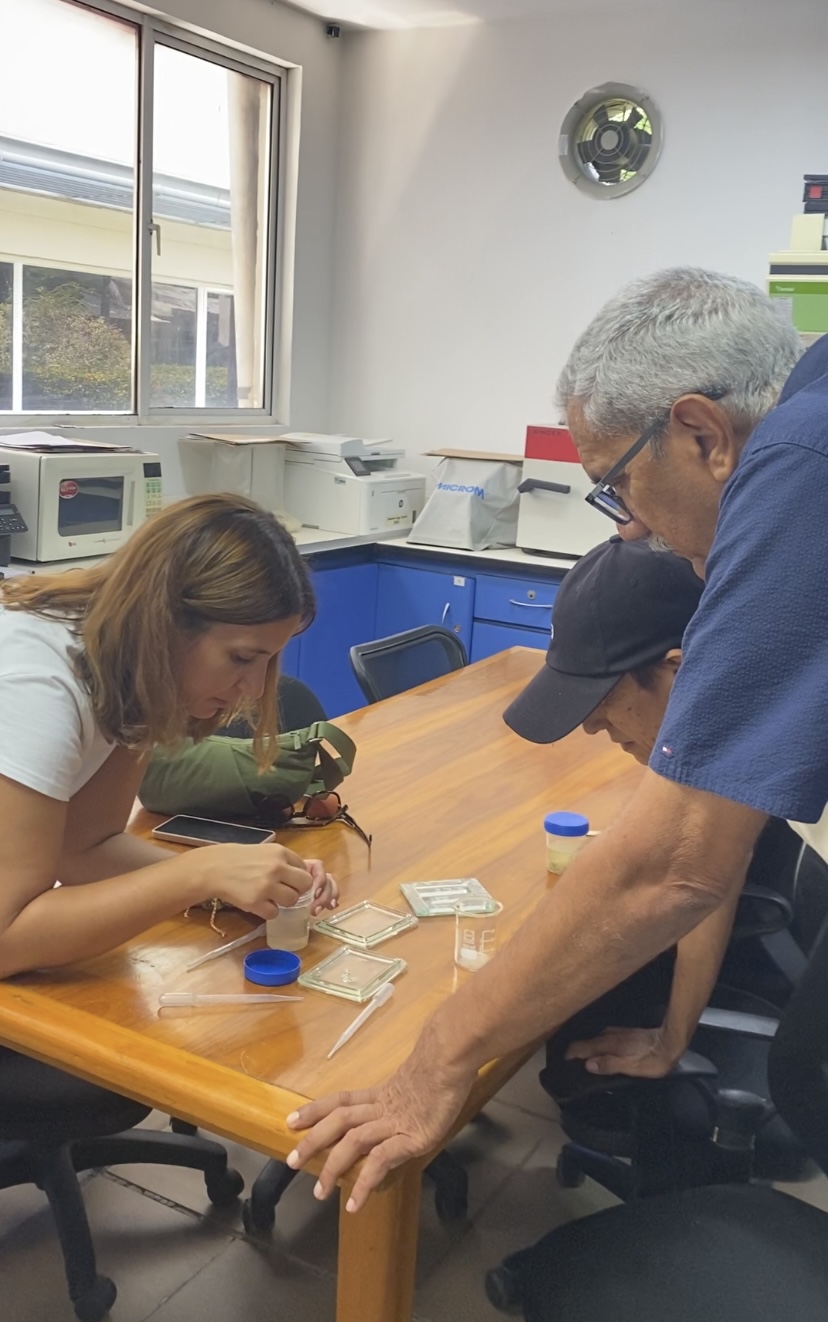
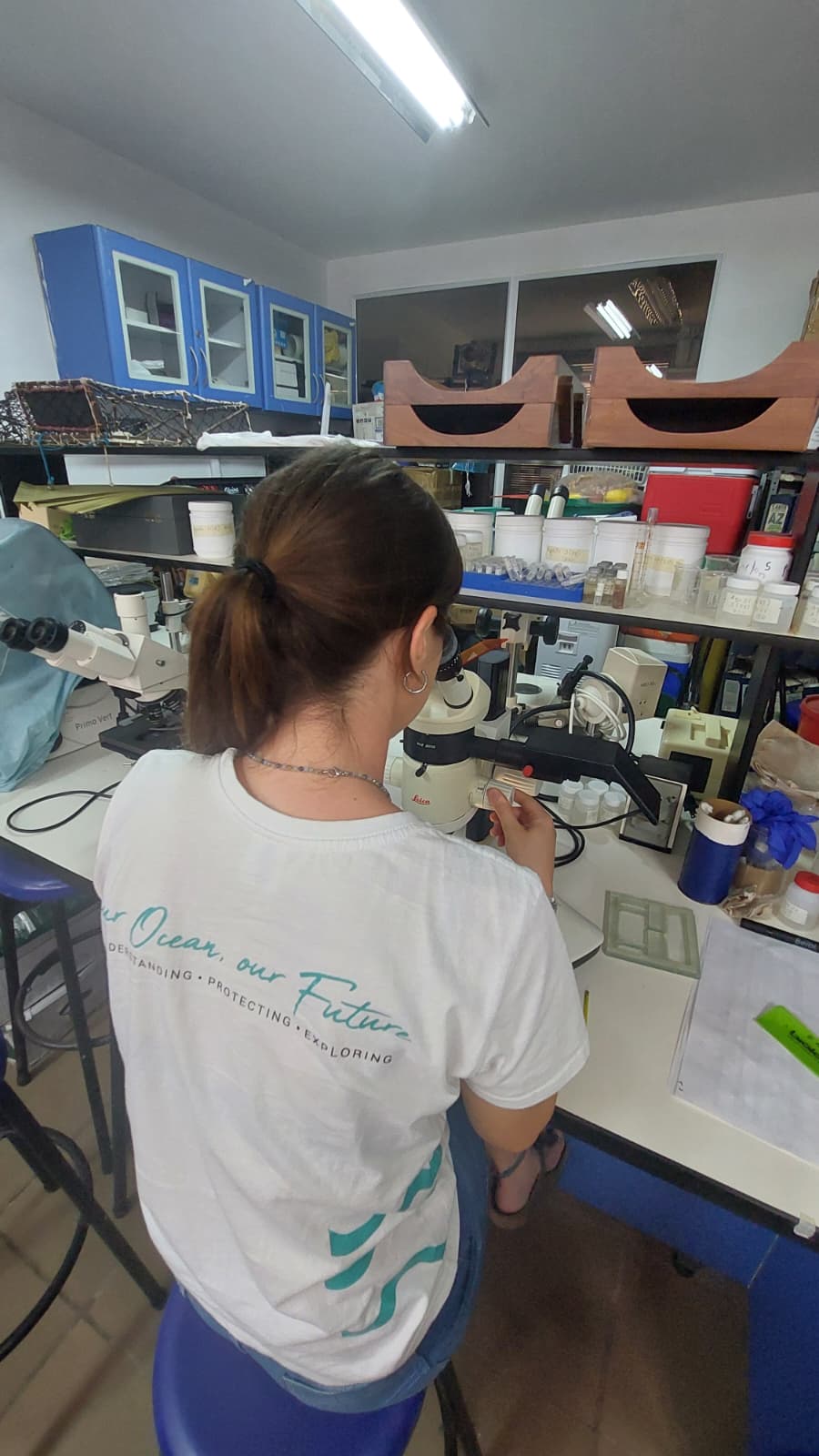
The work carried out in Colombia therefore provided an opportunity to combine ecosystem research with direct engagement with fishing communities. Activities included field visits to the Toribio River, the collection of fish larvae using light traps, and engagement with fishers in the Gaira area. Questionnaires on fishing activity and quality of life were also tested and are now ready to be administered within the local community.
Scientific cooperation brings SEA-EU external partnerships to life
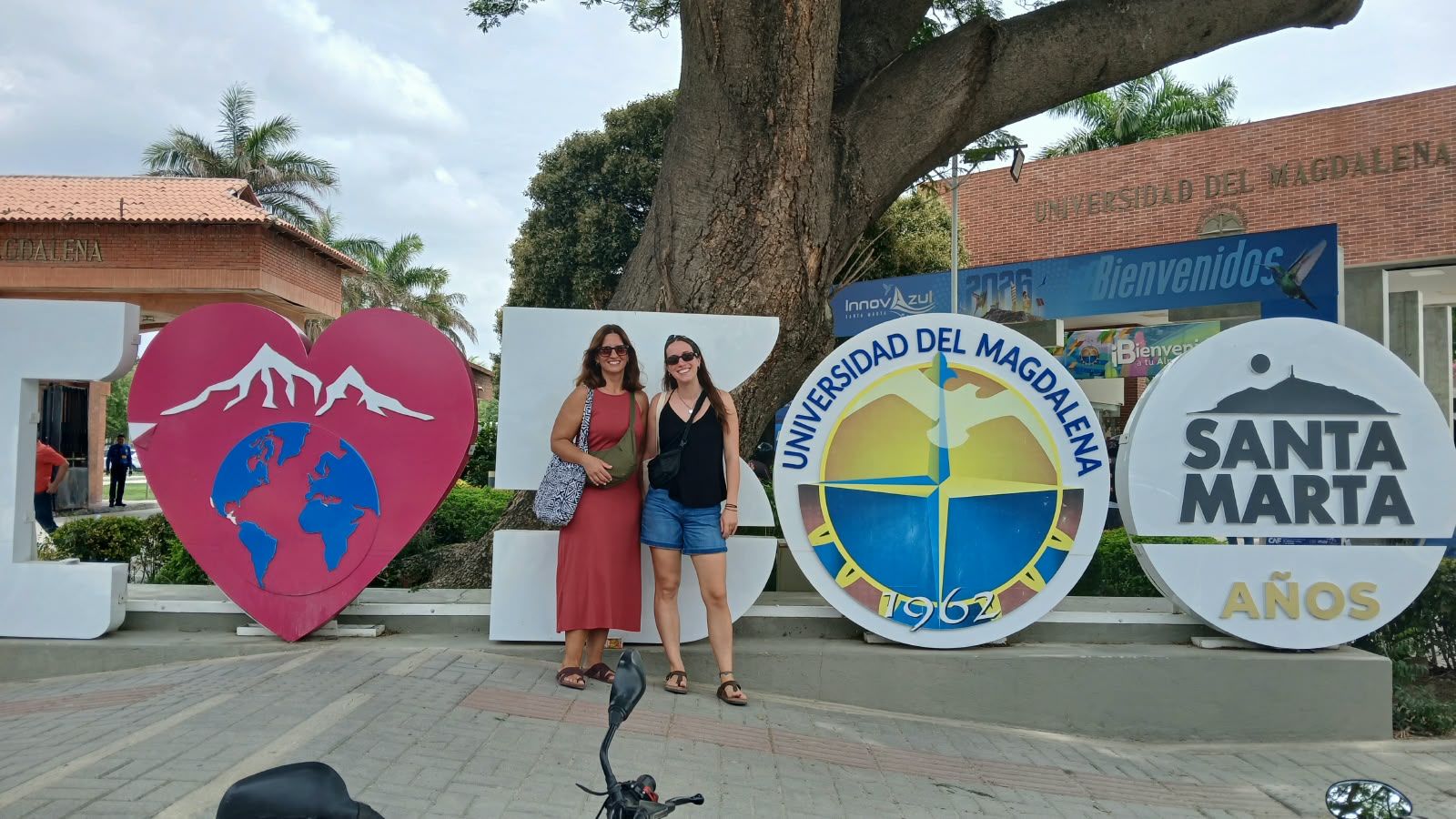
The mission provided an opportunity to further strengthen UAlg’s cooperation with Universidad del Magdalena and Universidad Simón Bolívar, both external partners of SEA-EU, translating existing institutional ties into new opportunities for scientific collaboration and joint fieldwork.
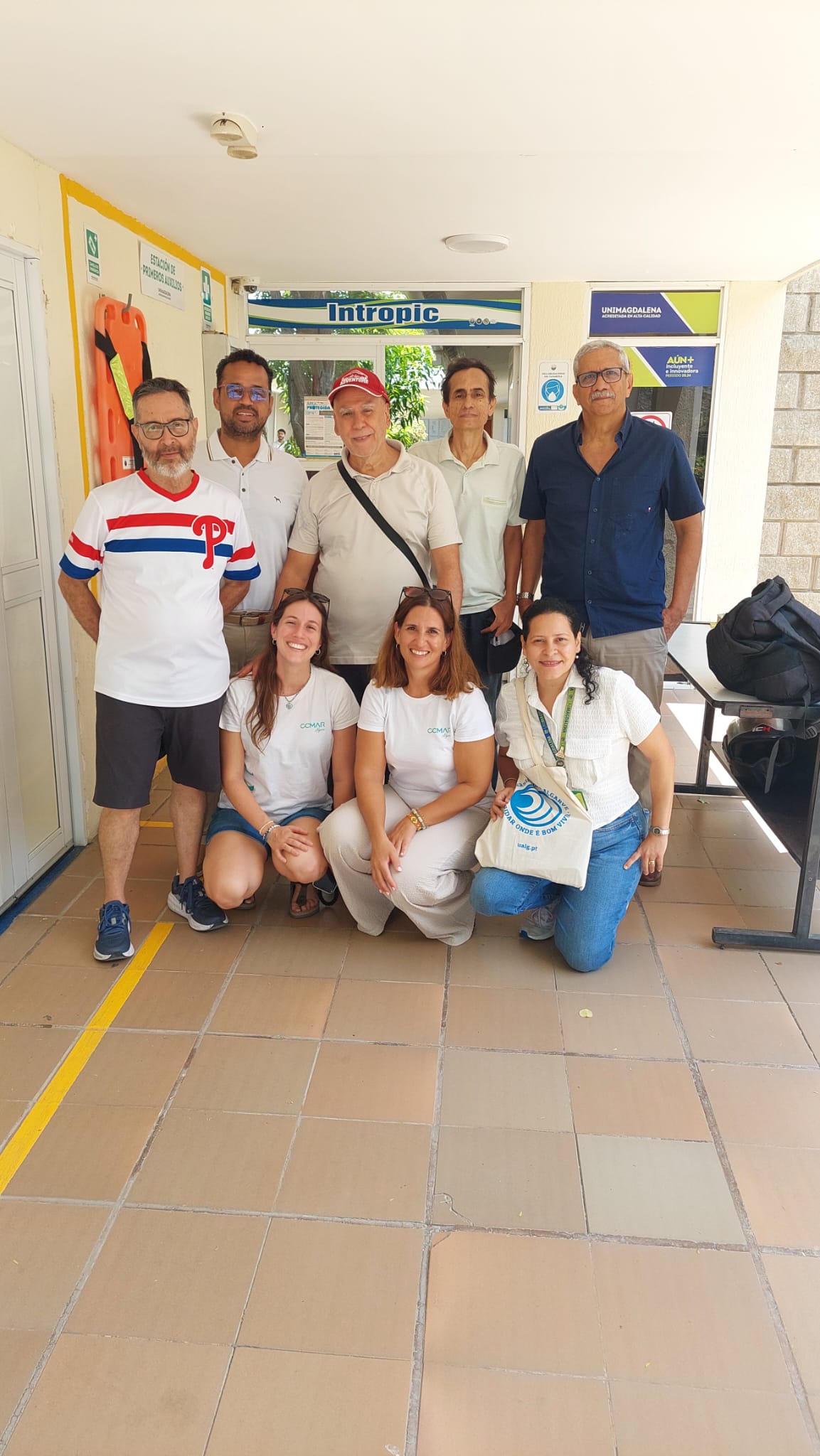
At Universidad del Magdalena, the delegation visited the Faculty of Engineering, whose fisheries area will collaborate in the Finding Home project, and met with academic representatives and researchers to present the research objectives and identify concrete opportunities for collaboration.
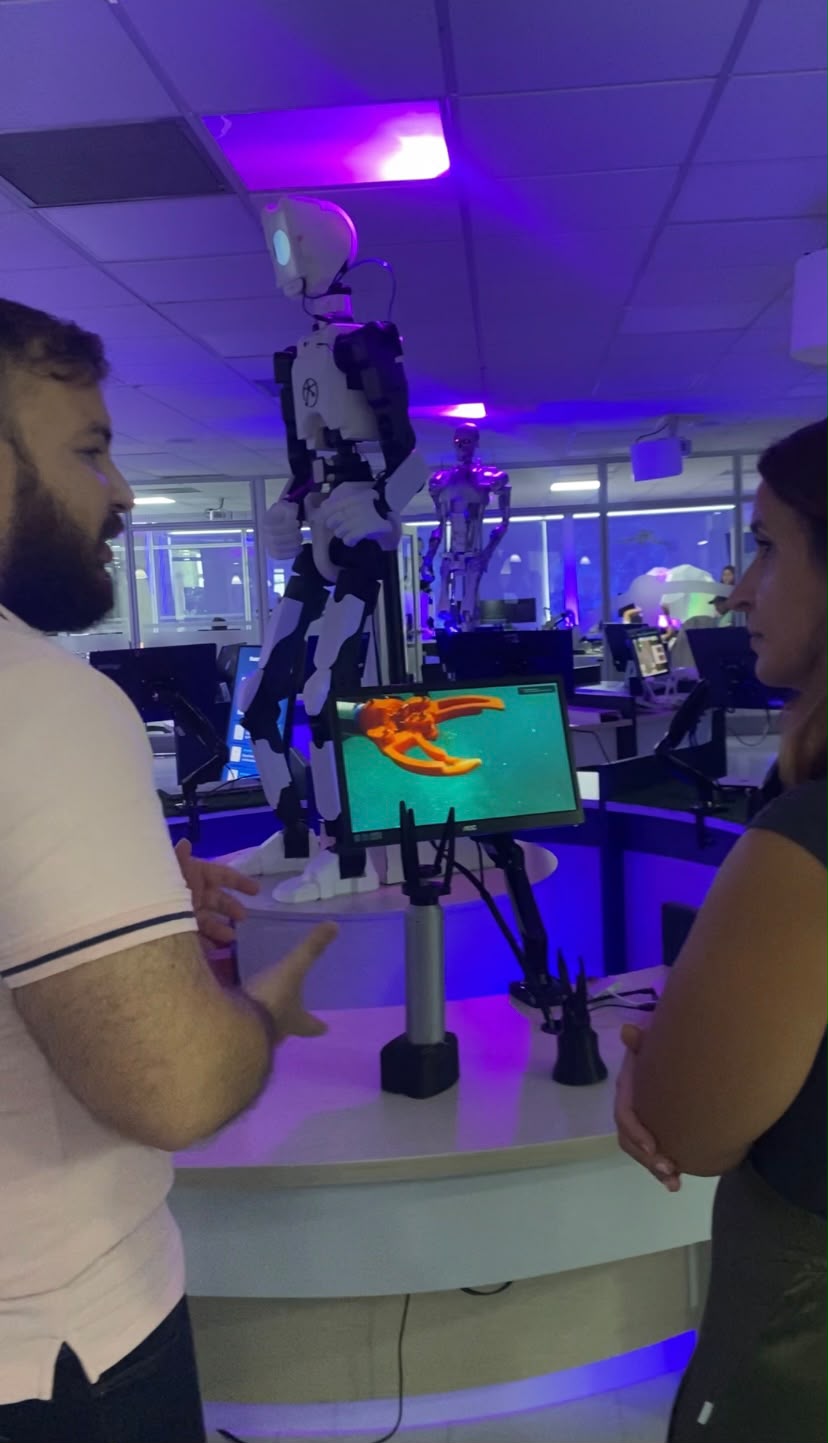
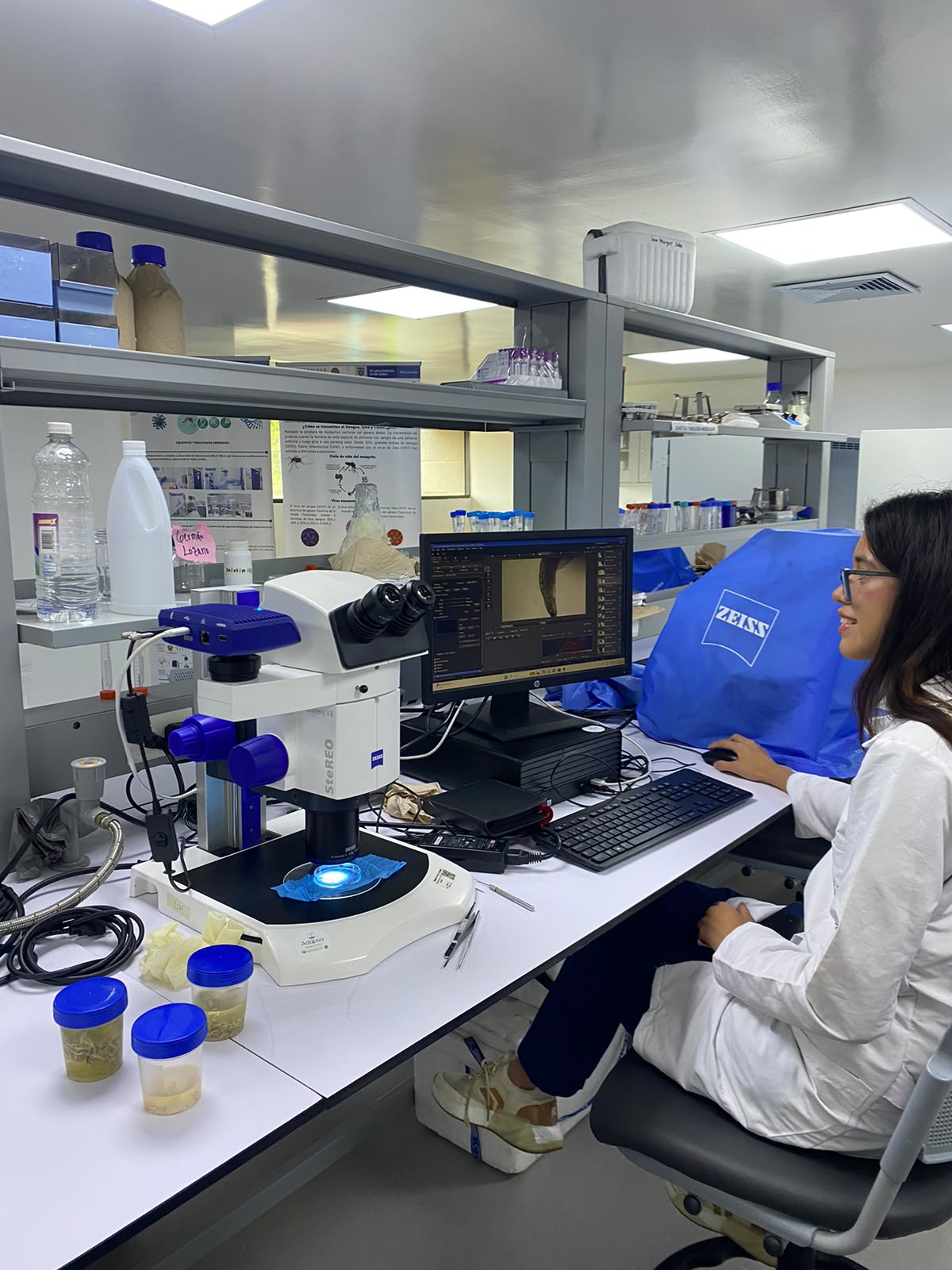
Throughout the mission, meetings and scientific activities were also held with researchers from Universidad Simón Bolívar, including visits to the Adaptia and AudacIA centres and meetings dedicated to defining their collaboration within the Finding Home project.
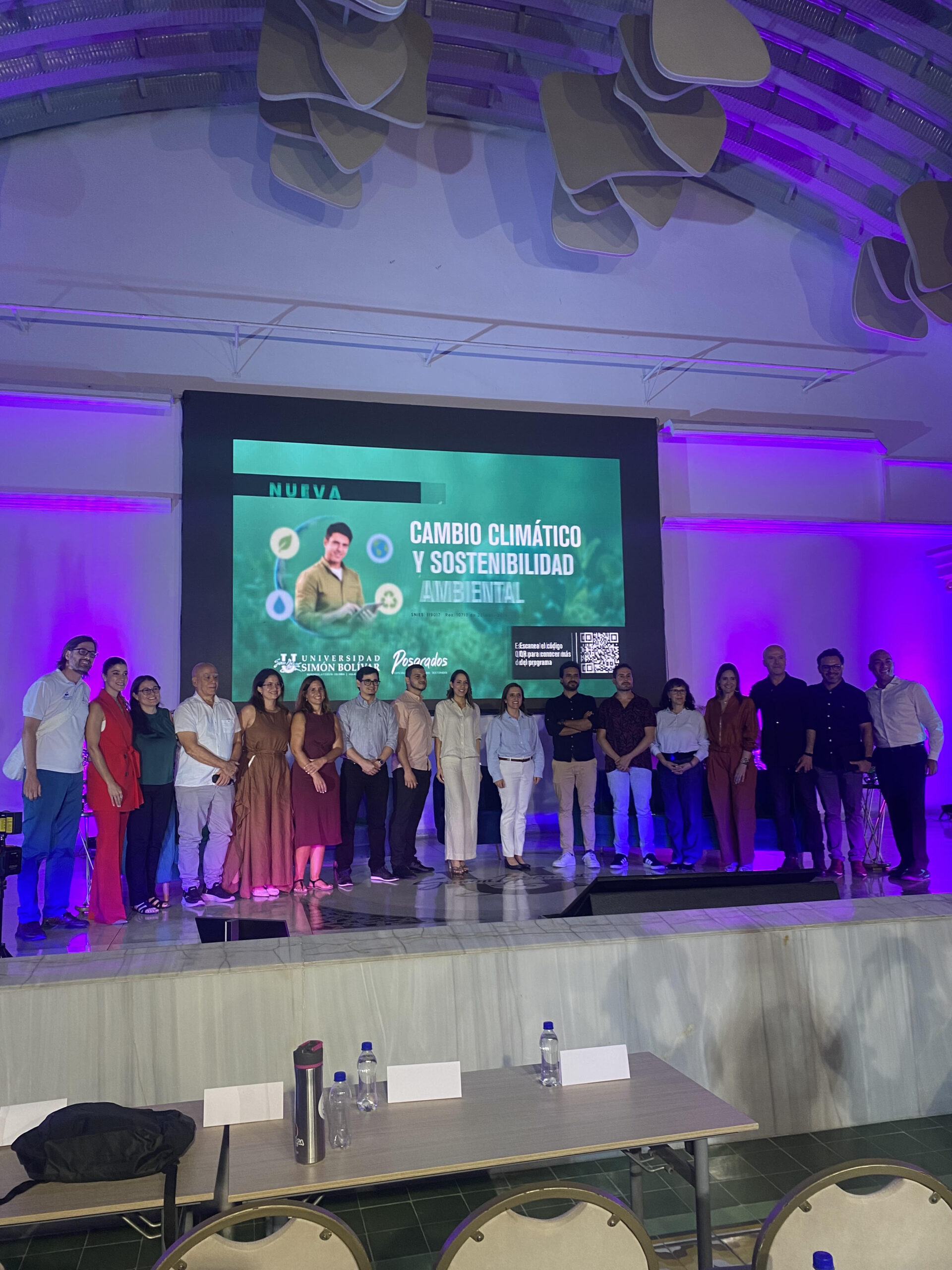
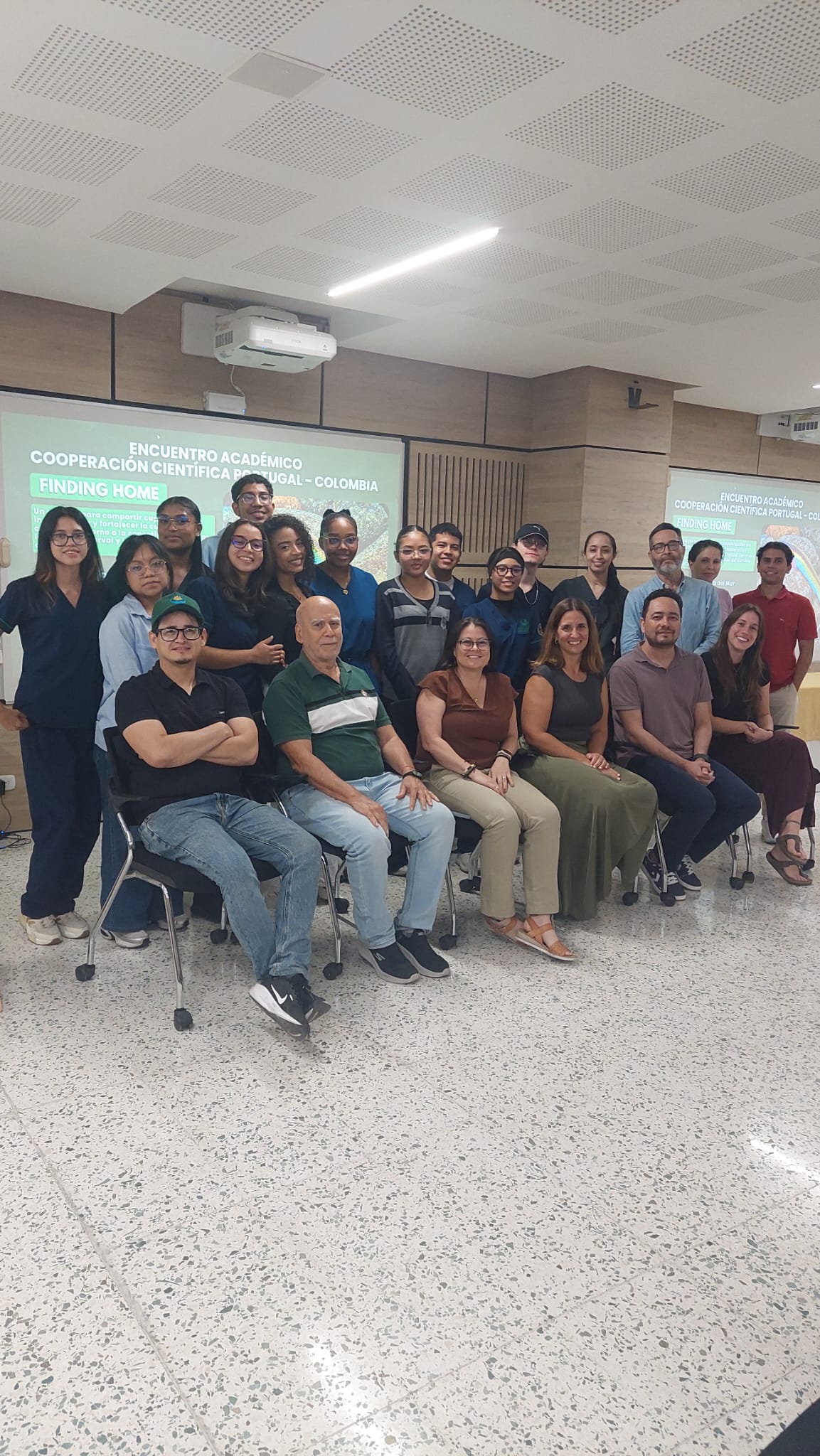
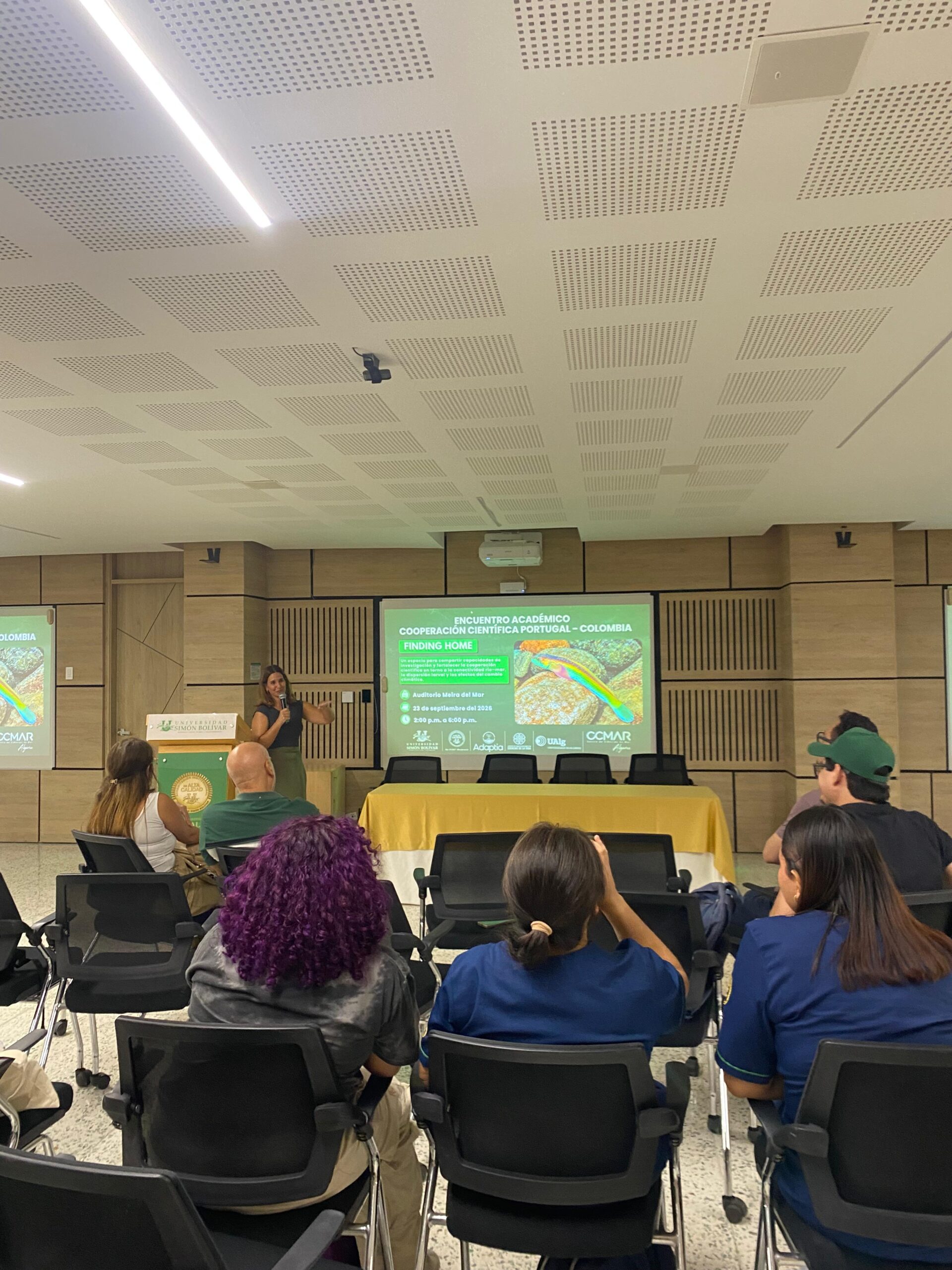
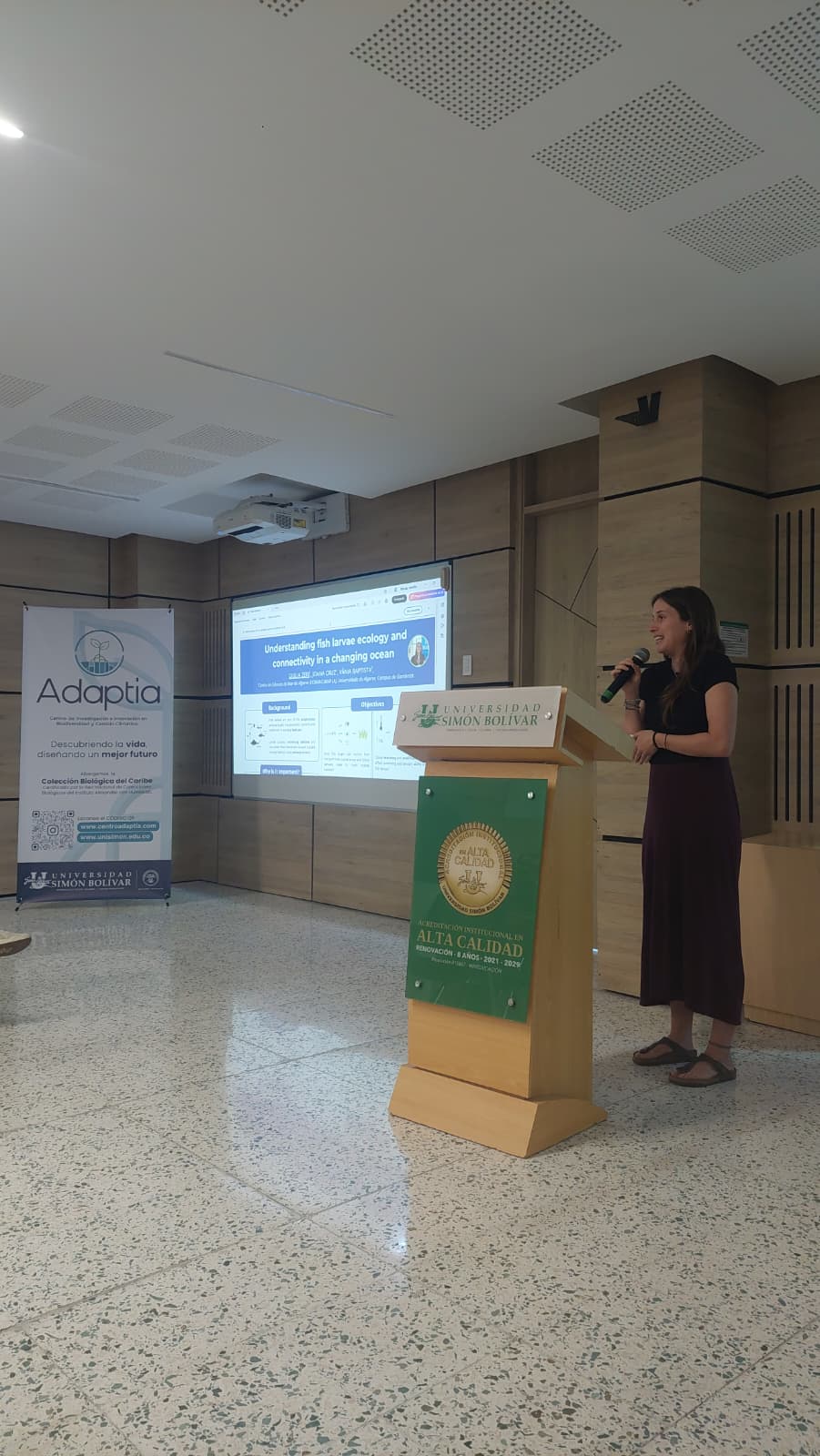
One of the mission’s key institutional moments was the “Encuentro Académico: Cooperación Científica Portugal-Colombia”, held on 23 September at Universidad Simón Bolívar. The event brought together researchers, institutional representatives and students to discuss scientific cooperation between the two countries.
During the event, the Finding Home project, the developing scientific collaboration between the institutions and SEA-EU were presented, placing these initiatives within a broader network of international cooperation and highlighting the potential of the Alliance’s external partnerships to foster new research dynamics and knowledge exchange.
UAlg and SEA-EU strengthen cooperation across the Atlantic
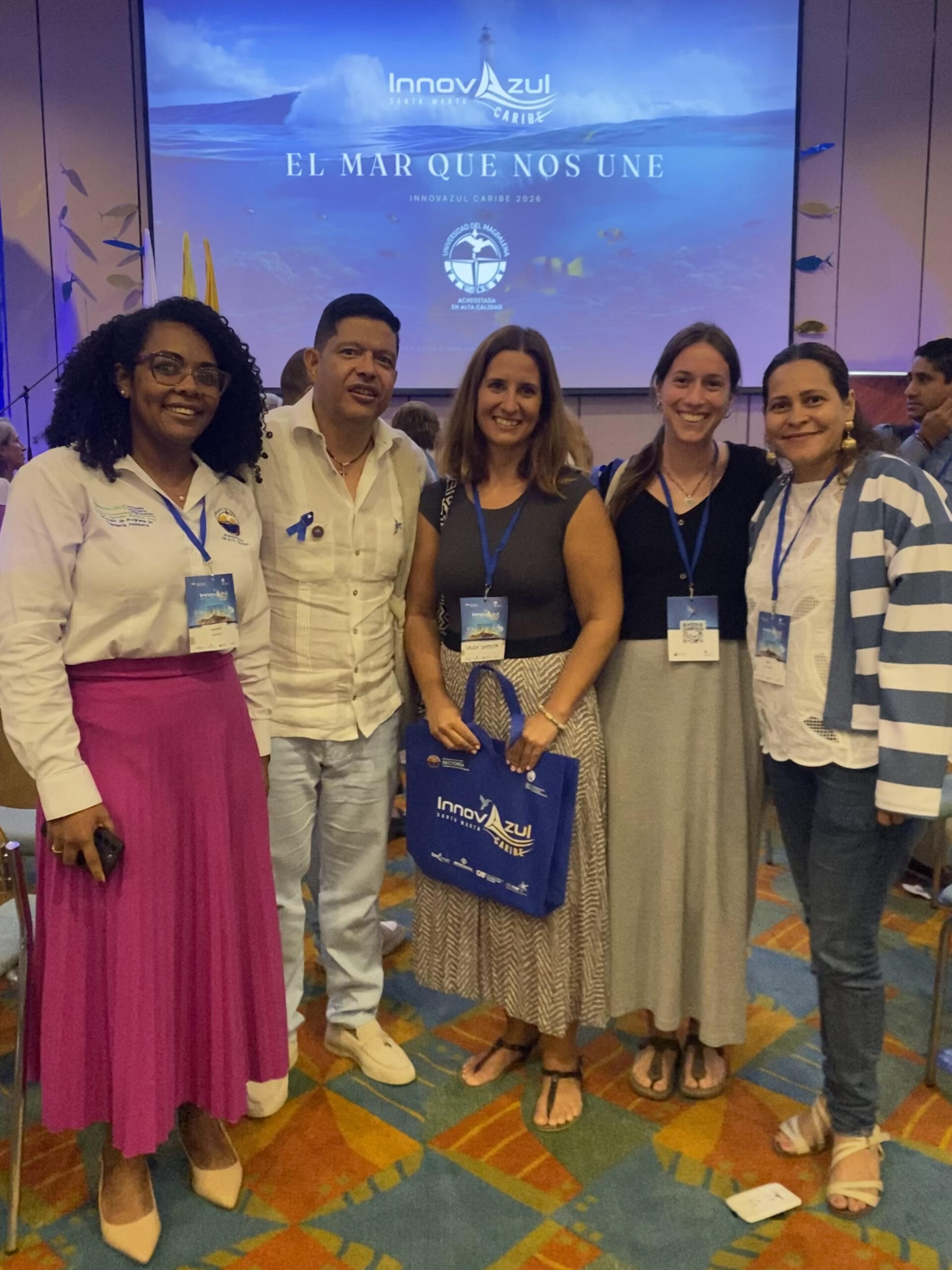
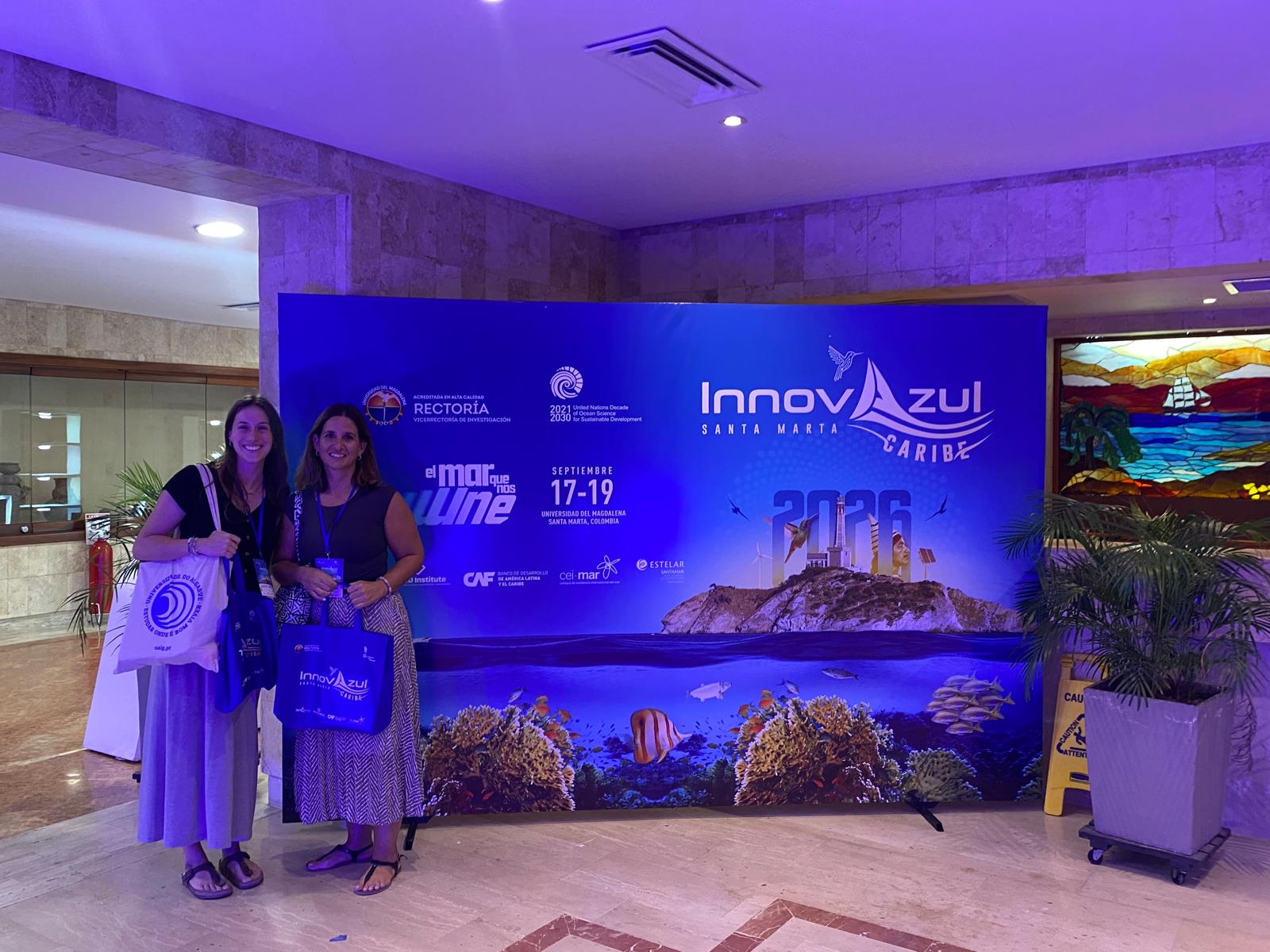
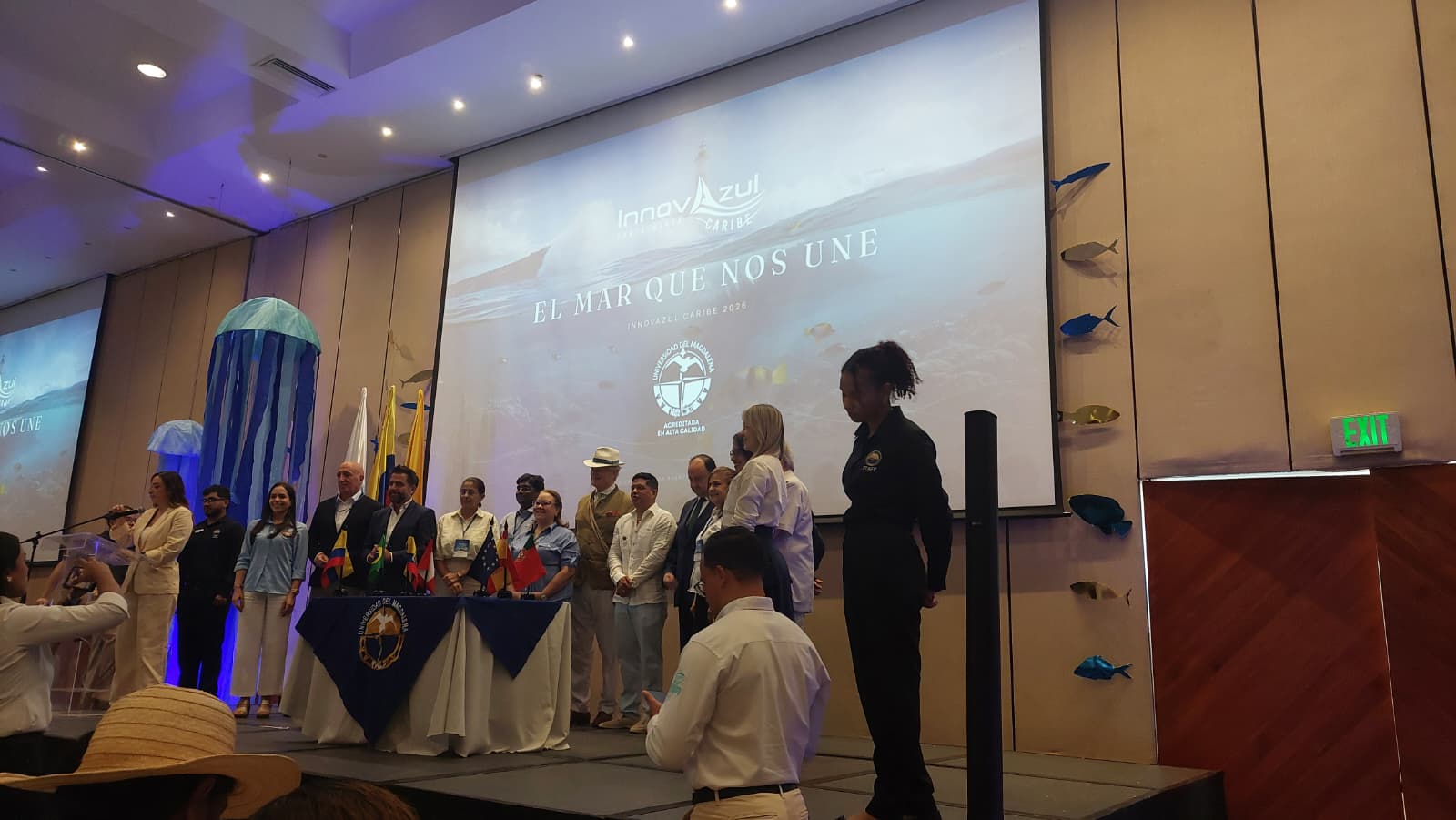
Participation in INNOVAZUL Caribe 2026 was another key moment of the mission. The University of Algarve was represented at the event, which provided opportunities to engage with academic and institutional representatives and to explore cooperation in areas related to the ocean, sustainability and the blue economy.
The mission also helped strengthen SEA-EU’s international dimension through direct engagement with its external partners in Colombia, demonstrating how these partnerships can provide a platform for developing concrete scientific initiatives beyond Europe.
This dimension is particularly relevant given SEA-EU’s identity as an alliance of coastal and maritime universities. Cooperation with institutions in other Atlantic regions can expand research, education and innovation networks addressing challenges shared by coastal territories and the communities that depend on them.
In this context, UAlg plays a particularly relevant role in connecting SEA-EU’s European dimension with the Alliance’s Colombian partners, drawing on its scientific expertise in marine sciences, coastal ecosystems and sustainability to develop new forms of international cooperation.
Science, communities and sustainability
The programme in Colombia also included a visit to the Ciénaga de Mallorquín Ecopark, where a new laboratory for the Adaptia Centre at Universidad Simón Bolívar is currently under construction, as well as participation in the “V Forum de Periodismo Científico: Los Medios Ante la Crisis Climática”. Vânia Baptista took part as an invited speaker in a roundtable discussion on the effects of climate change on marine and aquatic ecosystems.
A visit to Pesquera La Rosa del Mar S.A., a company specialising in blue crab processing, also provided an opportunity to identify potential synergies with ongoing research projects, namely BRAVE and SOFTCRAB, and to explore future collaborations.
The mission concluded with a strengthened network of scientific and institutional contacts and new opportunities to deepen cooperation between the University of Algarve and SEA-EU’s Colombian partners.
By combining scientific research, direct engagement with local communities and the strengthening of international academic partnerships, the mission also demonstrates the added value of SEA-EU’s network of external partners. For UAlg, it represents another step towards consolidating scientific cooperation across the Atlantic, with the ocean serving as a connecting element between universities, researchers, territories and communities.
Lorem ipsum dolor sit amet, consectetur adipiscing elit. Ut elit tellus, luctus nec ullamcorper mattis, pulvinar dapibus leo.