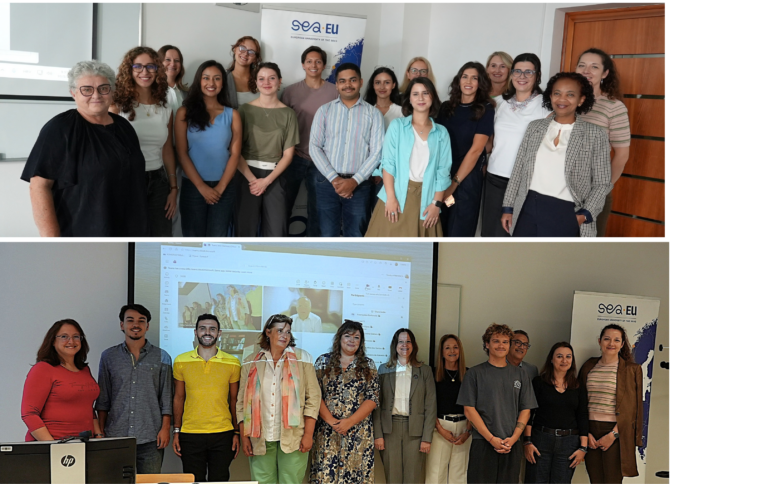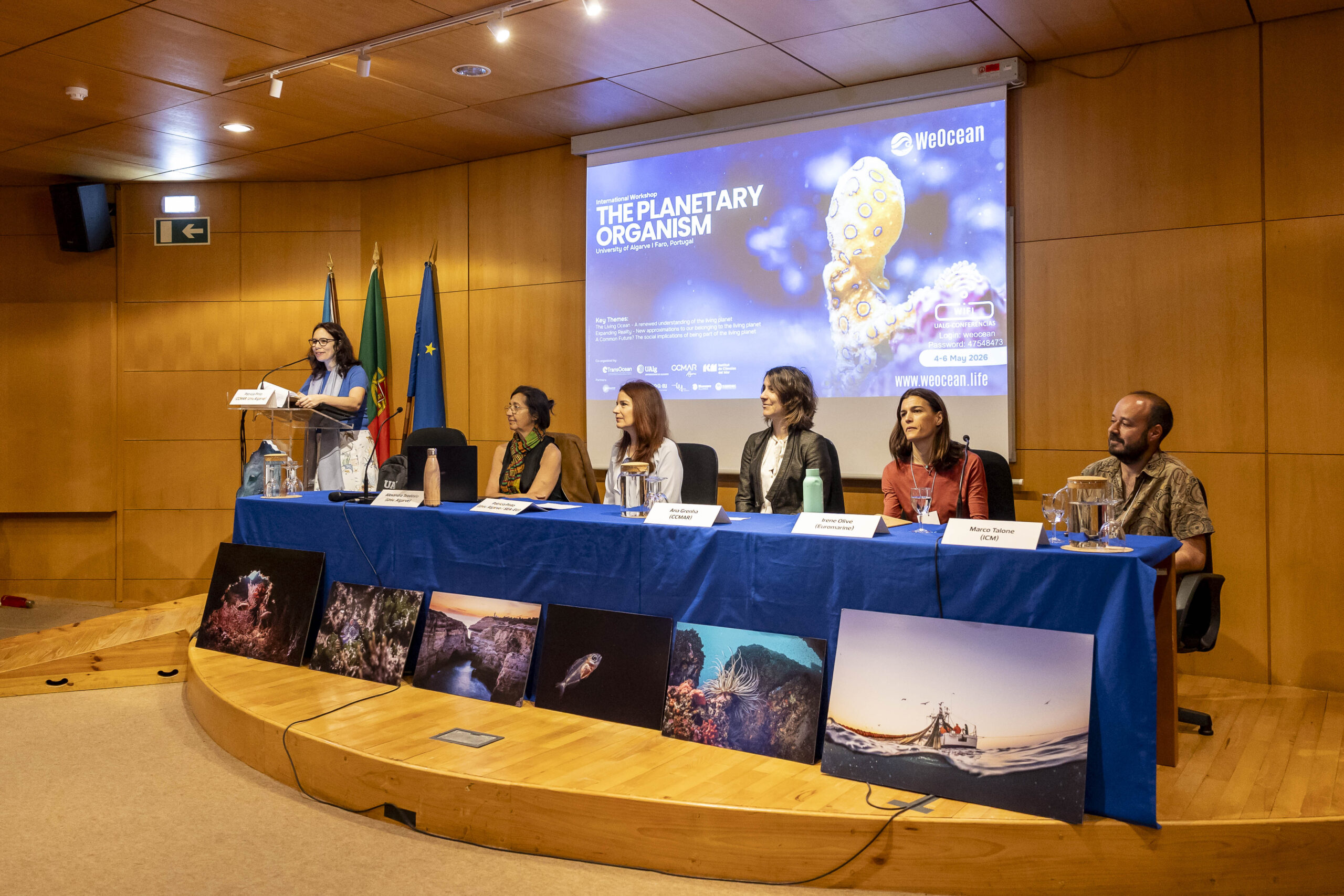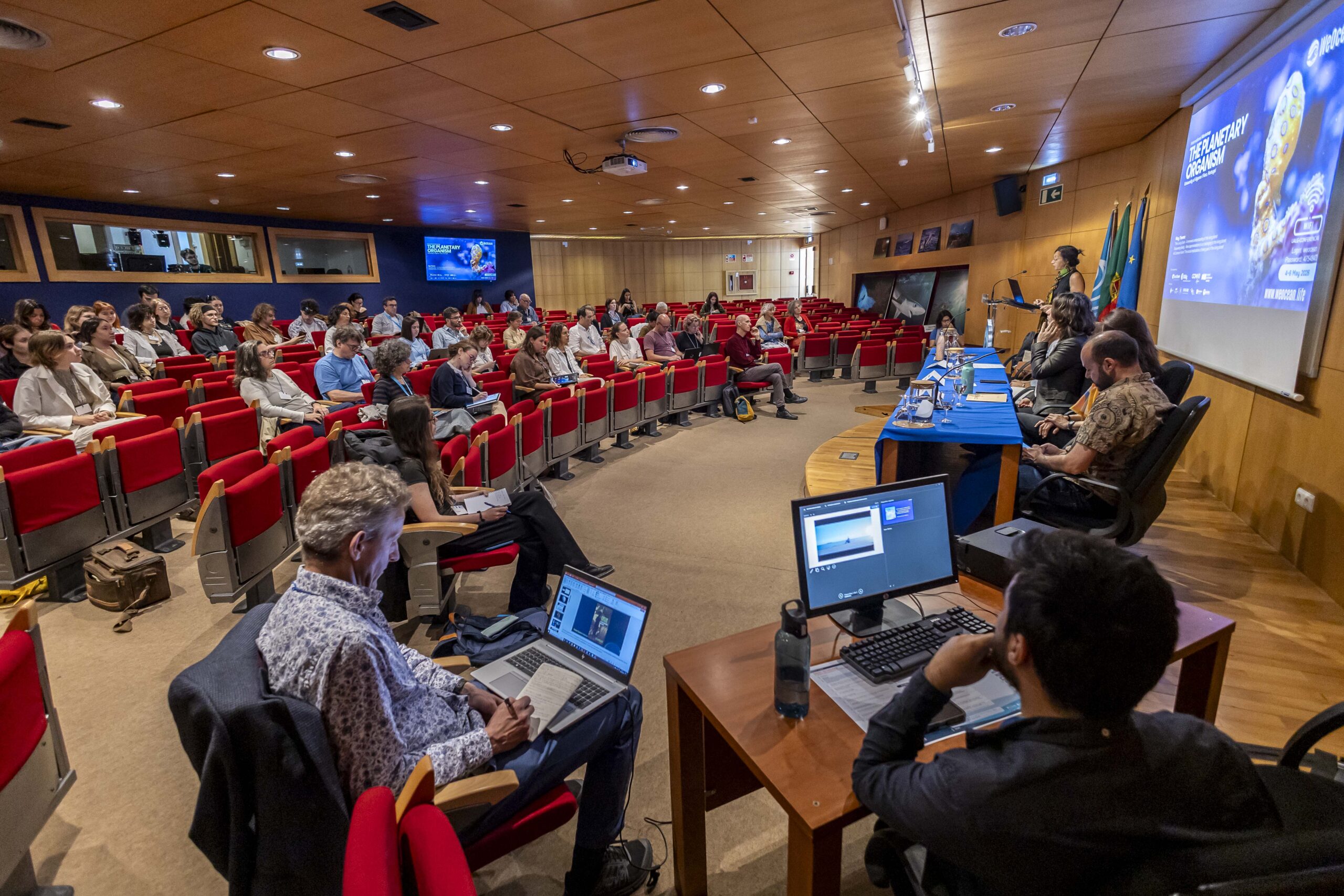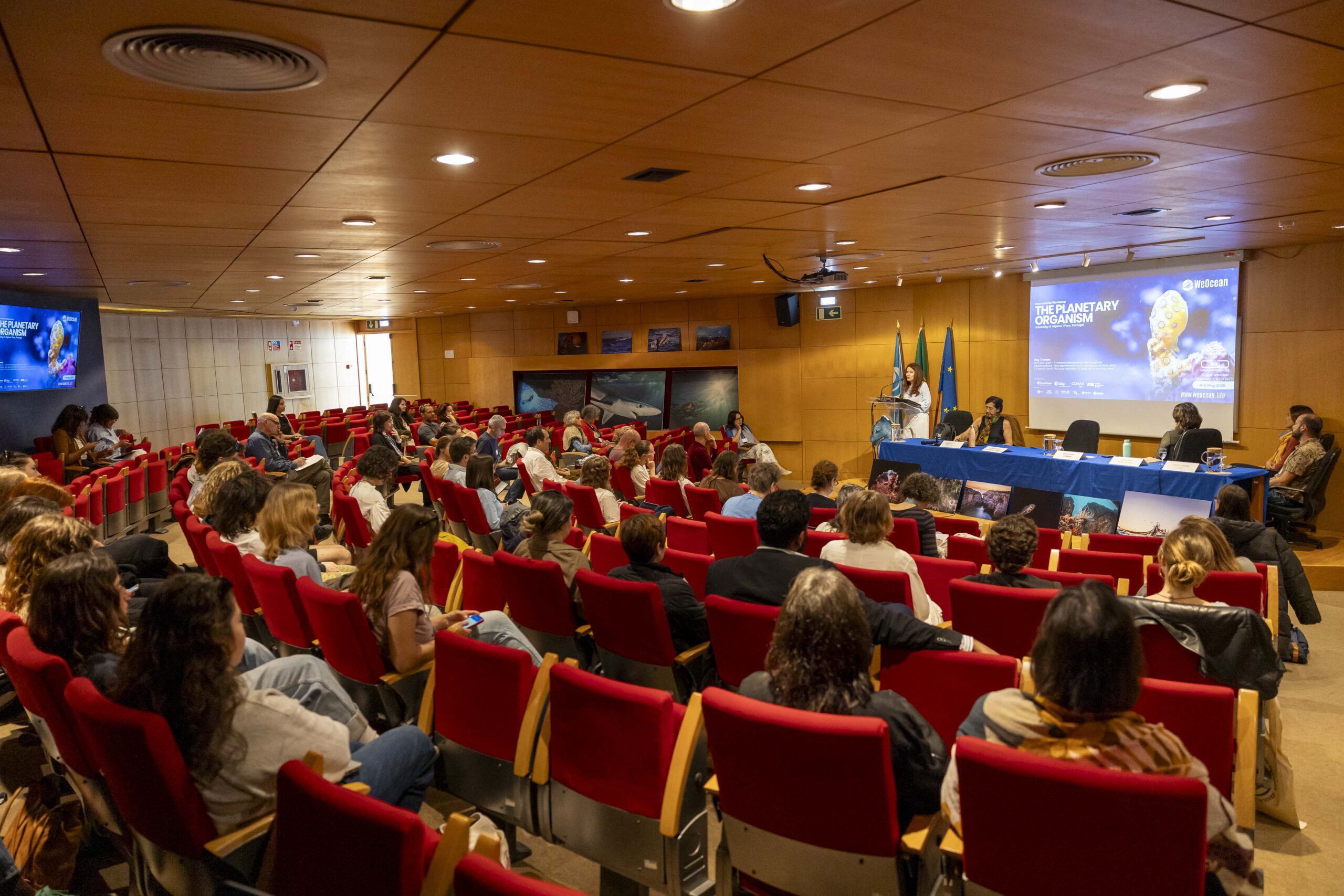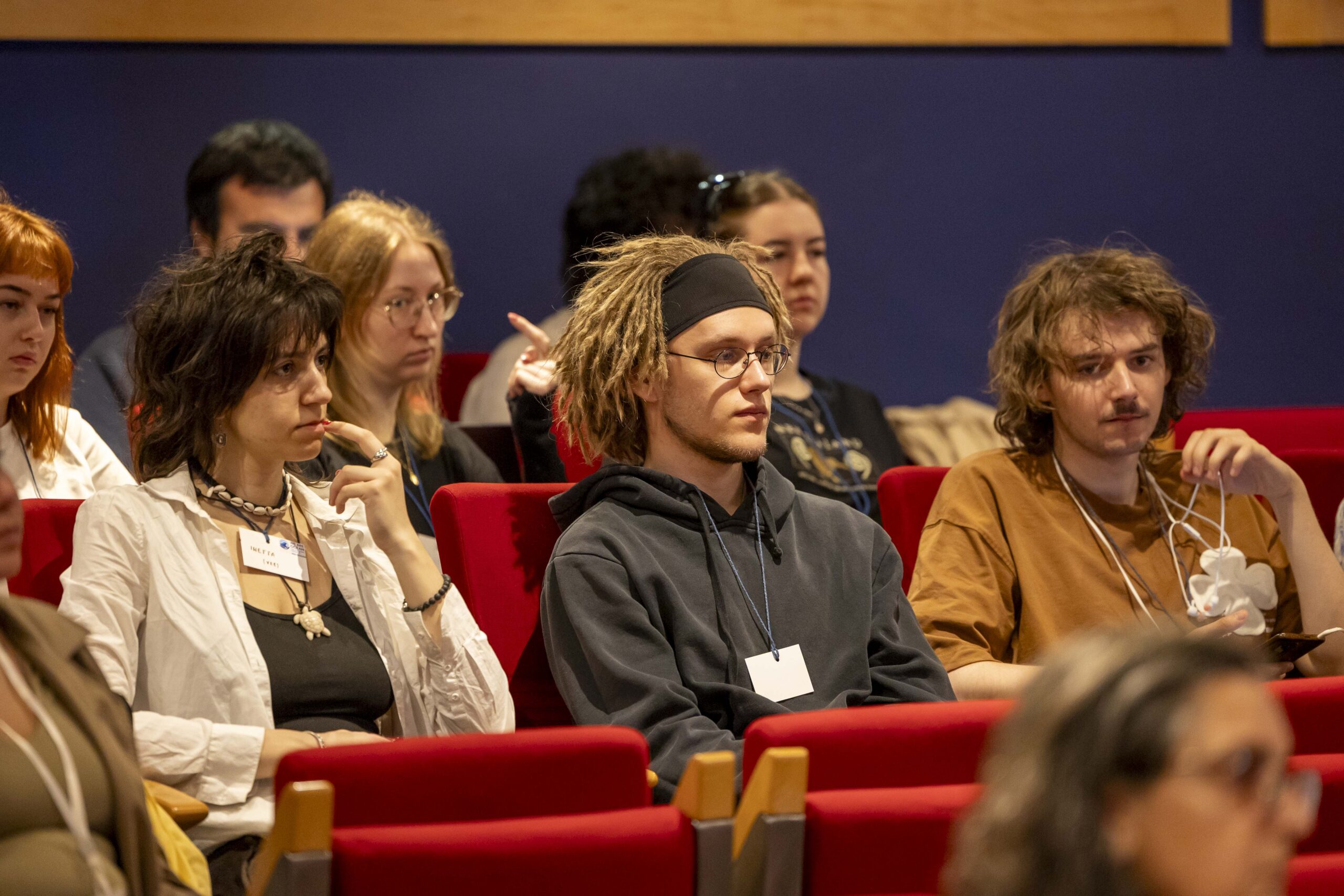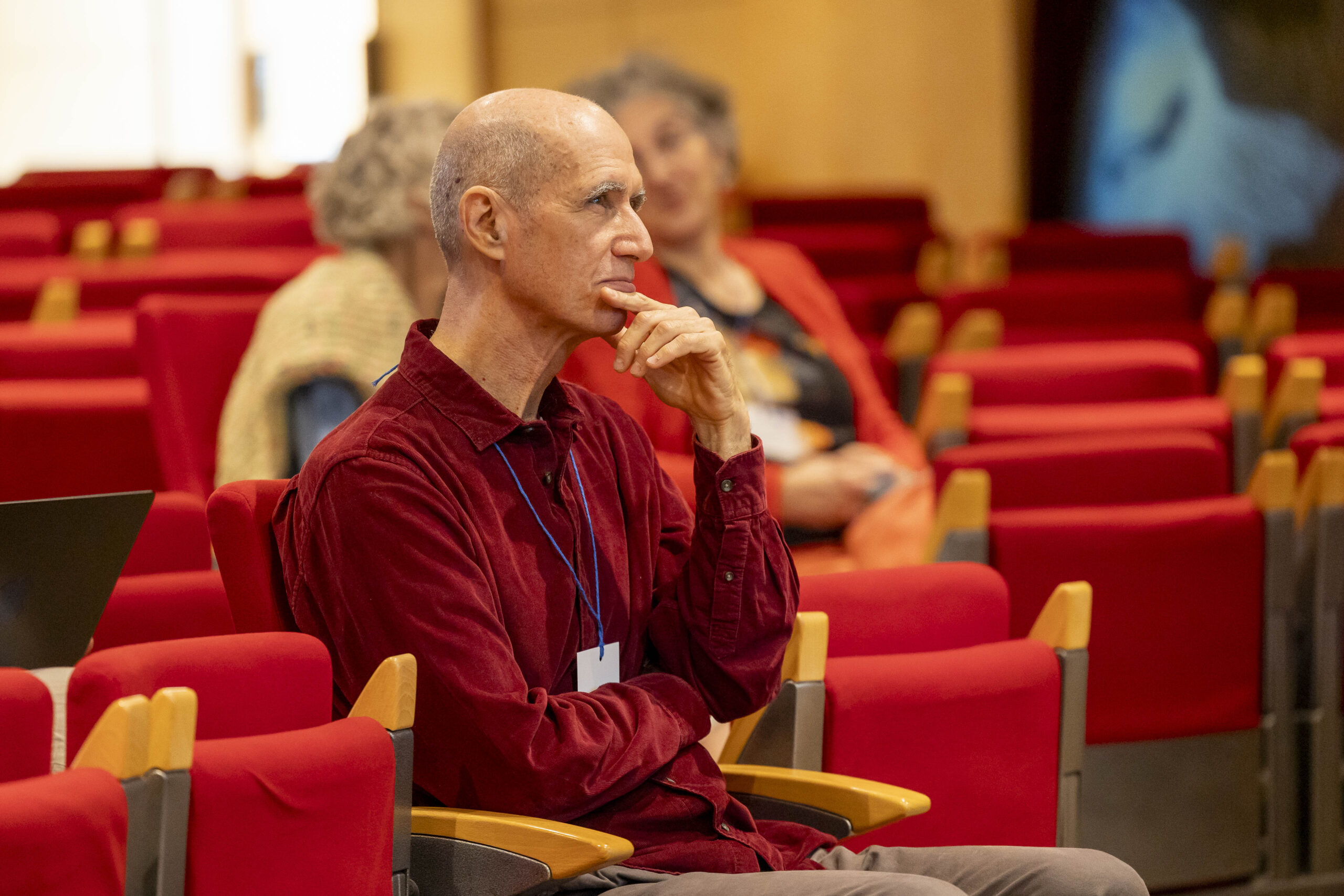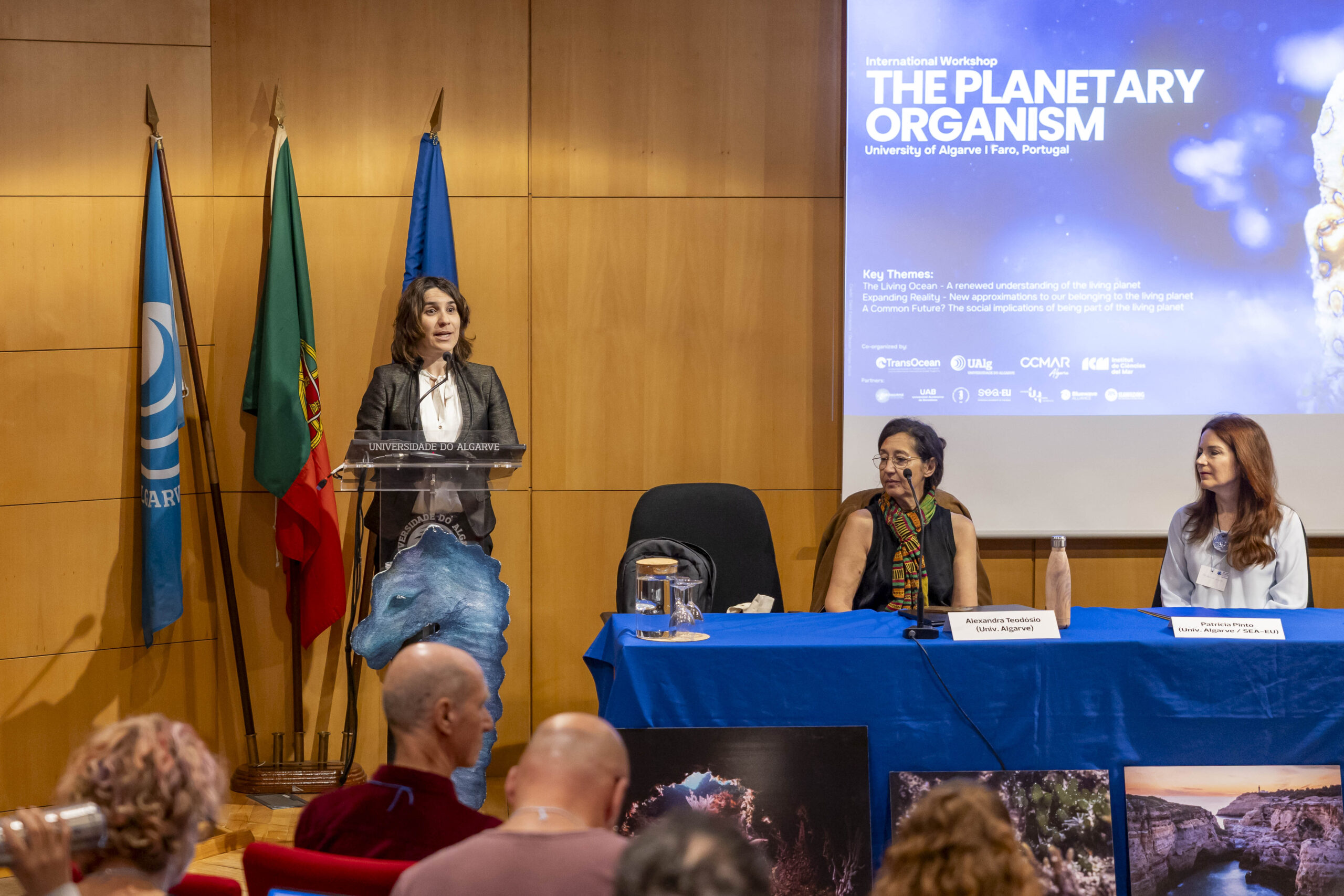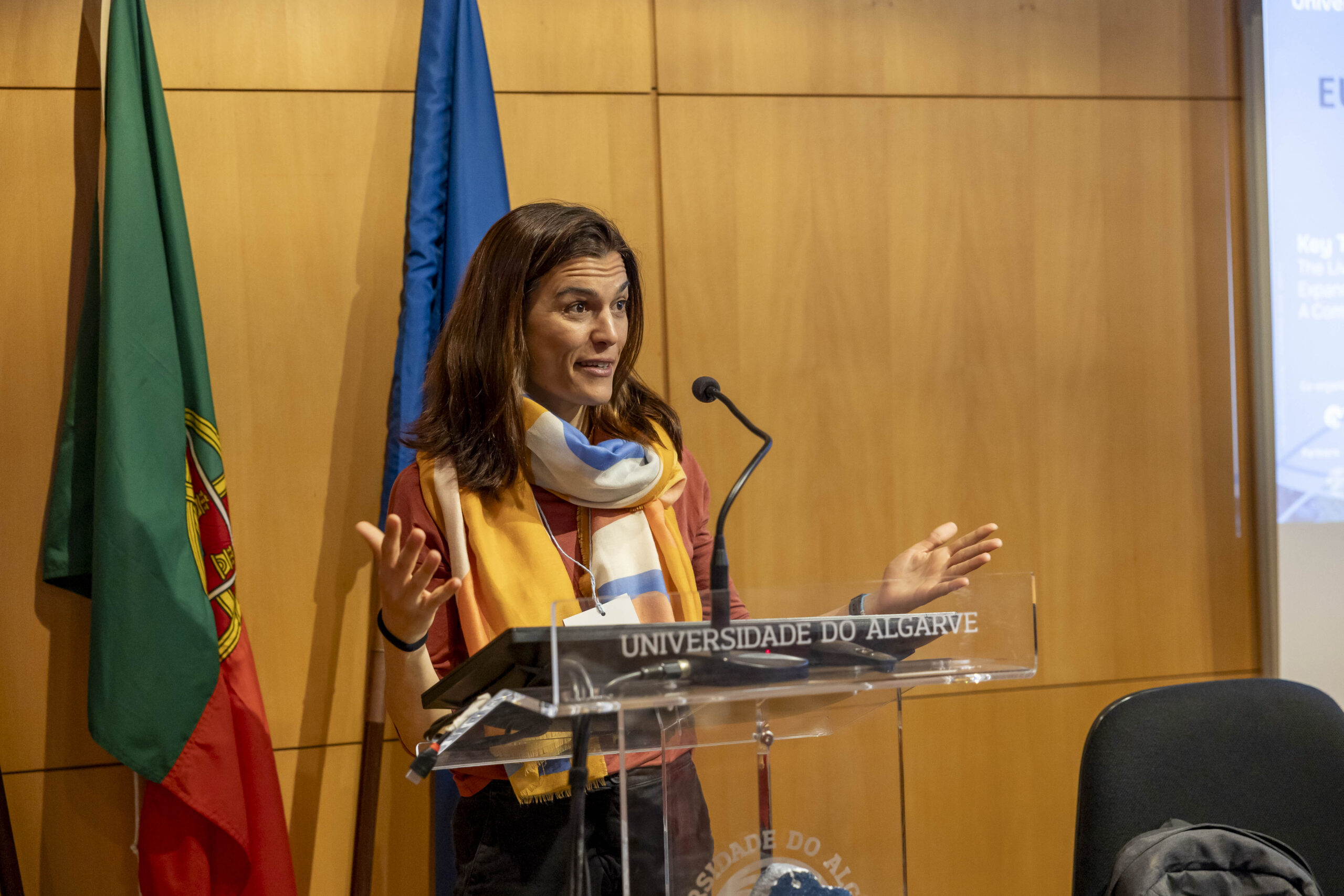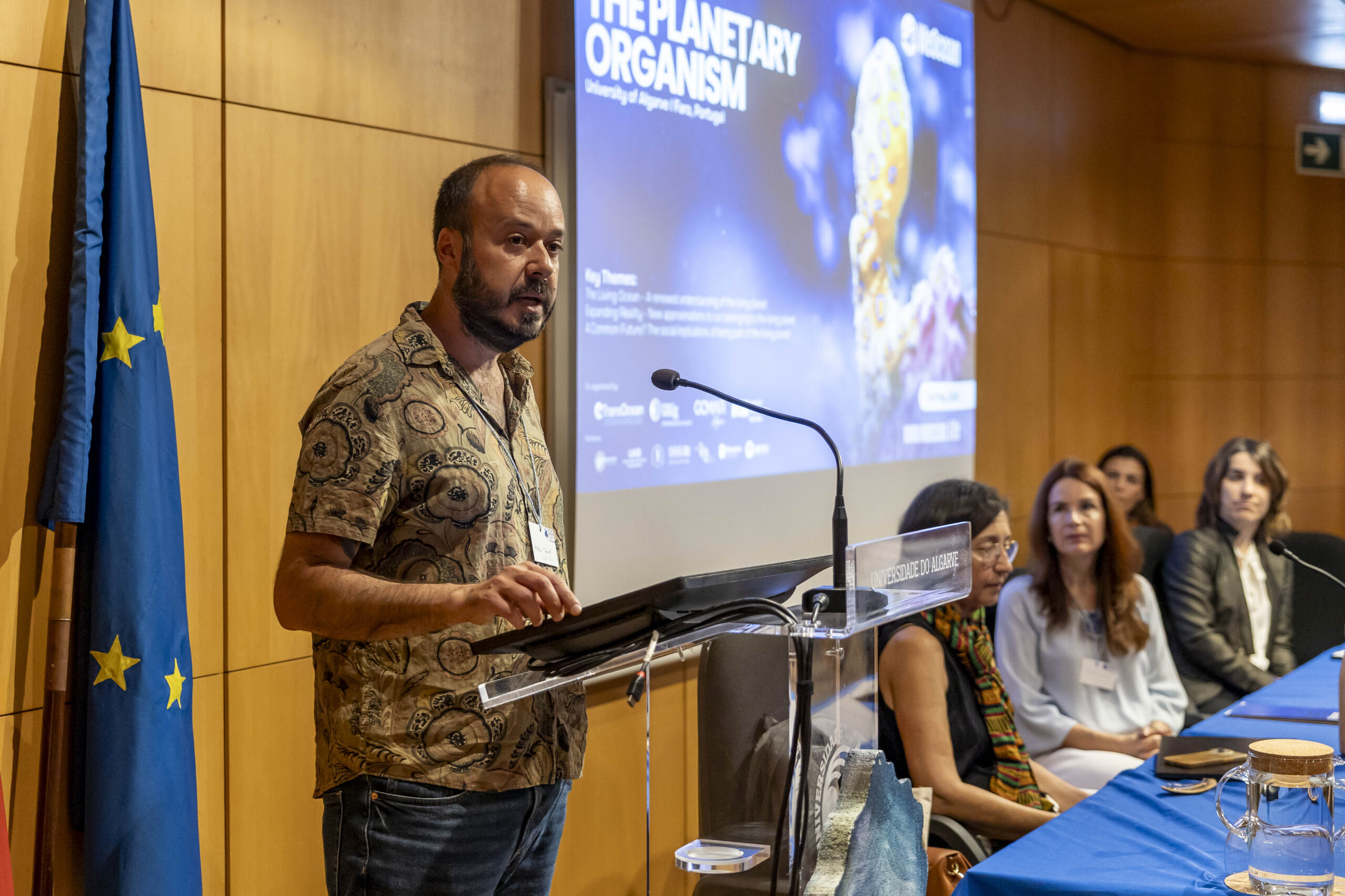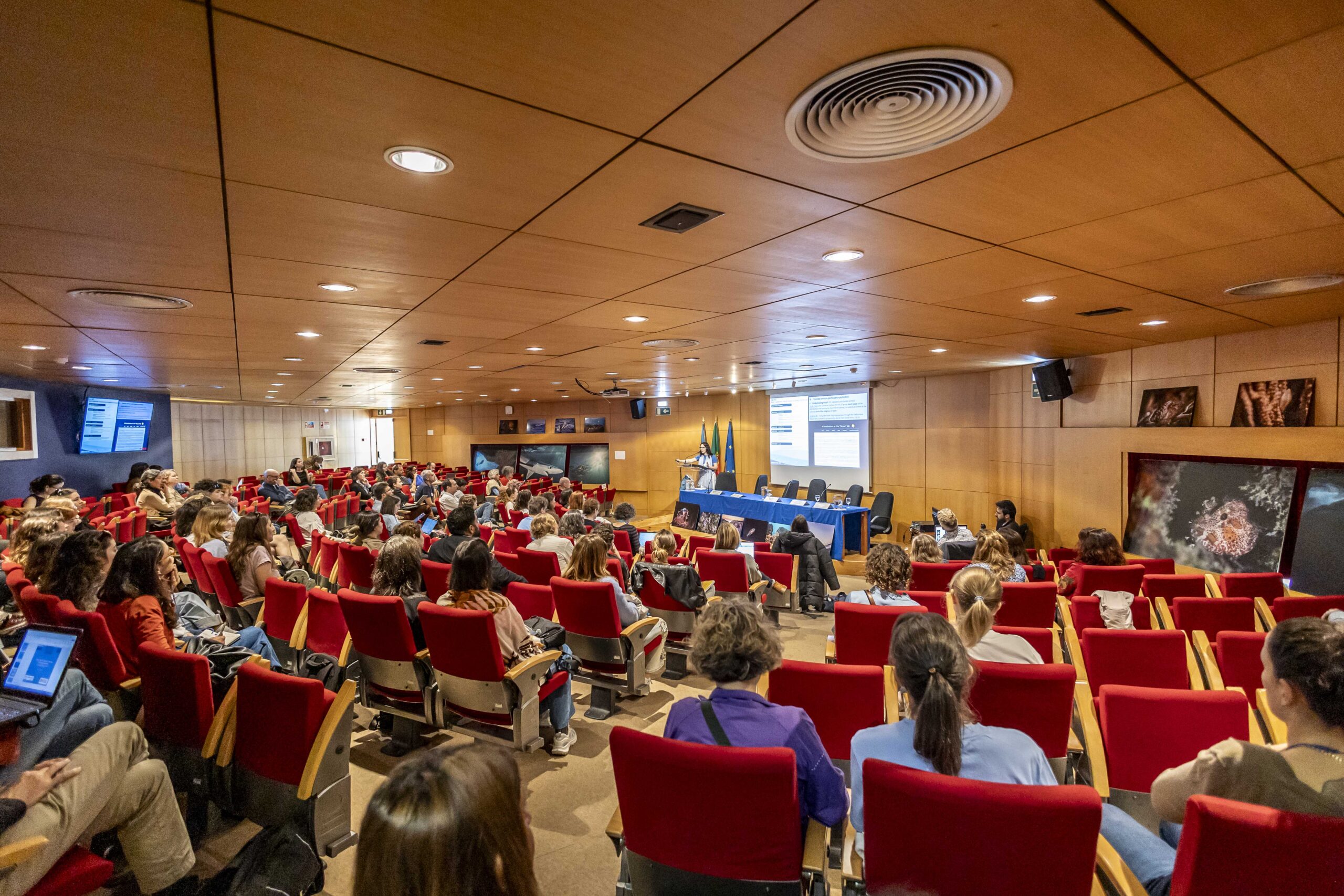
With the support of SEA-EU, the University of Algarve hosted the international workshop “We Are Ocean: The Planetary Organism (WeOcean)” between 4 and 6 May 2026 at Penha Campus. Bringing together 110 researchers, artists and specialists from 15 countries — including strong participation from the University of Gdańsk — the initiative created a transdisciplinary space for reflection on the ocean as a central element of the planet’s living system.
Built upon a transdisciplinary approach, WeOcean combined contributions from marine sciences, social sciences, philosophy, the arts and public policy, promoting a broad dialogue on contemporary environmental and social challenges, as well as on the need for new ways of thinking about the relationship between human beings and the ocean.
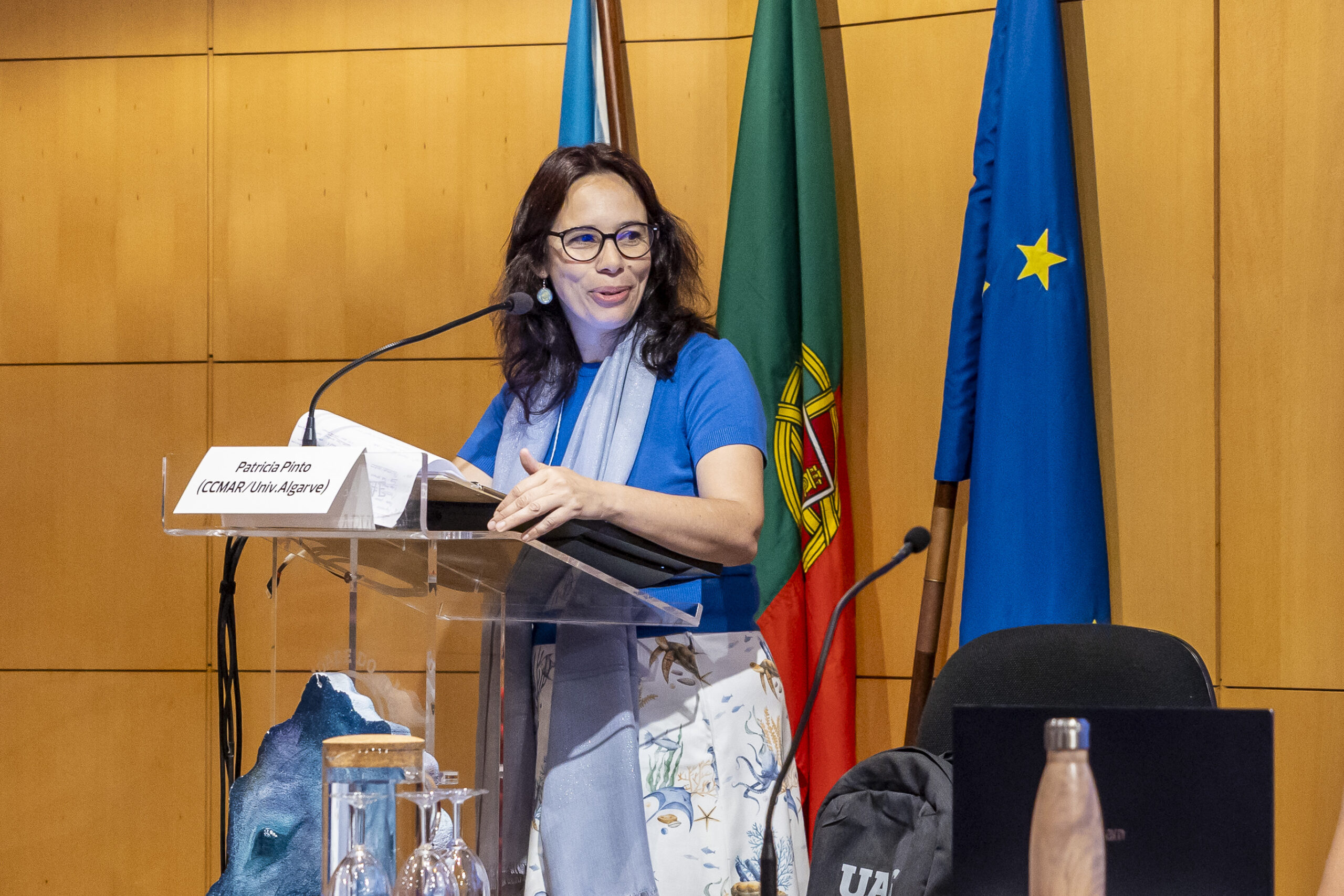
According to Patrícia Isabel Pinto, coordinator of the local organising committee, this first edition of WeOcean was “a unique event” due to its ability to bring together very different fields and perspectives around a shared concern. “We managed to bring together marine scientists, social scientists, philosophers and artists around ocean protection and reflection on the various ocean sciences,” she highlighted.
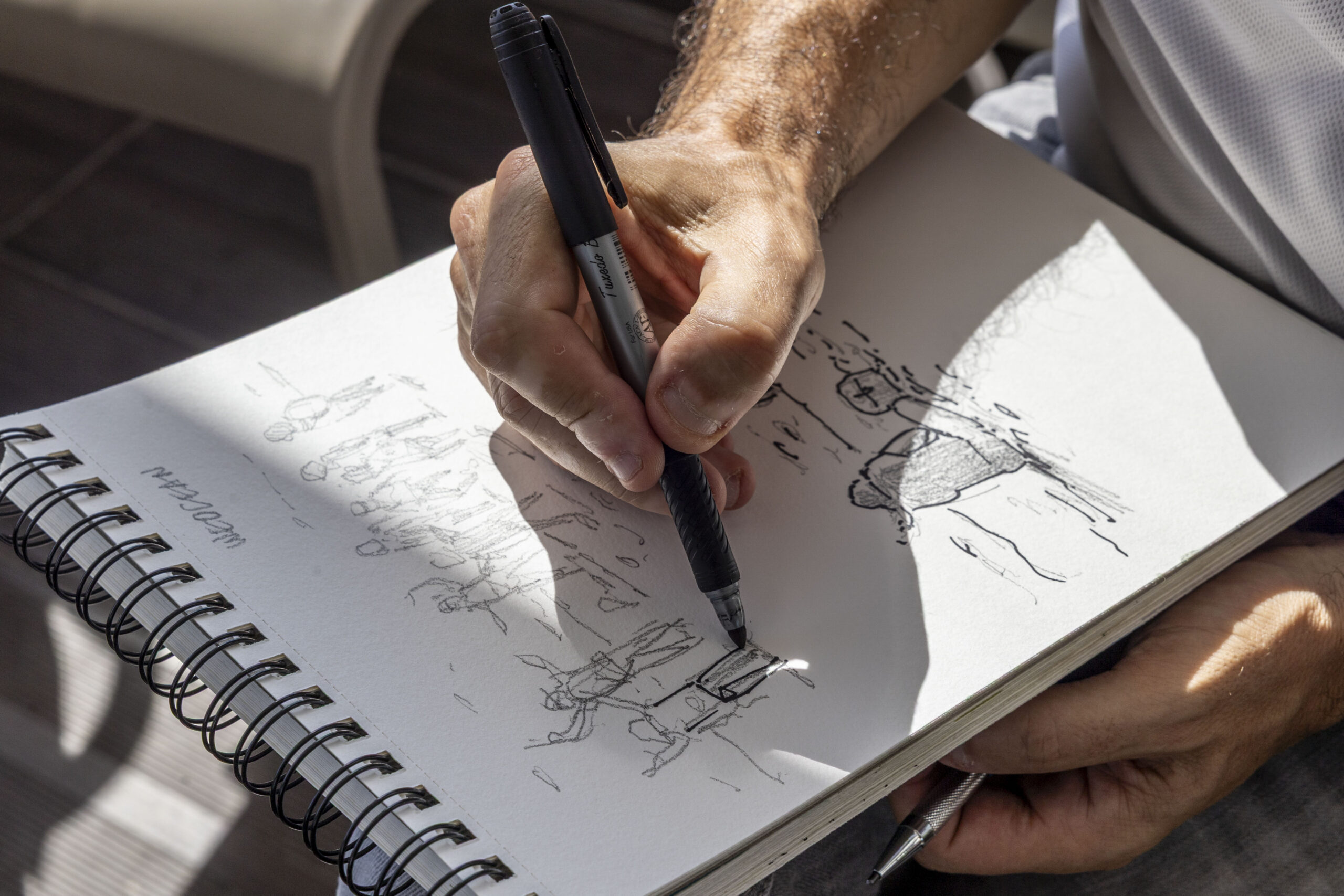
Over the course of the three-day programme, the workshop was structured around three thematic axes — The Living Ocean, Expanding Reality and A Common Future? — combining scientific sessions, debates and moments of collective reflection with immersive and participatory experiences.
Promoted by the EuroMarine network through the TransOcean working group, and co-organised by the University of Algarve, the Centre of Marine Sciences of the Algarve (CCMAR), the Institut de Ciències del Mar of Barcelona and Associació SeaWilding, the workshop also received support from SEA-EU, as well as collaboration from several international institutions and networks.
For Patrícia Isabel Pinto, this support “was instrumental” to the success of the initiative, which was also reflected in the impact it had on participants. “We received excellent feedback from both speakers and academic participants, who told us they experienced a much greater personal and professional impact than they would normally find at conferences within their own specialist areas. It was a different and truly memorable experience,” she stated. The University of Algarve professor also highlighted the testimony of several national and international students, for whom this was their first scientific conference: “It was especially meaningful to realise that some participants left with new perspectives on the ocean, on science and on their own academic journey.”
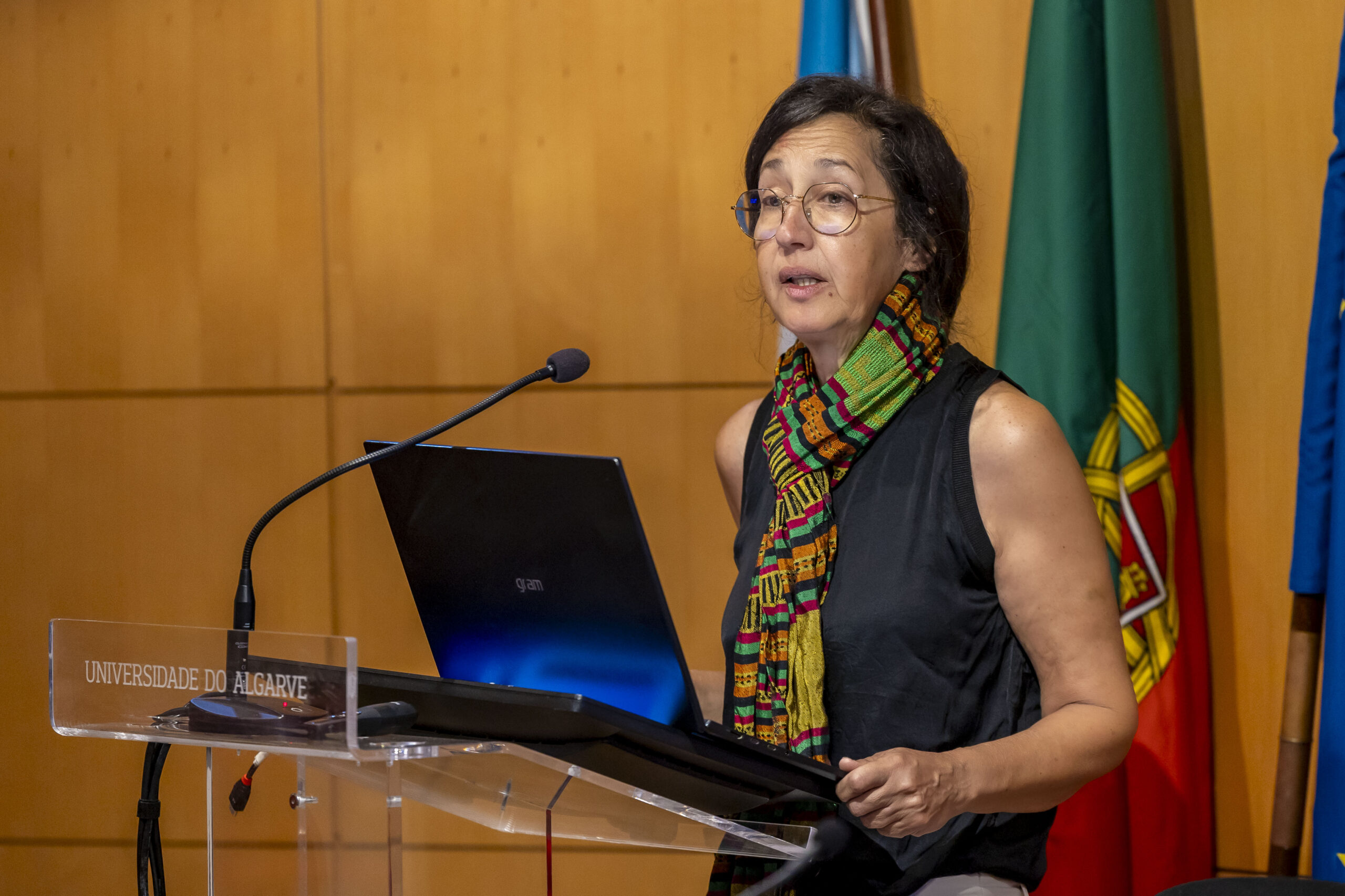
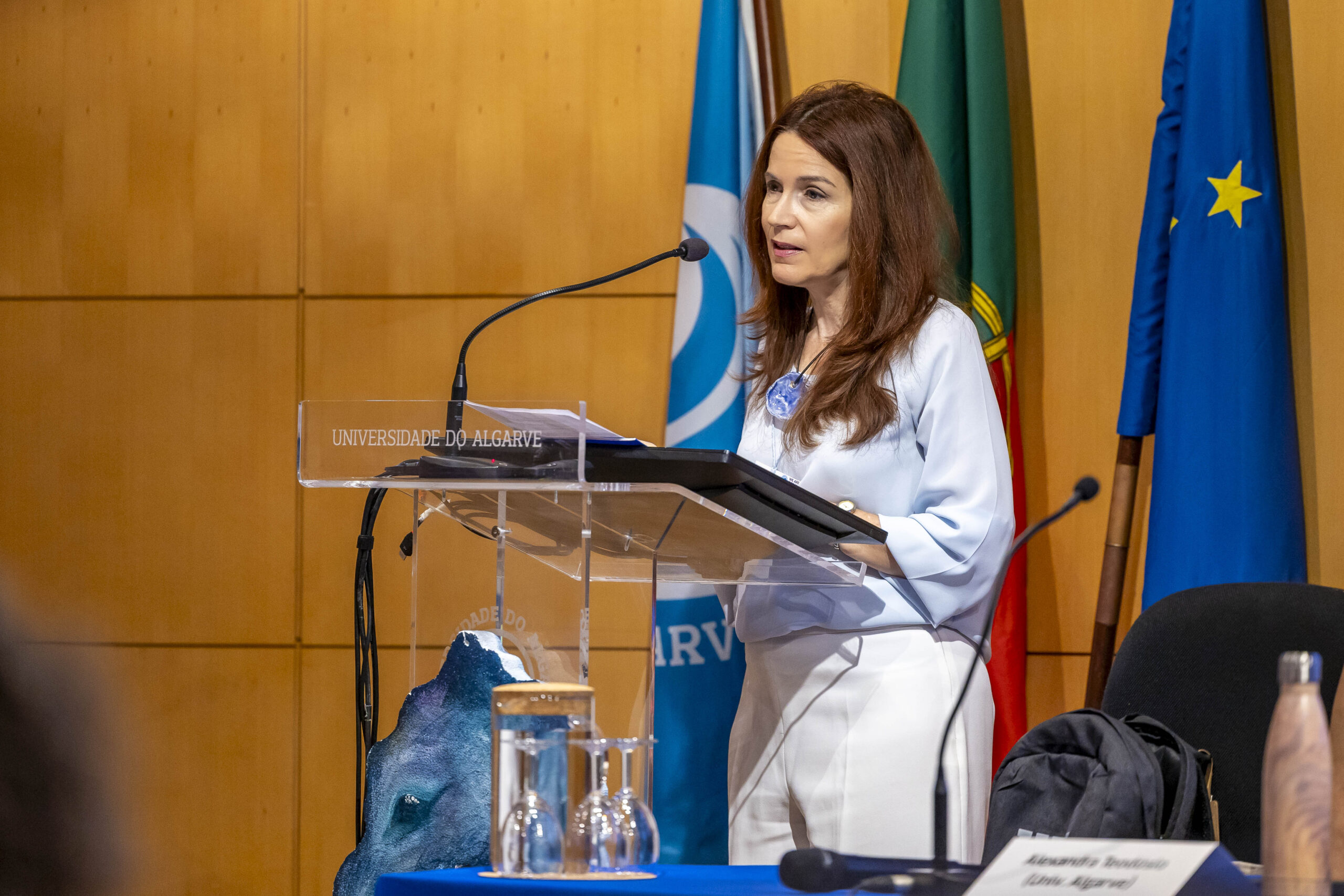
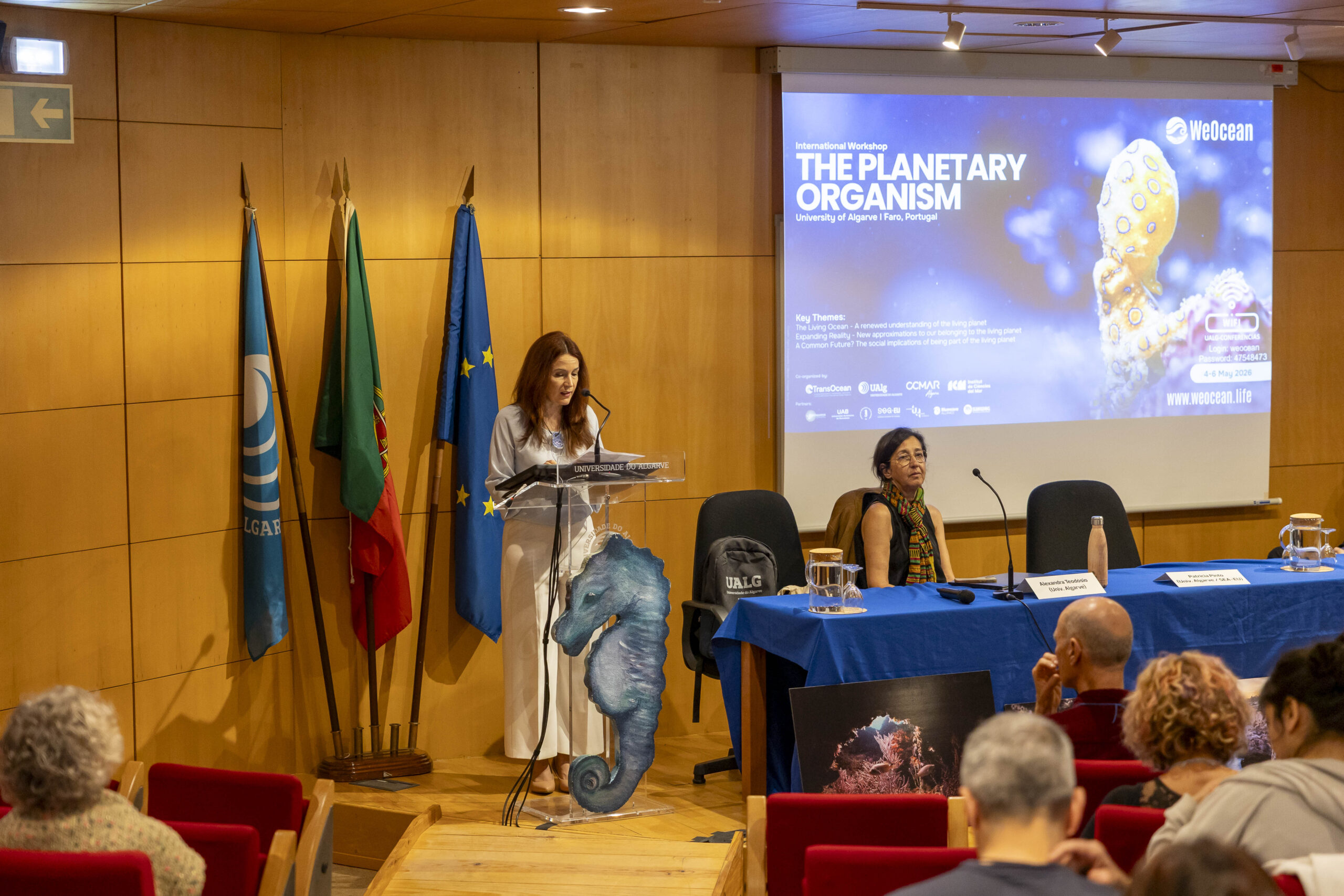
The opening session featured the Rector of the University of Algarve, Alexandra Teodósio, who underlined the importance of the ocean throughout her academic career and its central role in today’s scientific and societal challenges. During the same session, Patrícia Pinto, Vice-Rector for Partnerships and European University, highlighted the role of SEA-EU as a platform connecting universities and society, promoting collaborative and interdisciplinary approaches to address global challenges. The opening also included interventions from representatives of CCMAR, EuroMarine and the Institut de Ciències del Mar.
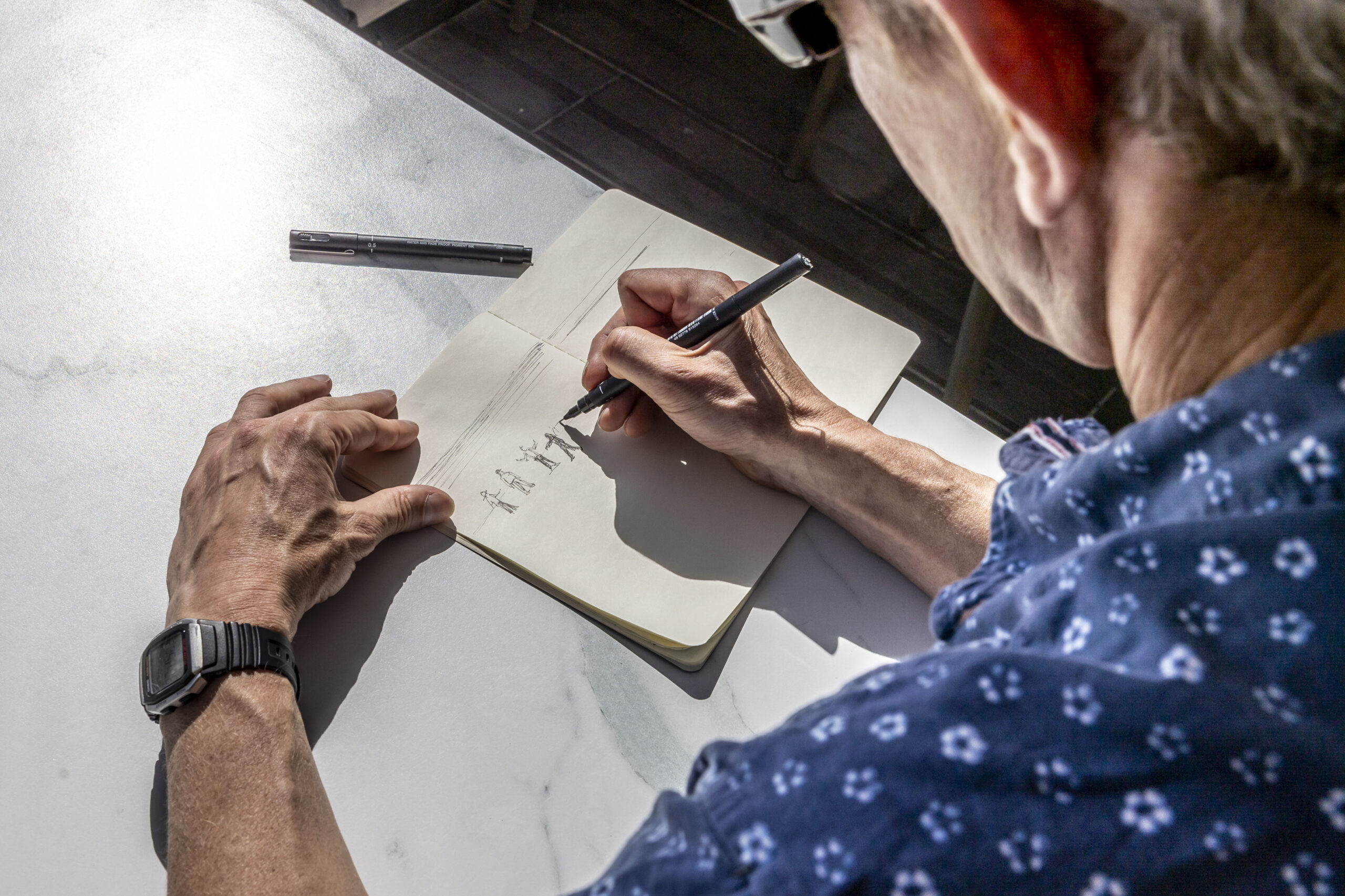
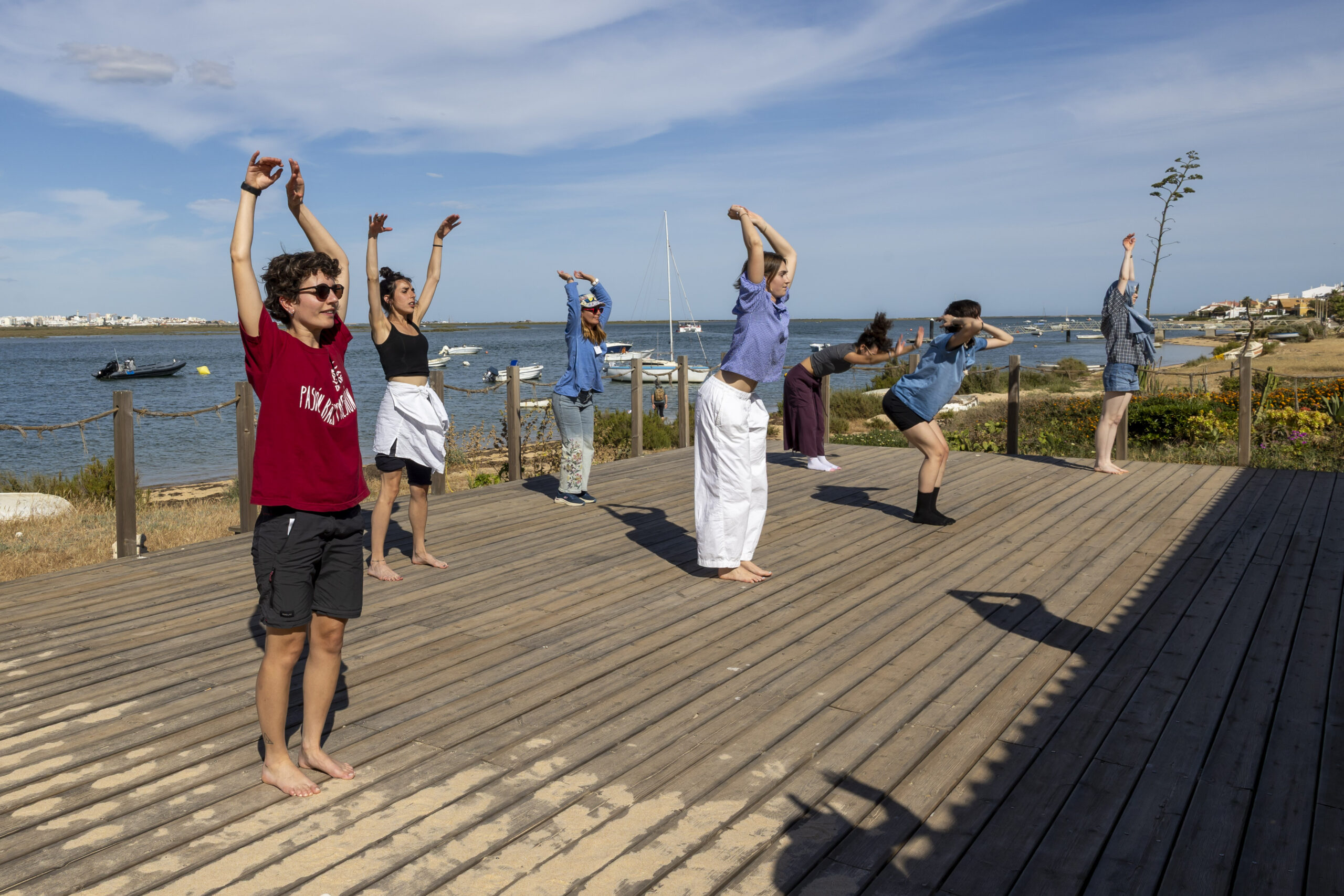
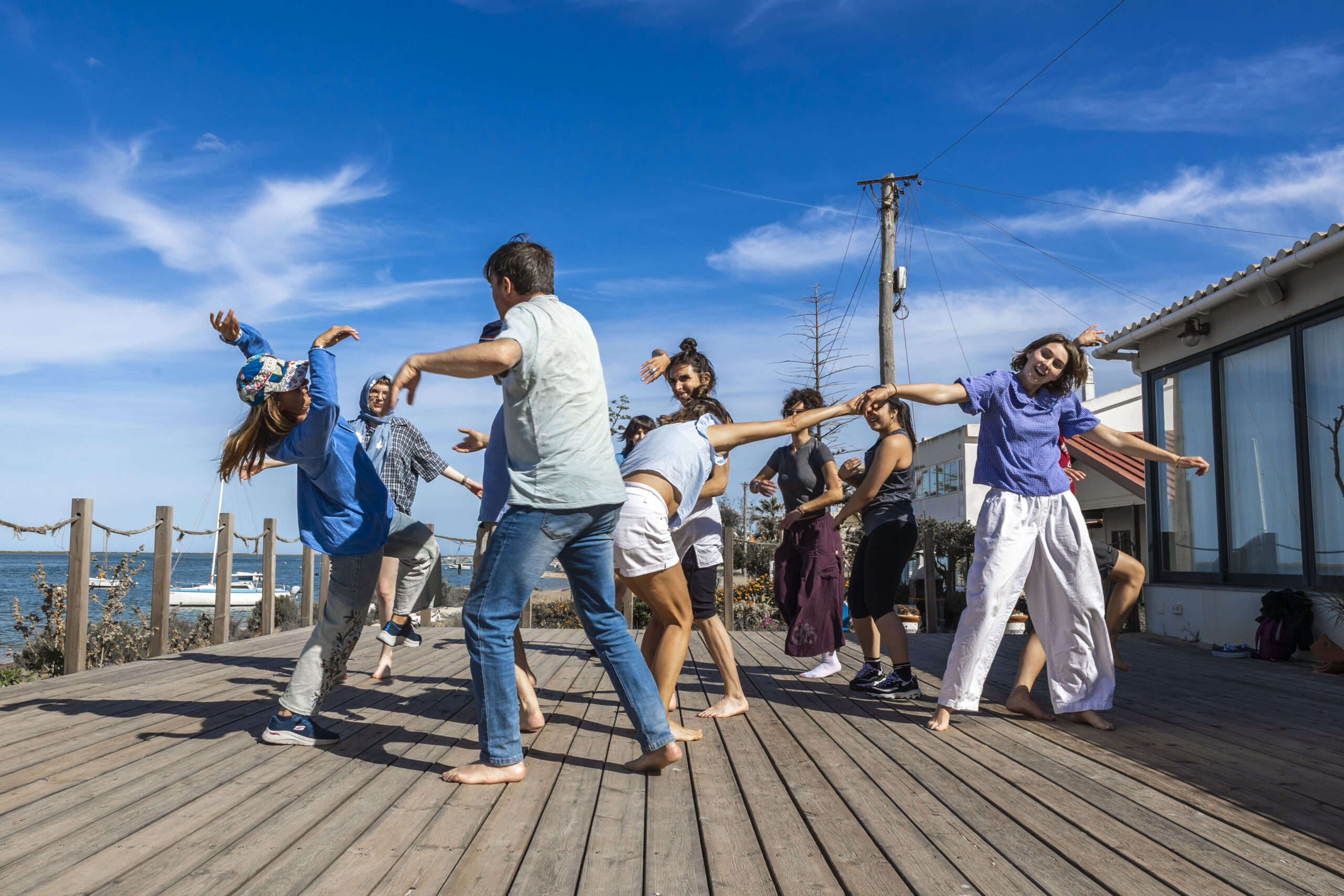
The first day focused on a series of conferences dedicated to understanding the ocean as a living system, addressing topics such as ocean physiology, environmental impacts and the evolution of the planet. The programme also included creative activities and artistic performances, culminating in a participatory concert open to the community, which reinforced the initiative’s cultural and sensory dimension.
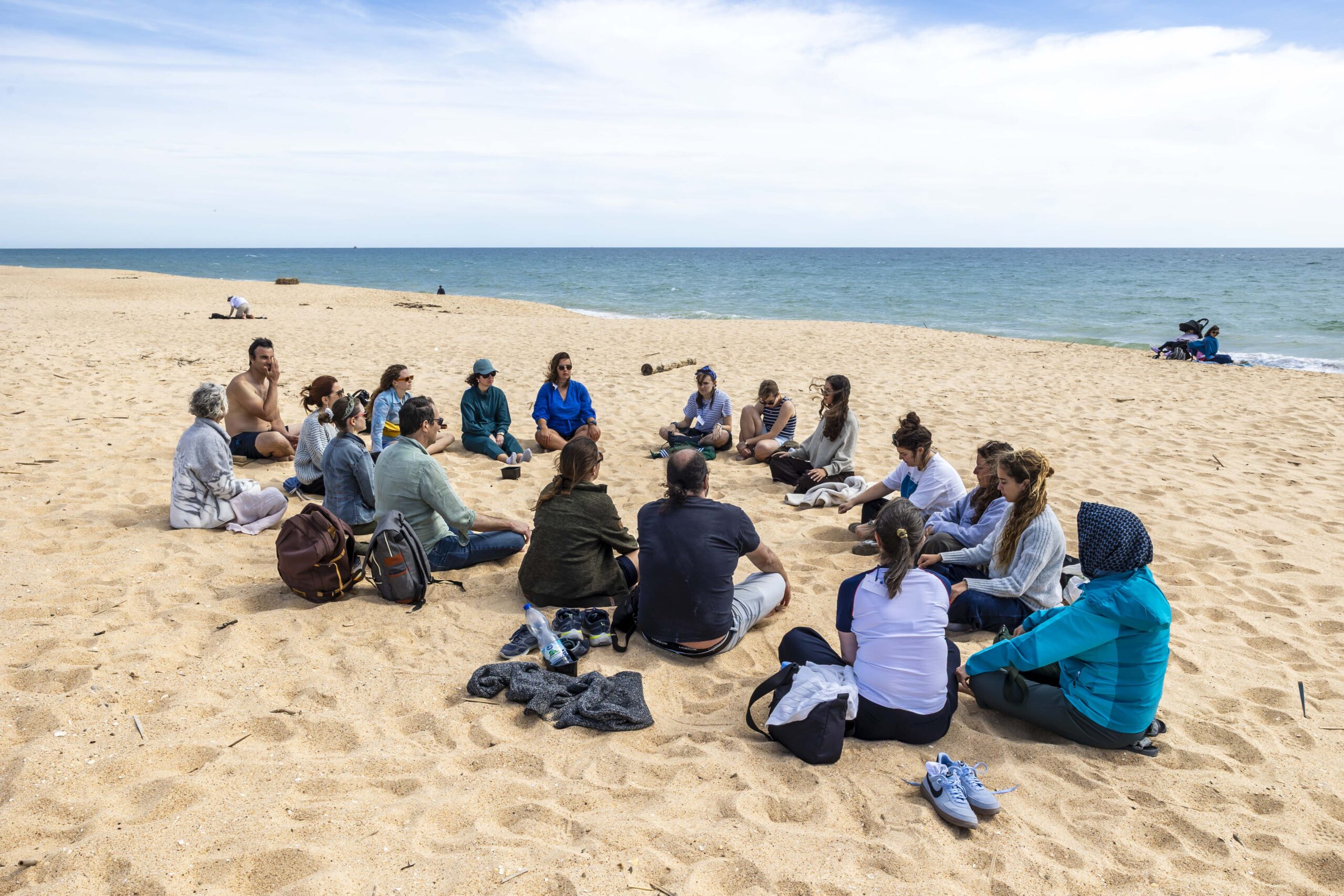
On the second day, the focus shifted to the relationship between human beings and nature, with particular emphasis on connections with communities and on the perception of the ocean as an essential element for individual and collective well-being. The programme included direct engagement with the territory through a field trip to the Ria Formosa Natural Park, featuring guided walks and sensory and participatory activities.
The third and final day addressed the social and ethical implications of humanity’s relationship with the ocean, exploring topics such as science communication in contexts of disinformation, the involvement of communities and young people in science, the rights of nature, and the integration of scientific knowledge into public policy.
Through this initiative, the University of Algarve reinforced its role as a meeting point between science, society and culture, contributing to the development of integrated approaches to global challenges related to the ocean and sustainability.
More than discussing environmental challenges, WeOcean sought to inspire new ways of relating to the ocean, promoting a vision based on interdependence, collective responsibility and the construction of more sustainable futures. By integrating science, art and human reflection around the sea, the initiative also stood out for its emotional, sensory and participatory dimension, inviting participants to rethink the ocean not merely as an object of study, but as an integral part of a living system to which we all belong.