How to best reach the 180,000 members of the SEA-EU community? What would be the role of student Ambassadors in the next phase of the alliance? And which tools for science communication are the most effective? These are just a few questions SEA-EU communication experts tried to answer during their meeting in Faro, Portugal.
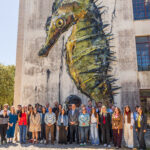
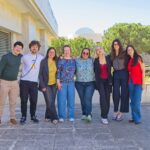
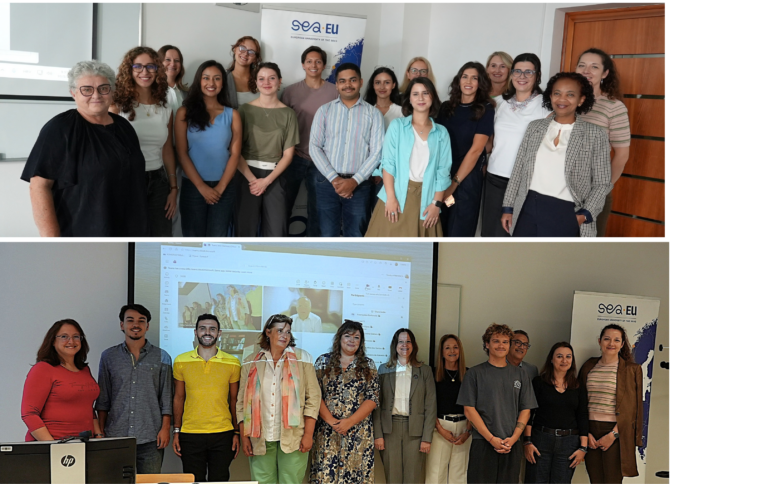
The University of Algarve hosted, on 14 and 15 April, the in-person meetings of Work Package 6 (WP6) of the SEA-EU Alliance, dedicated to Dissemination and Impact, bringing together around 30 communication specialists from the nine partner universities. The meetings brought together two complementary working groups: Task 6.2 (communication and impact strategy) and Task 6.3 (science communication).
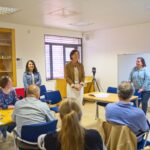
Experts shared their best practices, projects, and strategies in institutional and science communication, reinforcing the collaborative and European dimension of this work. Together, these teams work to strengthen how the Alliance communicates and enhances its impact across the academic community and society. During their stay, both groups were visited by the Rector of the University of Algarve, prof. Alexandra Teodósio.
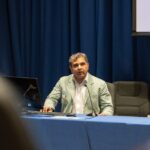
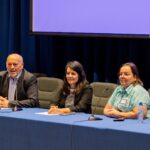
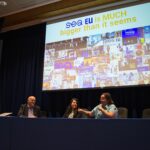
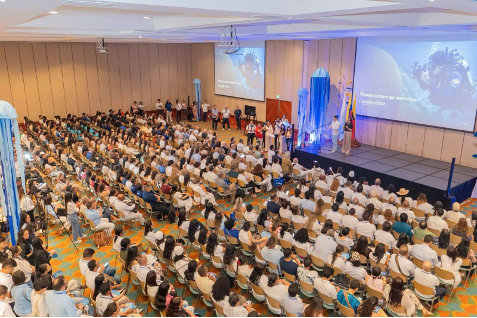
The programme began on 14 April with a session open to the academic community, which brought together around 50 participants at the Teresa Júdice Gamito Lecture Hall, on the Gambelas Campus. The opening session featured welcome remarks by Professor Manuel Célio Conceição and Pro-Rector for Sustainability Sciences, Vânia Sousa.
The SEA-EU Head of Communications, Irene de Andrés, from the University of Cádiz, presented the evolution of the SEA-EU Communication and Marketing over the past six years of the Alliance. The session also included the lecture “Science Is for Everyone — But Only If We Make It So!”, delivered by Professor Cristina Veiga-Pires, as well as presentations of projects developed by partner universities.
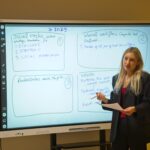
Over the two days, discussions focused on reviewing progress in SEA-EU communication and defining priorities for the future. Within Task 6.2, participants assessed the achievements of the Alliance’s communication strategy and outlined the most crucial objectives for the final year of SEA-EU 2.0, while also discussing improvements for the next phase of the Alliance like a Student Ambassador programme or a new social media strategy.
In Task 6.3, dedicated to science communication, participants reflected on the current state of science communication within SEA-EU, highlighting its dynamic, diverse, and increasingly impactful nature, driven by a strong culture of experimentation and collaboration.
The joint discussion also brought to light structural challenges, including the need for greater strategic alignment, clearer frameworks, stronger institutional incentives, and improved impact evaluation mechanisms. At the same time, key opportunities were identified to strengthen the digital dimension, foster interdisciplinary and creative approaches, expand international reach, and reinforce links between science, policy, and society.
In this context, participants emphasised the importance of a more coordinated and sustainable approach, focusing on high-visibility joint actions, the development of shared resources, and the consolidation of the network as a permanent structure within the Alliance.
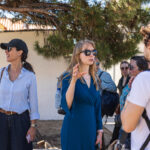
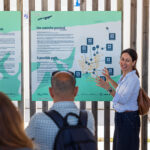
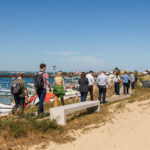
In addition to the working sessions, the programme included networking and social moments, such as a dinner in Faro’s historic centre and a visit to Culatra Island, further strengthening connections among participants.
By hosting these meetings, the University of Algarve reinforces its active role within the SEA-EU Alliance, contributing to the development of more effective, aligned communication strategies with greater impact across diverse audiences.